Pilots often wonder about the off-airport landing legality for bush planes, especially in remote or unconventional spots. Bush plane legal landings and FAA off-airport regulations play a key role in determining what’s permissible. Understanding these rules helps ensure safe and compliant adventures in the skies.
Moreover, trends show increasing interest in such flights, but adherence to laws prevents issues. Therefore, pilots benefit from thorough preparation and awareness of bush plane legal landings.
Furthermore, communities like the E3 Aviation Association offer insights and support. To learn more, join the E3 Aviation community at: https://e3aviationassociation.com/.
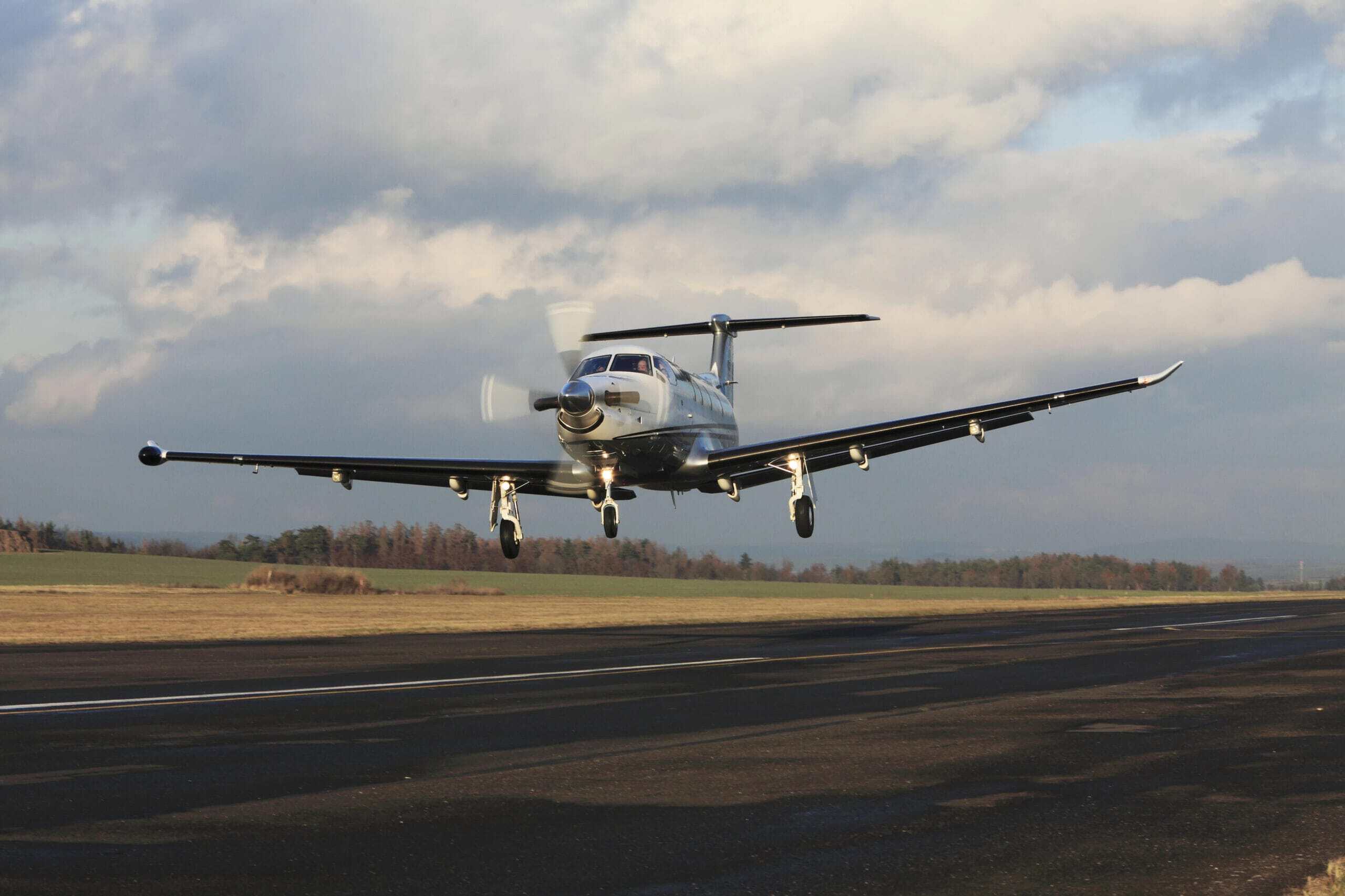
Understanding FAA Regulations on Off-Airport Landing Legality
The FAA provides a framework for off-airport landing legality, emphasizing safety over strict prohibitions. Under 14 CFR § 91.13, operations must avoid endangering lives or property. Additionally, § 91.119 allows lower altitudes only when necessary for takeoff or landing.
However, no specific rule bans non-emergency off-airport landings for fixed-wing aircraft. Pilots must ensure sites are suitable, free of hazards like wires or uneven terrain. Statistics from FAA reports indicate most violations stem from inadequate assessments.
Moreover, bush plane legal landings often occur in rural areas, where flexibility is greater. Trends in aviation show a rise in STOL aircraft usage, but compliance remains crucial. For more on building an aviation career, click: https://e3aviationassociation.com/e3-aviation-association-pilot-manifesto/.
In addition, recent FAA updates from 2020-2025 focus on safety enhancements, not major restrictions. These include better guidance on remote operations.
Key CFR Sections Explained
14 CFR § 91.119 outlines minimum safe altitudes, except during takeoff or landing. This supports off-airport landing legality if justified. However, over congested areas, maintain 1,000 feet above obstacles.
Additionally, § 91.13 prohibits careless actions. For bush planes, this means thorough reconnaissance. FAA data shows 15% of incidents involve altitude violations.
Moreover, no changes in 2020-2025 altered core rules, but emphasis on drones indirectly affects shared airspace.
On the other hand, pilots use apps for compliance. This ensures bush plane legal landings align with FAA off-airport regulations.
Permissions and Safety Requirements
Property owner consent is essential for private land. Without it, trespassing charges apply. Public lands like BLM allow landings unless restricted.
Furthermore, safety involves site checks for length and obstacles. Bush planes need 300-1,000 feet typically. Trends favor tech aids like GPS for assessments.
In addition, insurance often requires charted sites, impacting off-airport landing legality practically.
Therefore, consult local authorities. This upholds FAA off-airport regulations effectively.
These regulations set the stage for examining real-world applications through case studies, highlighting practical legal outcomes.
Case Studies: Real-World Examples of Off-Airport Landing Legality
One case involved a bush pilot in Alaska landing on a gravel bar. Deemed legal under state laws allowing rural operations, the outcome was positive with no violations. Lesson: Remote areas offer more leeway if safe.
Another example: A pilot landed in a Utah field after engine trouble. FAA ruled it emergency, no penalties. However, property damage led to civil claims. Key takeaway: Emergencies justify actions, but permissions matter post-landing.
A final case: Idaho road landing for maintenance. Legal per state code, no issues. This underscores varying bush plane legal landings by location.
These examples illustrate legal nuances, leading into trends shaping future off-airport operations.
Trends and Future Outlook in Off-Airport Landing Legality
Interest in bush flying surges, with a 20% rise in STOL events since 2020. Electric bush planes emerge, reducing noise complaints and potentially easing restrictions.
Moreover, FAA emphasizes sustainability; by 2030, hybrid models may dominate, aligning with environmental laws on public lands.
Additionally, apps like OnX map ownership, aiding compliance. Forecasts predict tighter urban rules but relaxed rural ones.
On the other hand, drone integration could crowd airspace, prompting new FAA off-airport regulations.
Overall, trends favor innovation while maintaining safety in bush plane legal landings. Now, addressing common queries in our FAQ.
FAQ: Off-Airport Landing Legality
Question: Is off-airport landing legality different for bush planes?
Answer:
Bush planes follow the same FAA rules as other fixed-wing aircraft. Off-airport landing legality hinges on safety and permissions. In remote areas, it’s often permissible, but urban spots risk violations under § 91.13. Always verify local laws for bush plane legal landings.
Question: What do FAA off-airport regulations require for non-emergency landings?
Answer:
FAA off-airport regulations demand no endangerment and proper altitudes. Obtain owner consent for private land. Trends show increased use of tech for site checks, ensuring compliance in bush plane legal landings.
Question: Can I land in a parking lot under off-airport landing legality?
Answer:
Parking lots are private; permission is key. FAA doesn’t prohibit if safe, but local ordinances often ban it. For bush planes, rural alternatives are safer under FAA off-airport regulations.
Question: How do state laws affect bush plane legal landings?
Answer:
States vary; Alaska allows road landings with precautions, while others restrict. Check codes to avoid fines. This complements FAA off-airport regulations for legal operations.
Question: What trends impact future off-airport landing legality?
Answer:
Electric tech and apps enhance safety, potentially broadening bush plane legal landings. However, environmental concerns may add restrictions on public lands.
Question: How to prepare for off-airport landing legality compliance?
Answer:
Study FAA handbooks, use mapping tools, and join communities like E3 Aviation Association. This ensures adherence to FAA off-airport regulations and safe bush plane legal landings.
These answers provide clarity, wrapping up with key takeaways in the conclusion.
Conclusion: Navigating Off-Airport Landing Legality Safely
Off-airport landing legality for bush planes relies on FAA guidelines like § 91.13 and § 91.119, emphasizing safety and no recklessness. Bush plane legal landings succeed with permissions and site assessments, preventing violations. FAA off-airport regulations offer flexibility in remote areas, but urban attempts risk issues.
Beyond rules, trends in technology and sustainability shape access. State variations add layers, so pilots must research thoroughly. This fosters responsible flying, protecting communities and environments while enjoying aviation’s freedom.
Embracing these principles ensures thrilling yet compliant adventures. Whether exploring wilderness or honing skills, fly with knowledge and caution—soar confidently into aviation’s vast horizons.
Written by E3 Aviation Team, an experienced group of aviation writers with certifications in flight instruction and decades of combined flying hours.
For more aviation resources and insights, be sure to visit: https://e3aviationassociation.com/articles/.
To discover more about E3 Aviation visit: https://e3aviationassociation.com/
FAA Airplane Flying Handbook – Off-Airport Operations
AOPA Off-Airport Landings Article
NTSB Aviation Reports
Backcountry Pilot Guide
Flying Magazine Bush Operations