Aircraft upgrades have transformed what an older airframe can do. A 1970s Cessna 172 with a modern panel, engine monitor, and ADS-B Out outperforms many late-model factory aircraft in capability if not in cosmetics. For owner-pilots, the question is which upgrades deliver real value and which are vanity expenses. This guide walks through the upgrade categories that matter most for typical GA owners.
Avionics Upgrades That Pay Back
The avionics upgrade category produces the biggest jumps in capability for moderate cost. A modern glass panel, properly integrated, transforms situational awareness, reduces workload, and improves safety in measurable ways.
Garmin G3X Touch and Dynon SkyView are the dominant aftermarket glass panels for many GA aircraft. Both offer comparable functionality with different user interface preferences. Installation cost runs $15,000 to $40,000 depending on aircraft and existing wiring.
GPS navigators like the Garmin GTN 650 Xi or GTN 750 Xi remain essential for IFR-capable aircraft. The price point ranges from $7,000 to $15,000 installed. The capability gap from older Garmin 430/530 units is significant.
Autopilot upgrades from older units to modern digital autopilots like the Garmin GFC 500 or TruTrak deliver outsized safety benefits. The reduction in single-pilot IFR workload alone justifies the $15,000 to $25,000 installed cost for most active IFR pilots.
ADS-B Out compliance is now mandatory for most controlled airspace operation. Aircraft that haven’t already upgraded need to complete this work as a baseline before considering enhancement.

Engine Monitor Investments
Modern engine monitors produce data that catches problems early and extends engine life through better operational practice. The investment typically pays back through reduced unplanned maintenance and longer engine life.
The JPI EDM 930 and CGR-30P are the most common modern engine monitor systems for normally aspirated piston engines. Cost runs $4,000 to $7,000 installed. Turbocharged engines benefit even more from monitoring.
The data review habit matters more than the equipment itself. Owners who download and review post-flight data after each flight catch trends that owners who only look at the live display miss.
Fuel flow monitoring built into modern engine monitors enables precise leaning, reduced fuel consumption, and better range planning. Fuel savings alone can pay back the equipment cost over several years for active flyers.
Powerplant and Propeller Upgrades
Engine and propeller upgrades produce significant performance gains for some aircraft types. The cost is substantial but the capability and value gain is correspondingly large.
Engine upgrades from older Lycoming or Continental engines to higher horsepower variants require Supplemental Type Certificate approval and significant installation labor. Costs run $40,000 to $80,000 for typical piston single applications, but the cruise speed and useful load gains transform the airplane.
Propeller upgrades from old metal props to modern composite three-blade propellers reduce vibration, improve cabin noise, and modestly improve performance. Cost runs $8,000 to $20,000 depending on aircraft.
Tip extensions and wing modifications for some aircraft types improve takeoff and landing performance for backcountry use. STOL kit installations cost $20,000 to $50,000 and pay back primarily for owners using their aircraft on short or rough strips.
Interior and Comfort Upgrades
Interior modernization affects ownership satisfaction more than performance. For owners who fly with family or business associates regularly, comfort upgrades are worthwhile investments.
New seats with modern foam, leather, and seat heating eliminate one of the major complaints from passengers in older aircraft. Cost runs $8,000 to $15,000 for full interior renewal.
Cabin sound insulation cuts noise levels meaningfully. Combined with active noise reduction headsets, the cabin experience approaches modern luxury car standards. Insulation packages cost $3,000 to $6,000.
USB charging ports, modern interior lighting, and updated trim packages cost less than full interior renewal but still meaningfully improve the ownership experience.
For owners considering selling, interior condition affects resale value significantly. A clean, modern interior often distinguishes a quick-sale aircraft from one that lingers on the market.
Exterior and Paint Upgrades
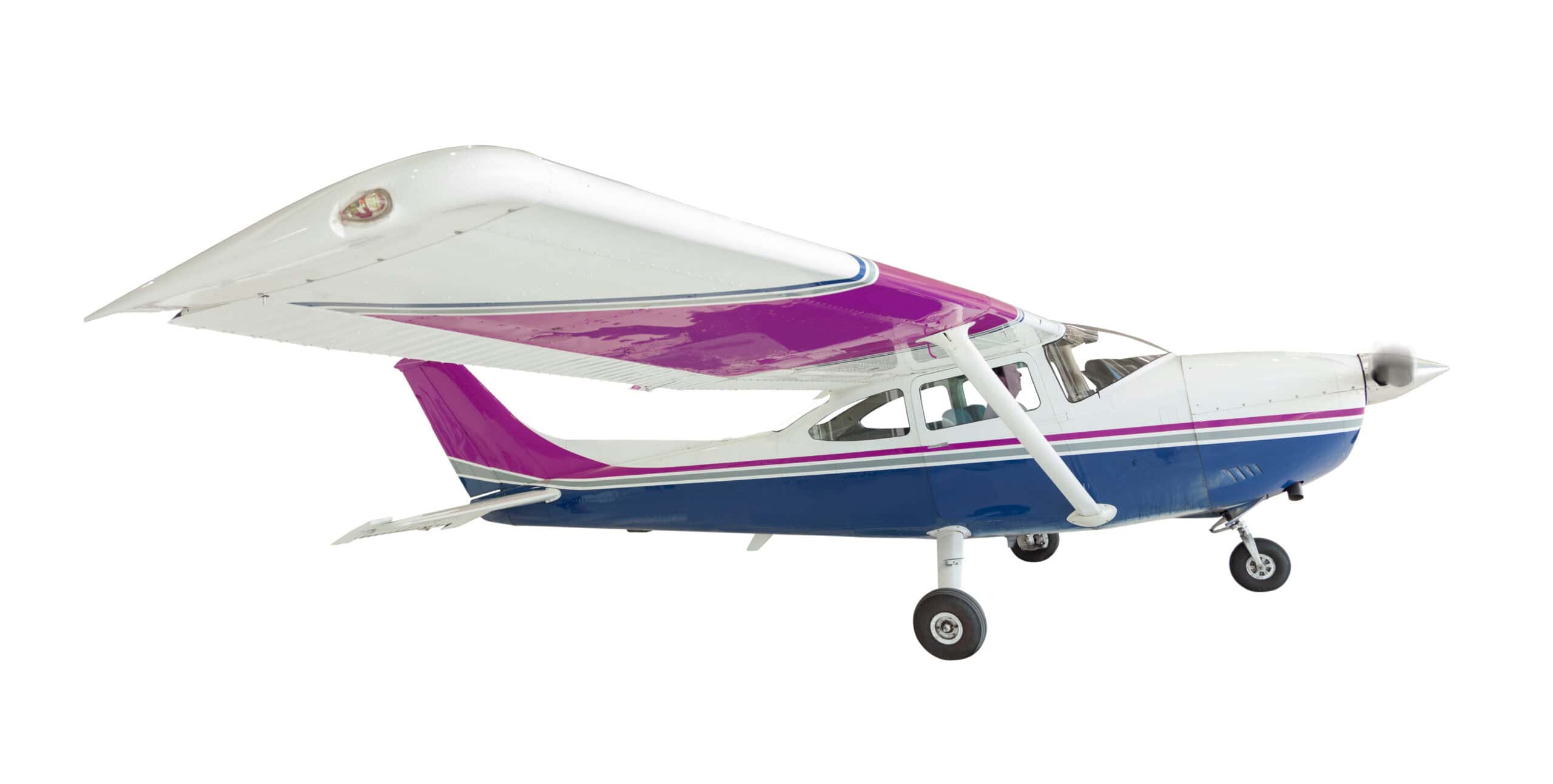
Paint refresh every 15-25 years is a normal part of aircraft ownership. Modern urethane paint systems last longer and look better than the older systems used decades ago.
Full strip and repaint costs $12,000 to $30,000 depending on aircraft size, complexity, and shop selected. The work takes 4-8 weeks for typical piston singles.
Color schemes and graphic packages affect resale value and personal satisfaction. Conservative color schemes typically resell better than aggressive custom designs. Custom designs satisfy owner preferences but limit the buyer pool when sale time comes.
Wing root fairings, gear leg fairings, and other aerodynamic refinements that were originally optional or unavailable can be added during paint work. Many owners combine paint with these aerodynamic improvements to maximize the value of the project.
Connectivity Upgrades for Modern Operations
The connectivity options for general aviation aircraft have expanded dramatically. Garmin Connext, Starlink Aviation, and various Iridium-based options each offer different price-performance trade-offs.
Garmin Connext provides moderate connectivity at modest cost — about $400 to $600 per year for the data plan with hardware costs of about $4,000 installed. The bandwidth supports text-based communications, weather updates, and basic database synchronization.
Starlink Aviation provides broadband-grade connectivity at significantly higher cost. Suitable for owners with specific connectivity needs justifying the $250 to $2,500 monthly subscription.
Iridium-based services occupy the middle market with global coverage and modest data rates. Costs typically run $200 to $600 per month with hardware in the $5,000 to $12,000 range.
Most owner-pilots find Garmin Connext or similar moderate connectivity sufficient for their actual operational needs. The premium services earn their cost only for specific mission profiles.
Backup and Emergency Equipment Upgrades
Backup instruments, emergency systems, and survival equipment are upgrades that hopefully you never need but always want. Modern equipment offers significant improvements over older options.
Backup attitude indicators with internal battery backup provide redundancy if the primary glass panel fails. Cost runs $2,000 to $4,000 installed.
Personal locator beacons and aviation-specific emergency communication devices like the Garmin inReach Mini offer dramatic improvements over the old ELT-only model. Cost runs $300 to $700 plus subscription fees.
Modern fire extinguishers, first aid supplies, and survival kits should be refreshed periodically. The total annual cost of maintaining current emergency equipment is modest compared to the value it provides if needed.
Cabin ballistic recovery parachutes for compatible aircraft (notably Cirrus and some others) provide a final-resort option that has saved many lives. Recurring inspection and pack costs apply.
Sequencing Multiple Upgrades
Owners considering multiple upgrades often face the question of sequencing. Doing them all at once costs more upfront but minimizes downtime. Spreading them out preserves cash flow but creates extended periods of disruption.
The right sequence usually starts with safety-critical items. ADS-B Out compliance, autopilot upgrades, and engine monitoring should generally come before cosmetic improvements like paint or interior. Safety pays back from day one; cosmetics pay back at sale time.
Avionics upgrades benefit from being done together. Wiring runs already exposed during one installation can support adjacent installations at marginal additional cost. Doing the GPS, audio panel, autopilot, and engine monitor work in a single shop visit often saves 20-30 percent compared to separate visits.
Paint and interior work pairs naturally. Both involve significant aircraft downtime and benefit from being done in the same shop visit. Many owners combine these projects every 15-20 years.
Engine and propeller upgrades should align with overhaul cycles when possible. Doing the upgrade work during a planned overhaul minimizes incremental downtime.
Working With Avionics Shops
The avionics shop you choose for upgrade work affects outcomes more than most owners realize. Shop quality varies enormously, and the cost of poor work can include unsafe installations, software issues, and warranty problems.
Look for shops with current factory training on the equipment you’re installing. Garmin, Dynon, and other manufacturers maintain training programs that update authorized installers as products evolve.
Verify the shop’s experience with your specific aircraft type. A shop that has installed the same equipment in 50 of your aircraft type does better work than a shop installing in your type for the first time.
Get fixed-price quotes when possible. Time-and-materials billing creates incentives that can work against owner interests. Fixed pricing aligns shop and owner interests on efficient completion.
Common Upgrade Mistakes Owners Make
Three patterns repeat across upgrade projects gone wrong. Avoid them and your upgrade experience improves dramatically.
Mistake one: choosing equipment based on price alone. The cheapest option in any category usually has reasons for being cheap. Buying mid-tier or top-tier equipment from established manufacturers typically pays back through reliability and resale value.
Mistake two: skipping the integration discussion. Modern aircraft systems integrate in complex ways. Equipment that works perfectly in isolation may conflict with other systems in your specific aircraft. Have the integration conversation before signing the work order.
Mistake three: deferring the testing and documentation phase. The shop that hands you the aircraft without thorough functional testing and complete documentation has handed you problems you’ll discover later. Insist on completion of testing protocols before accepting return delivery.
Resale Value Impact of Upgrades
Not all upgrades increase resale value equally. Understanding which ones add value and which don’t helps owners make better investment decisions.
Modern avionics and engine monitoring typically recover most of their cost at sale time. Buyers comparing two similar aircraft often pay a meaningful premium for the one with current avionics. The premium isn’t dollar-for-dollar but typically recovers 50-70 percent of upgrade cost.
Paint and interior renewal recover differently. Fresh paint and interior usually return more than 100 percent of cost at sale time because they affect first impressions so dramatically. The aircraft that shows well sells faster and at higher prices than the one that looks tired.
Performance modifications recover variably. STOL kits add value for buyers in markets that value short-field capability; less so for buyers focused on cross-country use. Engine upgrades typically recover most of their cost when properly documented.
Comfort and convenience upgrades like USB charging or modern interior lighting recover little of their cost but add to ownership satisfaction during the years before sale.
Financing Aircraft Upgrades
Major upgrade projects often exceed available cash reserves. Several financing options exist for owners who want to spread the cost over time.
Aircraft loan refinancing that bundles upgrade cost into the existing loan offers convenience and preserves working capital. Interest rates on aircraft loans typically run lower than personal loans or credit cards.
Manufacturer financing programs from companies like Garmin and others sometimes offer promotional rates for installations of their equipment. Worth asking about during the planning phase.
Home equity lines of credit provide flexible financing at modest rates for owners with available equity. The interest may be tax-deductible depending on circumstances.
Cash flow planning matters regardless of financing source. Major upgrades create temporary cash flow strain even when financed. Plan ahead so the project doesn’t crowd out other obligations.
Documentation and Logbook Best Practices
Upgrade documentation affects both safety and resale value. Proper logbook entries, STC documentation, and equipment manuals all support the aircraft for years after the work is complete.
Insist on complete documentation at completion. Missing logbook entries, incomplete STC paperwork, or absent equipment manuals create headaches that compound over time.
Store documentation in multiple formats. Cloud backups protect against loss. Physical copies stay with the aircraft. Both serve different purposes during ownership and at sale time.
Periodic review of documentation catches missing items while shop relationships remain active. Discovering missing documentation years later, after shops have closed or staff changed, makes resolution much harder.
Putting It All Together
The decisions covered in this guide affect ownership satisfaction and aircraft value over years and decades of use. Each individual decision matters less than the cumulative pattern of decisions made over time.
The owner who systematically thinks through major decisions, weighs costs against benefits, and prioritizes investments based on actual mission needs builds a flying experience that compounds in value year after year.
The owner who reacts to each decision in isolation, chases trends without analysis, or defers important decisions for short-term cost reasons accumulates problems that eventually constrain the value the aircraft can deliver.
Most active GA owner-pilots find the decision process becomes easier with experience. The first major investment teaches the most. Subsequent decisions benefit from the lessons learned through earlier ones.
For owners early in their ownership journey, building relationships with other owners, mechanics, and avionics shops in your region pays back through better information for every future decision. The flying community in most regions is small enough that real relationships are practical and valuable.
The aviation community is full of pilots happy to share lessons learned. The owner who actively seeks that input gains years of perspective in months of conversations. Hangar coffee, type club meetings, and regional fly-ins all support the connections that make better decisions possible.
For pilots actively engaged in aircraft ownership, the next 12 to 24 months will bring continued evolution in technology, regulation, and industry conditions. Staying connected with current information sources beats relying on dated assumptions.
The investment of time in staying current pays back through better outcomes on every subsequent decision the owner makes about their aircraft. Reading aviation media regularly, attending the occasional industry event, and staying connected with the broader pilot community all support the kind of informed decision-making that distinguishes successful long-term aircraft owners.
For pilots considering their next major upgrade or aircraft purchase, taking time to research thoroughly almost always produces better outcomes than reacting quickly to a perceived opportunity or pressure point.
The aircraft will continue to evolve through your ownership. Each upgrade cycle is an opportunity to refine the airplane to better serve your specific mission, build the relationships that support long-term ownership, and add to the value the airplane will deliver to its next owner whenever that day comes.
Frequently Asked Questions
Which upgrade gives the biggest safety improvement for typical owners?
A modern digital autopilot, particularly for IFR-capable aircraft. The reduction in single-pilot workload during demanding phases of flight measurably improves safety outcomes.
How do I know if an upgrade is worth the cost?
Calculate the annual amortized cost across your expected ownership period and divide by your annual flight hours. The per-hour cost helps you assess whether the capability gain justifies the price for your specific flying.
Should I upgrade or sell and buy something newer?
For most owners, strategic upgrades on a known aircraft beat trading into an unknown one. The cost of upgrading typically runs less than the depreciation hit and learning curve of switching to a different aircraft.
The E3 Aviation Editorial Team writes for owner-pilots, student pilots, and the small aircraft community. We focus on practical, real-world content that respects your time and your training. Learn more about E3 Aviation.
Last Updated: 2026-05-09