The benefits of learning to fly go far beyond getting a certificate and renting a Cessna. Earning a private pilot certificate changes how you think, how you make decisions, and what you believe you’re capable of. For thousands of general aviation pilots, the day they soloed was the day their world got bigger. At E3 Aviation Association, we’ve watched that transformation happen over and over. This article breaks down what flight training really gives you — and why so many pilots say it’s the best thing they ever did.
Last Updated: May 3, 2026 | By: The E3 Aviation Editorial Team
The Benefits of Learning to Fly: More Than Just a License
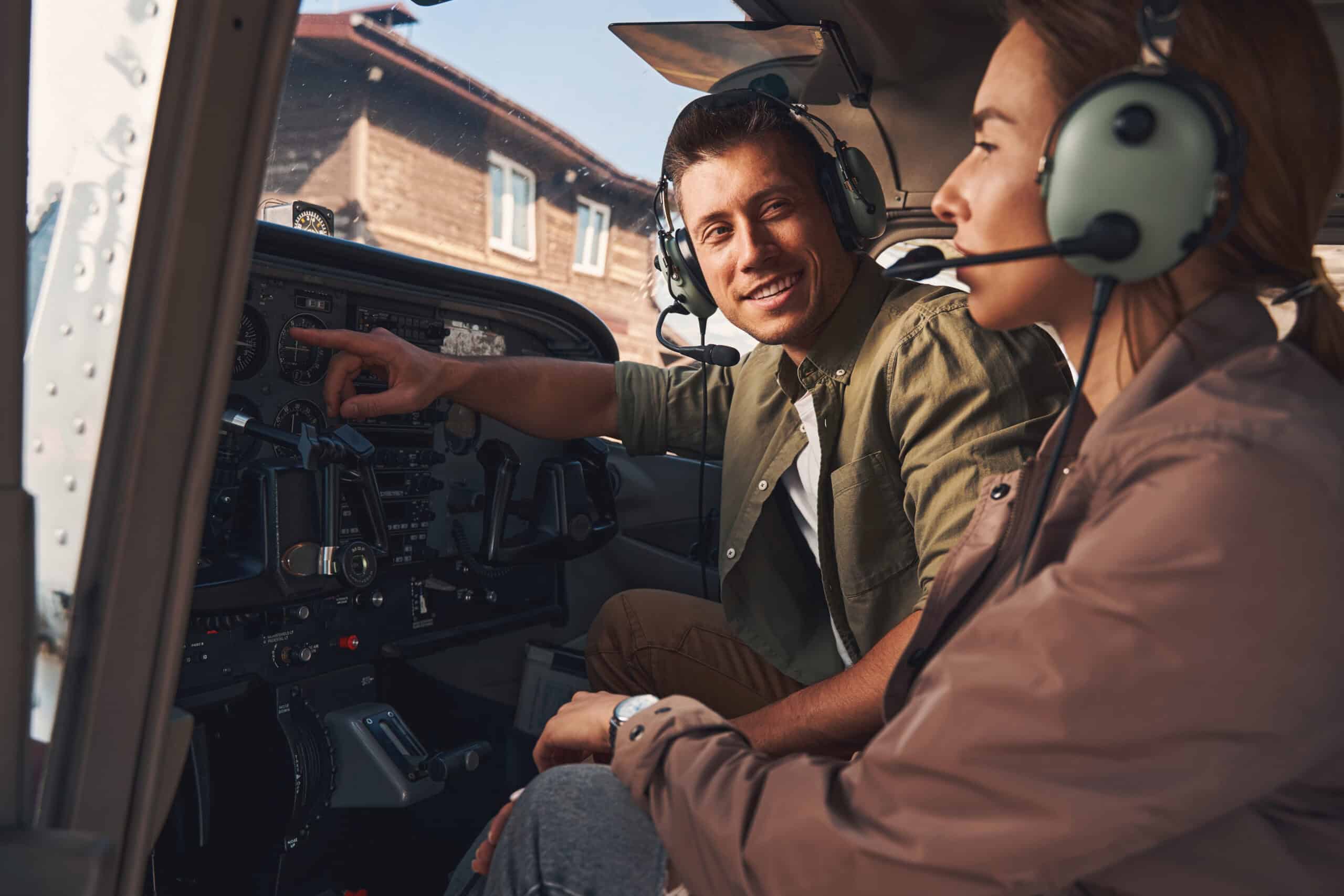
Most people start flight training thinking about the destination. They picture themselves flying to a mountain getaway or skipping the airport security lines. Those things are real. But the benefits of learning to fly run much deeper than transportation.
Flight training is one of the most demanding mental disciplines you can take on as an adult. You’re learning aerodynamics, weather, navigation, regulations, and aircraft systems — simultaneously. You’re also making rapid decisions under pressure, often alone in the cockpit. That process reshapes how your brain works.
Essentially, becoming a pilot makes you more capable. Not just in aviation, but in life. Here’s why.
You Develop Real Decision-Making Skills Under Pressure
Aviation demands good judgment. Every flight requires dozens of small decisions: Is the weather good enough? Is fuel adequate? Is this approach stabilized? Should I divert?
Initially, these decisions feel overwhelming. After a hundred hours, they become instinct. The FAA’s Aeronautical Decision Making (ADM) framework — taught in every private pilot course — gives you a structured way to evaluate risks, weigh options, and commit to a course of action. According to the FAA, ADM training reduces pilot error and improves safety outcomes across all experience levels.
Why Good Pilots Make Better Leaders
The same framework works in a boardroom, on a job site, or managing a family emergency. Pilots learn to separate emotion from analysis. They learn to gather information quickly, identify the most critical variable, and act decisively. Consequently, many employers in high-stakes fields — surgery, military, emergency services — actively recruit pilots because of the decision-making habits flight training builds.
Additionally, pilots develop a strong safety culture. You learn that cutting corners kills people. That awareness of consequence makes you methodical and careful in everything you do. It’s one of the most underrated benefits of learning to fly.
Flight Training Builds Confidence That Sticks
There’s a specific moment in every pilot’s training that changes them. It’s the first solo flight. Your instructor climbs out of the plane, closes the door, and walks away. You taxi to the runway alone. You take off. And you realize — you can do this.
That experience is hard to replicate anywhere else. Many pilots describe it as the most terrifying and empowering moment of their lives. Furthermore, the confidence it builds isn’t a temporary boost. It’s the kind that comes from doing something genuinely hard.
Confidence That Comes From Real Competence
Flight training doesn’t just tell you that you’re capable — it proves it. You demonstrate cross-country navigation. You execute emergency procedures. You land a complex aircraft in changing conditions. Each checkride completion is evidence of real ability.
For many students, this is a breakthrough. Adults who have felt stuck in careers or life situations often describe flight training as the thing that showed them what they could achieve when they committed to a hard goal. The certificate isn’t just a piece of paper. It’s proof.

You Gain Access to an Entire World of Freedom and Travel
The practical benefits of learning to fly are significant. The U.S. has over 5,000 public-use airports. Most of them sit empty on any given morning, waiting for a pilot who wants to skip the airline terminal and fly direct.
Consider a trip from Denver to a mountain town. By car, it’s two hours — if traffic cooperates. By commercial airline, you’d drive to DEN, arrive two hours early, connect through a hub, and arrive exhausted. By general aviation aircraft, you depart from a nearby regional airport, climb above the terrain, and land at a strip ten minutes from your destination. Total time: under an hour.
Flying Opens Places That Roads Don’t Reach
Backcountry strips in Idaho. Remote fishing lakes in Alaska. Mountain resort towns in Colorado. These places are either inaccessible by car or take most of a day to reach. For a pilot, they’re a short flight away on a Saturday morning.
Moreover, a private pilot certificate removes a ceiling on where your life can go. Many pilots build businesses around their aircraft. Some use it to commute between homes. Others fly medical missions or volunteer with disaster relief programs. The certificate opens a door, and you decide how far to walk through it.
For more on how to start that journey, read our guide on how to become a pilot.
The Mental Sharpness That Flight Training Demands
Flying keeps your brain active in a way most activities don’t. You’re managing radio communications, scanning for traffic, cross-checking instruments, and navigating — often at the same time. Aviation medicine researchers have studied cockpit workload for decades. The FAA’s medical certification standards reflect how demanding the mental task of piloting actually is.
In fact, many flight students report improvements in focus and working memory after completing training. The practice of dividing attention efficiently — a core skill in flying — transfers directly to academic work, professional performance, and everyday multitasking.
Additionally, maintaining proficiency requires regular study. Pilots track regulatory changes, review procedures, and stay current on weather theory throughout their flying careers. That ongoing commitment to learning keeps the mind engaged long after the initial certificate is earned.
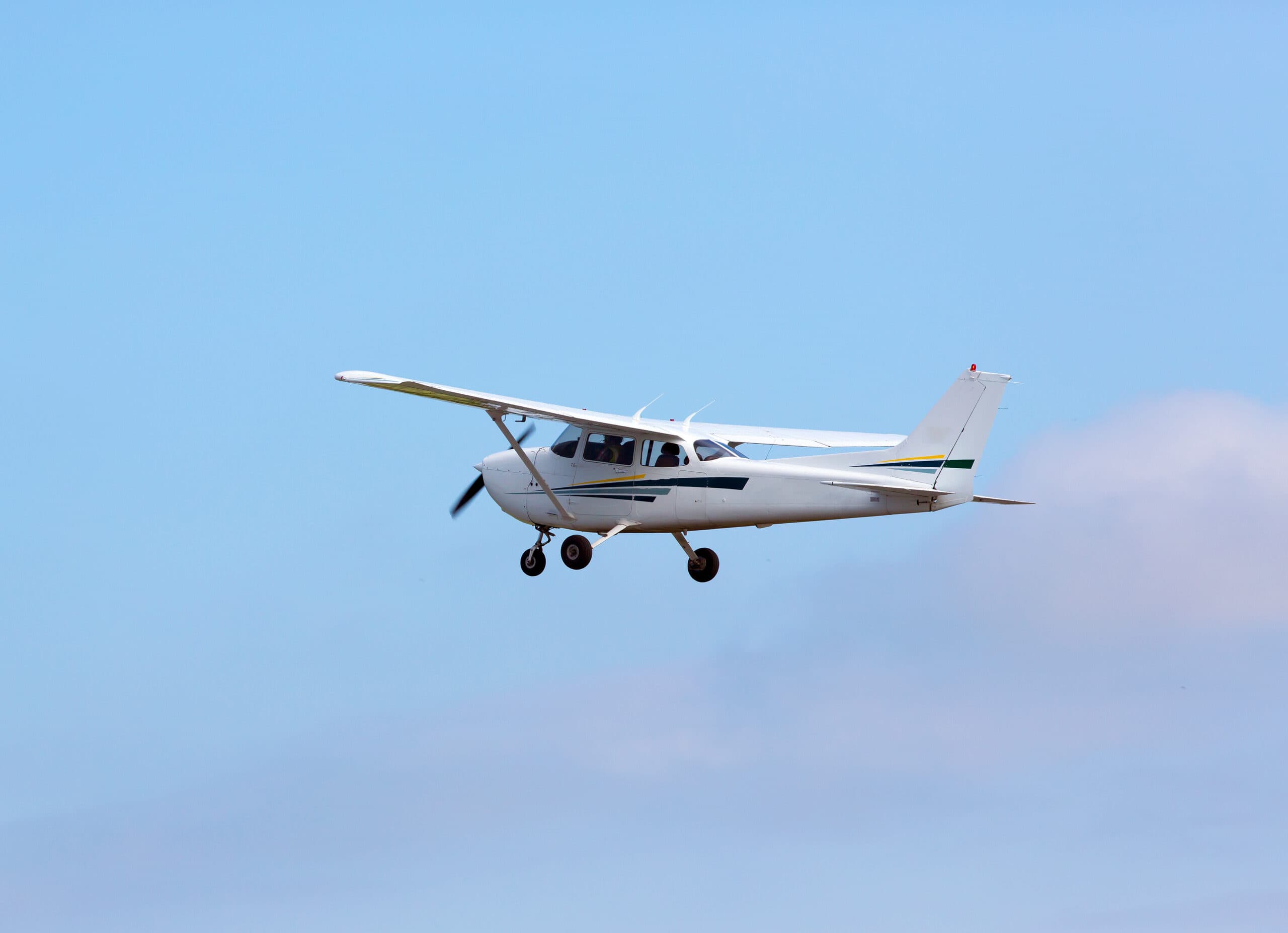
A Community That Welcomes You
General aviation has one of the most tight-knit communities in any hobby or profession. Walk onto any GA ramp and introduce yourself as a student pilot. Within minutes, you’ll have three offers of hangar tours, one invitation to fly right seat, and at least one pilot who wants to tell you about the time they got lost over Kansas in 1987.
Pilots look out for each other. The culture of safety, mentorship, and shared passion is genuine. Organizations like E3 Aviation exist specifically to strengthen that community — providing education, resources, and connection for pilots at every stage.
Furthermore, the social benefits of learning to fly extend to your existing relationships. Flying gives you something remarkable to share. Offering a friend their first small-plane flight is a gift they won’t forget. Many pilots describe it as one of the most consistent ways they’ve made lasting memories with people they care about.
Finding Your Tribe in the Aviation Community
Airport communities tend to be welcoming and unpretentious. You’ll find retired military pilots, weekend warriors, professional instructors, and first-gen fliers all sharing the same ramp. What unites them is the love of flight — and the shared experience of having done something hard to earn the right to be there.
To find the right instructor and get your training started on the right foot, read our guide on how to choose a flight instructor.
The Discipline and Work Ethic Flight Training Builds
Learning to fly is not quick or easy. Most students take 60–80 hours to reach private pilot standards, and the ground school curriculum covers weather, regulations, navigation, aerodynamics, and systems in real depth. You can’t fake your way through a checkride.
That rigor is part of the value. Students who complete flight training learn what it means to study hard, practice under pressure, and perform on demand. Specifically, the oral examination portion of the checkride tests knowledge depth, not memorized answers. You have to understand the material, not just recall it.
Our take: Flight training is genuinely hard. Most adult learners haven’t been tested like this in years. That challenge — and the discipline it demands — is a big part of why completing it feels so significant. We hear from new pilots constantly that it changed how they approach everything else they want to learn.
According to Flying Magazine, one of the most common student pilot mistakes is inconsistent training schedules. Flying once a week instead of two to three times creates a forgetting curve that extends training time and cost. Students who treat training like a job — showing up consistently, studying between sessions — finish faster, spend less, and develop stronger habits.
Health, Wellness, and the Psychological Benefits of Flight
There is something meditative about flying. Pilots frequently describe time in the cockpit as their clearest thinking time — when the noise of daily life drops away and the task at hand demands full presence. That state of focused engagement has real mental health value.
Research in aviation psychology supports this. Pilots report lower rates of anxiety in structured decision-making environments and higher satisfaction in their professional and personal lives compared to matched controls. The AVweb community has documented countless accounts of pilots who turned to aviation during difficult life periods and found it transformative.
Furthermore, flying gives you something to look forward to. That might sound simple, but it matters. A hobby that demands your full attention and rewards competence with freedom is hard to find. For many pilots, a weekend flight is the highlight of their week — not as escapism, but as genuine engagement with something they love.

Career Paths That Open With a Pilot Certificate
Even if you don’t plan to fly professionally, a private pilot certificate can affect your career in unexpected ways. Many flight departments, aviation companies, and aerospace employers prefer candidates with real flying experience. Understanding aviation from the cockpit gives you credibility that a simulator or textbook doesn’t.
Additionally, the private certificate is the foundation for advanced ratings. Instrument, commercial, multi-engine, CFI — each builds on the last. Pilots who start with private training and add ratings over time can reach airline minimums, charter operations, or instructing roles. The private certificate isn’t a ceiling. It’s a starting point.
To understand more about what the journey looks like, including how GA performance affects your training options, read our article on GA aircraft takeoff performance.
What to Expect From the Training Process
Understanding what flight training actually looks like helps set realistic expectations — and reduces the dropout rate that plagues the industry.
Training typically involves three phases. First, you build basic stick-and-rudder skills: takeoffs, landings, slow flight, stalls. Second, you expand to cross-country navigation and solo flights. Third, you polish your weak areas and prepare for the checkride.
Costs vary by location and aircraft type. Most students spend between $10,000 and $15,000 to reach the private certificate. That’s real money — but spread over a year of weekend flying, it’s comparable to many other serious hobbies. Financing options, including flying clubs and leaseback arrangements, can reduce out-of-pocket costs significantly.
We’ll be straight with you: most students underestimate how long it takes. Plan for 12–18 months of consistent effort if you’re training part-time. Set that expectation early and the process feels manageable. Rush it, skip sessions, or wait months between lessons, and you’ll spend more and enjoy it less.
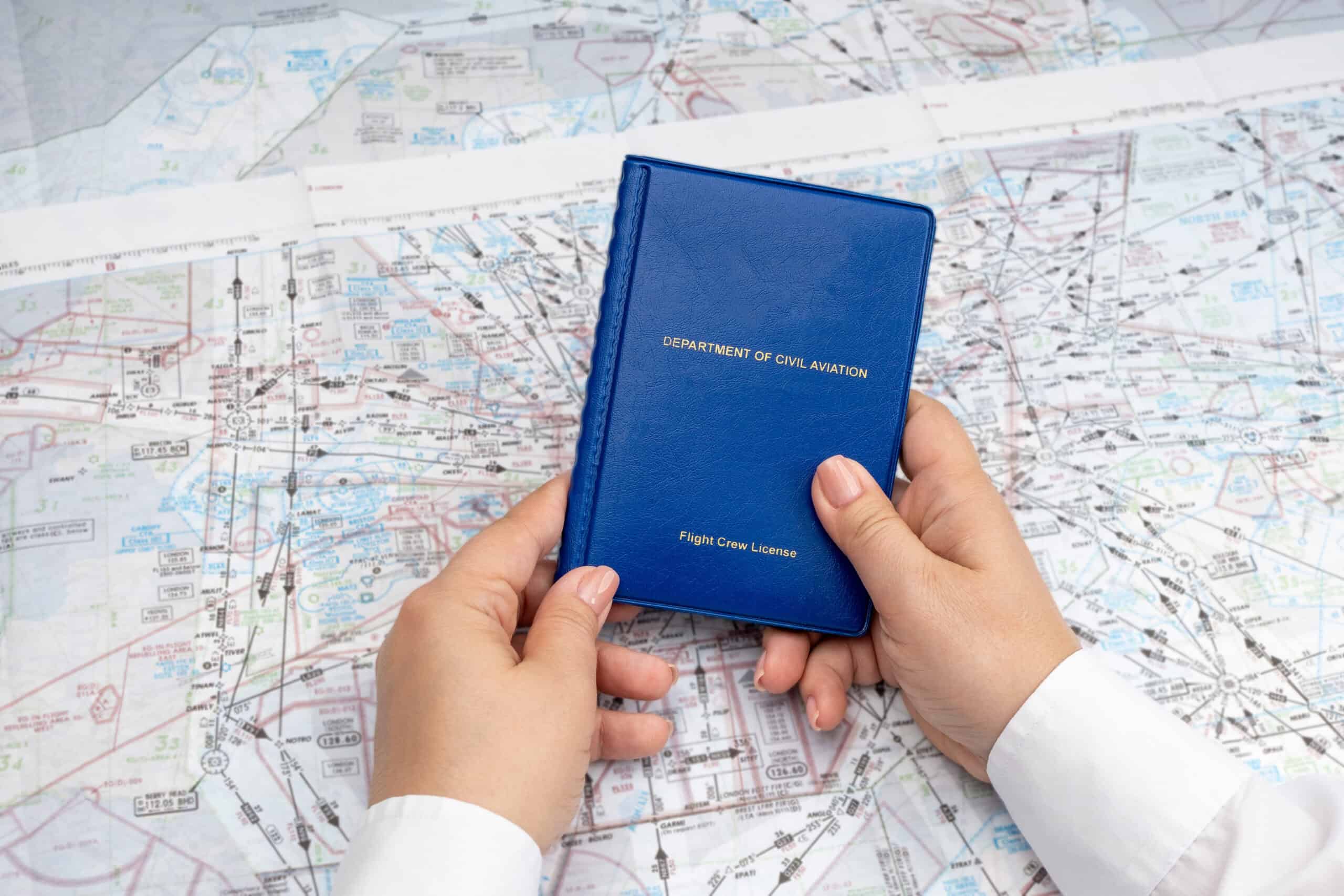
Is Learning to Fly Worth It?
The honest answer is: it depends on what you want from it. If you’re looking for the cheapest way to get from city to city, general aviation isn’t it. If you want to build a skill that changes how you think, opens the world to you, and connects you to a community of remarkable people — flight training is hard to beat.
Notably, very few pilots regret learning to fly. The certificates hang on walls for decades. The logbooks fill up. The stories accumulate. And for many, the first solo flight remains the most vividly remembered achievement of their adult lives.
The benefits of learning to fly are real, lasting, and often surprising. The best way to understand them is to book a discovery flight and find out for yourself. Visit E3 Aviation for resources, community, and guidance at every stage of your aviation journey.
Frequently Asked Questions
How long does it take to earn a private pilot certificate?
Most students take 12–18 months of part-time training to earn a private pilot certificate. The FAA requires a minimum of 40 flight hours, but the national average is closer to 60–70 hours. Consistency matters most — students who fly two to three times per week progress faster and spend less overall than those who fly sporadically.
What are the real costs of learning to fly in 2025?
Total costs for a private pilot certificate typically range from $10,000 to $15,000 in the U.S. That includes instructor fees, aircraft rental, written exam prep, and checkride fees. Joining a flying club or training in a less expensive aircraft like a Cessna 150 can reduce costs meaningfully without sacrificing quality.
Can learning to fly really help my career outside of aviation?
Yes — and more than most people expect. Flight training builds decision-making frameworks, risk assessment skills, and the ability to perform under pressure. Many employers in healthcare, finance, military, and emergency services actively value candidates with pilot certificates because of the mindset and discipline flight training develops.
E3 Aviation Editorial Team
The E3 Aviation Association editorial team is made up of licensed pilots, aviation educators, and industry professionals dedicated to advancing general aviation safety, community, and education. Learn more about E3 Aviation.