Learning to fly after 60 used to be a quiet rarity. Now it’s one of the fastest-growing segments in general aviation. We see retired professionals, business owners, and second-career-ready students stepping into flight schools every week with the same goal — earn the private pilot certificate and start flying for real. The barriers that kept older students out of cockpits in the 1990s and 2000s have largely gone away.
This guide is for adults considering flight training later in life. It covers the medical question first because that’s where most people get stuck. Then it walks through training paths, costs, time commitments, and what an older student should expect from the experience. The realistic answer to “can I still learn to fly?” is yes — and the path is clearer than ever.
Why Learning to Fly After 60 Works
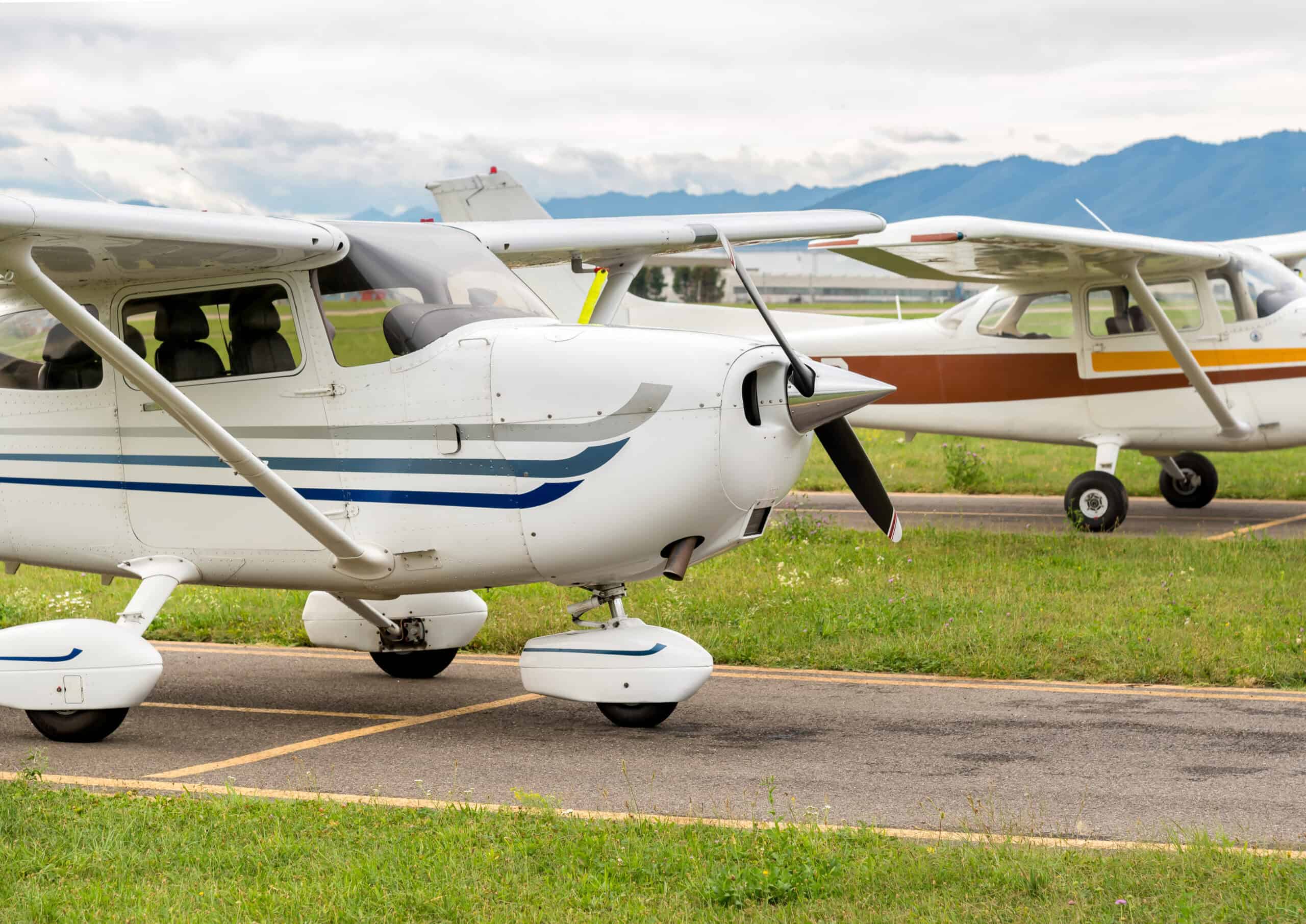
The case for learning to fly later in life is stronger than the case for younger students in some respects. Older students bring four things to training that younger students often lack.
First, focus. A 65-year-old retired professional showing up to a flight school for a Tuesday morning lesson is there to fly. There’s no part-time job, no school schedule, no roommate drama. The attention is on the airplane.
Second, money. Flight training in 2026 costs $14,000-$22,000 for the private certificate depending on location and aircraft. That’s not pocket change for anyone, but it’s manageable for someone with retirement savings and clear priorities. Younger students are often financing training around tuition and rent. Older students typically aren’t.
Third, decision-making experience. Aviation rewards mature judgment more than physical reflexes. An older student who has run a business, raised a family, or led a team brings decades of risk-assessment practice to the cockpit. Those skills transfer directly to flying.
Fourth, motivation. Learning to fly later in life is usually a long-held dream finally being acted on. The intrinsic motivation is high. That keeps students engaged through the slow phases of training when younger students sometimes lose interest.
The Medical Question: BasicMed vs. Third Class
The biggest single change for older student pilots in the last decade is BasicMed. Before BasicMed was authorized, every GA pilot needed a third class medical from an FAA aviation medical examiner. Now, most GA pilots can use BasicMed, which is administered by any state-licensed physician who completes the required FAA training.
What BasicMed Lets You Do
BasicMed allows you to fly aircraft up to 12,500 pounds gross weight, up to 18,000 feet MSL, at speeds up to 250 knots indicated airspeed, with up to five passengers, on flights within the United States. That covers virtually any GA flying an owner-pilot would do — a Cessna 172, a Cirrus SR22, a Bonanza, a Piper Saratoga, even a King Air at the higher end.
The requirements are: one FAA third class medical at some point in your aviation history (which can be from years ago), a current physical exam by any state-licensed doctor every four years, and an online aeromedical course every two years. The total cost is dramatically lower than maintaining a third class medical, and there’s no aviation-specific scrutiny on your records.
When You Still Need a Third Class
You still need a third class medical for the initial certificate — most older students get one to start their training. After the initial third class, you can transition to BasicMed and stay there for the rest of your flying career as long as you meet the BasicMed conditions.
If you have a specific medical history that includes conditions the FAA scrutinizes — cardiovascular events, certain medications, sleep apnea history — work with an aviation medical examiner before starting training. The AME can tell you what’s likely to require special issuance and what’s straightforward. Don’t guess.
Training Paths for Older Student Pilots
The two main training paths are Part 61 and Part 141. Each has trade-offs. For older students, Part 61 is usually the better fit.
Part 61 Flight Training
Part 61 is the flexible path. You work with an independent CFI, fly at your own pace, and complete the required experience and training items in any order that makes sense. The minimum requirement is 40 hours total time, though most students take 60-80 hours to reach the practical test standard.
For older students, Part 61 works well because it fits around the rest of life. You can fly two or three times a week without committing to a school schedule. You can take winter breaks if you live somewhere with bad weather. You can choose your instructor and aircraft based on personal fit rather than school availability.
Part 141 Flight Training
Part 141 is the structured path. The school operates under an FAA-approved training course outline. The minimum hours are lower — 35 hours total time at a Part 141 school — but the structure is rigid. You follow the syllabus in order. You fly with the school’s instructors and the school’s aircraft. Some schools require minimum frequency, like three flights per week.
For older students with deep aviation interest who want to move quickly, Part 141 can work. The structured approach gets you through the certificate faster if you can commit to the schedule. The trade-off is less flexibility and often a higher hourly rate.
What to Expect in the Cockpit at 60+

Flight training challenges the body and mind in specific ways. Older students should plan for the physical realities while leveraging the mental advantages.
Physical Considerations
The Cessna 172 cabin is not designed for adult comfort over long lessons. After 90 minutes in the cockpit, most students of any age get fatigued. For older students, that fatigue can come faster. Plan shorter, more frequent lessons. Two 60-minute lessons per week is often better than one 2-hour lesson every two weeks.
Pay attention to your vision. Most older pilots wear progressive lenses or bifocals. In the cockpit, the focus points are constantly changing — close to the panel, mid-distance to the windshield, far to the horizon and traffic. Some pilots find dedicated aviation glasses or pilot-specific contact lens prescriptions help significantly. Talk to your eye doctor about it before training starts.
Hearing matters. Aircraft cabins are loud. A good aviation headset with active noise reduction is not optional for older students. Bose, Lightspeed, and Clarity Aloft all make excellent options. Budget $700-$1,200 for a quality headset. Cheap headsets cause hearing fatigue, missed radio calls, and slower learning.
Mental Considerations
The good news. Flying is mostly a mental skill. The physical actions are relatively simple — most flight maneuvers require less hand strength and dexterity than driving a stick-shift car. The challenge is information processing under workload.
Older students often struggle initially with rapid information processing. The radios feel fast. The pattern feels chaotic. The instruments seem to demand attention everywhere at once. This is normal. The fix is repetition and exposure. After 30-40 flight hours, most students of any age have developed the scan and the mental model to handle a normal pattern operation.
Where older students often excel is decision-making under stress. When a crosswind landing goes sideways or a radio call gets confused, the older student usually responds with steadier judgment than a 20-year-old. The instructors notice it.
Common Concerns and Real-World Answers
“Am I too old?” If your doctor will sign off on a third class or BasicMed, no. We have seen students earn the private pilot certificate in their 70s. The certificate has no upper age limit.
“Will I be safe?” Statistics show that age is not the primary factor in GA accidents. Decision-making, currency, and training are the drivers. An older pilot who flies regularly, trains often, and makes conservative decisions is a safe pilot at any age.
“How long will it take?” Plan for 9-15 months from first lesson to checkride if you can fly twice a week. Plan for 18-24 months if you can only fly weekly. The total time depends on your weather, your instructor’s availability, and your personal pace.
“What aircraft should I learn in?” The Cessna 172 is still the standard for good reasons — forgiving, reliable, well-supported by flight schools. Some students learn in a Piper Cherokee or Diamond DA20 with equal success. Pick the aircraft your local school operates well — the airplane matters less than the quality of instruction.
After the Checkride: What Comes Next
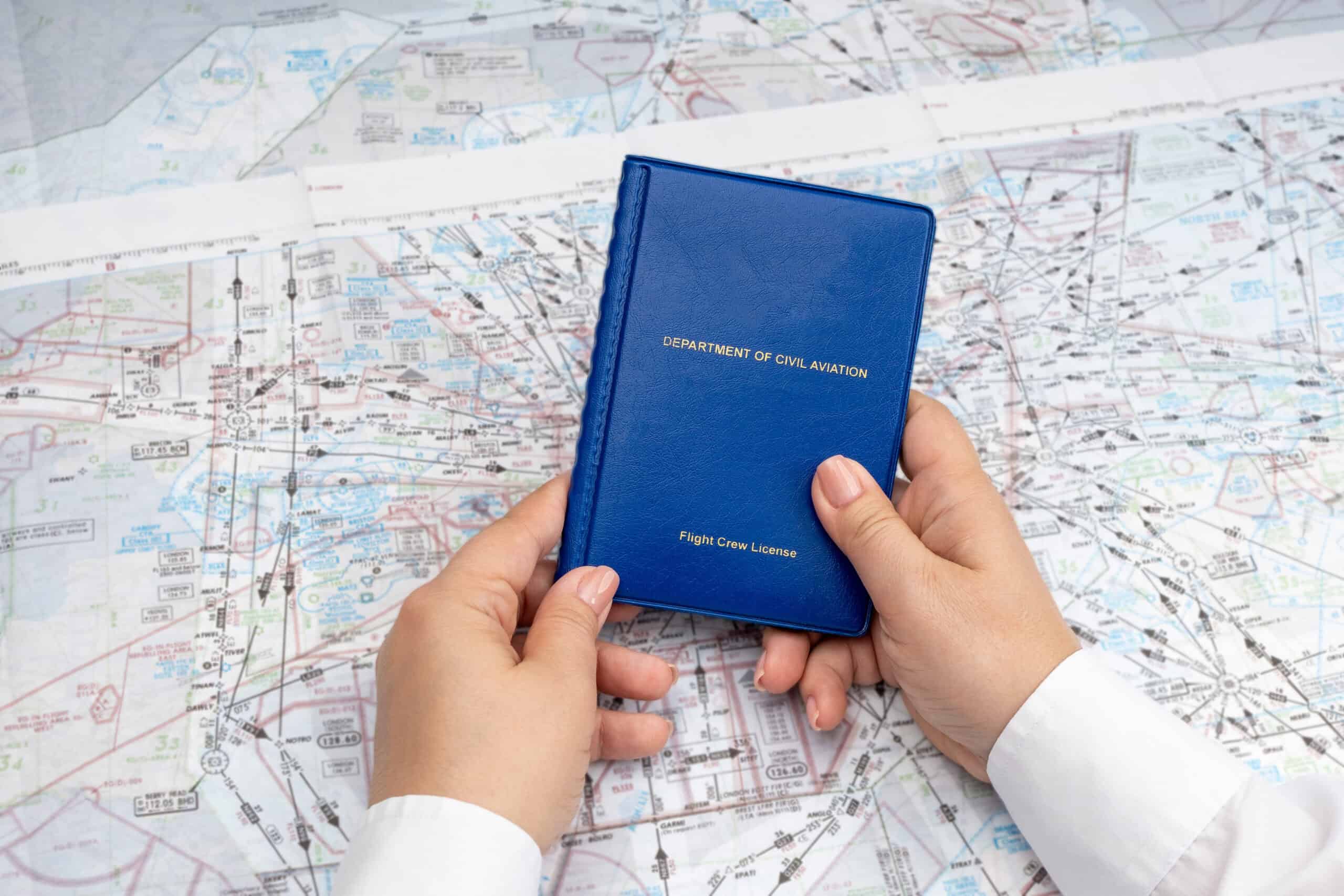
Earning the private pilot certificate is the start, not the destination. Older pilots who pass the checkride and then stop training often lose currency within months. The key to staying safe and engaged is to keep flying with purpose.
Consider the instrument rating within 12-18 months of the private. The instrument rating opens cross-country flying in real weather and dramatically expands what aviation can do for you. The training is intensive but rewarding, and the skills make you a safer pilot in any conditions.
Join a flying club or get involved with a local type club. The social aspect of GA is one of its best parts. Older pilots who fly alone tend to fly less. Pilots who are part of a community — a club, a hangar group, a regular flying buddy — fly more, train more, and stay safer longer.
Plan trips with purpose. The certificate is a tool. Use it to visit family, attend events, support charity work like Angel Flight or pilots N paws, or simply to see places that are awkward by car. The flying is the reward and the motivation.
Older Student Success Stories and What Sets Them Apart
The pilots who succeed as older students share specific habits. We’ve seen the patterns repeatedly at flight schools and in the broader GA community.
They commit to a schedule. Once a week is the minimum cadence for retention. Twice a week is much better. The older student who flies inconsistently — three lessons in March, none in April, two in May — tends to forget more than they learn. The student who flies every Tuesday and Friday morning makes steady progress.
They study at home. The aviation books are dense. The FAA Pilot’s Handbook of Aeronautical Knowledge is 500+ pages. The Airplane Flying Handbook is another 250+. The systems manual for the training aircraft adds more. Successful older students read consistently between lessons. They show up to each flight already knowing what the lesson will cover.
They use technology effectively. Modern training resources include video courses (Sporty’s, King Schools, Gleim), online ground schools, and simulator software like Microsoft Flight Simulator or X-Plane. Older students who supplement their flight lessons with structured home study reach the checkride faster and with better knowledge.
They build relationships at the airport. Successful students become part of the local airport community. They show up to pilot lunches, hangar gatherings, and local pilot meetups. The relationships with other pilots provide motivation, knowledge transfer, and accountability that solo students lack.
Resources Specifically for Older Student Pilots
Several organizations and programs serve older student pilots specifically. The resources have grown significantly in the past five years as the demographic has expanded.
The FAA’s General Aviation Pilots Award Program offers structured recognition for new private pilots and ongoing certification. The WINGS program provides continuing education credits that complement initial training and keep older pilots engaged in learning beyond the certificate.
Type-specific organizations like the Cessna Pilots Association, the American Bonanza Society, and the Cirrus Owners and Pilots Association run training events specifically for newer owners. Many older students who buy their first aircraft after the private certificate find these events accelerate their transition into ownership.
Flight schools focused on older students have emerged in the past few years. These schools tailor their training pace, schedule, and instructor selection for adult learners. Some require longer initial briefings and de-briefings. Some include explicit study planning and personal pacing. Look for schools that explicitly advertise to adult learners or that have instructors with experience teaching mature students.
Online communities like PilotEdge and various GA Facebook groups provide forums where older students can ask questions, share progress, and connect with peers facing similar challenges. The community aspect helps when family or friends don’t share the aviation interest.
Frequently Asked Questions
What’s the oldest age someone can earn a private pilot certificate?
There is no FAA upper age limit on the private pilot certificate. The only requirement is medical fitness. We have seen students earn the certificate in their 70s and even 80s. The medical question is the gating factor, not the age. If your doctor will sign a third class medical or BasicMed certification, the FAA will issue the certificate.
How much does it cost to learn to fly after 60 in 2026?
Total cost for the private pilot certificate runs $14,000-$22,000 depending on location, aircraft, and how many hours it takes you. The variables are aircraft rental rate ($150-$220/hour for a Cessna 172), instructor rate ($75-$120/hour), exam fees, books and materials, and a quality headset. Plan for 60-80 hours of training time total.
Can I fly with BasicMed if I’m just starting flight training?
Not initially. To use BasicMed, you must hold or have held a valid FAA medical at some point. Most older students get a third class medical to start training, then transition to BasicMed after they have the certificate. The third class medical is straightforward for most healthy adults and is good for two or three years depending on your age at issuance.
Related Articles
Last Updated: May 19, 2026