Inadvertent IMC is the single most dangerous situation a VFR pilot can face. The data from the NTSB has been consistent for decades — a VFR-only pilot who flies into instrument meteorological conditions has an average life expectancy of 178 seconds. That number is from older studies, and the real survival rate is somewhat better with modern training, but the underlying problem hasn’t changed. Without the right training and the right immediate actions, an unintentional encounter with clouds turns fatal fast.
This guide is written for GA pilots who fly VFR. We cover what inadvertent IMC actually looks like, why it kills, what to do in the first 30 seconds, and what training stops it from happening again. The goal is not to scare you. It’s to give you the playbook before you need it.
What Inadvertent IMC Really Means
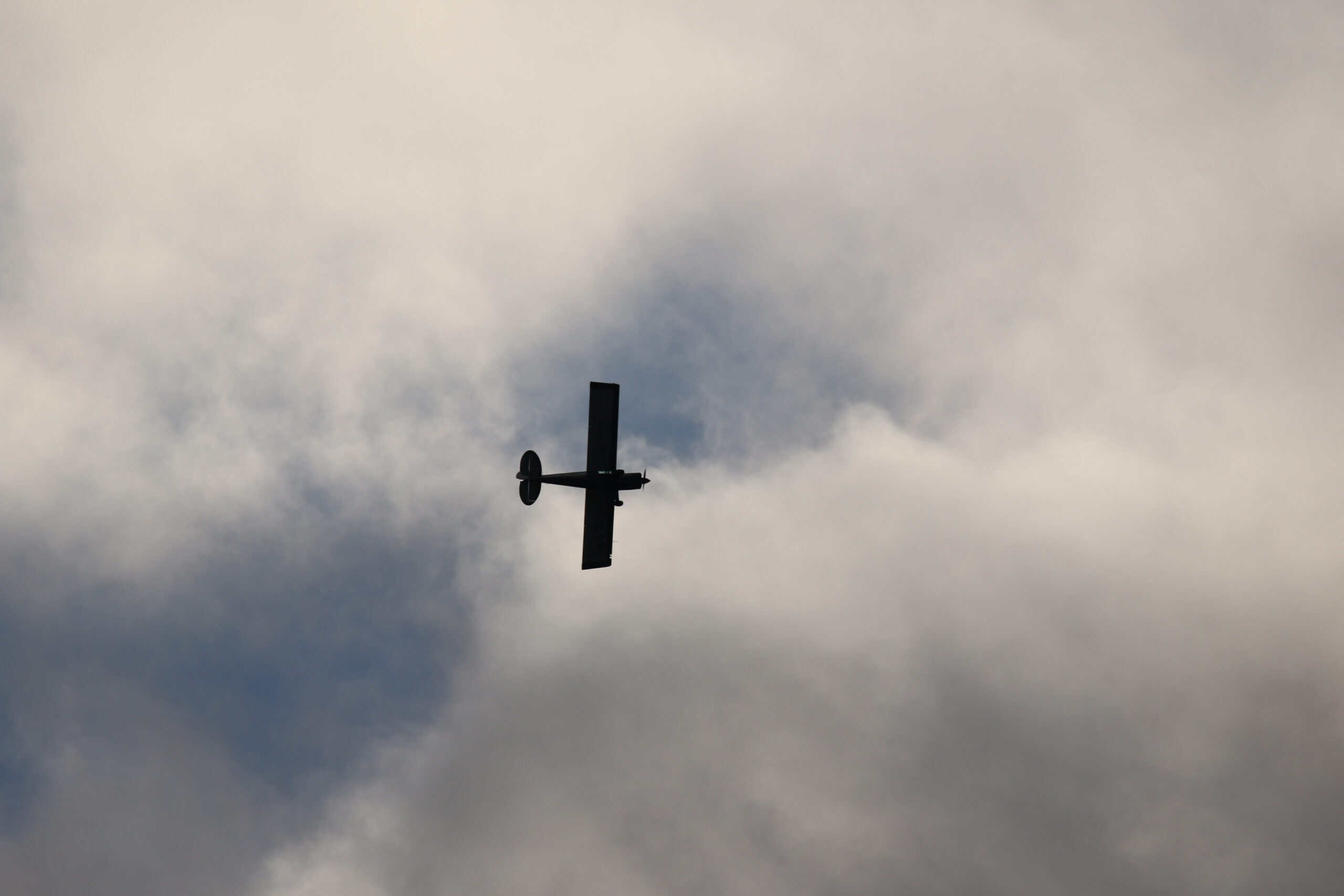
Inadvertent IMC happens when a pilot operating under visual flight rules unintentionally enters instrument meteorological conditions. The official boundary is one-mile visibility and any cloud contact, but the practical reality is fuzzier. You can be technically VFR with five miles of visibility and still find yourself disoriented because the horizon disappears into haze.
The most common scenarios are these. A VFR pilot continuing flight into deteriorating weather and finding visibility drops below safe limits. A pilot scud-running below a lowering ceiling who suddenly enters a cloud. A pilot caught in a snow shower or rain band that reduces visibility to inside the airframe. A pilot above a deck of clouds that closes underneath, removing ground reference. Each of these requires the same immediate response — and the response is not “press on and hope for the best.”
Why Inadvertent IMC Kills VFR Pilots So Quickly
The killer is spatial disorientation. The human inner ear and proprioceptive senses lie to us when we lose visual reference. A pilot in a turn that develops slowly will perceive the turn as level flight. When the pilot rolls back to wings-level using inner-ear cues, the airplane is now in a banked turn in the opposite direction. The pilot corrects again. The bank steepens. Altitude is lost.
This is the graveyard spiral. It starts with a gentle, unrecognized turn. It develops into a steep descending spiral. Without instrument training, the pilot cannot break out of the cycle because every correction based on physical sensation makes the situation worse. Modern airplanes with autopilots can mask this for a while, but the autopilot can’t navigate the pilot out of clouds and back to VFR conditions.
The second killer is decision paralysis. A VFR pilot who finds themselves in IMC often hesitates, hoping the conditions will improve. The hesitation costs altitude, costs options, and lets the spatial disorientation develop. Every second of delay reduces the chances of recovery.
The 30-Second Response to Inadvertent IMC
The immediate actions for inadvertent IMC are the same regardless of airplane type or pilot experience. Memorize this sequence. Practice it under the hood with a CFII. Recite it before every flight in marginal weather.
1. Wings Level on the Attitude Indicator (5 seconds)
The first action is to fix the airplane’s attitude. Look at the attitude indicator. Get the wings level. Hold a pitch attitude that gives you the cruise climb performance you flew in with — typically 5-7 degrees nose up for most light singles. Hold this attitude on the instruments only. Ignore everything your inner ear is telling you.
2. Set Power and Trim (5 seconds)
Adjust power to cruise climb setting. Trim to relieve control pressures. The airplane should be in a stable climbing attitude with no inputs needed from you. This frees your attention for navigation.
3. 180-Degree Turn Back to VFR (10 seconds)
Use the heading indicator or DG. Establish a standard rate turn (one needle width on the turn coordinator). Hold the bank using attitude indicator reference. The 180-degree turn takes one minute at standard rate. You came from VFR conditions. A precise 180 takes you back to them.
Important: do not change altitude during the turn. Altitude changes complicate the picture and can develop into a spiral if you lose attitude control. Hold pitch and heading. Once the turn is complete, you should see brighter conditions ahead.
4. Declare an Emergency (10 seconds)
Tune 121.5 if you’re not already on a frequency. Squawk 7700 if you have radar coverage. State clearly: “Mayday, mayday, mayday. (Aircraft type and N-number). VFR pilot in IMC at (altitude). Request immediate radar vectors to nearest VFR conditions.”
The FAA does not punish pilots who declare emergencies in inadvertent IMC. The reverse is true — ATC will provide whatever assistance is needed. You will get vectors, altitude, and assistance until you’re back in VFR conditions. The paperwork after is minor. The alternative is not.
Training That Prevents Inadvertent IMC From Killing You
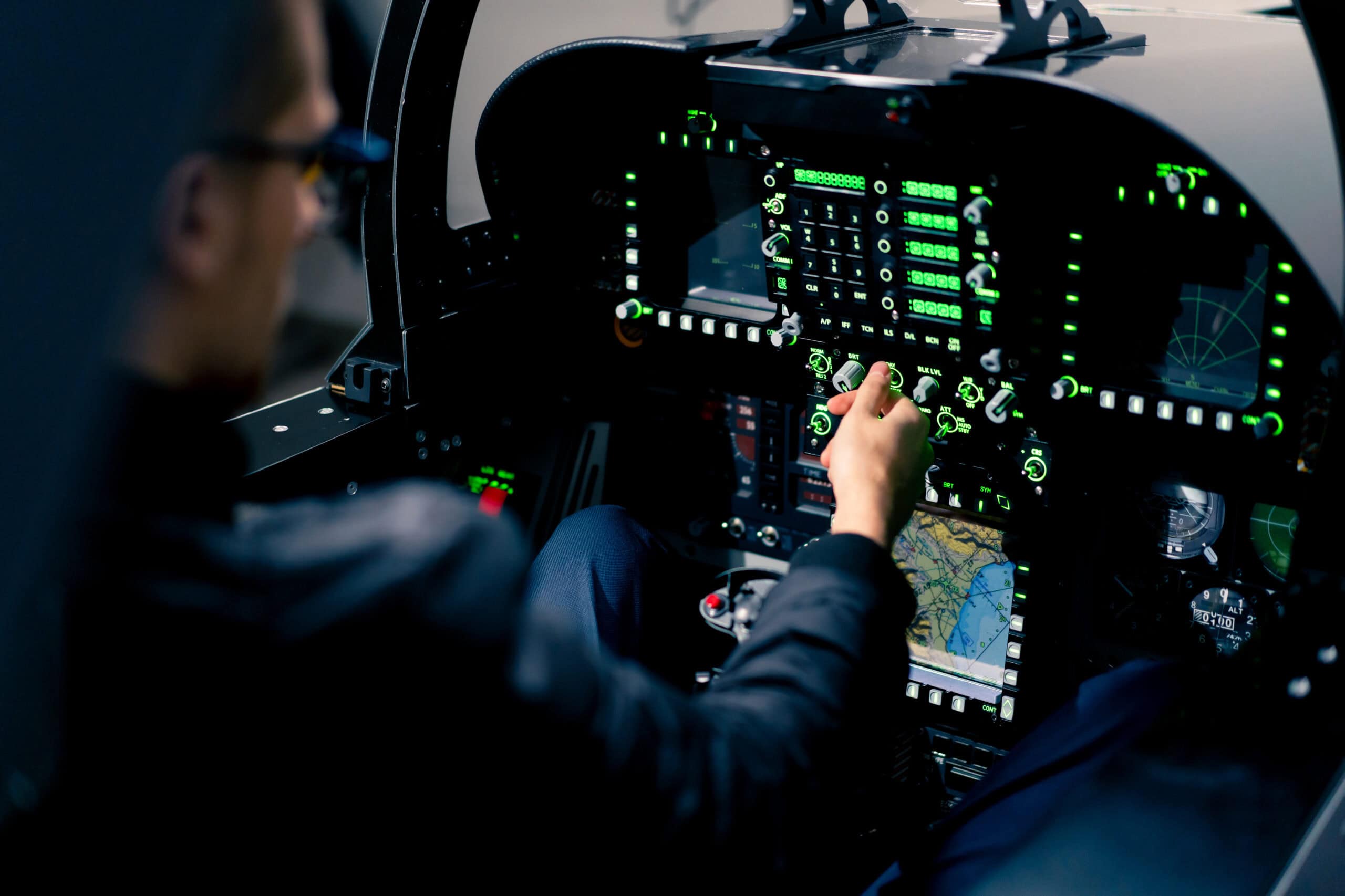
The single highest-leverage training for VFR pilots is supervised practice under the hood. Three to five hours of dedicated unusual-attitude and basic instrument flight with a CFII builds the reflexes that save lives.
Hood Time Beyond the PPL Requirement
The FAA requires 3 hours of hood time for the private pilot certificate. That’s the floor, not the ceiling. Most pilots forget those skills within months of the checkride. The fix is to fly under the hood with a CFII at least every 6-12 months. An hour of hood time costs less than the insurance deductible on a hangar-rash incident, and it’s the most useful hour a VFR pilot can buy.
During hood practice, focus on three things. Maintaining level flight on attitude reference alone. Executing a precise 180-degree turn back to a known heading. Climbing, descending, and turning while holding altitude or heading. These are the building blocks of the inadvertent IMC response.
Instrument Rating
If you fly cross-country regularly, get an instrument rating. The cost is real — typically $8,000-$15,000 of training depending on your existing skills and location — but the return is massive. An instrument-rated pilot has a fundamentally different relationship with weather. The decision tree changes. The options expand. Inadvertent IMC becomes a procedure rather than an emergency.
Use of Autopilot in Emergency
Modern GA airplanes with autopilots have a powerful backup. If you have an autopilot with attitude hold and heading hold, engage it the instant you suspect you’re entering IMC. The autopilot does not have spatial disorientation. It does not have inner-ear lies. It will hold straight-and-level while you navigate, communicate, and execute the 180-degree turn.
The catch: you must know how to use the autopilot before you need it. Practice engaging it under controlled conditions. Know which buttons and modes you’ll use in the emergency. Don’t try to learn the autopilot in IMC.
Decision-Making That Prevents Inadvertent IMC
The best response to inadvertent IMC is to never get there. Decision-making in the planning phase and en route is the single biggest defense.
Weather Briefings That Tell the Truth
A standard weather briefing tells you what’s expected. A good pilot looks at what could go wrong. Read the area forecast, not just the destination forecast. Check pilot reports — PIREPs are the most current information available. Look at radar trends, not just radar at this moment.
If conditions are forecast to deteriorate during your flight, plan for it. Have alternates at multiple points along the route. Set personal minimums above the legal minimums — 3,000-foot ceiling and 5-mile visibility for VFR cross-country is a reasonable starting point for newer pilots.
The 180-Degree Turn Before It’s an Emergency
Every time you fly VFR, watch the conditions ahead. If visibility is decreasing, ceilings are lowering, or the weather is moving toward you faster than expected, make a 180-degree turn while you still have options. The willingness to turn back is one of the most important judgments a pilot develops.
Most fatal weather accidents follow a pattern. The pilot saw the deteriorating conditions, decided to continue, and ran out of altitude or visibility before reaching the destination. The decision point was 20 minutes earlier when the 180 was still easy. Train yourself to make that decision early.
Ground-Based Resources
If you have ADS-B In, use it. Datalink weather provides radar, METARs, and TAFs in the cockpit. The trends are usually visible 20-30 minutes before conditions reach you. Use the time to make decisions, not to commit to a deteriorating route.
If you have a synthetic vision system, learn what it can do for you. SVS gives you horizon reference even in zero-visibility conditions. It’s not a substitute for instrument training, but it’s a powerful backup when the visible horizon disappears.
What Happens After You Survive Inadvertent IMC

If you’ve executed the procedure correctly and broken back into VFR conditions, your work isn’t done. The flight should be re-planned to a safe destination — not the original target. Land at the first reasonable airport in clear conditions. Tell ATC what happened so they can clear the airspace for you.
After landing, take the lessons seriously. Find a CFII and review the flight. Identify what led to the entry into IMC. Was it planning? Was it decision-making en route? Was it a missed weather trend? Each inadvertent IMC encounter has a chain of events that led to it, and each link is an opportunity for future improvement.
File a NASA ASRS report. The Aviation Safety Reporting System is anonymous, gives you regulatory protection in many cases, and contributes to the data that improves training and procedures for everyone. The report takes 20 minutes and benefits the entire GA community.
Real Inadvertent IMC Cases: What They Teach GA Pilots
The NTSB’s accident database contains hundreds of inadvertent IMC encounters from the past two decades. Reading through the reports shows clear patterns that GA pilots can learn from before they face the situation themselves.
The first pattern is timing. Most inadvertent IMC accidents happen in the last hour of flight. Pilots are tired, they’re focused on arrival, and they’re often pressed for time. The vigilance that kept them out of clouds during cruise has worn down. The fix is to maintain decision discipline throughout the flight, especially in the final phase.
The second pattern is decision deferral. Pilots see deteriorating conditions but defer the decision to divert or turn back. “Just another 20 minutes” becomes 30 becomes 40 becomes an emergency. The pilots who survive inadvertent IMC are usually the ones who decide early and divert before they need to.
The third pattern is unfamiliar terrain. Many inadvertent IMC accidents happen in mountainous areas or over unfamiliar territory. The pilot’s mental model of the surroundings is weak, and the consequences of any descent or attitude error are higher. Plan routes that give you maximum flexibility, particularly when flying in mountainous or remote areas for the first time.
The 200-Foot Mistake
A specific pattern in inadvertent IMC accidents involves pilots descending below their planned altitude to maintain visual reference. They drop 200 feet to stay below a layer. Then another 200. Then they’re in disturbed air below the cloud deck. Then visibility drops further.
This is the descent toward disaster. Every 200 feet down reduces your altitude margin in case of an emergency. The cumulative effect is a pilot at 1,500 feet AGL in poor visibility with mountains nearby and rising terrain ahead. The original plan was 5,500 MSL with VFR conditions.
The discipline is to set a hard floor on altitude and stick to it. If you can’t maintain VFR conditions at your planned altitude, you don’t descend. You climb, you turn around, or you divert. Period.
Training Your Spouse and Passengers for Inadvertent IMC
If you fly with a non-pilot passenger regularly, brief them on what inadvertent IMC looks like and what their role is. The conversation is brief but valuable.
Tell them what to expect. “If we ever fly into a cloud unexpectedly, I’m going to focus completely on the instruments for the next few minutes. I’ll need quiet. I’ll be turning the airplane around. Don’t try to help by pointing out the cloud or asking questions — just trust the process.”
Give them a specific task that helps. “If we go into a cloud, your job is to look at the GPS map and tell me where the nearest airport is. Just the airport identifier and the distance.” This gives them something useful to do and reduces the pilot’s workload at a critical moment.
Practice the conversation once on a sunny day so the response is calm and prepared rather than panicked. Many spouses and family members become better passengers — and better safety partners — once they understand what the pilot does and why certain phases of flight demand focus.
Frequently Asked Questions
What’s the first thing to do if I fly into a cloud unintentionally?
Level the wings on the attitude indicator. Don’t try to navigate, don’t try to communicate, don’t try to look outside. Get the wings level, set a stable climb attitude, and trim. Everything else follows from a stable airplane. The single biggest mistake VFR pilots make in inadvertent IMC is trying to do too many things at once before they’ve stabilized the aircraft.
Can a VFR-only pilot legally fly through clouds in an emergency?
Yes. Under FAR 91.3, the pilot in command has the authority to deviate from any rule in an emergency to the extent required to meet that emergency. Inadvertent IMC qualifies. The FAA expects pilots to do whatever is necessary to recover. The paperwork after — a NASA ASRS report and potentially a conversation with an inspector — is minor compared to the cost of not deviating.
How long does it take to get instrument-rated for a VFR pilot?
For a typical Part 61 pilot already holding the private certificate, the instrument rating takes 4-6 months and 40-60 flight hours. The training requires 40 hours of total instrument time, 15 of which must be dual instruction. The cost is $8,000-$15,000 in 2026 depending on your location and how much you fly per week. The investment pays back in flight options and weather margin for decades after.
Related Articles
Last Updated: May 19, 2026