

Engine failure in a single-engine aircraft gives you one job: fly the airplane. Not troubleshoot, not talk, not panic — fly. Your first 30 seconds determine whether you end up in a field you chose or one that chose you. The good news is that engine failures are survivable the overwhelming majority of the time when the pilot maintains airspeed, selects a landing zone early, and commits to it. This guide walks through the emergency landing procedures every GA pilot needs to know and be able to execute without hesitation.
Before diving in, one critical point: always follow the emergency procedures in your specific aircraft’s Pilot Operating Handbook. The framework below applies broadly, but specific airspeed values, checklists, and sequences vary by aircraft. Know your POH cold before you need any of it.
The Critical First 30 Seconds: Fly the Airplane
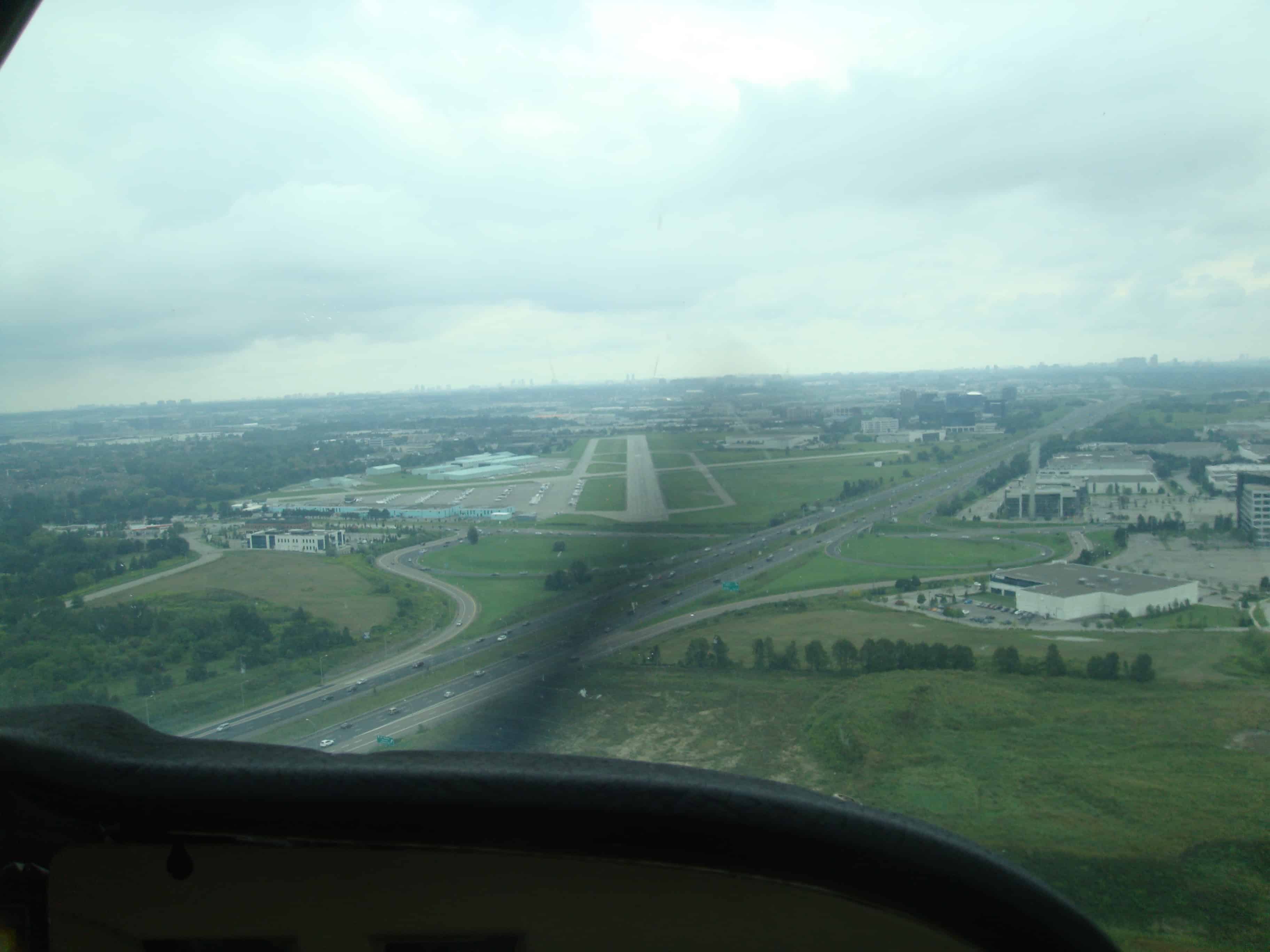
The most dangerous mistake pilots make during engine failure is fixating on the engine problem and letting airspeed decay. Stall-spin accidents during engine failures kill more pilots than the forced landings themselves. Consequently, the very first action — before you touch anything — is to establish and maintain best glide speed.
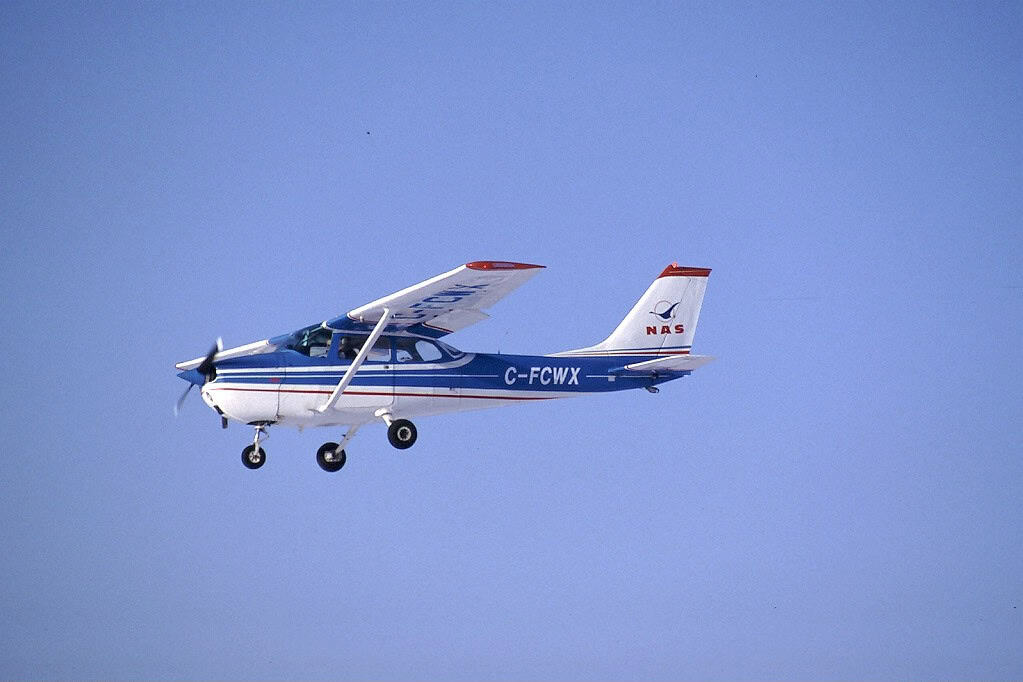
Best glide speed varies by aircraft but typically falls between 60 and 75 KIAS for most GA trainers and light singles. Specifically, for a Cessna 172, best glide is approximately 68 KIAS at gross weight and slightly lower at lighter weights. For a Piper PA-28, it is approximately 73 KIAS. Know your aircraft’s number before every flight, not after the engine goes silent.
At best glide, you maximize the horizontal distance traveled per foot of altitude lost. That distance is what buys you time to complete your checklist, find a field, declare an emergency, and set up a proper approach. Without it, all your other training is irrelevant because you will hit the ground before you finish any of it. Therefore, establish best glide first — everything else follows from that decision.
Emergency Landing Procedures: The ABCDE Memory Aid
Once best glide is established, the ABCDE framework gives you a structured sequence that covers every critical action in the right order. This is not a substitute for your POH emergency checklist — it is a memory anchor to make sure you do not skip anything critical under stress.
A — Airspeed. Best glide, immediately. You have already done this. Maintain it throughout.
B — Best field. Begin scanning now. Pick your landing zone within the first 15 seconds. At 3,000 feet AGL you have roughly 3 to 4 minutes of glide time in most singles — enough to plan, but not enough to be indecisive. Look for large, flat, clear areas oriented into the wind: farm fields, golf courses, highways, dry riverbeds. Additionally, avoid areas with power lines, trees at the far end, or significant slope. Pick a zone and commit to it mentally. You can always adjust as you descend, but you need an anchor target from the start.
Steps C Through E: Verify, Declare, and Execute
C — Checklist. Run the engine failure checklist from your POH. For most fuel-injected singles, this includes verifying fuel selector is on the proper tank, mixture is rich, fuel pump is on, primer is in and locked, and magnetos are on both. For carbureted engines, apply carburetor heat first — a carb ice situation can cause a complete power loss that resolves in seconds with heat applied. If the engine does not restart within one attempt cycle, stop trying and focus on the landing. Moreover, a flooded restart attempt at low altitude costs altitude you cannot recover.
D — Declare. Squawk 7700 and transmit a Mayday call if altitude and workload permit. Mayday format: “MAYDAY MAYDAY MAYDAY, [callsign], engine failure, [position], [altitude], [souls on board], [intentions].” Even a partial transmission helps. ATC can track you on radar and coordinate emergency services to your landing location. If you do not have time for a full call, transmit your callsign and “engine failure” — that is enough for ATC to begin working the situation.
E — Execute. Fly the approach. This is the most important phase. A good forced landing approach looks exactly like a normal power-off approach, except you have one shot. Specifically, aim for the first third of your selected landing zone to give yourself room to land and roll out without running into terrain at the far end. Keep the approach slightly high — you can always slip or extend flaps to lose altitude, but you cannot add glide distance you do not have.
Engine Failure After Takeoff: The Most Dangerous Phase
Engine failure after takeoff (EFATO) is the most time-critical emergency in general aviation. You have minimal altitude, minimal airspeed margin, and terrain or obstacles in every direction. The correct response is counterintuitive for most pilots: do not attempt to turn back to the runway unless you have sufficient altitude to complete the maneuver safely.
The “impossible turn” — the 180-degree return to the departure runway after EFATO — requires a minimum of 1,000 feet AGL in most light singles and typically more, depending on bank angle, airspeed, wind, and aircraft performance. Furthermore, most EFATO situations occur below 500 feet AGL, where completing the turn will result in a stall-spin or controlled flight into terrain at low altitude. Numerous accident reports document pilots dying attempting the impossible turn when a straight-ahead landing in a field or road ahead would have been survivable.
The correct EFATO procedure is this: pitch immediately for best glide, accept the field ahead of you, and land with minimal turns. A landing at 60 knots in a farm field is survivable. A stall-spin at 200 feet AGL during an attempted runway return is not. Therefore, brief yourself on this decision before every takeoff: above what altitude is a return to runway viable, and below that altitude, where will you land if the engine quits right now?
Emergency Landing Procedures for Off-Airport Landings
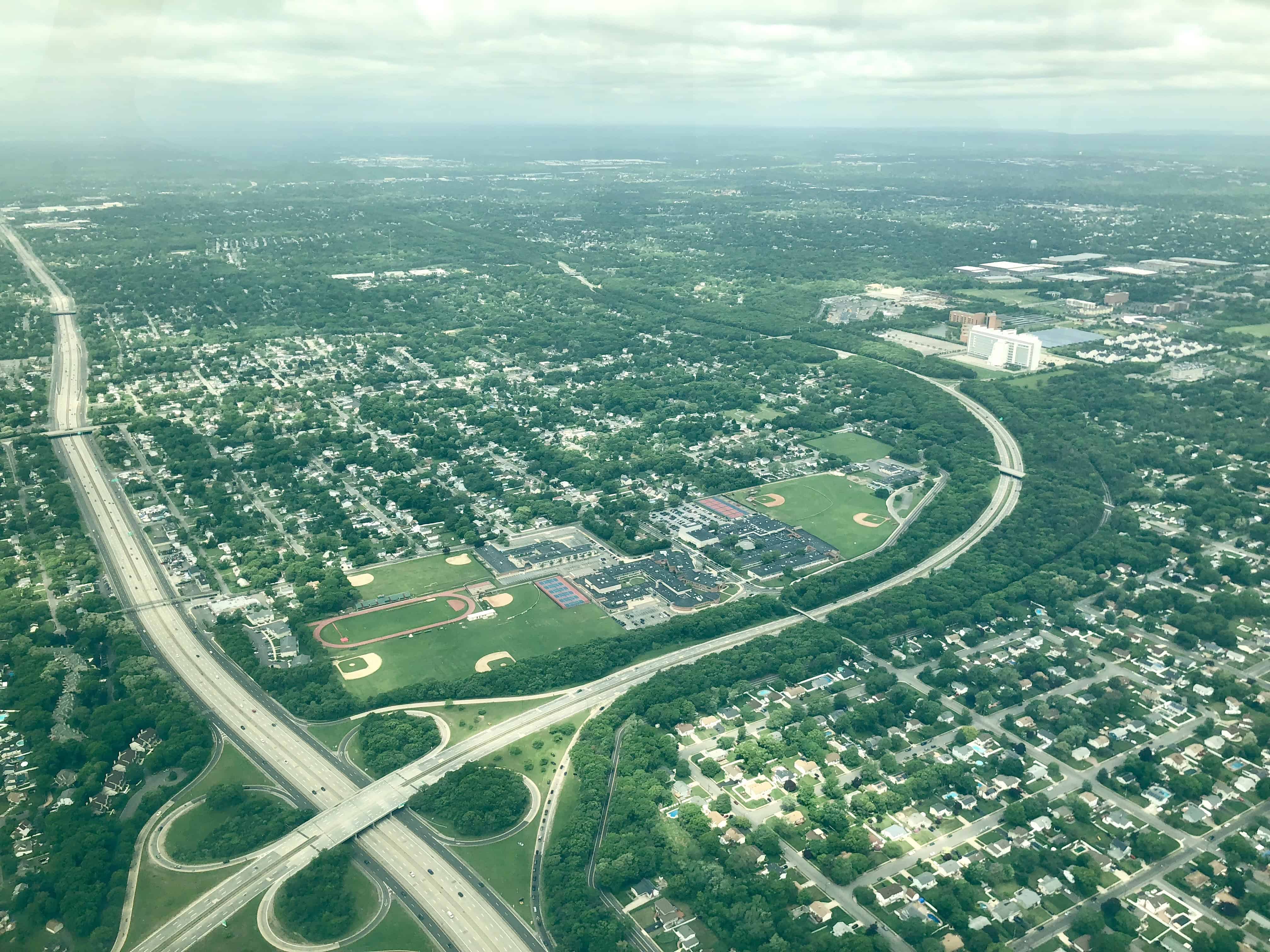
Flying the approach to an off-airport landing zone is where training and mental rehearsal pay off. Once you are committed to a field, treat it like a runway with one chance. Specifically, fly a modified rectangular pattern if altitude permits, or a straight-in approach if you are already low. Your goal is to arrive at the field boundary at approximately 65 to 70 KIAS in a Cessna 172, at a height that lets you touch down in the first third of the available space.
Flap use depends on your situation. Full flaps reduce your approach speed and touchdown speed significantly — which matters enormously in a rough field. However, full flaps also reduce your glide distance. Therefore, delay full flap deployment until you are confident you will reach the field, then apply full flaps on short final to bring the speed down as much as possible before contact.
On touchdown, maintain directional control. Use braking aggressively if the surface is firm. If terrain ahead is unavoidable, a controlled deceleration into trees or a fence at low speed is far preferable to an uncontrolled, high-speed impact. Additionally, if the aircraft sustains structural damage on landing, be prepared to shut off the master switch and fuel selector immediately to reduce fire risk.
After the Emergency Landing: Immediate Actions
After the aircraft comes to a stop, your priorities shift from flying to surviving. Execute the following steps immediately:
Shut everything down. Mixture to idle cutoff, magnetos off, master switch off, fuel selector off. These actions eliminate ignition sources and fuel flow — the two requirements for a post-crash fire.
Evacuate immediately. Do not wait to assess damage or gather belongings. Get everyone out of the aircraft and move upwind a minimum of 100 feet. Post-crash fires can ignite quickly from fuel spilled during impact. Consequently, distance and upwind position are your protection.
Signal for help. If your ELT activated automatically, help is already being coordinated. Use your phone if you have signal. Activate a personal locator beacon if you carry one. Additionally, stay near the aircraft — it is a much larger target for search aircraft than a person on foot.
The pilots who survive engine failures are overwhelmingly those who rehearsed the scenario mentally before it happened. Every pre-takeoff briefing is an opportunity to review your EFATO plan. Every flight review is a chance to practice power-off landings to a specific spot. Ultimately, the skill of putting an airplane down in a field without power is one that every single-engine pilot must own — not someday, but now.
Fly Safer. Know More. Join E3.
E3 Aviation Association gives pilots practical, expert-level content on safety, proficiency, and everything that makes you a better pilot in command. From emergency procedures to aircraft ownership to cross-country adventure — E3 is your co-pilot. Join E3 Aviation Association today.



