Backcountry flying is one of the most thrilling adventures in general aviation. More GA pilots are discovering this passion every single year. If you want to explore remote airstrips, land on a gravel bar, or camp under your aircraft’s wing — this guide is for you. Influential aviation figures like Craig Fuller and Mark Baker have helped put backcountry flying in the national spotlight. Meanwhile, organizations like the Recreational Aviation Foundation (RAF) work tirelessly to preserve and open new airstrips across the country.
At E3 Aviation Association, we believe every pilot deserves the knowledge to fly safely and confidently. In this guide, we cover everything you need to get started. We walk through aircraft selection, gear, safety, and planning your first adventure.
What Is Backcountry Flying?
Backcountry flying means operating aircraft in remote, off-the-beaten-path environments. It involves landing on unpaved strips, gravel bars, mountain meadows, and wilderness airstrips that most pilots never visit. It demands higher pilot skill and situational awareness than standard GA flying.
Backcountry flying is not limited to one aircraft type or one region. For example, Idaho and Montana offer some of the most spectacular backcountry terrain in North America. Utah, Wyoming, and Alaska host airstrips that reward adventurous pilots with stunning scenery.
Backcountry flying combines the freedom of general aviation with the spirit of outdoor adventure. As a result, it has attracted a fast-growing community of passionate pilots. For a deeper look at the basics, read our guide on understanding backcountry flying and bush planes.
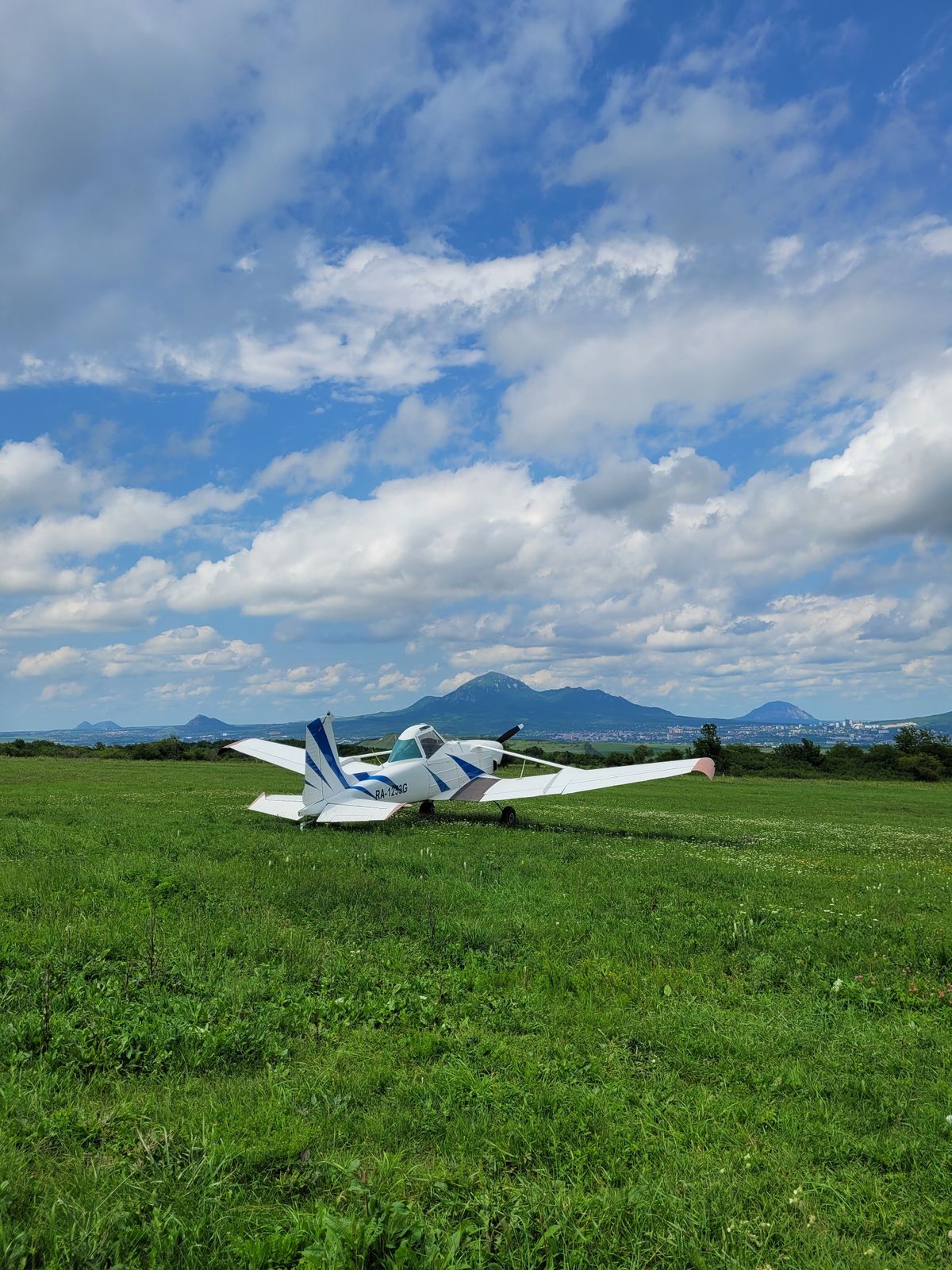
Choosing the Right Aircraft for Backcountry Flying
Yes, You Need the Right Airplane for This
The good news is that you do not need a specialized aircraft to get started. However, aircraft choice directly impacts which destinations are open to you. Short takeoff and landing (STOL) performance matters most when airstrips are short and rough.
Therefore, many backcountry pilots prefer purpose-built STOL aircraft. For instance, the CubCrafters Carbon Cub can lift off in under 150 feet. Similarly, the Savage Cub, Kitfox, and SuperSTOL series are popular choices. That said, plenty of pilots explore backcountry destinations in a Cessna 172 or Piper Cherokee. The key is matching your aircraft’s performance to the destination’s demands.
Above all, be honest about your aircraft’s actual performance numbers. Get those numbers from real flight testing — not just the POH. You will make better decisions about which strips are within your margins.
Aircraft That Actually Belong in the Backcountry
First, if you want maximum STOL performance, consider the CubCrafters XCub or Carbon Cub EX. Both aircraft are engineered specifically for remote backcountry operations. Second, the Maule M-7 is another excellent choice. It offers solid STOL capability with good useful load for gear and camping supplies.
Third, the Cessna 180 and 185 remain legendary backcountry workhorses. Many experimental aircraft builders focus specifically on backcountry capability. For example, the Just Aircraft SuperSTOL XL has become a staple in the backcountry community. Moreover, aircraft modifications like tundra tires, vortex generators, and upgraded engines can dramatically improve the performance of standard GA aircraft. Read more about modifications for enhanced backcountry performance on our site.
Furthermore, if you already own a standard GA trainer, do not rule it out. Notably, skill matters far more than equipment when it comes to backcountry flying success.
Essential Gear and Equipment
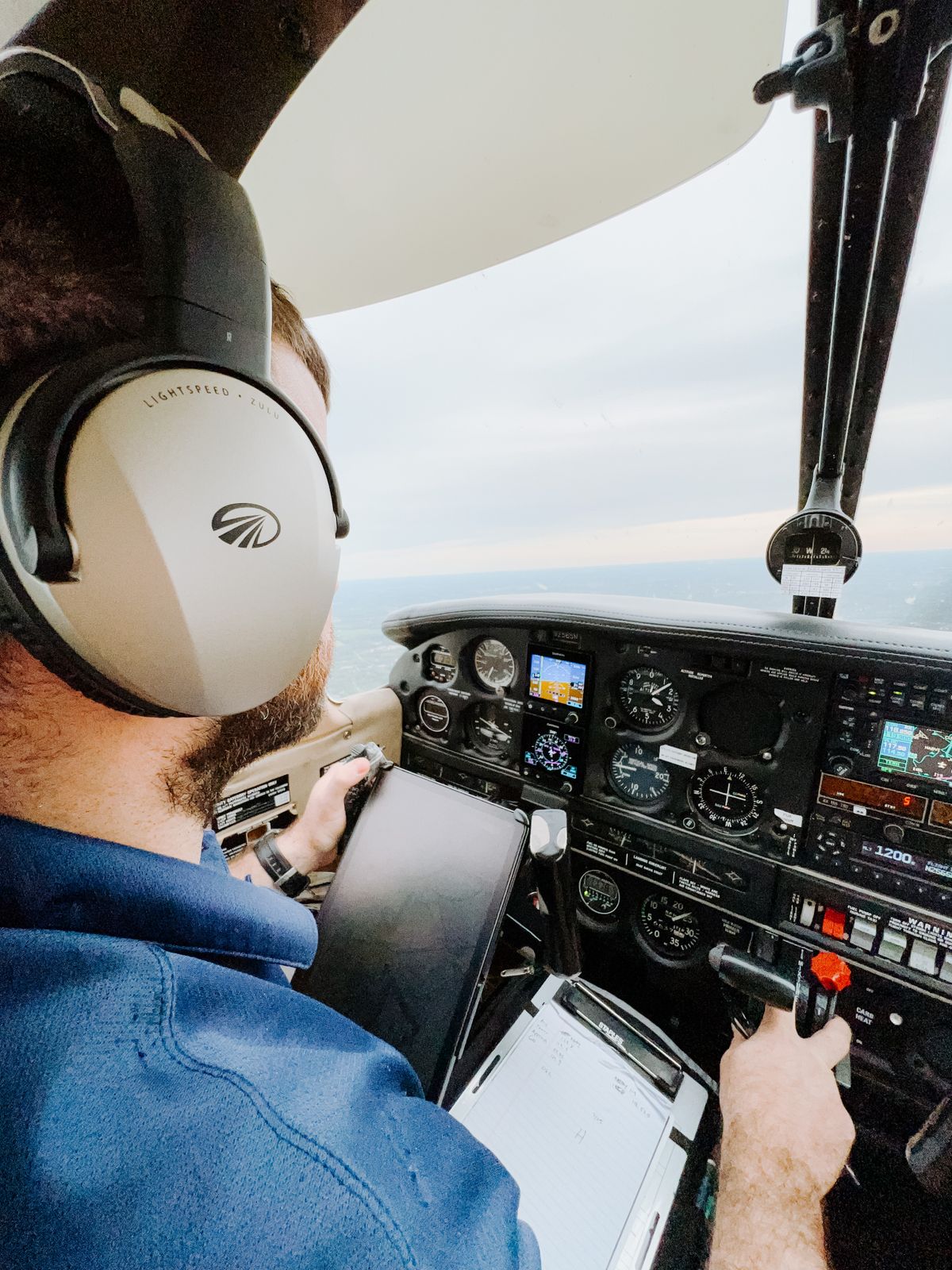
Backcountry flying demands more preparation than a standard cross-country flight. First, reliable communication equipment is non-negotiable. Specifically, a handheld VHF radio and a satellite communicator like a Garmin inReach are essential for remote operations. Second, survival gear matters greatly. Consequently, your kit should include a first aid kit, emergency shelter, and a fire starter. Also bring food and water for at least 48 hours.
Moreover, aircraft modifications can expand your capability and safety margins. For example, tundra tires improve your ability to land on rough terrain. Similarly, larger fuel tanks extend your range into truly remote areas. Additionally, a backcountry-specific GPS with terrain awareness adds another layer of safety.
Furthermore, proper clothing and footwear for the region are often overlooked. However, if you camp at a remote Idaho strip in September, temperatures can drop sharply overnight. Therefore, always pack for weather conditions worse than the forecast.
Above all, tell someone your flight plan before every backcountry trip. In fact, a detailed float plan with your route, destinations, and expected return time can save your life. Also, file a flight plan with FSS whenever possible — even for short backcountry hops.
How to Choose Your Backcountry Destination
Selecting the right destination is one of the most important decisions in backcountry flying. Fortunately, several excellent resources exist to help you make smart choices.
Where to Find Backcountry Airstrips Before You Go
First, the RAF Airfield Guide is the most comprehensive database of backcountry airstrips in the United States. Specifically, it includes current conditions, pilot reports, photos, and airstrip classifications. Second, the Idaho Airstrip Network (IAN) provides real-time updates on Idaho’s legendary backcountry strips. Similarly, the Utah Back Country Pilots Association maintains detailed information on Utah’s remote destinations.
Consequently, never choose a destination without first reviewing current pilot reports. For example, Idaho’s Big Creek airstrip is one of the most sought-after backcountry destinations in the country. However, it demands significant experience and specific aircraft performance. Therefore, build up to challenging destinations gradually — start with shorter, more forgiving strips.
Additionally, Google Earth and ForeFlight’s terrain overlays are useful tools for pre-visualizing a strip before you go. Moreover, talking to pilots who have flown a strip recently is often the best source of current conditions information.
Wilderness Airstrip Ethics and Leave No Trace
Respecting the environment is essential in backcountry flying. For instance, wilderness airstrips exist because land managers, pilots, and advocacy organizations have worked hard to keep them open. Moreover, improper use can lead to permanent airstrip closures.
Specifically, wilderness airstrips are best used for camping, hiking, and photography — not motor sports or disruptive activities. Additionally, pack out everything you bring in. Furthermore, minimize your ground disturbance and avoid sensitive vegetation near airstrips. Above all, treat each strip as if its access depends on your behavior — because it does.
Our take: Backcountry flying is not a genre of aviation you grow into casually. We’ve seen experienced IFR pilots struggle on their first mountain strip because the rules are completely different — no go-arounds, no second chances, and terrain that punishes overconfidence. Get proper training before you go. Not optional.
Safety First — Training, Weather, and Risk Management
Backcountry flying is inherently more demanding than standard GA operations. Therefore, formal backcountry training is strongly recommended before your first remote flight. For example, Adventure Flying in Cascade, Idaho offers custom multi-day training programs deep in Idaho’s backcountry. Similarly, the AOPA Backcountry Resource Center provides excellent educational materials and skill-building resources.
First, short-field takeoff and landing technique is non-negotiable. Specifically, you must be proficient operating at or near your aircraft’s performance limits before venturing into remote terrain. Second, mountain flying skills are critical in many backcountry environments. Consequently, density altitude, mountain wave, and terrain avoidance all require additional focused study and practice.
Moreover, backcountry weather changes fast. However, standard VFR flight planning is often not enough in mountainous terrain. Specifically, study local mountain weather patterns before any backcountry trip. Additionally, always have a clear abort plan if conditions deteriorate — and stick to it.
Furthermore, check NOTAMs for every backcountry strip on your route. Indeed, some seasonal strips close during certain months. Therefore, confirm current status before you depart. Also, always have multiple alternates planned when flying into remote areas with limited options.
For a deeper look at managing risk in the backcountry, read our article on backcountry flying safety.
The Organizations Behind Backcountry Aviation
A strong community backs every pilot who ventures into the backcountry. First, the Recreational Aviation Foundation (RAF) is the leading national organization dedicated to preserving and creating public-use recreational airstrips. Specifically, RAF volunteers maintain trails, improve airstrips, and publish essential pilot information through the RAF Airfield Guide.
Second, the Idaho Aviation Association (IAA) has been key to keeping Idaho’s legendary backcountry strip network open and maintained. Similarly, the Utah Back Country Pilots Association and Montana Pilots Association serve their regional flying communities. Consequently, joining one or more of these organizations is one of the best investments any backcountry pilot can make.
Moreover, these groups host events, fly-ins, and work parties where experienced pilots mentor newcomers. As a result, the backcountry community continues to grow and welcome new pilots every season. Additionally, platforms like E3 Aviation Association connect pilots with the resources, knowledge, and community needed to fly with confidence.
Getting Started With Your First Backcountry Flight
Starting your backcountry flying journey does not have to be overwhelming. First, find a qualified backcountry instructor in your region. Specifically, look for someone with extensive experience in the type of terrain you want to fly. Second, start with shorter, more accessible strips before progressing to challenging destinations.
For example, a grass strip at a local fly-in is a great first step. Consequently, it builds short-field confidence in a lower-risk environment. Additionally, attend backcountry flying seminars and workshops offered by the RAF and AOPA. Moreover, connect with experienced pilots through local flying clubs and backcountry aviation associations.
Furthermore, consider joining an organized fly-in at a backcountry destination. For instance, the RAF hosts annual events at Idaho backcountry strips that welcome pilots of all experience levels. As a result, you get to fly alongside experienced mentors in a supportive, low-pressure environment.
For a full guide on specific techniques, visit our article on backcountry flying techniques for adventurous pilots.

Above all, be honest about your current skill level. Ultimately, the pilots who thrive in the backcountry are those who build experience step by step. That said, with the right training, preparation, and mindset, backcountry flying is within reach for any dedicated GA pilot.
We’ll be straight with you: there’s no shortcut to backcountry competency. The pilots who get into trouble are usually the ones who watched a few YouTube videos and assumed skill transferred. The pilots who thrive are the ones who got ground instruction, flew with mentors, and started with easy strips before advancing to technical ones.
Frequently Asked Questions About Backcountry Flying
Do I need a special pilot certificate to fly backcountry?
No special certificate is required for backcountry flying. However, formal backcountry training is strongly recommended. Specifically, short-field technique, mountain flying, and survival skills all require focused practice beyond standard PPL training.
What aircraft is best for a beginner starting backcountry flying?
For beginners, a well-maintained Cessna 172 or Piper Cherokee works well for accessible backcountry strips. However, for more demanding destinations, a purpose-built STOL aircraft like the CubCrafters Carbon Cub offers much better performance margins.
Sources:
Recreational Aviation Foundation (RAF) | AOPA Backcountry Resource Center | Adventure Flying — Backcountry Training
Written by the E3 Aviation Editorial Team | E3 Aviation Association — Empowering pilots with knowledge, community, and resources.