Backcountry flying techniques, off-airport operations, and bush pilot skills open up a world of adventure for pilots eager to explore remote landscapes. Whether you’re navigating rugged terrain or landing on unimproved strips, understanding these elements is key to safe and enjoyable flights. As more enthusiasts embrace this style of aviation, driven by advancements like the MOSAIC rule, the appeal lies in the freedom and challenge it offers.
Understanding Backcountry Flying Basics
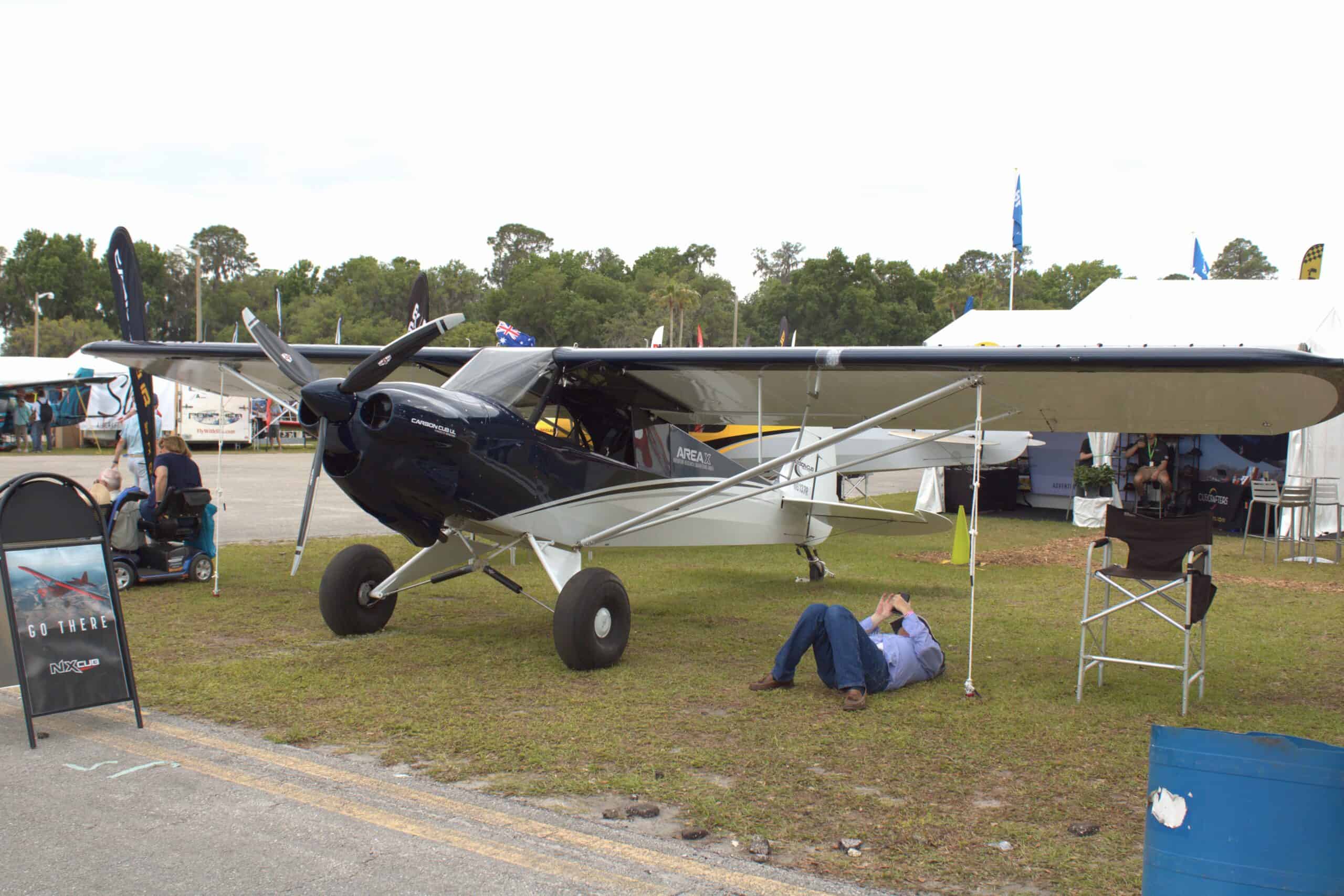
Backcountry flying involves operating aircraft in remote, often challenging environments away from paved runways. This requires specialized knowledge to handle unpredictable conditions. For instance, pilots must assess terrain for suitable landing spots, considering factors like slope, surface composition, and obstacles. Moreover, weather plays a critical role, as sudden changes can turn a routine flight into a demanding one. Therefore, thorough pre-flight planning is essential, including reviewing topo maps and recent pilot reports.
Additionally, aircraft selection matters greatly. Planes with high propeller clearance and robust landing gear perform best in these settings. As a result, models like the Cessna 180 or CubCrafters Carbon Cub are popular choices. However, even with the right plane, success depends on honing specific skills through practice.
On the other hand, regulatory awareness is crucial. The FAA provides guidelines for off-airport operations, emphasizing safety and environmental considerations. For example, pilots should avoid sensitive areas to minimize impact. Meanwhile, joining communities like the E3 Aviation Association can provide valuable insights and support for those new to this pursuit.
Essential Bush Pilot Skills
Bush pilot skills encompass a range of abilities vital for backcountry success. Precision control during low-speed maneuvers is paramount, especially for short takeoffs and landings. For example, mastering the three-point landing helps in rough terrain. Additionally, navigation without modern aids builds confidence in remote areas.
Moreover, survival knowledge is indispensable. Pilots carry gear like emergency beacons and first-aid kits, prepared for unexpected overnight stays. As a result, training often includes wilderness survival courses. However, decision-making under pressure truly defines a skilled bush pilot, knowing when to abort a landing or turn back due to weather.
Therefore, ongoing education through workshops or mentors refines these skills. In addition, practicing in varied conditions enhances adaptability. To discover more about building an aviation career, click: https://e3aviationassociation.com/e3-aviation-association-pilot-manifesto/.
These fundamentals set the stage for deeper exploration into specific techniques.
Mastering Off-Airport Operations
Off-airport operations demand careful site selection and execution. First, scout potential landing areas from the air, noting wind direction via smoke or water ripples. Additionally, multiple low passes help identify hazards like rocks or soft spots. However, always maintain a safe altitude during reconnaissance to avoid surprises.
Meanwhile, approach techniques vary by terrain. For grassy fields, aim for a soft-field landing to minimize bounce. On the other hand, gravel bars require firm touchdowns to prevent propeller strikes. As a result, adapting your method ensures aircraft integrity.
Furthermore, post-landing procedures include securing the plane against wind or animals. For example, using tie-downs prevents unexpected movement. Therefore, preparation extends beyond the flight itself.
Site Assessment Strategies
Effective site assessment involves evaluating length, width, and surface. Use GPS for measurements, but visual confirmation is key. Moreover, consider slope; uphill landings shorten rollout but complicate takeoffs. However, downhill options aid departures while extending landings.
In addition, check for wildlife or human activity that could interfere. As a result, choosing isolated spots reduces risks. On the other hand, proximity to roads might offer emergency access if needed.
To learn more, join the E3 Aviation community at: https://e3aviationassociation.com/.
This knowledge transitions smoothly into advanced STOL methods.
STOL Aircraft and Techniques
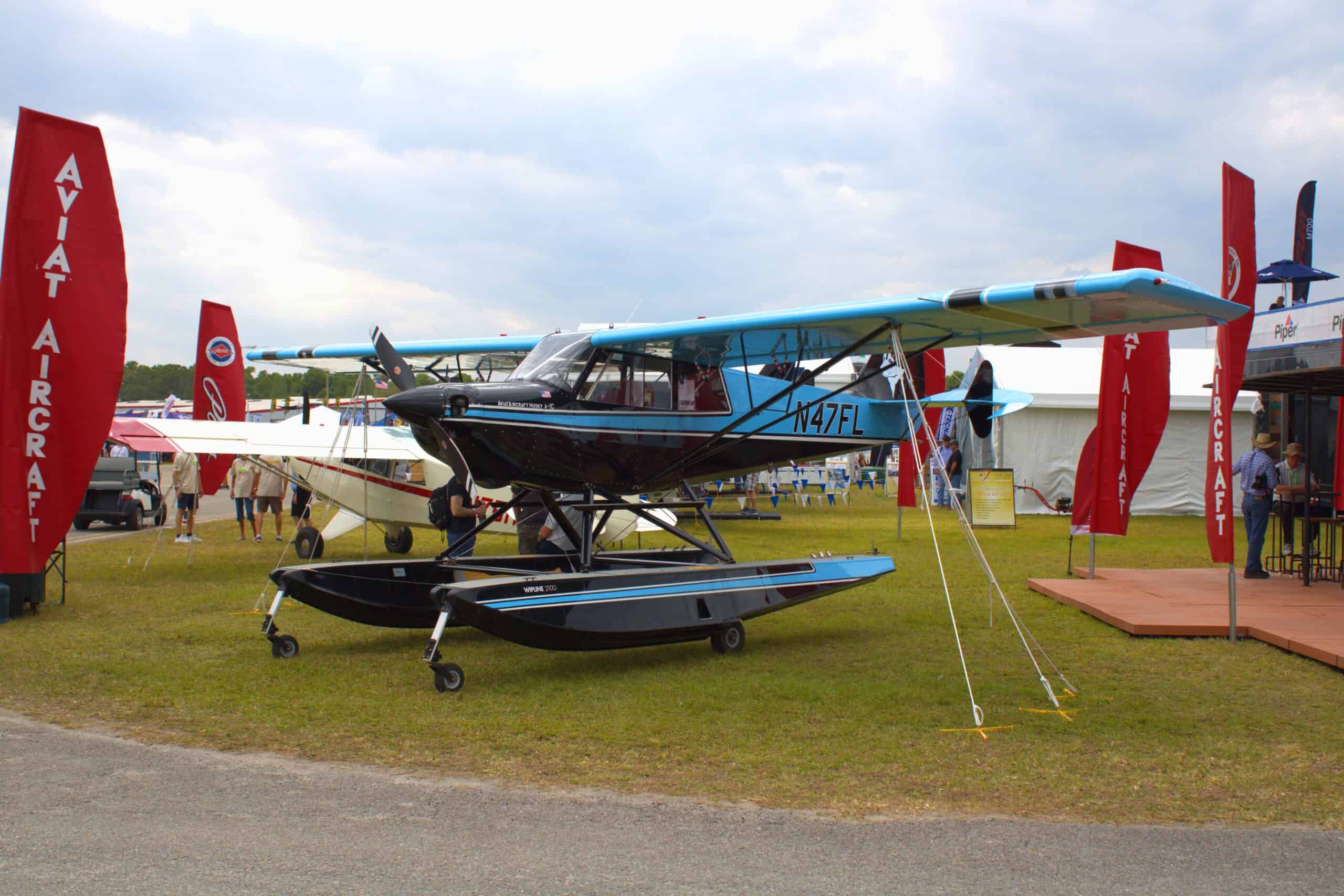
Short takeoff and landing (STOL) capabilities are central to backcountry flying techniques. Aircraft like the Zenith CH 750 excel with their high-lift wings and powerful engines. Additionally, modifications such as vortex generators enhance performance. However, technique is equally important.
For takeoffs, use partial flaps and maintain a nose-high attitude to climb quickly. Meanwhile, landings involve precise speed control to touch down softly. As a result, practice in controlled environments builds proficiency.
Furthermore, trends show increasing interest in electric STOL planes for sustainable operations. For example, projections indicate market growth to $15B by 2032. Therefore, embracing new tech could shape future adventures.
Advanced STOL Tips
Refine STOL by focusing on energy management. Avoid abrupt inputs; smooth transitions preserve momentum. Moreover, weight distribution affects handling—keep it balanced for optimal control.
In addition, high-density altitude demands adjustments, like leaning mixtures for power. However, always calculate performance using charts to avoid surprises. On the other hand, cooler mornings offer better conditions for challenging strips.
These skills are vital when facing emergencies in remote areas.
Handling Emergencies in Backcountry
Emergencies test bush pilot skills to the fullest. Engine failure requires immediate action: Establish best glide speed and select a landing site. For example, aim for open fields over dense forest. Additionally, communicate your position if possible using ELT or radio.
Meanwhile, preparation mitigates risks. Carry survival kits with water, food, and signaling devices. As a result, even forced landings can end safely. However, post-incident, stay with the aircraft unless necessary to leave.
Furthermore, statistics show most accidents stem from pilot error, like poor decision-making. Therefore, regular training in simulated scenarios builds resilience.
Survival Strategies Post-Landing
After an emergency landing, prioritize shelter and fire. Use aircraft parts for protection against elements. Moreover, ration supplies while signaling for help with mirrors or flares.
In addition, first-aid knowledge addresses injuries promptly. However, conserve energy by staying put if rescue is likely. On the other hand, if no help arrives, navigate using maps and compass.
Real stories highlight the importance of these preparations.
Real-World Case Studies
Case studies illustrate backcountry flying techniques in action. One pilot experienced engine trouble over Idaho’s wilderness, using off-airport operations to land safely on a gravel bar. The outcome? Minor aircraft damage but no injuries, thanks to prior scouting. Lesson: Always have alternate sites in mind.
Another involved a sudden weather change forcing a diversion. By applying bush pilot skills, the aviator navigated to a remote strip. As a result, the flight ended without incident. However, it underscored checking forecasts meticulously.
Additionally, a STOL competition mishap taught energy management. A bounced landing led to a go-around, preventing worse. Therefore, practice recoveries regularly.
These examples transition to emerging trends.
Trends in Backcountry Aviation
Current trends show growth in backcountry flying, fueled by MOSAIC’s expansion of light sport aircraft. This allows four-seaters with higher stall speeds, making access easier. Additionally, sustainable fuels and electric propulsion promise eco-friendly options by 2030.
Moreover, youth engagement rises through events like AirVenture, drawing record crowds. However, challenges like hangar shortages persist, with rents up 20-40%. As a result, community efforts focus on infrastructure preservation.
Furthermore, avionics advancements aid navigation in remote areas. For example, AI tools predict maintenance, enhancing safety.
Future Outlook and Innovations
Looking ahead, eVTOLs could revolutionize access, with BVLOS proposals enabling drone-assisted scouting. Meanwhile, SAF adoption reduces emissions by 80%, aligning with environmental goals.
In addition, training evolves with VR simulators, cutting costs by 30%. However, mechanic shortages—38% over 60—pose hurdles. Therefore, investing in education is crucial.
These developments lead to practical resources.
Resources and Checklists for Pilots
Essential resources include FAA’s Off-Airport Operations Guide for techniques. Additionally, Backcountry Pilot forums offer real-time advice. However, always cross-verify with official sources.
Checklists ensure nothing’s overlooked:
- Pre-flight: Weather, fuel, survival gear.
- Site eval: Length, obstacles, wind.
- Emergency: Glide speed, landing spot, signal.
Moreover, apps like ForeFlight provide airstrip data.
For comparisons, here’s a table of popular backcountry aircraft:
| Aircraft | Takeoff Distance | Useful Load |
|---|---|---|
| Cessna 180 | 500 ft | 1,200 lbs |
| CubCrafters Carbon Cub | 150 ft | 900 lbs |
| Zenith CH 750 | 200 ft | 700 lbs |
This transitions to engagement ideas.
Community and Engagement
Backcountry flying is also where the E3 community really comes alive. E3 SkyShare maps verified bush strips, mountain perches, and hidden grass fields that real pilots actually fly into – with 3D approach views for about 60 percent of the locations. Here’s the quick overview of what’s on the map and how pilots are using it:
Joining groups like E3 Aviation Association fosters connections. Share experiences at fly-ins or online forums. Additionally, mentorship programs pair novices with veterans.
However, respect etiquette: Minimize noise, pack out trash. As a result, preserving access benefits all.
Furthermore, contribute to airstrip maintenance volunteer efforts. For example, Idaho’s network relies on community support for over 30 strips.
FAQ
Question: What are key backcountry flying techniques for beginners?
Answer:
Beginners should focus on mastering short-field takeoffs and landings, which involve precise speed control and flap usage to minimize ground roll. Additionally, practice energy management to handle varying terrains effectively. Understanding wind effects is crucial, as it influences approach paths and touchdown points. Moreover, incorporate regular low-level reconnaissance to identify hazards early. These backcountry flying techniques build confidence and safety in remote operations.
Question: How do off-airport operations differ from standard landings?
Answer:
Off-airport operations require assessing unimproved surfaces for suitability, unlike paved runways with known conditions. Pilots must evaluate slope, obstacles, and soil firmness through multiple passes. Bush pilot skills like soft-field techniques help absorb impacts on rough terrain. Emergency preparedness is heightened, with survival gear essential. Overall, these demand greater adaptability and judgment compared to controlled airport environments.
Question: What bush pilot skills are essential for emergencies?
Answer:
In emergencies, bush pilot skills such as quick decision-making and glide management are vital for selecting safe landing spots. Knowledge of survival techniques, including building shelter and signaling, ensures post-landing safety. Navigation without aids helps in remote areas. Regular scenario training prepares for engine failures or weather changes. These skills turn potential disasters into manageable situations.
Question: How does MOSAIC impact backcountry flying techniques?
Answer:
MOSAIC expands light sport aircraft capabilities, allowing four-seaters and higher stall speeds, making backcountry flying techniques more accessible. It enables electric propulsion, promoting sustainable operations. Pilots can fly more capable planes without advanced certificates. However, updated training is needed for new privileges like night flying. This rule democratizes remote aviation while emphasizing safety.
Question: What trends shape the future of off-airport operations?
Answer:
Trends include electric aircraft for quieter, eco-friendly off-airport operations, reducing environmental impact. Avionics advancements like AI aids enhance navigation in challenging terrains. Community efforts preserve airstrips amid shortages. Sustainability via SAF cuts emissions by 80%. These evolve practices, balancing adventure with responsibility.
Question: Why are bush pilot skills important for all aviators?
Answer:
Bush pilot skills improve overall airmanship, teaching adaptability and precision useful in any flying scenario. They emphasize risk assessment and preparation, reducing accident rates. Even urban pilots benefit from emergency handling techniques. As aviation grows, these foundational abilities foster safer skies for everyone.
Building Backcountry Flying Skills
Backcountry flying combines several aviation disciplines into a specialized skill set. Short-field operations, soft-field operations, density altitude management, weather assessment in remote terrain, and emergency planning all integrate into backcountry competency. No single training event develops all these skills.
The Training Path That Works
Successful backcountry pilots follow a structured training path. Start with basic short-field operations on familiar pavement. Add soft-field operations on grass strips at moderate altitudes. Progress to mountain training programs. Continue with mentored operations at specific backcountry strips. Each stage builds on the previous.
Aircraft Requirements for Backcountry
Backcountry-capable aircraft typically include modifications beyond stock configurations. Tundra tires, vortex generators, STOL kits, reinforced gear, and high-power engines all enable operations that stock aircraft cannot manage safely. The investment in proper equipment matters.
The E3 Aviation Editorial Team writes for owner-pilots, student pilots, and the small aircraft community. We focus on practical, real-world content that respects your time and your training. Learn more about E3 Aviation.
Last Updated: 2026-05-14
Related Articles
Practical Application of These Concepts
The aviation discipline rewards pilots who apply concepts deliberately rather than reading passively. The pilots who progress fastest in any aviation specialty are those who treat each piece of new knowledge as raw material for actual practice. Build the habit of converting reading into action.
Most pilots underestimate how much their skill development depends on deliberate practice versus accumulated hours. Hours alone produce competence in routine operations. Deliberate practice produces excellence and the resilience that handles non-routine situations safely.
Building Long-Term Aviation Competence
Long-term competence develops through patterns sustained over years and decades. The pilots who maintain currency through varied practice rather than monotonous repetition develop more transferable skills. The pilots who engage with multiple aviation disciplines develop broader competence than specialists. The pilots who maintain mentor relationships through their careers benefit from external perspective.
Each of these patterns requires conscious choice. None happens accidentally. The pilots who flourish over long careers made the choices early and sustained them through the inevitable periods when other priorities competed for attention.
The Cumulative Effect of Daily Disciplines
The aviation safety record reflects the cumulative effect of millions of daily disciplines by individual pilots. Each pre-flight inspection. Each weather briefing. Each procedural execution. Each post-flight reflection. The individual acts seem small but their cumulative effect determines whether aviation works as a safe transportation system.
Pilots who recognize their daily choices as contributions to that broader system tend to behave differently than pilots who treat aviation as personal entertainment. The recognition matters for outcomes both at the individual and system level.
Resources for Continued Development
Several resource categories support continued pilot development. FAA online learning materials provide structured education at no cost. Aviation publications maintain ongoing coverage of industry developments. Type clubs and pilot communities share specialized knowledge. Professional training programs offer structured advancement.
The pilots who engage with multiple resource categories tend to develop more comprehensive understanding than pilots who rely on a single source. The variety helps fill gaps and provides multiple perspectives on common topics.
Final Thoughts on Long-Term Pilot Development
Every pilot reading this article exists somewhere on a learning trajectory that continues throughout their flying life. The choices made consistently over years determine where the trajectory leads. The pilots who choose engagement, learning, and humility tend to find aviation continuously rewarding. The pilots who choose minimum compliance, surface engagement, and complacency tend to find aviation eventually frustrating.
The choice belongs to each pilot. Make it consciously. The cumulative effect over decades is what shapes whether your aviation career delivers what you hoped it would when you started.
Practical Application for Your Flying
Taking the principles in this article and applying them in your own flying requires deliberate effort. Reading produces understanding. Applying produces capability. The pilots who develop the most over years are those who systematically convert reading into specific practice and reflection.
Set a specific application goal this week. Schedule a CFI session that addresses one topic from this article. Practice a specific maneuver. Have a specific conversation with another pilot. The deliberate action transforms passive reading into active development.
Building Skills That Compound Over Years
Aviation skills compound in ways that mirror financial compound interest. Each skill built on a foundation of previous skills develops faster than starting from scratch. The pilots who invest in skill development consistently build capability that accelerates rather than just accumulates. The early hours and the early disciplines matter most because they establish the foundation everything else builds on.
For pilots reading this who feel behind, the comforting reality is that aviation rewards consistent effort more than peak intensity. The pilot who flies 50 hours per year for 30 years develops more skill than the pilot who flies 300 hours for 5 years and then stops. Sustained engagement beats sprint engagement.
The Community Element of Aviation Development
Aviation is more community than solitary discipline. The pilots who develop best engage with the broader pilot community in meaningful ways. Type clubs. Local flying groups. Online communities. Mentor relationships. Each provides perspective and learning that solo flying cannot replicate.
The community connections also support emotional aspects of flying. Aviation can isolate pilots from non-pilot friends and family who don’t share the interest. Aviation community provides peers who understand. The connections matter for satisfaction over a long career.
Resources That Support Continued Learning
Several resource categories support ongoing pilot development. The FAA Pilot Education materials provide structured learning at no cost. Aviation publications like Flying Magazine, industry publications, and General Aviation News maintain continuous coverage of relevant developments. Type-specific communities for whatever aircraft you fly share specialized knowledge that general resources cannot match.
The pilots who tap multiple resource categories develop more comprehensive understanding than those relying on single sources. Variety helps cover gaps and provides multiple perspectives on common topics.
Final Reflections on the Aviation Discipline
Aviation rewards pilots who take it seriously over decades. The discipline serves those who serve it. The pilots who give aviation their best attention, learning, and judgment generally receive in return the satisfaction, skill, and adventures that make flying worthwhile.
For every pilot reading this, regardless of experience level, the most important next action is converting reading into specific application this week. The cumulative effect of small specific actions across thousands of pilots determines what aviation looks like as a community and what it delivers for individual pilots over their flying lives. Make your contribution count.