Understanding the Essentials of a Bushplane Camping Kit
When planning remote adventures, assembling a solid bushplane camping kit is crucial for bush pilots and aviation enthusiasts. This includes backcountry aviation gear like ultralight tents and multi-tool kits, along with fly-in camping essentials such as compact stoves and water filters. These items ensure you’re prepared for the unique challenges of flying into isolated areas, where weight limits and quick setups matter most. Drawing from pilot forums and expert insights, let’s break down what makes a reliable setup.
Bush pilots often face payload constraints in planes like Cessnas or Super Cubs, typically 500-800 pounds including fuel and passengers. Prioritizing lightweight, versatile items in your bushplane camping kit minimizes bulk while maximizing utility. For instance, a tarp can serve as a rain fly, ground cloth, or even a signal device in emergencies. This approach not only saves space but enhances safety in harsh environments like Alaska’s wilderness or the High Sierra.
Moreover, incorporating sustainable materials into your backcountry aviation gear is a growing trend. Items made from recycled fabrics or eco-friendly synthetics reduce environmental impact without sacrificing durability. As we delve deeper, you’ll see how these choices align with modern flying practices.
Shelter Options in Your Bushplane Camping Kit
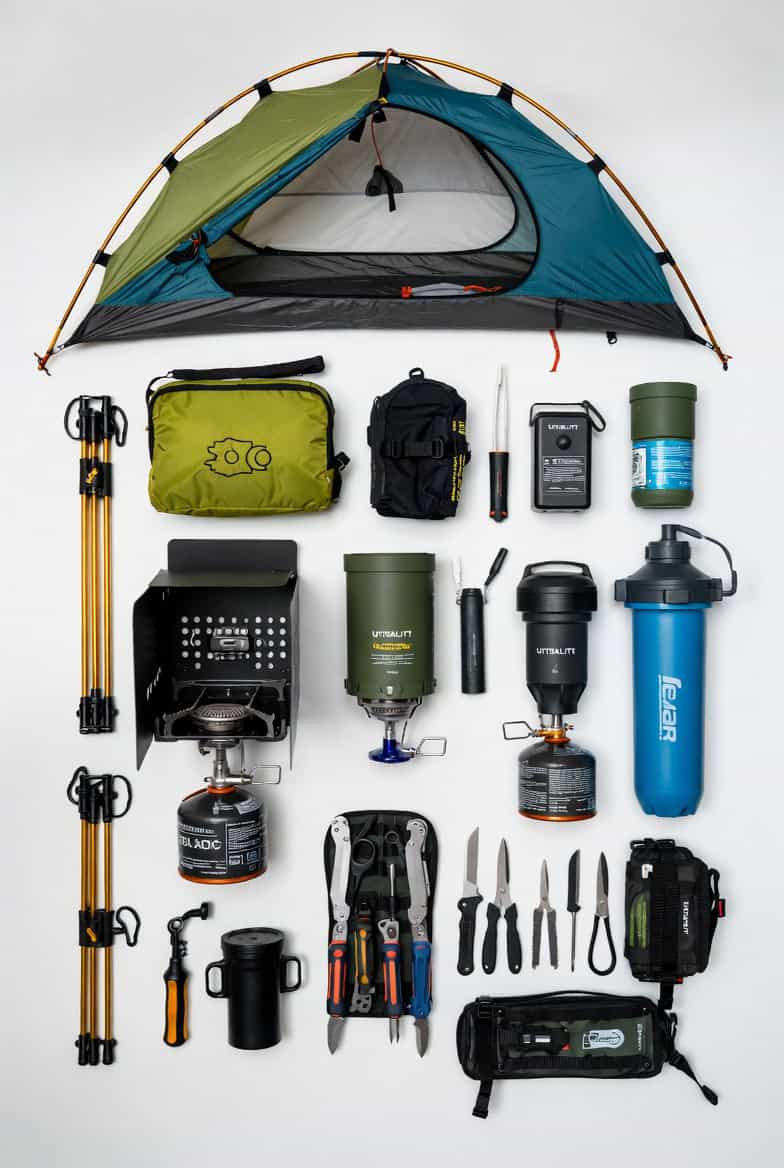
Shelter stands out as a cornerstone of any bushplane camping kit, protecting against sudden weather changes common in backcountry spots. Tents need to be compact, ideally packing to softball size and weighing under 5 pounds to fit aircraft constraints. For example, freestanding 2-3 person models offer room without excess weight, making them ideal for solo or duo trips.
Popular choices include the Nemo Losi, with its mesh top for ventilation, though avoid it in dusty areas. The Big Agnes Fly Creek UL2 shines for ultralight solo use at just 2 pounds. For tougher conditions, Hilleberg or MSR Hubba Hubba tents handle 50 mph winds and snow, providing full bug and wildlife protection. However, they require seam-sealing for longevity.
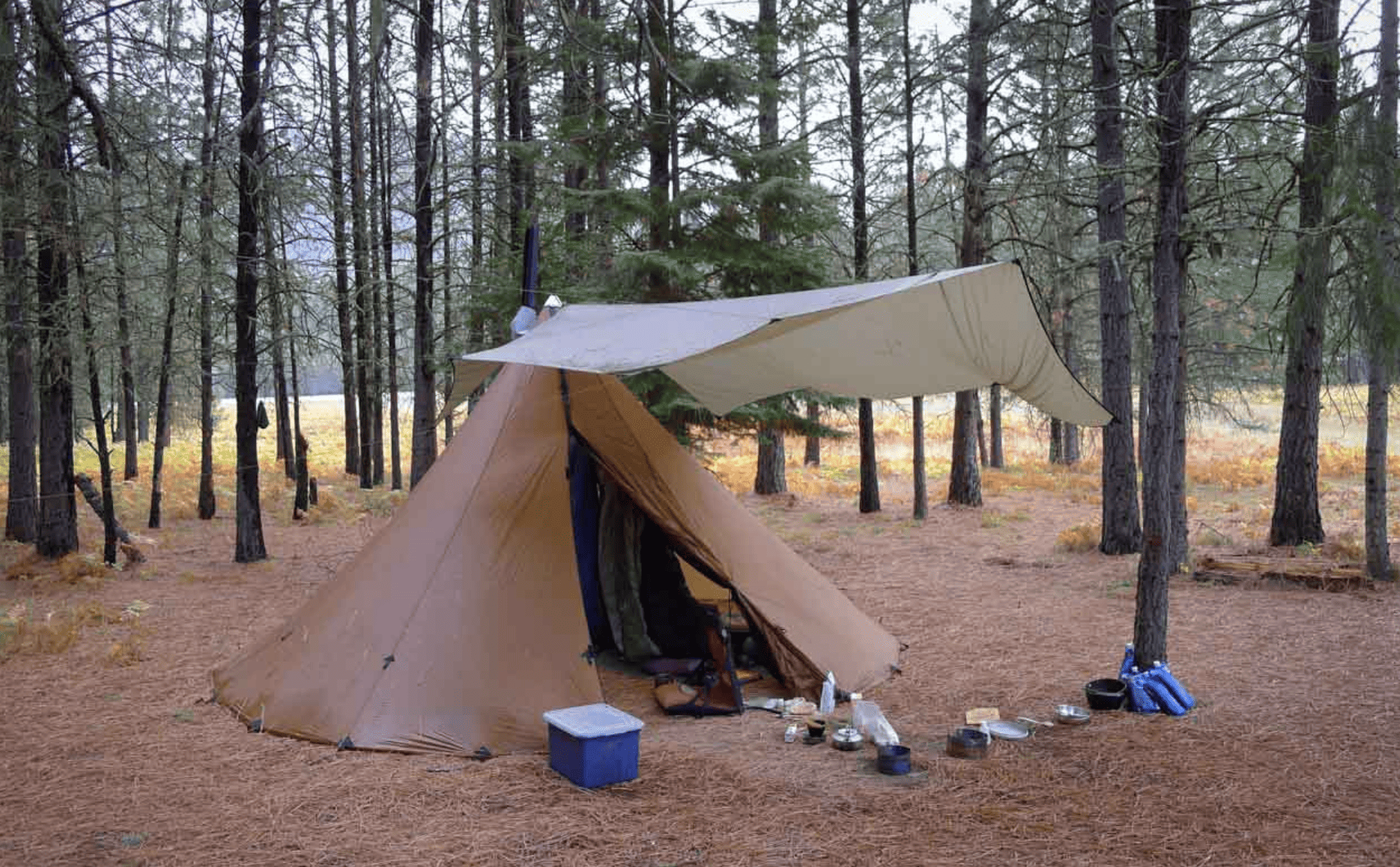
Tarps, like the Kelty Noah’s, weigh 1-2 pounds and offer versatility for cooking or open views. They’re ultralight but lack bug netting, so pair with a ground cloth. Pyramid tents such as the Black Diamond MegaMid provide large space but watch for condensation. Hammocks, like Hennessy with bug nets, suit uneven terrain but need trees and insulation.
Bivy sacks serve as minimalist emergencies under wings, while heated tents like Seek Outside teepees add warmth for cold seasons. Users emphasize low-profile pitching to combat wind and testing packability in your plane. These options ensure your bushplane camping kit adapts to diverse terrains.
Transitioning from shelter, a solid sleeping system complements protection by keeping you rested for the next day’s flying.
Sleeping Systems for Comfort in Remote Areas
A reliable sleeping setup in your bushplane camping kit is vital for recovery after long flights. Aim for under 5 pounds total, focusing on insulation against freezing nights. Down or synthetic bags rated to 20°F, like the Western Mountaineering Ultralite at 1.5 pounds, compress small but protect loft with waterproof sacks.
Pair with inflatable pads such as Therm-a-Rest NeoAir for R-value over 3, guarding against cold ground. Closed-cell foam adds puncture resistance. Liners or quilts boost warmth, especially in hammocks with underquilts. Wool blankets serve as backups in heated setups.
Pilots share that elevating with cots enhances comfort in tents, and total ultralight systems hit 3-4 pounds. This backcountry aviation gear ensures you’re energized for navigation and decision-making. For more on building an aviation career, click: https://e3aviationassociation.com/e3-aviation-association-pilot-manifesto/.
Additionally, proper cooking gear ties into sustenance, keeping energy high without adding much weight.
Cooking and Nutrition Essentials
Cooking components in a bushplane camping kit must be efficient for remote sites. Compact stoves like Jetboil Flash boil water quickly at 0.8 pounds, while wood-burning Solo Stove Lite saves fuel. Include titanium pots and sporks for minimalism.
Plan high-calorie foods: dehydrated meals, bars, nuts, lasting 2-3 days at 2,500-3,000 kcal daily. Bear-proof storage is key in wildlife zones. Pilots recommend mini hatchets for firewood and cooking under tarps to avoid hazards.
Trends lean toward sustainable, lightweight options reducing waste. This fly-in camping essentials category ensures nutrition without compromising aircraft balance.
However, water management is equally critical, as sources are unpredictable in backcountry.
Water Purification and Storage
In your bushplane camping kit, carry 2-4 liters and purify on-site. Filters like Sawyer Squeeze handle thousands of gallons at 0.1 pounds. Backup with iodine tablets or solar stills.
Collapsible bottles save space. Pilots stress pre-filtration with coffee filters. Sustainable trends include reusable systems minimizing plastic.
Next, navigation tools keep you oriented in vast wilderness.
Navigation and Communication Tools
Combine analog and tech in backcountry aviation gear: Garmin inReach for SOS, compasses, maps. Handheld radios like Baofeng with solar chargers ensure contact.
Red-light headlamps aid night ops. Pre-load maps; use mirrors for rescue. Bushplane-specific: Weather radios.
First Aid and Safety Equipment
Customize IFAKs with tourniquets, bandages, meds. Add snake kits, bear spray, insect nets. Gloves protect hands.
Training is key; pilots note tourniquets for accidents. This fly-in camping essentials part saves lives.
Clothing and Layering Strategies
Quick-dry wool/synthetics: Thermals, socks, puffy jackets like Patagonia Nano Puff. Rain gear, gloves, beanies.
2-3 changes in dry bags. Total 5-7 pounds. Sustainable fabrics trend here.
Tools round out versatility.
Multi-Use Tools and Miscellaneous Items
Leatherman multi-tool, Morakniv knife, paracord, duct tape, shovel/saw combo. Binoculars, hygiene, solar packs.
Fishing gear for sustenance. Lighters, energy cakes.
Bushplane specifics integrate aircraft.
Bushplane-Specific Additions and Packing Tips
Tie-downs, chocks; use plane for anchors. 40-65L packs for loading. Total kit 20-30 pounds/person.
Test backups, check weather. Avoid rigging hammocks to plane.
Budget: Entry $500-800, premium $1,500+.
Now, explore trends shaping future kits.
Trends in Bushplane Camping Kit Development
As aviation evolves, so does the bushplane camping kit. Sustainable trends dominate, with gear from recycled materials like organic cotton and hemp reducing impact. Ultralight innovations, such as cuben fiber tarps and compact solar chargers, lighten loads for better fuel efficiency.
Smart tech integrates: Apps for weather, GPS trackers in backcountry aviation gear. Predictions for 2025 include more eco-zero waste items and multi-purpose designs. These shifts make fly-in camping essentials more accessible and environmentally friendly.
For example, brands like Nemo and Big Agnes lead with durable, lightweight options. Practical impacts: Safer, enjoyable trips for general aviation pilots.
Sustainable Materials and Eco-Trends
Recycled down in sleeping bags, hemp clothing. Reduces waste, aligns with wilderness ethics.
Pilots appreciate longevity without hype.
Ultralight Innovations for 2025
Lighter tents under 2 pounds, efficient stoves. Tariff impacts may raise prices, but classics update for better performance.
Tech Integration in Backcountry Aviation Gear
Solar-powered comms, smart filters. Enhances safety in remote areas.
These advancements shape real-world flying, as seen in pilot experiences.
Real-World Case Studies in Bushplane Camping
These stories illustrate bushplane camping kit applications. Trent Palmer’s High Sierra Fly-In involved desert camping, tight takeoffs. Lesson: Lightweight gear prevents overloads.
Alaska moose hunt engine failure: Hid gear from bears, used satellite phone. Emphasizes survival beyond camping.
Heidi Ruess’s Cessna flip: Overpacked with game. Teaches payload balance in backcountry aviation gear.
NTSB Cessna 180 terrain collision: Lacked proper nav; highlights comms importance.
Another: Floatplane crash, pilot survived with bivy. Reinforces minimalist fly-in camping essentials.
Such experiences underscore preparation.
Budget and Sourcing Your Bushplane Camping Kit
Entry-level bushplane camping kit: $500-800 for basic tent, stove. Premium: $1,500+ for ultralight. Shop REI, Backcountry.com, aviation sites.
Costs break down: Shelter $200-600, sleeping $150-400, cooking $100-200, etc. Factor maintenance.
E3 Aviation Association offers resources; mention seamlessly as community for tips.
The E3 Aviation Association provides valuable forums for sharing kit ideas.
FAQ: Common Questions on Bushplane Camping Kit
Question: What are the must-have items in a bushplane camping kit?
Answer:
A bushplane camping kit should include lightweight shelter like a tent or tarp, sleeping bag and pad, compact stove, water filter, navigation tools, and first aid. These ensure safety in remote areas with aircraft weight limits. For backcountry aviation gear, prioritize multi-use items to save space and enhance versatility during fly-in trips.
Question: How do I balance weight in my backcountry aviation gear?
Answer:
Focus on ultralight materials in your bushplane camping kit, aiming for under 10-15 pounds per person. Test packing in your plane, like under seats. Fly-in camping essentials such as collapsible items help. Always calculate payload including fuel to avoid overloads, drawing from pilot lessons on balance.
Question: What trends are shaping fly-in camping essentials?
Answer:
Sustainable trends dominate, with eco-friendly fabrics in bushplane camping kits reducing impact. Ultralight innovations like solar chargers integrate tech. Backcountry aviation gear evolves toward multi-purpose designs for 2025, making trips more efficient and environmentally conscious for pilots.
Question: How to prepare for emergencies with a bushplane camping kit?
Answer:
Include IFAK with tourniquets, bear spray, and satellite messengers in your backcountry aviation gear. Train in use, as per NTSB lessons. Fly-in camping essentials like signal mirrors aid rescue. A well-stocked bushplane camping kit turns survival into manageable situations.
Question: What’s the cost range for building a bushplane camping kit?
Answer:
Entry-level bushplane camping kits start at $500-800, covering basics. Premium ultralight backcountry aviation gear reaches $1,500+. Factor sustainable fly-in camping essentials for long-term value, sourcing from REI or aviation outlets to fit budgets.
Question: How does weather affect my fly-in camping essentials?
Answer:
Harsh weather demands durable bushplane camping kit items like 4-season tents and insulated pads. Check forecasts via aviation apps. Backcountry aviation gear with wind-resistant features prevents issues, as learned from pilot stories in Alaska or Sierra.
Written by E3 Aviation Team, an experienced group of aviation writers with certifications in flight training and backcountry operations.
For more aviation resources and insights, be sure to visit: https://e3aviationassociation.com/articles/.
To discover more about E3 Aviation visit: https://e3aviationassociation.com/