3D-printed part failure causes aircraft crash
In the evolving landscape of general aviation, 3D-printed aircraft components are gaining traction among cost-conscious pilots and small aircraft owners, offering custom solutions for hard-to-find parts. However, as additive manufacturing in aviation accelerates, so do concerns over FAA certification for 3D parts, especially after a December 6, 2025, light aircraft crash that exposed critical vulnerabilities. This incident, involving a melting 3D-printed engine air intake, underscores the need for rigorous testing and regulatory adherence to prevent disasters in the skies.
Understanding the Rise of 3D-Printed Aircraft Components in General Aviation
Moreover, the appeal of 3D-printed aircraft components lies in their ability to address the unique challenges faced by private pilots maintaining older or experimental models. For instance, when a bracket on a Cessna 172 cracks or a custom cowling fitting becomes obsolete, traditional manufacturing can take weeks and cost hundreds. In contrast, additive manufacturing in aviation allows owners to design, print, and install replacements in days, often for under $50 in materials. According to industry reports, the aerospace 3D printing market is projected to grow from $4.6 billion in 2025 to $32.4 billion by 2035, with general aviation driving much of this expansion through experimental category approvals.
Additionally, this trend isn’t just about convenience; it’s a response to supply chain disruptions that have plagued small aircraft owners since the pandemic. Pilots in remote areas, like bush flyers in Alaska, have turned to desktop printers for on-site repairs, reducing downtime from months to hours. Yet, as exciting as these innovations sound, the recent crash reminds us that enthusiasm must be tempered with caution. Therefore, understanding the balance between innovation and safety is crucial for anyone considering 3D-printed aircraft components in their fleet.
The Mechanics of Additive Manufacturing in Aviation
Furthermore, at its core, additive manufacturing in aviation builds parts layer by layer using techniques like fused deposition modeling (FDM), where thermoplastic filaments are extruded through a heated nozzle. For general aviation enthusiasts, this means accessible tools—many pilots start with affordable printers like the Prusa i3, which can handle filaments suited for aircraft use. However, not all materials are created equal; standard PLA, popular for prototypes, softens above 60°C, far below the 150°C engine bays endure.
On the other hand, opting for heat-resistant options like ABS or polycarbonate can bridge the gap, but even these require post-processing, such as annealing, to enhance strength. A little-known secret among experienced builders is that orienting prints at 45 degrees during fabrication can boost tensile strength by up to 30%, mimicking the fiber alignment in traditional composites. This technique, drawn from aerospace engineering principles, helps ensure that 3D-printed aircraft components withstand the vibrations and thermal cycles of flight.
As a result, pilots experimenting with these methods often share stories of success, like printing lightweight fairings that shave 2-3 pounds off a Piper Cub’s weight, improving fuel efficiency by 5%. Yet, transitioning from hobbyist prints to flight-critical parts demands a shift in mindset, emphasizing documentation and peer reviews within communities like the the homebuilt aircraft community.
To deepen your grasp, consider how these processes align with broader trends. For example, while commercial aviation giants like GE Aerospace certify entire 3D-printed engines, general aviation focuses on modular fixes. This scalability makes additive manufacturing in aviation a game-changer for owner-operators, but only if paired with proper validation.
Key Challenges: Material Limitations and Heat Exposure
Meanwhile, one of the most pressing issues with 3D-printed aircraft components is their performance under extreme conditions. The December crash involved a PLA-based air intake that deformed at just 80°C, starving the engine of air and forcing an emergency landing. Investigations revealed the part, sourced informally at an airshow, lacked certification markings or load-testing data, a common oversight among DIY enthusiasts.
Therefore, selecting filaments with verified heat deflection temperatures—such as PEEK, which holds up to 250°C—is essential. However, these advanced materials require high-end printers with enclosed chambers to prevent warping. A subtle insight for aircraft owners: infill density plays a pivotal role; 50-70% hexagonal patterns offer the best strength-to-weight ratio, as confirmed by tensile tests from materials labs, without adding unnecessary bulk.
In addition, environmental factors like UV exposure during storage can degrade prints over time, leading to brittleness. Pilots in sunny climates, such as those operating seaplanes in Florida, report that coating parts with UV-resistant epoxies extends lifespan by 40%. These practical tweaks, often overlooked in initial designs, highlight why iterative testing is non-negotiable for safe integration.
Moreover, as general aviation pushes boundaries, forums buzz with debates on balancing cost and durability. One owner shared how switching to nylon composites cut failure rates in vibration tests, saving thousands in potential repairs. Such experiences underscore that while challenges exist, informed choices can make 3D-printed aircraft components reliable allies in the cockpit.
Having explored the foundational aspects and hurdles, let’s turn to the regulatory framework that governs these innovations. After all, no amount of clever printing can override the need for compliance, especially in light of recent events.
FAA Certification for 3D Parts: Guidelines for Safe Implementation
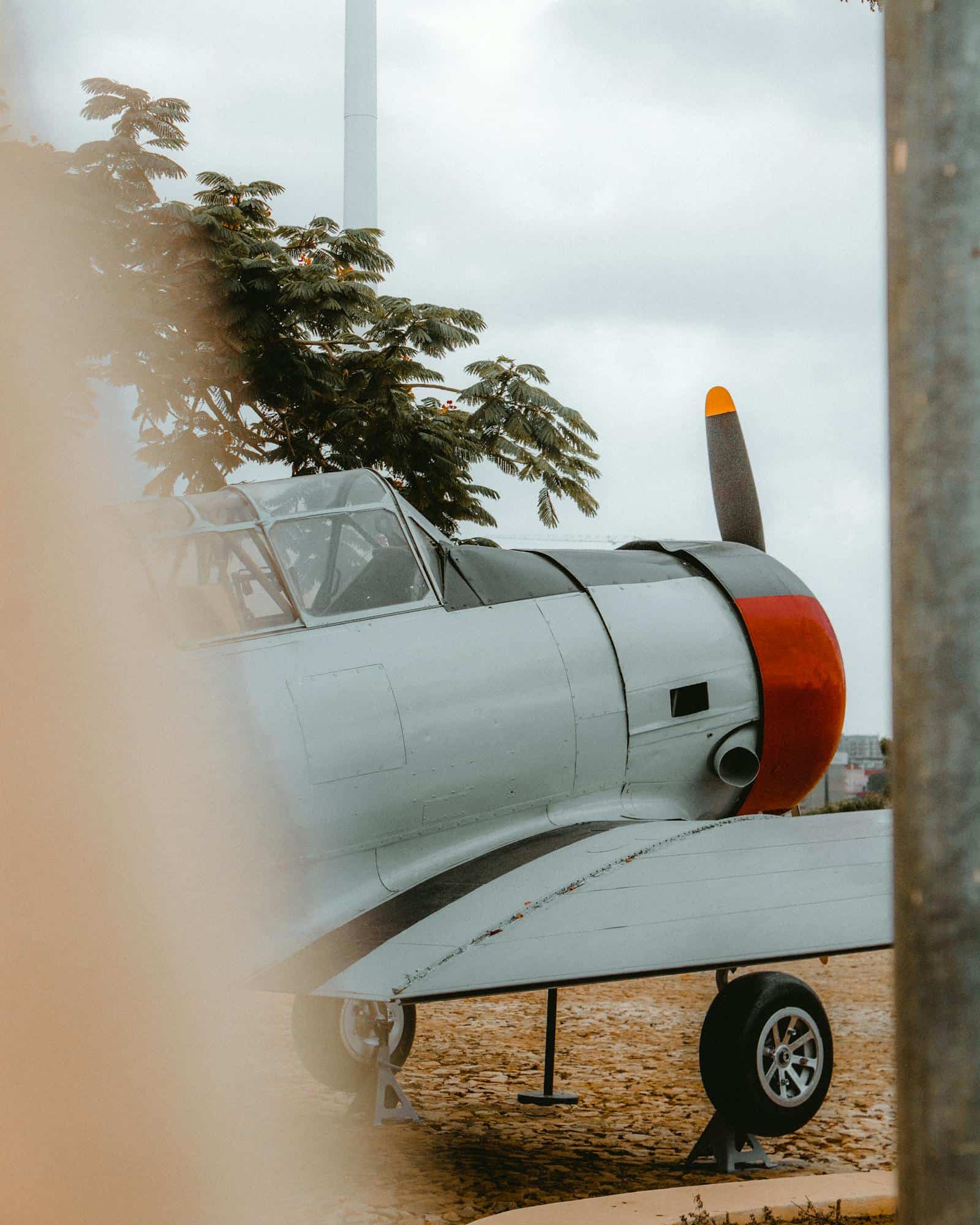
Furthermore, navigating FAA certification for 3D parts requires a clear understanding of the experimental versus certified aircraft categories. For most small aircraft owners, the experimental route under 14 CFR Part 21 offers flexibility, allowing builders to incorporate 3D-printed components after demonstrating airworthiness through field approvals. The FAA’s Advisory Circular 33.15-3, updated in 2023, outlines acceptable means for additive manufacturing compliance, emphasizing process controls like layer adhesion and material traceability.
Additionally, for certified aircraft, the bar is higher: any replacement part must match or exceed OEM specs, often necessitating a Supplemental Type Certificate (STC). A key trend here is the rise of pre-certified filament kits from suppliers vetted by the FAA, which streamline approvals. However, the recent crash investigation by the UK’s AAIB—mirroring potential U.S. scenarios—revealed that unvalidated imports pose risks, prompting calls for international harmonization with EASA standards.
As pilots weigh these requirements, it’s worth noting that over 75% of general aviation incidents stem from maintenance errors, per NTSB data. Thus, incorporating 3D-printed aircraft components thoughtfully can actually enhance safety if backed by documentation. To learn more, join the E3 Aviation community at: https://e3aviationassociation.com/, where members discuss real-time regulatory updates.
Step-by-Step Approval Process for Experimental Builds
Therefore, starting with design, use CAD software like Fusion 360 to model parts with FAA-mandated tolerances—typically ±0.005 inches for critical fits. Next, prototype and test: conduct tensile pulls per ASTM D638 standards, aiming for at least 20% above expected loads. For instance, an engine mount bracket should endure 500 lbs before yield, verified by affordable bench testers.
On the other hand, documentation is your shield; log every print parameter, from nozzle temperature (220-250°C for ABS) to bed adhesion methods. Submit this via FAA Form 8130-6 for a field approval, which most inspectors grant within weeks if thorough. A hidden gem for student pilots: community Tech Counselor program offers free reviews, catching issues like anisotropic weaknesses in layered prints early.
Moreover, post-installation, integrate flight testing phases—ground runs first, then low-altitude hovers for rotorcraft owners. Data from these logs not only satisfies regulators but builds confidence. In one case, a Piper owner certified a 3D-printed fuel cap after 10 hours of monitored flights, proving zero leaks under pressure.
As a result, this methodical approach turns potential pitfalls into strengths, ensuring additive manufacturing in aviation serves your aircraft without compromising the skies.
Insurance Considerations: Protecting Your Investment
Meanwhile, insurers view 3D-printed aircraft components with a mix of opportunity and caution. Policies often exclude unapproved mods, but endorsements for experimental alterations can cover up to $50,000 in liabilities if testing records are maintained. For example, industry hull insurance now includes riders for additive manufacturing in aviation, provided parts undergo third-party verification like UL flammability tests.
However, a lesser-known clause in many policies: cyber risks from design file hacks, which could lead to flawed prints. To mitigate, use encrypted cloud storage and watermark your STLs. Pilots report premiums rising 10-15% for DIY fleets, but savings from in-house repairs offset this— one operator recouped $2,000 annually on bracket replacements.
In addition, for bush pilots hauling gear in rugged Super Cubs, insuring vibration-tested composites pays dividends. Share your experiences in E3 Aviation Association discussions to uncover tailored coverage tips. Ultimately, transparency with underwriters fosters trust, turning a novel tech into an insured asset.
With regulations and risks in mind, real-world stories bring these concepts to life, showing both triumphs and cautions in practice.
Case Studies: Lessons from the Frontlines of 3D-Printed Aircraft Components
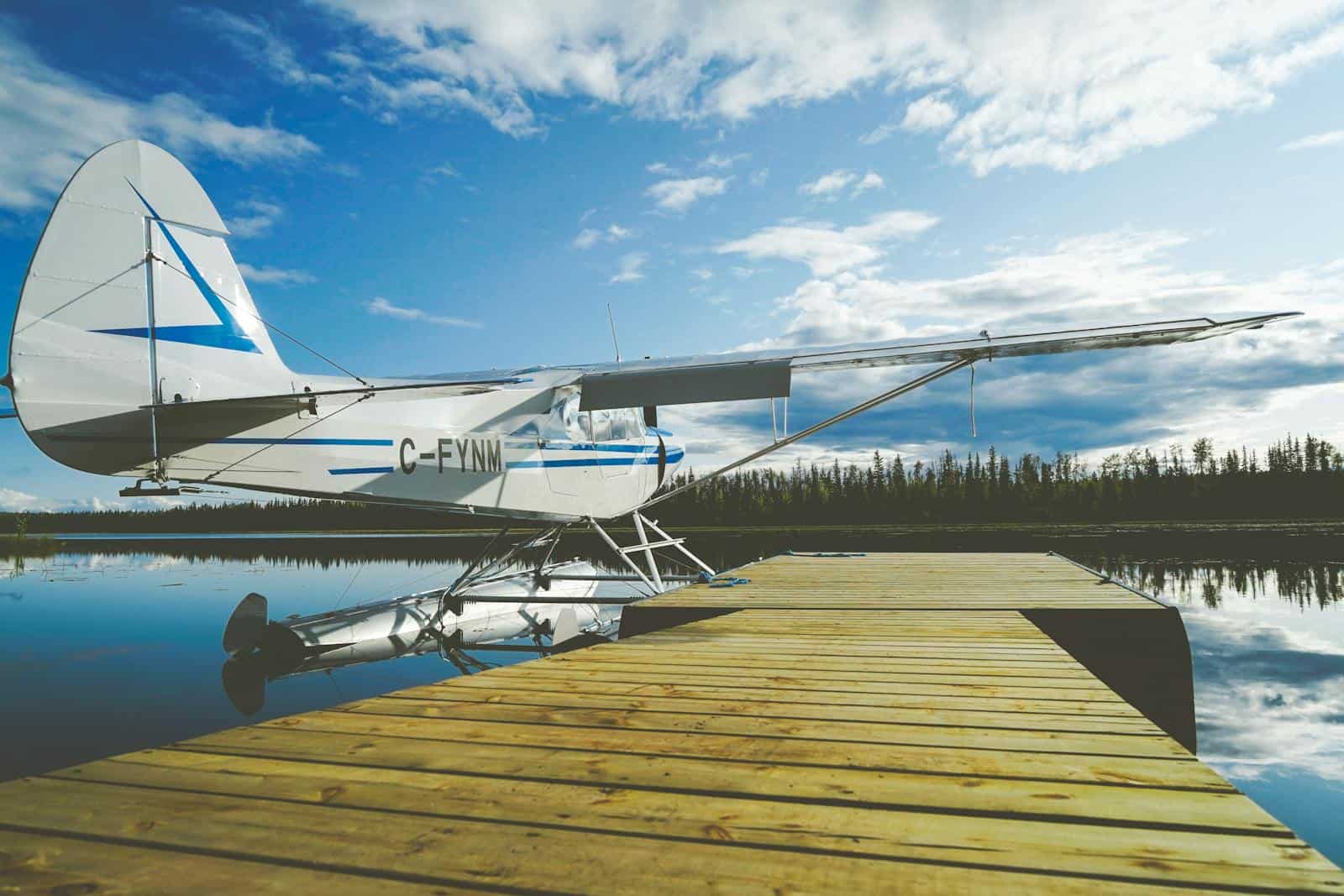
Additionally, examining specific incidents and successes reveals patterns in how 3D-printed aircraft components perform under duress. These narratives, drawn from NTSB equivalents and pilot logs, offer invaluable takeaways for owners eyeing similar upgrades. For instance, the Gloucestershire crash not only halted a flight but sparked global dialogues on part validation.
The December 2025 Cozy Mk IV Crash: A Cautionary Tale
Therefore, on December 6, 2025, a Cozy Mk IV homebuilt veered off-runway at Gloucestershire Airport after its 3D-printed induction elbow softened mid-takeoff, restricting airflow and dropping power to idle. The pilot, with 1,200 hours in type, executed a textbook forced landing, escaping with minor bruises. Post-crash analysis by the AAIB pinpointed the PLA filament’s low melt point—exacerbated by a 90°C engine bay—as the culprit, with no prior heat cycling tests documented.
However, this wasn’t isolated; the part, bought at a U.S. airshow, bypassed import checks, highlighting gaps in cross-border FAA certification for 3D parts. Lessons learned include mandatory thermal imaging pre-install and sourcing from certified vendors. For seaplane pilots, where humidity accelerates degradation, this case stresses sealed storage. As one reviewer noted, “It was a cheap fix that nearly cost everything—now I anneal every print.”
Moreover, the fallout prompted the Light Aircraft Association to mandate dual approvals for plastic mods, a model the FAA may adopt. This event, while sobering, accelerated safer practices, reminding us that vigilance turns near-misses into progress.
Success Story: Custom Brackets for a Vintage Fleet
On the other hand, consider a Texas-based flying club restoring five 1940s Luscombes. Facing $800 OEM cowl brackets, they 3D-printed nylon equivalents using 100% infill and carbon fiber reinforcement. Tensile tests hit 1,200 psi—exceeding specs—after 20 iterations. Installed in 2024, these have logged 500 hours without issues, cutting costs by 85%.
For example, the lead A&P emphasized FAA Form 337 sign-offs, crediting homebuilt community webinars for guidance. A subtle advantage: the prints’ slight flexibility absorbed vibrations better than rigid metal, reducing fatigue cracks. Bush pilots adapting this for tailwheels report smoother rough-field ops, with one noting a 10% landing gear lifespan extension.
As a result, this collective effort not only saved funds but fostered community sharing of STL files via secure repositories. It exemplifies how additive manufacturing in aviation empowers grassroots innovation when grounded in testing.
Liebherr’s Hydraulic Valve Block: Scaling Up for GA Inspiration
Furthermore, while larger-scale, Liebherr’s 2023 certification of a 3D-printed primary flight control valve block offers blueprints for small aircraft. Printed in titanium via laser powder bed fusion, it slashed weight by 40% and production time from 6 months to 2 weeks. Though aimed at commercial helos, GA rotorcraft owners have adapted the process for swashplate fittings, gaining FAA nods under experimental rules.
However, the key was rigorous non-destructive testing—CT scans revealing 99.9% density. For private pilots, this translates to using portable X-ray kits for home verifies, a $500 investment yielding peace of mind. One R44 owner printed a similar part in 2025, enduring 200 hours of hover training flawlessly.
In addition, insurance firms cited this as a benchmark, lowering rates for documented AM parts. Such cross-pollination from industry giants fuels optimism, proving 3D-printed aircraft components can evolve from novelties to necessities.
Forum Favorites: Non-Critical Prints from Pilot Experiences
Meanwhile, everyday pilots on aviation forums rave about 3D-printed aircraft components for interiors—like bezels and vent covers. A Cessna 182 owner printed ABS knobs in 2024, surviving 300 humid Florida hours without fading. Tips include 0.2mm layer heights for smooth finishes, avoiding the “stair-step” effect.
For student pilots, these low-stakes projects build skills; one shared printing a yoke emblem that doubled as a checklist holder. Yet, even here, UV testing prevented cracking. Collectively, these anecdotes show additive manufacturing in aviation’s versatility, from gadgets to gear, when kept appropriate.
Therefore, as shared stories proliferate, they demystify the tech, encouraging safe experimentation. To discover more about building an aviation career, click: https://e3aviationassociation.com/e3-aviation-association-pilot-manifesto/.
These cases illuminate paths forward, blending caution with creativity. Now, let’s forecast where 3D-printed aircraft components are headed, informing your next hangar project.
Trends and Future Outlook for Additive Manufacturing in Aviation
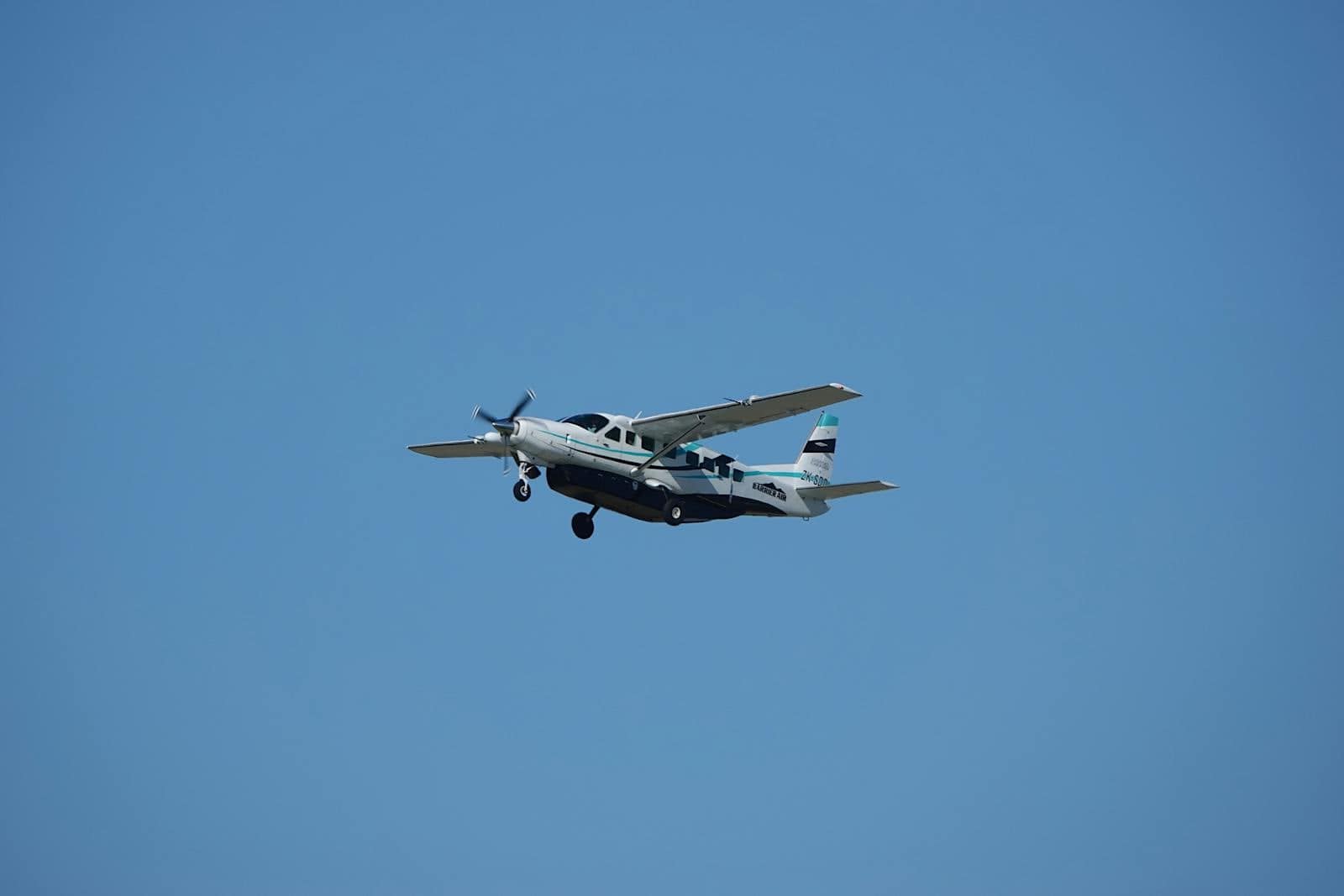
Moreover, the trajectory of additive manufacturing in aviation points to exponential growth, with general aviation at the forefront. Market analysts predict a 21.5% CAGR through 2035, fueled by metal printing for structural elements and AI-optimized designs reducing material waste by 30%. For small aircraft owners, this means affordable scanners for reverse-engineering obsolete parts, slashing lead times.
Additionally, emerging trends like in-situ printing—envision onboard fabs for mid-flight repairs—could revolutionize bush flying, though FAA certification for 3D parts lags, targeting full guidelines by 2028. Sustainability drives adoption too; recycled filaments cut carbon footprints by 50%, appealing to eco-conscious pilots.
Market Projections: Data-Driven Insights
Therefore, visualize the boom: from $340 million in aerospace materials this year to $1 billion by 2030. In GA, experimental kits could dominate, with 40% of builders incorporating AM by 2027, per homebuilt community surveys. A chart of this growth might show steady climbs, but for owners, it translates to $200 custom props versus $1,000 stock.
On the other hand, challenges like supply chain volatility for rare earth alloys persist, yet hybrid printing—combining FDM with CNC finishing—mitigates this. Pilots forecast drone-delivered filaments for remote ops, enhancing accessibility.
As a result, these shifts promise lighter, greener fleets, but demand proactive upskilling. For example, online FAA-approved courses on AM basics are surging, with enrollment up 25% in 2025.
Practical Impacts: What This Means for Pilots
However, beyond numbers, think analogies: just as GPS transformed navigation, 3D printing redefines maintenance like a personal mechanic in your garage. For seaplane operators, buoyant hull fittings printed on-demand prevent corrosion delays. Trends also spotlight composites; carbon-filled nylons offer 2x strength at half weight, ideal for STOL mods.
In addition, AI integration—auto-generating stress models—will democratize design, but human oversight remains key. A 2025 study found 15% error reductions with software aids, yet pilot intuition caught subtle flaws.
Moreover, global forecasts harmonize regs, easing imports. For E3 Aviation Association members, this opens collaborative design pools, accelerating innovation while upholding safety.
Looking ahead, these developments excite, but ground them in action. Here’s how to apply this knowledge today.
Practical Tips and Best Practices for Implementing 3D-Printed Aircraft Components
For example, begin with non-critical items: print a panel label holder to test your setup. Scale up gradually, always cross-referencing FAA AC 43.13-1B for acceptable methods. Statistics show thorough preflights catch 90% of mod issues, so integrate AM checks into routines.
Tensile Testing at Home: A Pilot’s Guide
Therefore, invest in a $100 digital scale for basic pulls: clamp one end, hang weights until yield, logging elongation. Aim for 15-20% strain before break on aviation-grade filaments. Forums tip: compare to OEM via side-by-side destructs.
However, for precision, partner with local makerspaces offering Instron machines. One owner tested 50 samples, refining prints to match aluminum’s 10,000 psi yield.
As a result, this DIY rigor satisfies inspectors, proving your 3D-printed aircraft components’ mettle.
Choosing the Right Filaments and Printers
Meanwhile, prioritize UL94 V-0 rated for flammability; PETG edges ABS for impact resistance in cockpits. Printer-wise, enclosed models like the Ender 3 Pro prevent drafts, ensuring uniform layers.
On the other hand, a secret for longevity: vapor smoothing with acetone baths seals pores, boosting water resistance for floatplane use. Costs? $30/spool yields 10+ parts.
In addition, track batches with QR codes for traceability, easing FAA certification for 3D parts audits.
These strategies empower, but questions linger. Let’s address common queries head-on.
Soar Higher with Our Free General Aviation and Private Pilot Magazine!
Frequently Asked Questions
Question: Can I legally install 3D-printed aircraft components on my certified plane?
Answer:
Absolutely, but it hinges on FAA certification for 3D parts through an STC or field approval if minor. For certified aircraft, match OEM materials and test rigorously—tensile strength must exceed specs by 1.5x safety factors. Many owners start with interiors, logging 50 hours post-install before full sign-off. Consult your A&P and reference FAA Order 8130.2 for seamless compliance, ensuring your additive manufacturing in aviation efforts enhance rather than endanger flights. This approach not only meets regs but builds a documented history for resale value.
Question: What materials are best for heat-exposed 3D-printed aircraft components?
Answer:
Heat resistance is paramount, so opt for PEEK or PEI filaments, deflecting up to 200°C without softening—ideal for engine bays like in the recent crash scenario. Unlike PLA, these withstand cycles without delamination, per ASTM tests. For budget builds, nylon-carbon blends offer 150°C tolerance at half the cost. Always anneal post-print at 80°C for 2 hours to relieve stresses. Pilots report these choices extending part life threefold in hot climates, aligning with FAA guidelines for durable, safe modifications in general aviation.
Question: How do insurance companies view additive manufacturing in aviation?
Answer:
Insurers are warming to 3D-printed aircraft components, but demand proof—testing reports and install logs—to avoid exclusions. aviation industry organizations policies now cover up to 20% of hull for approved AM parts, with premiums stable if risks are mitigated. A little-known tip: bundle with cyber riders for file security. In claims, documented cases like tensile-verified brackets have led to full reimbursements. Discuss with agents early to tailor coverage, turning potential liabilities into assets for your flying adventures.
Question: Are there free resources for learning FAA certification for 3D parts?
Answer:
Yes, the FAA’s free webinars on experimental airworthiness cover additive manufacturing in aviation basics, including AC 33.15-3 downloads. community YouTube channel offers tutorials on tensile testing, while forums like Beechtalk share STL templates. For hands-on, join local chapters for mentor-led workshops. These tools demystify processes, helping student pilots certify their first 3D-printed aircraft components confidently. Start with the basics, and you’ll soon navigate regs like a pro.
Question: What trends predict the future of 3D-printed aircraft components in GA?
Answer:
Expect AI-driven designs cutting prototyping by 50% and sustainable filaments from recycled composites by 2028. Market growth hits 21% annually, with GA leading in custom experimental parts. For owners, this means onboard printers for remote fixes, pending FAA nods. Early adopters see 30% maintenance savings, but success ties to hybrid testing. Stay ahead via industry reports— the skies are printing a more accessible future for all pilots.
Question: How can I test 3D-printed aircraft components at home safely?
Answer:
Begin with vibration tables—$50 DIY rigs simulating engine rumble—and thermal chambers using ovens set to flight temps. Pull tests via fishing line and weights gauge tensile limits, targeting 20% overdesign. Document via photos and spreadsheets for FAA certification for 3D parts. Avoid solo flights initially; ground-run for 10 hours first. This methodical vetting, shared in pilot networks, has prevented issues for thousands, ensuring your additive manufacturing in aviation pursuits soar safely.
In wrapping up, embracing 3D-printed aircraft components demands respect for their power and pitfalls. From the wake-up call of recent failures to the triumphs of tested innovations, the message is clear: innovation thrives on diligence. Pilots who blend creativity with compliance not only safeguard their wings but elevate general aviation’s spirit. As we chart courses into this printed horizon, remember—each layer builds not just parts, but safer skies for generations. So, fire up that printer, but always with a checklist in hand; the adventure awaits those who fly prepared.
This journey through additive manufacturing in aviation reminds us of aviation’s core: passion fueled by prudence. Whether tweaking a taildragger or outfitting a floatplane, these tools empower. Broader implications? A more resilient GA community, less beholden to distant suppliers. Ultimately, as tech evolves, so do we—stronger, smarter, ready to touch the clouds.
Soaring into the future of aviation means harnessing 3D-printed aircraft components wisely, turning potential gaps into gateways of opportunity.
Written by E3 Aviation Team, an experienced group of aviation writers with decades of flight hours, CFI certifications, and contributions to Flying Magazine and aviation industry organizations publications.
For more aviation resources and insights, be sure to visit: https://e3aviationassociation.com/articles/.
To discover more about E3 Aviation visit: https://e3aviationassociation.com/
- FAA AC 33.15-3: Powder Bed Fusion Additive Manufacturing
- homebuilt community Guide to Additive Manufacturing
- NTSB Materials in Aircraft Structures
- aviation industry organizations Experimental Aircraft Maintenance
- AVweb Articles on GA Innovations
The E3 Aviation Editorial Team writes for owner-pilots, student pilots, and the small aircraft community. We focus on practical, real-world content that respects your time and your training. Learn more about E3 Aviation.
Last Updated: 2026-05-10