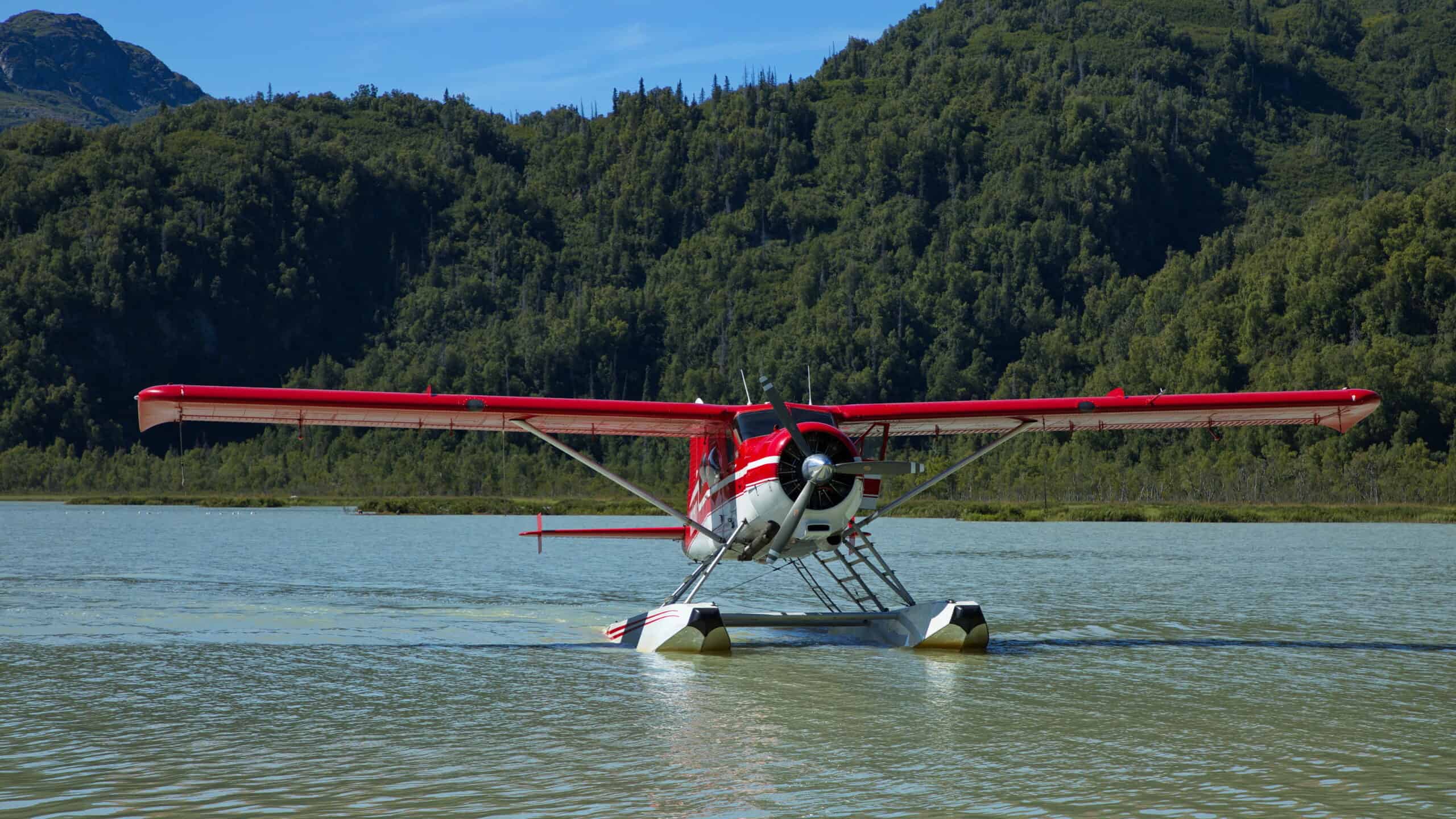
The CubCrafters XCub on amphibious floats is one of the most versatile aircraft in general aviation today. Built in Yakima, Washington, the XCub combines modern manufacturing with the proven Super Cub layout pilots have trusted for decades. Add Wipline 2100 amphibious floats and you have an airplane that operates from grass, gravel, water, and pavement with equal confidence. For owner-pilots looking to expand their flying envelope into seaplane operations and remote backcountry strips, the XCub amphibious package opens up territory most aircraft cannot reach.
What Makes the XCub Built for Float Operations
The XCub started life as a clean-sheet design from CubCrafters, the same company behind the Carbon Cub and the Top Cub. Unlike older Super Cub conversions, the XCub uses modern materials, a stronger fuselage, and certified hardpoints engineered for float operations from day one. That matters when you start adding 300 pounds of float gear to the airframe.
The wing carries a high lift airfoil that produces excellent slow-speed handling. Stall speed sits around 36 mph clean, which translates to short water runs and forgiving touchdowns. The CC393i engine, a Lycoming-derived 186 horsepower fuel-injected powerplant, provides the climb performance pilots need when leaving glassy water on a hot summer afternoon.
Wipline 2100 amphibious floats are the most common choice for the XCub. Their reinforced keel, beefy gear retraction system, and water rudder steering make them well-matched to the airframe. Aerocet 1500A floats are another option for owners who prioritize a lower empty weight.
Here is the part most pilots overlook: float operations multiply the demands on every system. Brakes, retraction selectors, rigging — they all need attention before you ever touch water. The XCub handles this load because CubCrafters engineered the airframe with floats in mind, not as an afterthought.
Inside the XCub Amphibious Spec Sheet
On Wipline 2100s, the XCub typical empty weight runs about 1,425 pounds. Useful load drops from the dry land number, but you still get roughly 715 pounds for fuel, passengers, and gear. That’s enough for a pilot, one passenger, full fuel, and weekend baggage with no overweight worries.
Cruise speed on amphibs runs about 113 mph at 75 percent power, down from 145 mph on tundra tires. Float drag is real, and there’s no getting around it. Range with the standard 50-gallon tanks works out to roughly 425 nautical miles, leaving comfortable reserves for IFR-style fuel planning even in VFR seaplane operations.
Takeoff distance from water is short. Expect liftoff in about 600 feet at gross weight, less in fresh wind. Landing distance is similar — the big flaps and slow approach speed give you a forgiving sight picture every time. Float-equipped airplanes carry their landing gear differently than wheeled aircraft, and getting the sight picture right takes practice. Most XCub owners book a few hours with a seasoned floatplane CFI before flying solo.
Picking Your Float Configuration
You have three real choices: straight floats, amphibs, or a quick-change setup that swaps between floats and tundra tires by season. Each has trade-offs.
Straight floats are lighter, cheaper, and faster on water than amphibs. The trade-off is obvious. You can only land on water. For most owners that limitation kills the deal because it requires hangar dock storage and rules out winter flying off frozen lakes.
Amphibious floats add roughly 80 pounds of retraction gear, hydraulics, and brakes. You give up about 30 pounds of useful load and a few knots of cruise. In return, you can taxi up a ramp, transit cross-country to hard-surface airports, and operate year-round. For most owner-pilots, that flexibility is worth the weight penalty.
Seasonal swaps work for northern operators who fly tundra tires in winter and floats in summer. The conversion takes about a day with the right shop, but the cost adds up — count on $4,000 to $6,000 per swap when labor is included. Most XCub owners commit to one configuration and stick with it.
Wipline owns the mid-tier price point. Aerocets save weight but cost more. Baumann floats are popular in Alaska for their durability. Talk to other XCub owners in your region before you commit — the float choice you make will define your flying for years.
Flying the Amphib XCub on Water and Backcountry
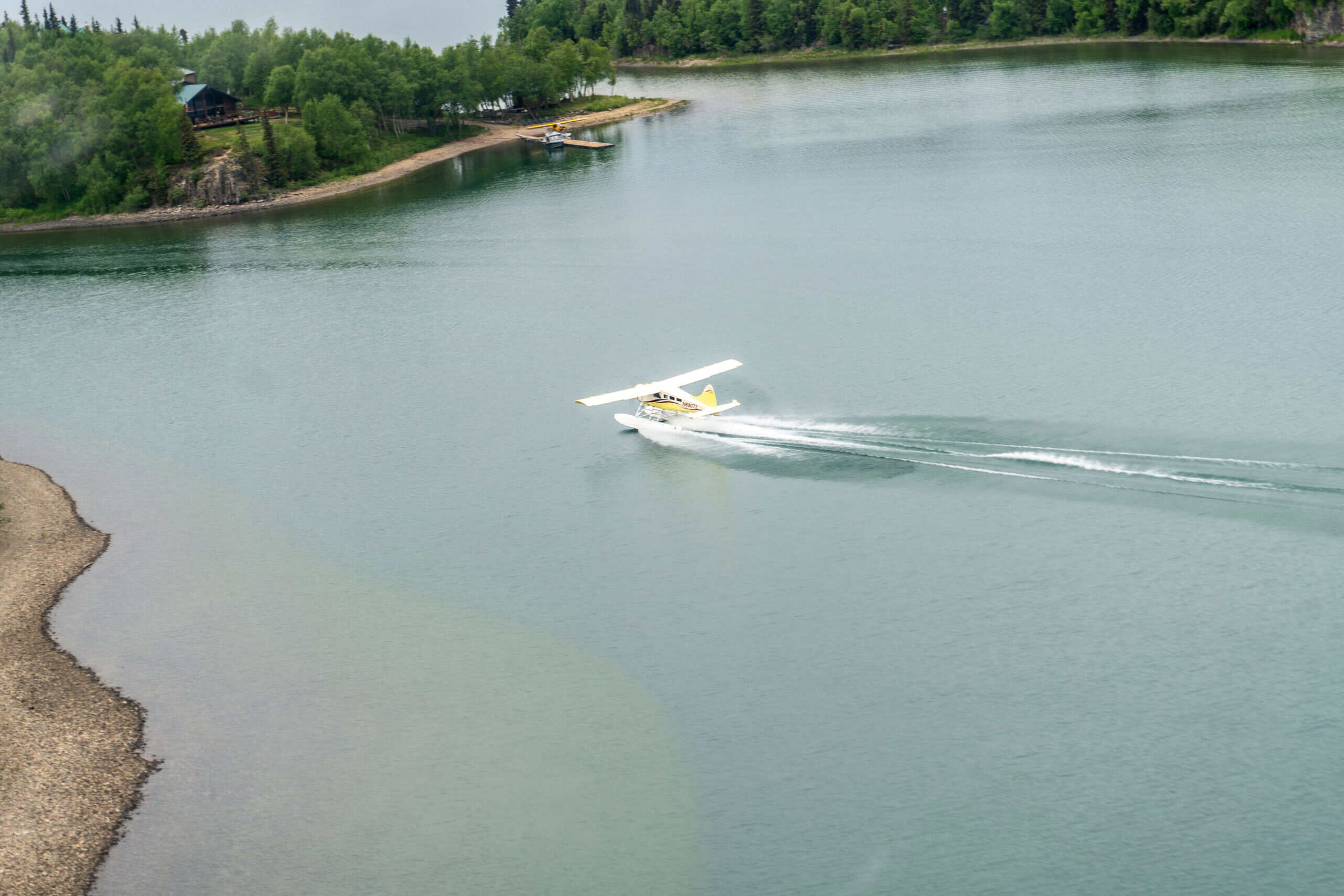
Water flying introduces three things wheel pilots never deal with: sail effect on the floats, wind drift during taxi, and the absence of brakes once you splash down. The XCub responds well to all three because its rudder authority is strong even at slow water-taxi speeds.
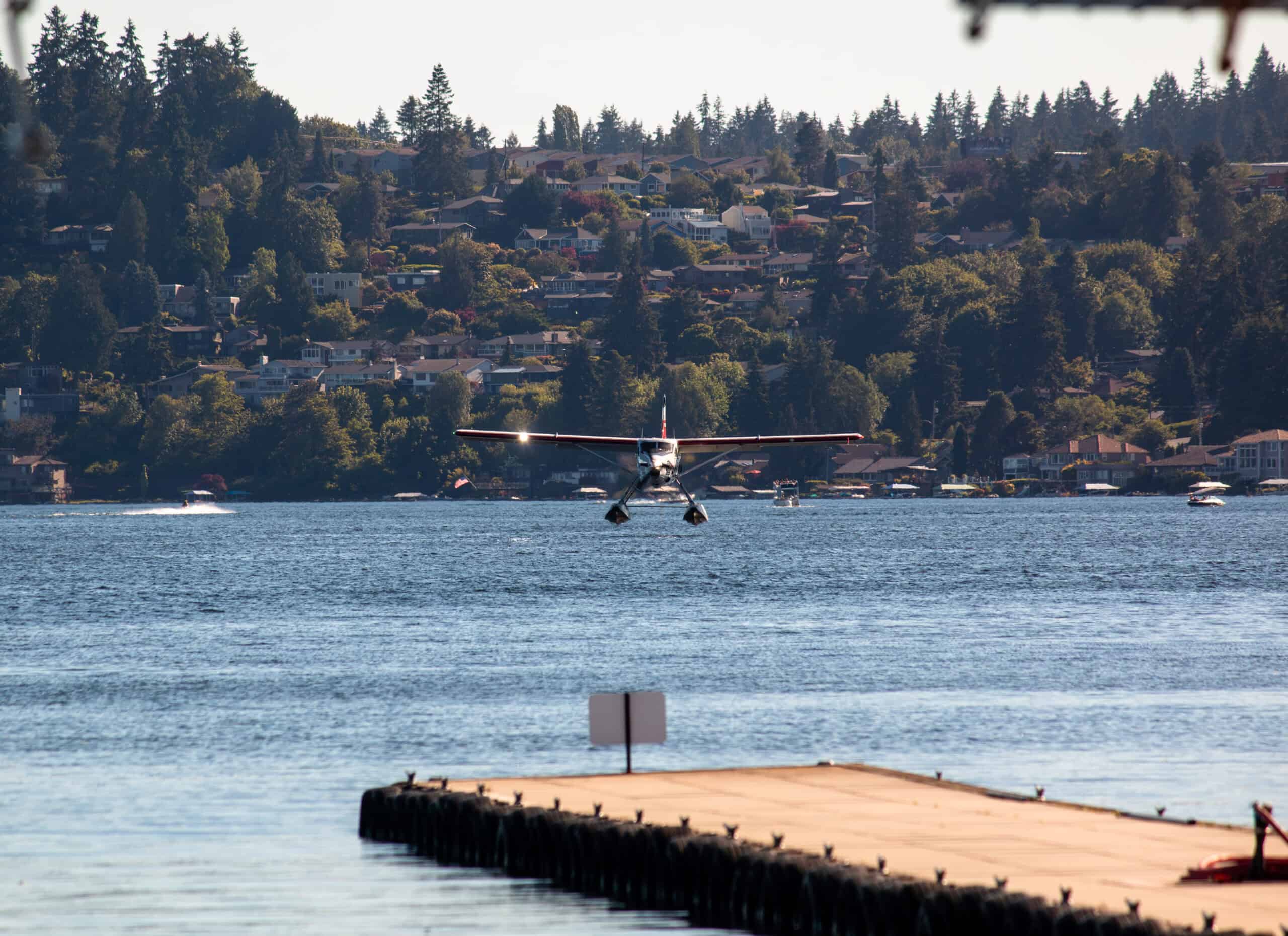
Glassy water landings are the most demanding skill in float flying. With no surface texture to judge altitude, depth perception fails. The technique is to set up a stabilized power-on descent at 50 mph, hold a slight nose-up attitude, and let the airplane fly itself onto the water. The XCub makes this easier than most because its predictable handling lets you trust the airspeed indicator and the attitude sight picture rather than guessing.
Step taxi is where amphib XCubs earn their keep on lakes with mixed wind and chop. Holding the airplane on the step at 25 to 30 mph cuts taxi time dramatically and lets you position for a downwind departure without burning fuel idling at displacement speed.
For backcountry strip operations, the XCub on amphibs is heavier and slightly less nimble than a tundra-tire version, but the brakes give you stopping power that pure floatplanes can never match. Idaho and Montana strips that are normally tundra-tire territory open up to amphib pilots who learn to use the wheel-only configuration confidently.
Our take: most owners overestimate how often they will use the float side and underestimate how often they will need brakes on a paved ramp. If you fly more than half your hours from hard surfaces, amphibs are the right call almost every time.
Buying Into XCub Amphibious Ownership
A new XCub on Wipline 2100 amphibious floats lists in the $570,000 to $620,000 range as of 2026, depending on options like the Garmin G3X Touch panel, autopilot, and interior upgrades. Used pre-owned XCub amphibs occasionally come on the market in the $400,000 to $500,000 range when sellers are motivated.
Operating costs run higher than wheel airplanes because float maintenance is unforgiving. Expect $200 to $400 per year for water rudder hardware, $1,500 to $2,500 for biennial float inspections, and $8,000 to $12,000 every five to seven years for float refurbishment. Hull insurance also runs higher because amphib accidents tend to be more expensive when they happen.
Insurance for a low-time amphib pilot can be steep. Plan for $5,000 to $9,000 annually until you log 100 hours of float time, after which premiums normalize. Most underwriters require a seaplane rating plus 10 hours of dual in make and model.
The seaplane rating itself takes most pilots about 8 to 12 hours of dual. The FAA written test is brief, and the practical test focuses on water handling, weather assessment, and the unique judgment calls float pilots face. Many XCub buyers schedule their seaplane rating during airplane delivery so they can fly home on floats. Resources from the FAA pilot section are a good starting point.
The community matters. Active owner-pilot groups, the seaplane pilot community, and regional fly-ins give new owners a place to ask questions and learn the unwritten rules of float flying. Flying Magazine and General Aviation News both run periodic seaplane and backcountry coverage worth tracking.
How the XCub Compares to Other Amphibious Singles
The XCub on amphibs lives in an interesting market segment. It competes with the Aviat Husky A-1C on Aerocet 1500A floats, the Murphy Moose, and the venerable Piper Super Cub on Edo or Wipline floats. Each represents a different philosophy.
The Husky is heavier and built for slightly longer cross-country missions. Its useful load with full fuel is comparable to the XCub but cabin width feels narrower. Many pilots who have flown both note that the Husky is more stable in turbulence while the XCub is more responsive at slow speeds — exactly what you want during glassy water work.
The Murphy Moose is a kit-built option that costs less to acquire but demands hundreds of hours of builder labor and a willingness to manage a non-certified airframe. For owner-pilots who want to fly more than build, the certified XCub is usually the better path.
The Piper Super Cub on floats is the classic that started this whole category. Used Cub amphibs in good shape sell in the $90,000 to $180,000 range depending on engine time, float condition, and panel. They are slower, less powerful, and less comfortable than an XCub, but their parts availability and instructor base remain strong everywhere from Maine to Alaska.
Honestly, this is where we’d push back on assumptions about new-versus-used. A solid Super Cub on floats with a fresh engine and proven floats may be the smarter financial decision for someone flying 50 hours a year. The XCub earns its premium when you’re flying 150+ hours annually and want modern avionics, glass, and a warranty-backed airframe.
The Real Maintenance Calendar Float Owners Should Plan For
Wheel airplane owners think in terms of annual inspections and oil changes. Float owners add a second maintenance dimension that wheel pilots never deal with. Here is what a realistic calendar looks like for an XCub on amphibious floats.
Every 100 hours: standard engine oil change, prop torque check, water rudder cable inspection, retraction system function test, and a bilge pump check on each float. Total shop time runs about 4 hours if no issues are found.
Every annual: full inspection per FAR 91.409, plus float pump-out, structural inspection of float bulkheads, gear retraction cylinder service, and a leak test on each float compartment. Plan for 25 to 35 shop hours and $4,000 to $6,500 in labor and parts depending on your shop’s rates.
Every five to seven years: full float refurbishment. This includes pulling the floats off the airplane, paint stripping, structural inspection, repair of any corrosion or impact damage, repaint, new wear plates, and re-installation. Budget $8,000 to $14,000 per float pair, plus a week or two of downtime.
Every five years: brake overhaul on amphib floats. The brake calipers and master cylinders take a beating from saltwater and grit. Skipping this leads to brake fade at the worst possible time — landing on a short hard-surface runway after a long water flight.
Where Pilots Actually Use Their XCub Amphibs
The romantic vision is Alaska bush flying. The reality for most US-based owners is the Great Lakes, Florida lakes, the Pacific Northwest coast, and the Northeast Adirondack region. Each has its own seasonal patterns and operational quirks.
Florida lake operations are year-round but require respect for thunderstorm activity from late spring through summer. Owners base out of hard-surface airports like Lakeland or Winter Haven and fly to thousands of named lakes within an hour’s flight. Hull insurance in Florida runs slightly higher because of named storm exposure.
Pacific Northwest pilots often run Wipline 2100s with the longer range tank option. Puget Sound, the San Juan Islands, and British Columbia coastal waters open up an enormous flying region. Weather demands diligent planning — marine layer fog can trap you on a remote island for days if you misread the forecast.
Great Lakes operators face short seasons but spectacular flying. Most based on amphibs lock the floats away by mid-October when ice starts forming on small inland lakes. Northern Wisconsin and Minnesota are particularly popular, with the Boundary Waters region a magnet for backcountry-minded owners.
Northeast Adirondack flying is shorter still — typically May through September — but the lakes and remote strips offer some of the most beautiful flying in the country. Insurance rates here are favorable because the operating window is short and most pilots accumulate slow but steady hours.
Pre-Purchase Checklist for Used XCub Amphibs
If you are shopping the used market, run through this list before signing anything. The most expensive surprises in float ownership come from corrosion and undocumented impact damage that a casual walk-around will miss.
Float interior inspection: pump out every compartment and check for water. Trace any moisture to its source. Small leaks become big problems on cold winter mornings when ice expands seams. Have your A&P borescope at least the rear-most compartments where water tends to pool.
Retraction system test: cycle the gear 10 times in a row from the cockpit and watch for sluggish hydraulic response. Listen for cavitation in the pump. A weak pump is a $2,500 to $4,000 fix.
Brake condition: amphib brakes wear faster than wheel-only brakes because pilots use them harder during short hard-surface landings. Worn pads are cheap. Heat-damaged calipers are not. Inspect for warped discs.
Logbook scrutiny: confirm every float STC, modification, and recurring service bulletin is documented. Float repairs that were not signed off properly create headaches at sale time and during insurance claims.
Frequently Asked Questions
How much does an XCub on amphibious floats actually cost to operate?
Plan for $250 to $325 per flight hour all-in, including fuel, oil, reserves for engine and prop overhaul, float maintenance, and insurance. That’s roughly 30 to 40 percent more than the wheel version of the same airplane.
Do I need a seaplane rating to fly an amphibious XCub?
Yes. Operating from water requires an ASES (Airplane Single-Engine Sea) rating. The training adds about 10 hours of flight time and a checkride to your existing pilot certificate. Most pilots find the rating fun and immediately useful.
Can the XCub still operate from rough strips when on amphibious floats?
Yes, and that’s the whole point. Amphib floats let you land on hard surfaces, grass strips, and water in the same flight. Be aware that ground roll is longer than tundra-tire configurations, and brake wear is higher because the float gear is heavier.
The E3 Aviation Editorial Team writes for owner-pilots, student pilots, and the small aircraft community. We focus on practical, real-world content that respects your time and your training. Learn more about E3 Aviation.
Last Updated: 2026-05-09