Wing Tips from the Tower: Key Insights for Pilots of All Levels | Aviation Communication Trends
Aviation is a world where precision meets passion, and communication is the glue that holds it all together. Recently, a lively hangar talk with local flight service officers and tower controllers revealed some fascinating insights into aviation communication trends. These discussions, which I’ve dubbed “wing tips,” highlight common issues and emerging patterns between pilots and air traffic control (ATC). Whether you’re a student pilot or a seasoned aviator, these takeaways offer valuable lessons. Let’s explore four key topics that surfaced, blending practical advice with a few surprises along the way.
Extending Downwind: Don’t Wait for Final Clearance
For newer pilots, navigating the traffic pattern at a towered airport can feel like a high-stakes dance. One common instruction you’ll hear is, “Extend downwind, I’ll call your base.” It’s straightforward enough—ATC wants you to stretch your downwind leg to sequence traffic, like a Cessna on final for Runway 9. However, a surprising trend has controllers scratching their heads. After calling your base—“N123AB, turn base”—some pilots freeze, expecting ATC to explicitly say “turn final” too. Here’s the catch: once you’re in the pattern, controllers assume you’ll complete the turn to final unless told otherwise. This hesitation can snarl traffic flow. For more on mastering pattern work, check out Flying the Pattern Like a Pro on the E3 Aviation Association site. Next time, trust your instincts after that base call—it’s your move.
Following Traffic: Clearance Isn’t Implied
Picture this: you’re in a Cessna 172, extending downwind, and ATC says, “N123AB, you’ll be following a Learjet on a three-mile final.” Sounds clear, right? Yet, a growing number of pilots—especially newer ones—misinterpret this as clearance to turn base once they spot the traffic. In reality, phrases like “traffic at your 11 o’clock” or “expect to turn behind the Learjet” are just heads-ups, not permissions. Controllers have noticed pilots swinging into the pattern prematurely, creating close calls. The fix? Wait for explicit instructions like “cleared to turn base” or “number two, cleared to land.” A little-known secret: at busy airports, controllers often rely on your visual separation skills more than you might think. Patience here can prevent a heart-pounding moment.
The Approach Handoff: How Much Info Is Too Much?
Now, let’s shift gears to a topic that’s stirring debate among seasoned pilots and controllers alike. You’re on an IFR approach, cleared by approach control for Runway 9, and handed off to the tower. Do you check in with just your call sign—“Tower, N123AB”—or do you add details like “four miles from the final approach fix”? Tower controllers at busy airports often prefer the short version. Why? They’ve already got your data from the handoff—altitude, position, even your fuel status in some cases. Yet, some pilots insist on the full rundown, sparking a subtle tug-of-war. Interestingly, at smaller fields, a quick position report might still be welcome. The trend leans toward brevity, though. For a closer look at IFR nuances, visit IFR Flying Tips on www.e3aviationassociation.com. So, next time, keep it concise unless prompted—controllers will let you know if they need more.
 Situational Awareness: Lights, ATIS, and Crossed Runways
 Situational Awareness: Lights, ATIS, and Crossed Runways
Finally, let’s talk about a cluster of habits that can make or break your day, especially for students and newer pilots. First up: ATIS. Too often, pilots grab the basics—wind, runway, altimeter—and flip to tower without hearing the full broadcast. Miss the part about “Runway 9 and 31 in use, hold-short operations in effect,” and you’re blind to crossing traffic. One pilot I flew with nearly missed a departing jet on 9 while landing on 31 because of this. Second, landing lights. Tradition holds that you flip them on only when cleared to take off or land—not while lining up and waiting. It’s a subtle signal to others of your intent. Lastly, always glance at intersecting runways. A quick peek could’ve caught that jet rolling out. These small habits build a sharper aviator.
Why Communication Matters
At its core, aviation thrives on clear, concise exchanges between pilots and ATC. These wing tips reveal a big idea: miscommunication, even minor, can ripple into bigger issues. From assuming clearance to skipping critical ATIS details, the trends show where gaps form. For students, it’s about building habits early. For veterans, it’s a chance to refine instincts. Resources like Pilot Communication Skills or ATC Collaboration on www.e3aviationassociation.com can sharpen your edge. The takeaway? Stay proactive—verify when in doubt, and keep the conversation flowing smoothly.
Next Steps for Aviators
Ready to level up? Start by chatting with your instructor or hangar buddies about these trends. Share your own tower tales—have you noticed similar patterns? Better yet, join a local pilot meetup or webinar—some, like those hosted at www.e3aviationassociation.com, even feature controllers spilling their own secrets. Your next flight could be smoother than ever. For more aviation resources and insights, be sure to visit: https://e3aviationassociation.com/category/aviation-articles/.
External Resources
- FAA Air Traffic Publications – Official ATC guidelines and resources.
- aviation industry organizations Training and Safety – Practical tips for pilots.
- Boldmethod – In-depth aviation articles and tutorials.
- AVweb – News and insights for aviators.
- Flight Global – Trends and analysis in aviation.
What Tower Controllers Wish Pilots Knew
Conversations with experienced tower controllers reveal consistent themes about what they wish pilots understood better. The themes affect daily operations and contribute to broader system efficiency.
Plan Your Calls Before Keying the Mic
Controllers handle multiple aircraft simultaneously. Pilots who plan their transmissions before keying the mic save controller workload. Pilots who think aloud on frequency double the radio time their interactions require.
The few seconds invested in preparing the transmission pay back across smoother interactions. Controllers handle prepared pilots faster and with fewer back-and-forth clarifications.
Use Full Callsigns Until ATC Abbreviates
Some pilots abbreviate their callsign early in interactions. This creates confusion when other aircraft have similar callsigns. The proper pattern is to use the full callsign until the controller abbreviates first.
Even after the controller abbreviates, returning to the full callsign in moments of confusion or stress helps everyone. The brief loss of efficiency is worth the clarity.
Read Back Numbers Specifically
Altitudes, headings, speeds, frequencies, and runway numbers all need explicit readback. Generic “roger” or “wilco” doesn’t confirm what the pilot heard. The specific readback catches errors before they become problems.
Many controllers will repeat numbers if they didn’t hear a proper readback. The few seconds for the readback pays back compared to the time spent correcting situations created by missed instructions.
Acknowledge Help When Appropriate
Controllers helping pilots through complex situations appreciate acknowledgment. A simple “thanks for the help” on a hard handoff or after vectors that worked well builds rapport. Controllers remember pilots who acknowledge their effort.
Don’t Step on Other Transmissions
Listen before keying the mic. Stepped-on transmissions force everyone to repeat themselves. Patient pilots who wait their turn move through the airspace faster than aggressive pilots who interrupt.
Ask Questions When You Need To
Controllers prefer questions to assumptions. If you didn’t catch the instruction, ask for repeat. If you don’t understand a clearance, request clarification. Asking is professional. Pretending and getting it wrong is not.
The Pilot Side of Tower Operations
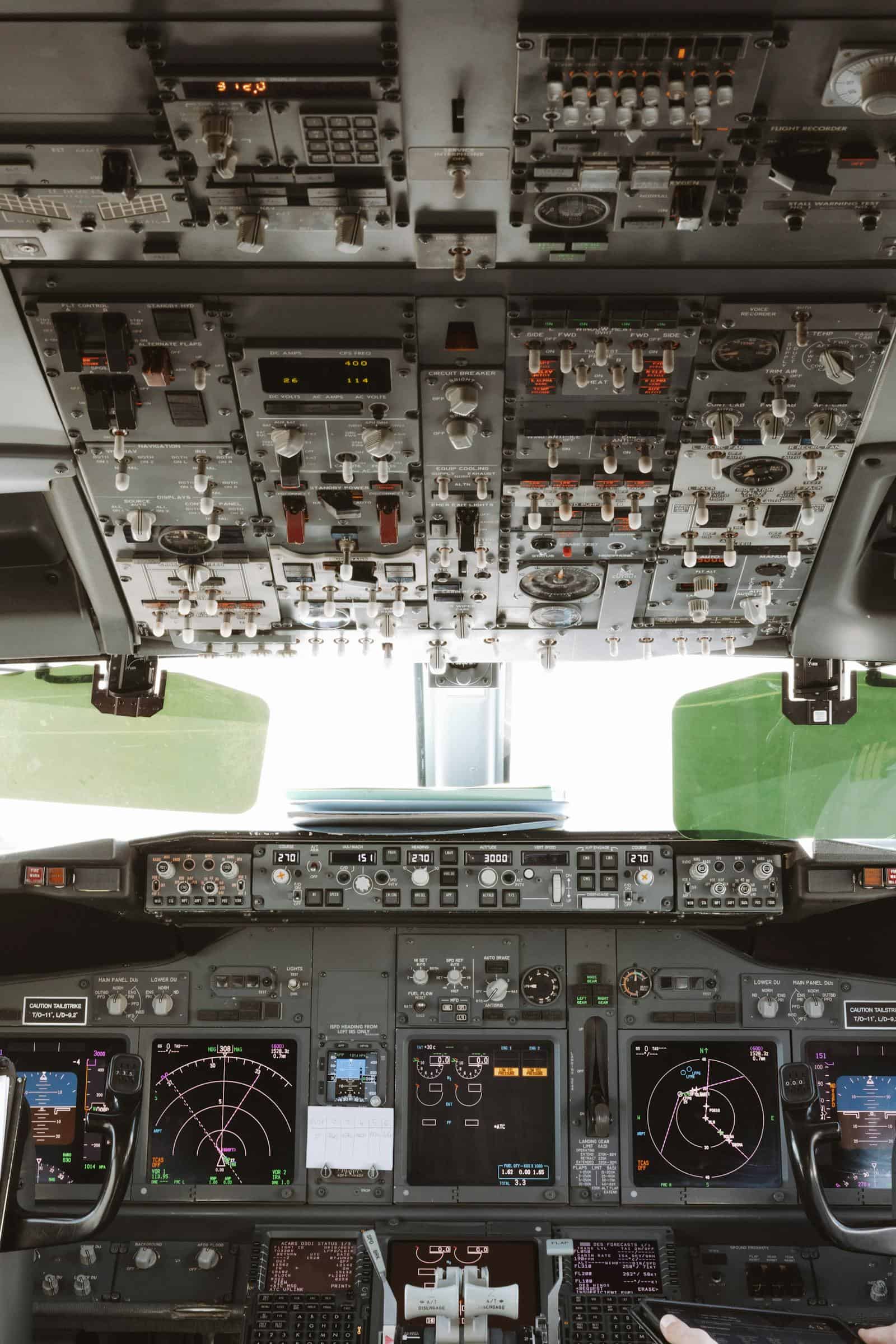
Understanding tower operations from the controller perspective improves pilot interactions meaningfully. Controllers work multiple positions, handle constant traffic, and manage continuous information streams. The pilots who recognize this work behave differently than pilots who treat controllers as transactions.
Visit a tower if your local airport allows it. Most controlled airports support occasional pilot visits to the tower for educational purposes. The perspective gained changes how you communicate over years of subsequent flying.
The Pilot-Controller Partnership
Effective ATC interaction depends on pilots and controllers operating as partners rather than transactional counterparts. The pilots who treat controllers as partners and act on partnership principles consistently move through airspace more smoothly than pilots who treat the system as adversarial.
Common Mistakes Pilots Make on Frequency
Several mistakes recur across pilot operations. Hot-mic transmissions that broadcast cockpit conversation. Stepped-on transmissions from impatient pilots. Vague position reports that require multiple clarifications. Argumentative responses to controller instructions.
Each mistake degrades the experience for everyone in the airspace. The pilots who avoid them contribute to smoother operations for everyone. Self-awareness about these patterns is the first step to improving.
Specific Communication Practices That Improve Operations
Beyond standard phraseology, several specific practices improve communication quality. Identifying intentions clearly — “request the option” versus “request the cleared approach” — gives controllers actionable information. Confirming complex clearances by reading back key elements verifies understanding. Acknowledging traffic calls that have been issued shows controllers the information was received.
What Tower Visits Reveal
Pilots who visit ATC facilities consistently report new understanding of operations. Most controlled airports support educational tower visits for pilots. The perspective gained changes how you communicate over years of subsequent flying. The investment of an afternoon is small. The return spans your remaining flying career.
Long-Term Communication Skill Development
Communication skill develops through deliberate practice combined with reflection. The pilots who deliberately work on radio technique over years build communication patterns that distinguish them from pilots who never focus on the skill. The investment pays back across every flight.
Building Mutual Respect With Controllers
Mutual respect between pilots and controllers operates at both the immediate transmission level and the longer-term relationship level. The pilots who consistently behave professionally over years build reputations that controllers recognize. Those reputations sometimes pay back through favorable handling during busy periods.
Final Thoughts on Tower Communication
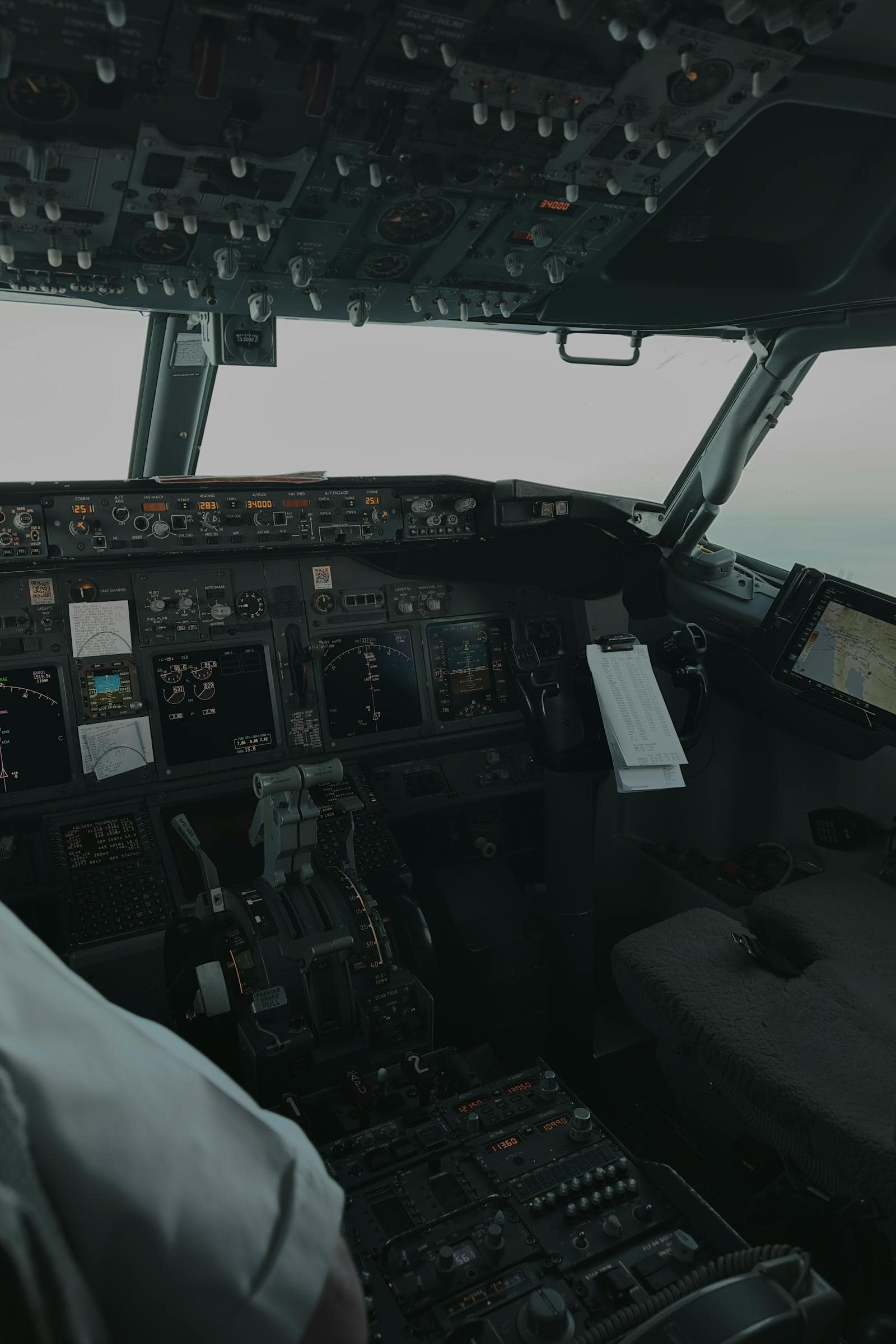
The tower is a partnership opportunity, not a regulatory hurdle. Pilots who treat it as the former build better experiences for themselves and contribute to better airspace operations for everyone. The choice belongs to each pilot every time they key the mic.
The E3 Aviation Editorial Team writes for owner-pilots, student pilots, and the small aircraft community. We focus on practical, real-world content that respects your time and your training. Learn more about E3 Aviation.
Last Updated: 2026-05-14
Related Articles
Final Thoughts and Takeaways
Aviation rewards pilots who commit to ongoing learning and deliberate practice. The patterns discussed in this article apply broadly across aviation operations. The pilots who internalize them over years build careers distinguished by safety, skill, and satisfaction.
For pilots reading this article, the most useful next step is identifying which specific lessons apply most directly to your current flying situation. Focus on the items that match your immediate context. Build the habits gradually. Reflect periodically on how the practice is changing your flying.
The aviation community in this country has earned its reputation through countless small acts of professionalism, learning, and care. Each pilot’s contribution matters. Make yours count by engaging seriously with the discipline at every stage of your flying.
Resources for Continued Learning
Pilots wanting to deepen their understanding of this topic have several resources available. The FAA’s online learning materials cover foundational concepts thoroughly. Aviation publications like Flying Magazine and General Aviation News provide ongoing coverage of how these topics develop in real-world operations. Type-specific communities for the aircraft you fly often have the most directly applicable information.
The investment of time in these resources compounds over years of subsequent flying. Pilots who treat learning as ongoing rather than complete-at-checkride build the depth of knowledge that distinguishes safe career aviators from minimum-meeting pilots.
Building Personal Discipline Around This Topic
The most useful response to any aviation learning is integrating it into personal discipline. Read about a topic. Reflect on how it applies to your flying. Modify your habits accordingly. Track whether the change produces better outcomes. The reflection-and-adjustment cycle is what converts reading into actual skill development.
Pilots who skip the reflection step often read widely without changing their flying. Pilots who skip the adjustment step often reflect without producing outcomes. The full cycle matters more than any single component.
Aviation as a Lifelong Learning Discipline
Every pilot reading this article exists somewhere on a learning trajectory. Some are early in their journey. Others have decades of experience. The pilots who thrive at every stage share a common trait: they remain students of the discipline regardless of their accumulated certificates.
The trait isn’t accidental. Pilots cultivate it through choices made consistently over years. Choosing humility over expertise. Choosing inquiry over assumption. Choosing engagement over passivity. These choices distinguish pilots whose careers span decades from pilots whose careers end after avoidable incidents.
Practical Next Steps
For pilots ready to apply this material in their own flying, the most effective next step is selecting one specific action this week. Reading without action produces interesting conversation but not improved flying. Specific, measurable commitments produce change.
Pick something concrete. Schedule a specific training event. Have a specific conversation with a CFI. Read a specific resource. Practice a specific maneuver. The commitment to one specific item produces more change than vague intention to “be better.”
The Aviation Community Connection
The aviation community in this country has earned its safety record through countless small choices by individual pilots. Each pilot reading this article is part of that community. The choices made consistently across thousands of pilots determine how aviation works as a system. Your individual choices matter both for your own flying and for the broader community standards.
Make your contribution count. The cumulative effect over decades is what shapes whether general aviation remains accessible, safe, and rewarding for future generations of pilots.
Conclusion
Aviation is fundamentally a discipline of preparation, attention, and continuous learning. The pilots who treat it that way build careers worth having. The pilots who don’t tend to find their careers cut short by avoidable problems.
For pilots committed to the long view, the work described in this article isn’t a one-time read — it’s a starting point for ongoing engagement with the discipline. Return to it periodically. Apply what fits your current situation. Continue building the skills and habits that distinguish aviation professionals from casual participants.
Tower controllers and pilots form a working partnership that keeps the airspace system operating safely. Each side benefits from understanding the other side’s perspective and constraints. The pilots who internalize that partnership view tend to communicate more effectively over years of flying.
Closing Notes on This Topic
Every aviation article connects back to the same foundations of preparation, learning, and continuous engagement with the discipline. The pilots who treat the material seriously and apply it deliberately build the kind of flying careers worth having. The pilots who treat aviation as casual recreation rarely reach the depth of skill and satisfaction that serious commitment delivers.
For pilots reading this article, the most useful action is identifying one specific change you can make based on what you read. Specific, measurable commitments produce real change. Vague good intentions rarely do.