The GB2 firefighting aircraft from Game Aerospace represents a new approach to aerial wildfire suppression — a purpose-built, high-payload, single-engine turboprop designed specifically for fire bombing rather than adapted from another role. As wildfire seasons stretch longer and burn hotter across the western U.S., Australia, and southern Europe, the aerial firefighting fleet is being pushed to capabilities the old converted-airliner approach can’t economically meet. This guide breaks down what makes the GB2 different, how it stacks up against the legacy fire-bomber fleet, what GA pilots and aviation operators should know about its operational profile, and where the technology is heading.
Last Updated: May 27, 2026 | By: The E3 Aviation Editorial Team
What the GB2 Firefighting Aircraft Actually Is
First, the basics. The GB2 is a purpose-designed single-engine turboprop fire-bomber built by Game Aerospace, a U.S.-based aerospace company focused on specialty mission aircraft. Unlike the legacy aerial firefighting fleet — converted DC-10s, BAe 146s, P-3 Orions, and various ag-aircraft — the GB2 is built ground-up for one job: deliver retardant or water on a target line, cycle back to a tanker base, reload, and repeat.
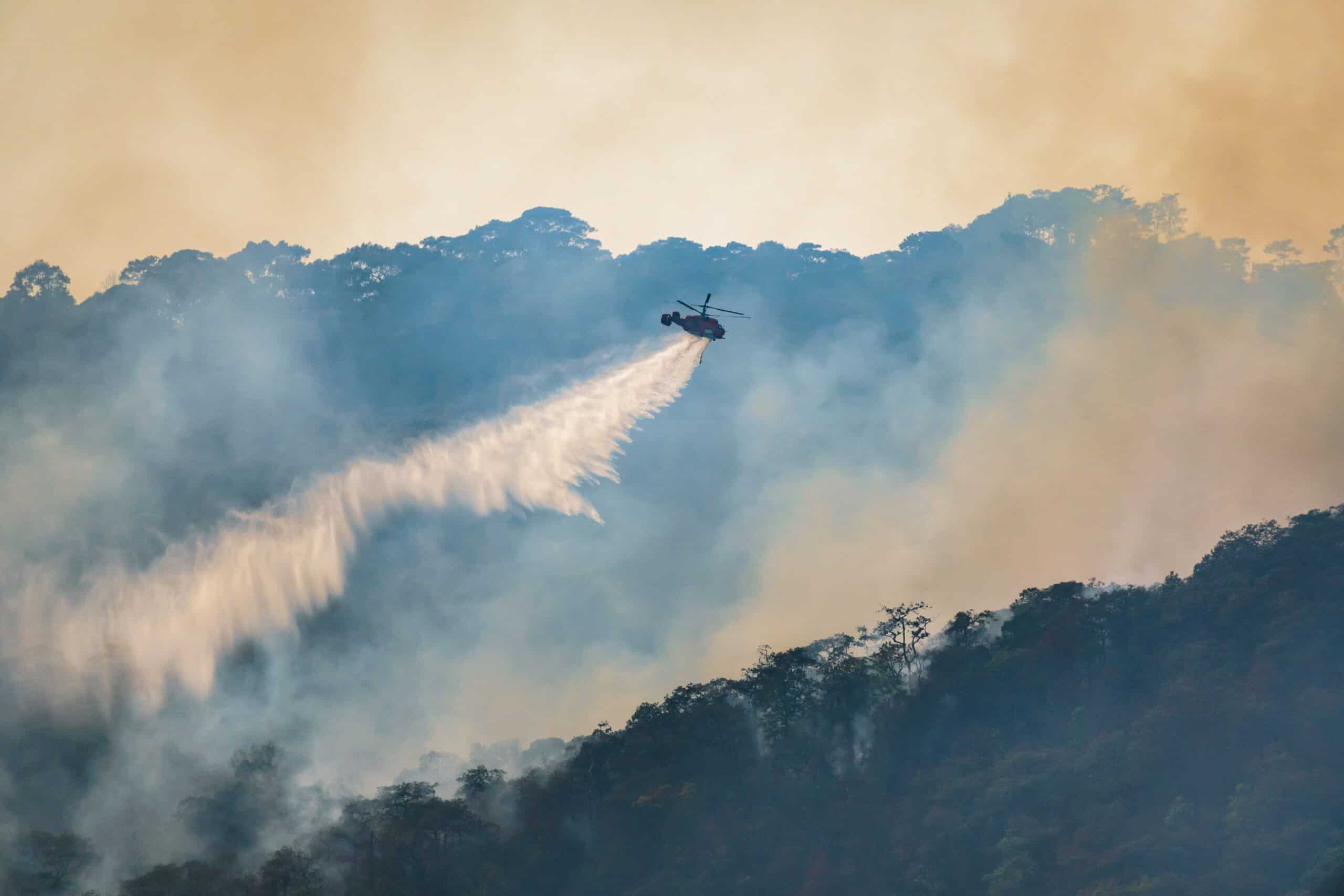
Specifically, the design priorities are: low-altitude maneuverability over rough terrain, structural durability under repeated heavy drops, single-pilot operations to reduce crew costs, fast turnaround at base, and economic operation at the mission utilization rates wildfire seasons demand. Practically, this puts the GB2 in a category by itself in the U.S. market.
How the GB2 Compares to Legacy Fire-Bombers
Conversely, the legacy aerial firefighting fleet was assembled by adaptation, not design. Specifically, large air tankers (LATs) like the DC-10 Air Tanker and BAe 146 are former commercial airliners converted with retardant tanks. Single-engine air tankers (SEATs) — typically Air Tractor AT-802F or Thrush 510G — are agricultural sprayers modified for fire work. Each works, but each carries the compromises of their original design.
The Payload-Per-Dollar Calculation
Critically, the GB2’s value proposition is payload-per-dollar at typical wildfire utilization rates. Specifically, a DC-10 carries 11,600 gallons of retardant — impressive on paper. However, the DC-10’s per-flight-hour cost runs $25,000 to $35,000 including crew, fuel, and overhead. The GB2 carries a smaller load (roughly 800 to 1,200 gallons depending on configuration) but operates at $2,500 to $4,000 per flight hour. For sustained fire-line work close to base, the GB2 economics dominate.
Where the Big Tankers Still Win
Realistically, large air tankers still own the long-haul retardant delivery mission. A DC-10 can ferry a massive load 800+ miles to a remote fire start, dump it, and return. The GB2’s smaller fuel capacity and shorter range mean it works best within 100 to 200 nm of a tanker base. For fire bases close to active burn perimeters, the GB2 advantage is overwhelming. For remote-area initial-attack work where a fire base doesn’t exist nearby, larger aircraft still earn their cost.
The Engine, Airframe, and Tank System
Notably, the GB2 uses a Pratt & Whitney PT6A-67F turboprop — the same engine family found in the Air Tractor 802 and various utility turboprops. Specifically, the PT6A-67F delivers around 1,600 to 1,700 shaft horsepower at takeoff. That powerplant choice provides excellent maintenance support (PT6 mechanics are common at every regional airport), proven reliability in dirty fire-bombing environments, and parts availability that smaller-volume engine families can’t match.
The Tank and Drop System
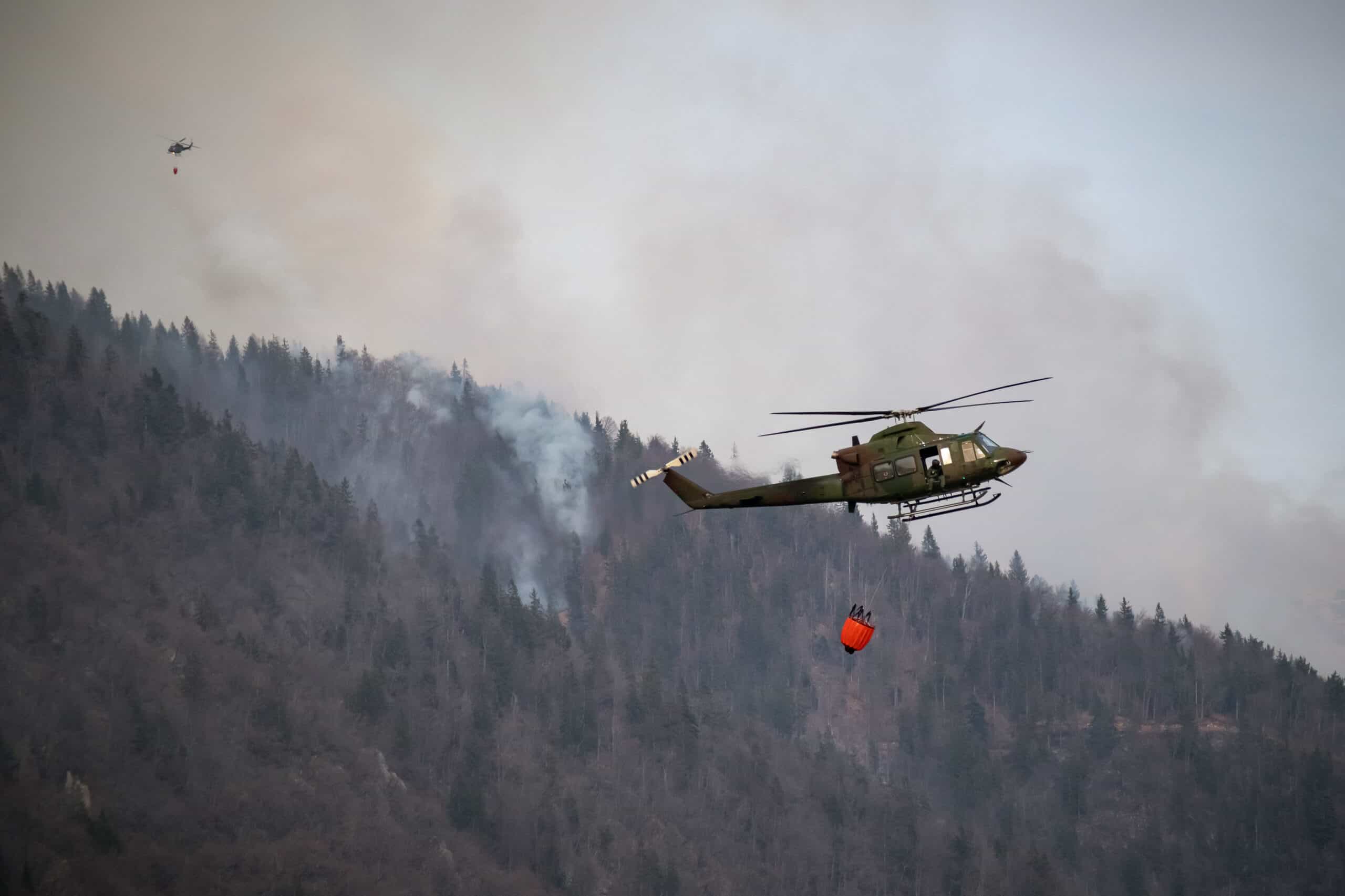
Critically, the GB2’s tank is computer-controlled with variable-flow drop gates. Modern fire-bomber drop systems vary the gate opening to match the desired drop pattern — narrow concentrated drops for fire-line creation, wider thinner drops for retardant blanket. The GB2’s system pulls from current-generation Air Tractor tank technology with additional sensor integration for drop telemetry feedback to ground crews.
Pilot Skills and Training for GB2 Operations
For comparison, GB2 pilots come from one of three pipelines: ex-military helicopter and fixed-wing pilots, agricultural pilots with thousands of hours of low-altitude spray work, and former smokejumper aircraft pilots from Forest Service and CAL FIRE contracts. The common thread is comfort flying low and slow with significant mass changes during each mission profile.
What Low-Level Fire Flying Demands
Honestly, this kind of flying is not for everyone. Fire-bomber pilots fly at 150 to 250 feet AGL through smoke columns with severe and unpredictable turbulence, then drop 800 to 1,200 gallons of retardant in 2 to 4 seconds, then climb out at near-gross-weight back into clean air. The center-of-gravity and weight shifts happen fast. The terrain is often steep, the wind is rotational and turbulent from the fire column itself, and the smoke restricts visibility.
How GA Pilots Can Build Toward This Career
Practically, the path from GA to fire-bombing usually runs through agricultural spray work first. A pilot with 2,000+ hours of ag-spray time (ground-following maneuvering, heavy-aircraft handling, single-pilot decision making) is a strong candidate for an entry-level seat. Some operators also recruit former Forest Service smokejumper pilots and ex-military C-130 or P-3 crews directly. For broader GA career framing, our GA pilot career path guide walks through alternative aviation careers beyond the airline track.
The Wildfire Market Driver
Indeed, the demand for aerial firefighting capacity is rising faster than the supply of trained crews and certified aircraft. Specifically, U.S. wildfire acreage burned has nearly doubled over the past two decades. Insurance industry payouts to property owners in wildfire zones have grown faster still. Government and private contracts for aerial firefighting capacity are at record levels and projected to grow 8 to 12% annually through 2030.
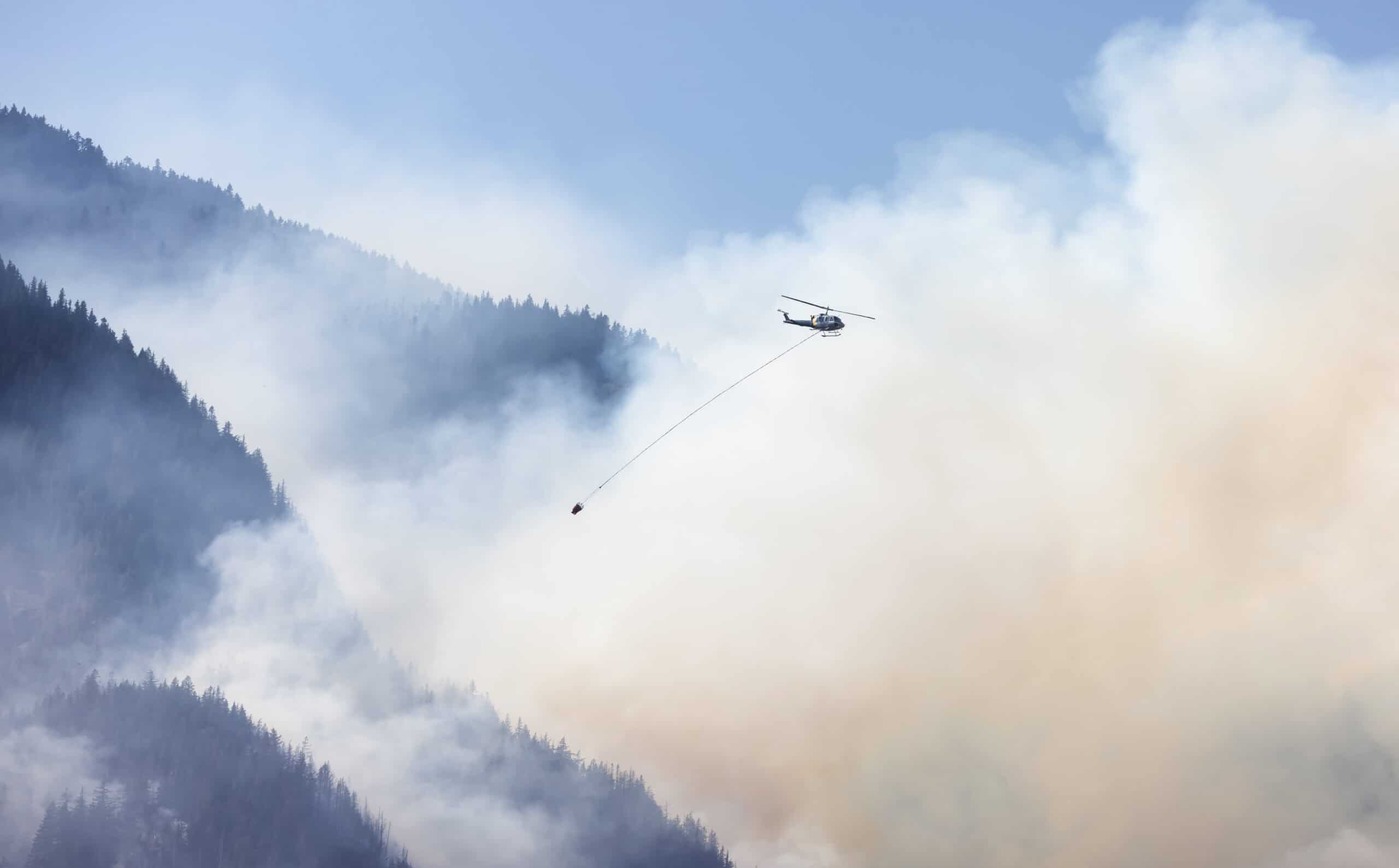
That market trajectory is exactly why Game Aerospace bet on a purpose-built design. Conversely, legacy operators are aging out their converted airliner fleets faster than replacement capacity is being added. The next 5 to 10 years will see significant fleet turnover and an opening for purpose-built aircraft like the GB2 to capture meaningful market share.
Operator Economics and Contract Structure
For comparison, federal wildfire contracts pay aerial firefighting operators a daily availability rate plus a per-flight-hour usage rate. Specifically, a large air tanker contract might pay $25,000 to $40,000 per day available plus $20,000 to $30,000 per flight hour active. A SEAT contract pays $3,500 to $6,000 per day available plus $2,500 to $4,000 per flight hour. The GB2 fits the SEAT contract structure with capability that exceeds typical SEAT performance.
The Future of the GB2 and Purpose-Built Fire-Bombers
Above all, the GB2 represents the first wave of purpose-built fire-bomber design in decades. Eventually, expect to see follow-on variants from Game Aerospace and competing entries from other specialty aerospace manufacturers. Critically, the wildfire market is large enough to support multiple purpose-built designs at different size points — small (under 1,000 gallons), mid (1,000 to 3,000 gallons), and large (3,000+ gallons).
Our take: the aerial firefighting market will look very different in 2035 than it does today. Aging converted airliners will retire. Purpose-built designs like the GB2 will move from boutique to mainstream. The next 10 years are the formative window for the entire category.
What GA Pilots Should Know About Wildfire Airspace
Practically, GA pilots flying anywhere near active wildfires need to understand Temporary Flight Restrictions (TFRs). Specifically, the FAA issues TFRs around active wildfires to keep airspace clear for firefighting aircraft and reconnaissance. Violating a wildfire TFR is a federal offense with serious consequences — and worse, it endangers the lives of firefighting crews. Check NOTAMs religiously and route around any active fire incidents during fire season.
Frequently Asked Questions About the GB2 Firefighting Aircraft
How much retardant can the GB2 firefighting aircraft carry?
The GB2 carries roughly 800 to 1,200 gallons of fire retardant or water depending on the specific tank configuration and mission setup. That’s a mid-range payload — smaller than large air tankers (DC-10 at 11,600 gallons) but in the same class as Air Tractor 802 SEATs (800 gallons). The GB2’s advantage isn’t raw payload — it’s per-flight-hour cost economics combined with purpose-built durability for repeated heavy drops.
How do GA pilots become fire-bomber pilots?
Most fire-bomber pilots come through one of three paths: agricultural spray pilots with 2,000+ hours of low-altitude work, former military helicopter or fixed-wing pilots with similar low-altitude experience, or ex-Forest Service or CAL FIRE contract pilots transitioning to private operators. Direct entry from a typical GA training background is rare — operators want demonstrated low-altitude experience in heavy aircraft before putting you in a fire-bomber seat.
Is the GB2 only used in the United States?
Game Aerospace is U.S.-based and the initial GB2 deliveries are to U.S. operators, but the design is positioned for international markets. Specifically, Australia, southern Europe (Greece, Spain, Italy, France), and parts of Latin America face similar wildfire pressures and are likely export markets. The PT6A-67F engine choice supports global support networks, which makes international sales easier than designs using lower-volume engine families.
Related Articles

E3 Aviation Editorial Team
The E3 Aviation Association editorial team is made up of licensed pilots, aviation educators, and industry professionals dedicated to advancing general aviation safety, community, and education. Learn more about E3 Aviation.