Loss of control in flight (LOC-I) is the single largest category of fatal GA accidents. Year after year, NTSB reports show the same pattern — qualified, current pilots losing aircraft control in conditions that should have been recoverable. The gap between regulatory currency and operational proficiency is where these accidents live, and closing that gap is the most important investment any GA pilot can make.
This guide covers what loss of control actually is, how it develops, what the recovery techniques are, and how to build the pilot proficiency and loss of control awareness that keep you out of the accident reports. Recurrent training, stall and spin practice, upset recovery, and the underlying mental discipline all matter.
What Loss of Control in Flight Actually Means
The NTSB defines LOC-I as departure from normal flight attitudes and trajectories that the pilot is unable to recover. It includes stall/spin accidents, upset recovery failures, departures from controlled flight in unusual attitudes, and the general category of “lost it” accidents where the airframe ends up in attitudes the pilot didn’t intend and couldn’t correct.
The statistics are stark. LOC-I accounts for approximately 40% of all fatal GA accidents — more than mechanical failures, weather, midair collisions, and all other categories combined. The trend has been consistent over multiple decades. Training infrastructure improvements have not meaningfully changed the percentage.
The accident chain is consistent. Pilots find themselves in attitudes outside their training experience, attempt recovery using techniques that don’t apply to the actual situation, and end up in unrecoverable conditions. The initial deviation is often modest — a steeper-than-comfortable turn, a stall during a base-to-final turn, a power loss during climb-out. The fatal outcome traces back to inadequate recovery skills, not the initial deviation itself.
The Currency vs. Proficiency Gap
Regulatory currency requirements — three takeoffs and landings every 90 days, a flight review every 24 months — establish the legal minimum for carrying passengers. Operational proficiency requires significantly more practice than the regulatory minimums.
The skills that prevent LOC-I accidents — coordinated stalls, recovery from unusual attitudes, crosswind landings under variable conditions, slow flight at the edge of stall — degrade quickly with infrequent practice. A pilot who hasn’t practiced power-on stalls in 18 months has lost most of the muscle memory and confidence that recovery requires. When the situation that needs that skill appears, the response is often hesitant, under-controlled, or wrong.
The mitigation is structured, frequent practice. Most career-pilot training programs include monthly proficiency flying — specifically designed practice of emergency procedures, stall recovery, unusual attitudes, and other skills that aren’t practiced during normal mission flying. Owner-pilots who adopt similar disciplines — quarterly proficiency sessions with a CFI, annual upset recovery training, formal recurrent simulator work — see dramatically lower accident rates than pilots who fly only their missions.
Stall Recovery: The Foundation That Pilots Lose Fastest
Stall recovery is the first emergency skill every pilot learns and the one most pilots stop practicing soonest after the checkride. The recovery technique itself is straightforward: reduce angle of attack (push the nose down), add power, and recover wings-level. The challenge is recognizing the stall before it develops into a spin, and committing to the recovery action without hesitation.
The reasons pilots stall when they shouldn’t are predictable. Distraction during pattern work. Overshooting final and pulling back to extend the turn. Crosswind compensation that loads the inside wing during base-to-final. Operations near critical angles of attack with thin margin for control input errors. Each scenario is documented across multiple accidents per year.
The prevention is twofold: maintain coordinated flight at all times, and don’t operate near the stall except deliberately. Pilots who scan for the rudder ball, who avoid steep turns at low airspeeds, and who add power immediately when they sense the airplane getting slow rarely end up in unwanted stalls. Pilots who let the rudder ball drift, who tighten turns without adding power, and who treat slow flight as a normal operating regime end up in stalls they didn’t expect.
Spin Awareness and Recovery
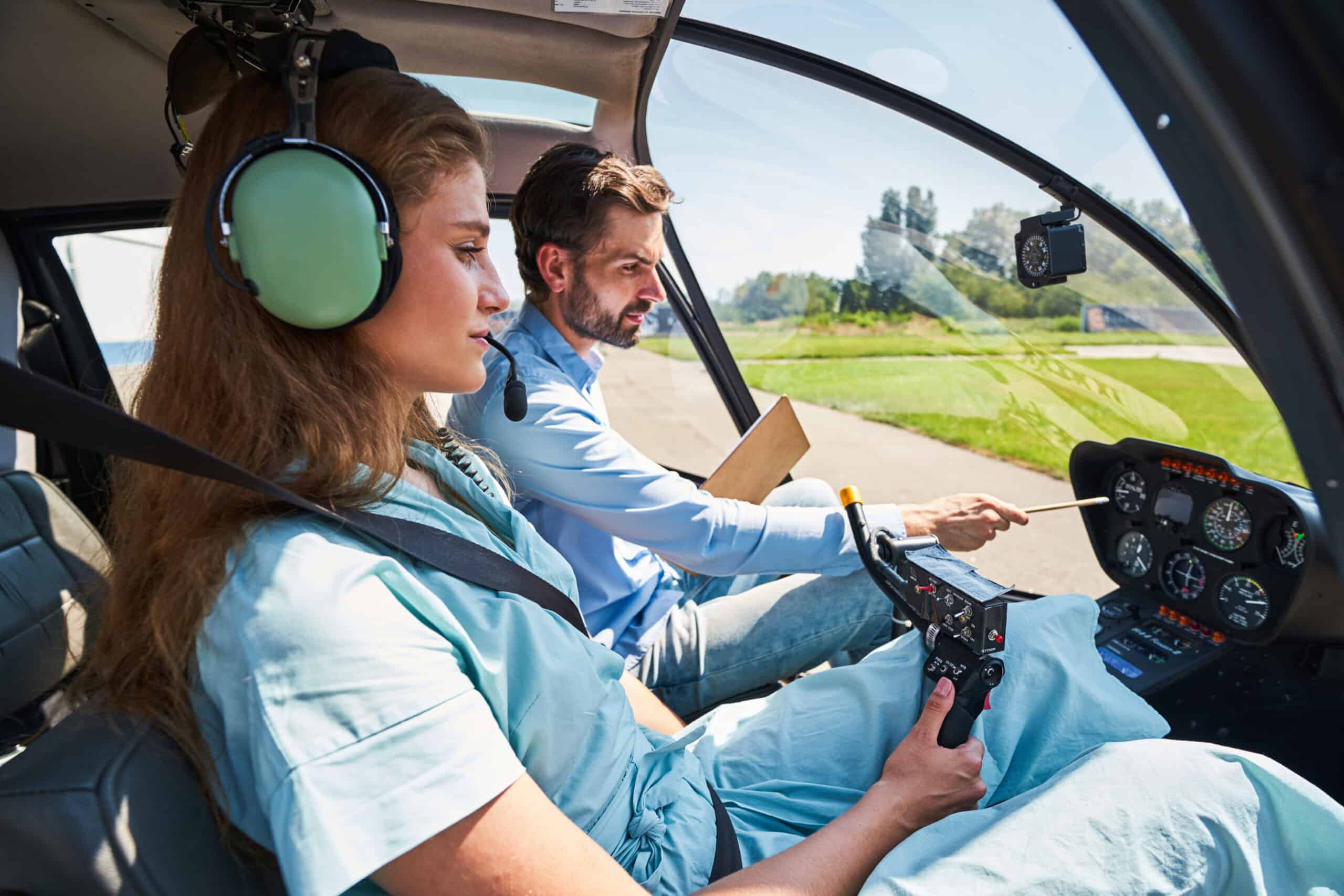
The difference between a stall and a spin is yaw. A coordinated stall recovers with nose-down attitude and power. A stall with yaw becomes a spin, and the recovery procedure changes substantially. The classical recovery — Power Off, Ailerons Neutral, Rudder Opposite, Elevator Forward — works for most aircraft when applied promptly.
Most GA pilots have never recovered from a spin in actual practice. Spin training was removed from the PPL curriculum decades ago. Most pilots experience spins only in simulator training or, unfortunately, in the moments before an accident. The lack of practice is one of the reasons spins remain disproportionately fatal compared to other GA scenarios.
Spin recovery training is available through specialty providers. A typical spin awareness course runs 1–2 days, with 2–4 hours of flight time in an aerobatic-certified aircraft with a qualified instructor. The cost is modest ($500–$1,500) and the operational confidence gained is substantial. Most pilots who take spin training describe it as among the highest-value training investments they’ve made.
Upset Recovery and Unusual Attitudes
Upset recovery extends beyond stalls and spins to include any unusual attitude — extreme bank angles, steep nose-high or nose-low pitch attitudes, inverted flight, and combinations. The recovery techniques are generally taught as procedures: identify the attitude, apply specific control inputs in sequence, recover to wings-level coordinated flight.
The mental challenge in upset recovery is greater than the procedural challenge. Pilots in genuine unusual attitudes often experience sensory disorientation. The seat-of-the-pants feel says one thing while the instruments say another. The pilot who trains regularly enough to trust instruments over sensation has a major advantage over the pilot who lets sensation override instruments.
Specialized upset recovery training programs (UPRT) have proliferated over the past decade. The training combines ground school, simulator work, and aircraft flight in aerobatic-rated equipment. Insurance carriers increasingly require or incentivize UPRT for owners of high-performance aircraft. Even pilots flying simpler equipment benefit substantially from the training.
The Mental Discipline That Underlies Recovery
Recovery from any unusual situation requires the pilot to act decisively under stress. Hesitation, denial, or freezing all degrade recovery outcomes. The mental discipline that supports decisive action under stress is partly innate but largely trainable.
The training centers on simulation. Pilots who repeatedly practice emergency scenarios in low-stress simulator environments build the cognitive patterns that fire automatically when the real situation appears. The brain doesn’t distinguish well between simulator practice and actual events. Repetition in the simulator translates to faster, more confident responses in the aircraft.
Mental rehearsal during normal flying also helps. Pilots who, during every cruise, mentally rehearse the engine-failure procedure for their current altitude and position handle actual engine failures meaningfully better than pilots who only think about emergencies when they happen. The rehearsal is free; the operational benefit is substantial.
Building a Proficiency Program for Yourself
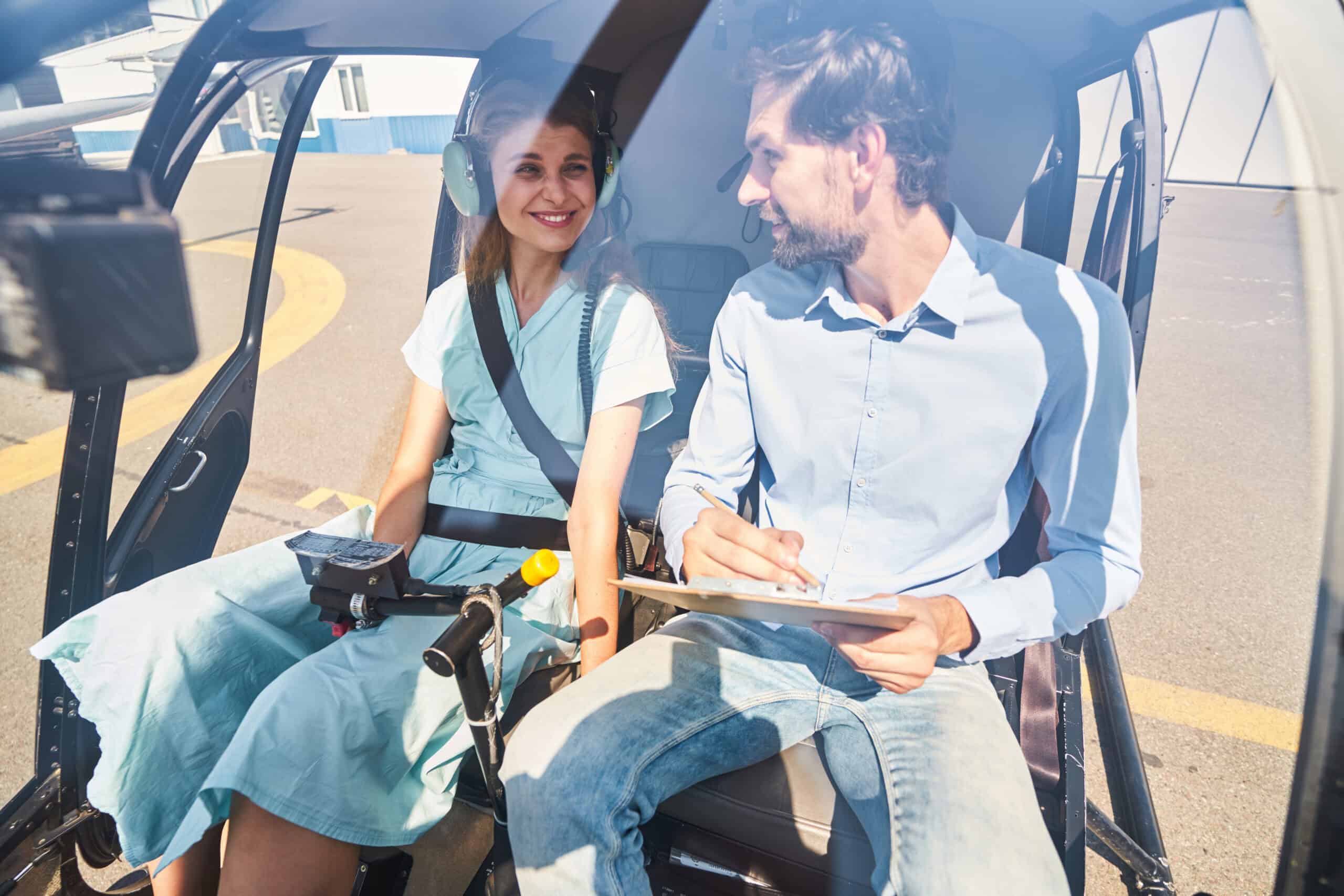
The pilots who avoid LOC-I accidents share a structure to their flying. They plan deliberate proficiency sessions on a calendar, separate from mission flying. They engage CFIs regularly, not just for flight reviews. They participate in recurrent simulator training where available. They take spin or UPRT courses periodically. They read accident reports systematically.
A reasonable owner-pilot proficiency program: quarterly 2-hour proficiency sessions with a CFI focused on specific emergency procedures, annual recurrent training (formal simulator if available for the aircraft type, otherwise a structured flight review with a knowledgeable CFI), spin awareness training within the first 200 hours after PPL, and UPRT every 5 years thereafter. The total time commitment is roughly 30–40 hours per year — substantial but not unreasonable.
The economics work. The cost of structured proficiency training runs $3,000–$8,000 per year for the program described above. Insurance discounts for current proficiency training typically offset much of the cost. The remaining cost is dramatically less than the cost of any LOC-I accident, even a non-fatal one.
Building a Personal Proficiency Calendar
The most effective proficiency programs are calendar-based, not condition-based. Pilots who schedule proficiency sessions at fixed intervals — last Saturday of each month, first weekend of each quarter — actually do them. Pilots who plan proficiency sessions “when convenient” or “when I have time” rarely follow through.
A reasonable calendar: quarterly proficiency flights with a CFI focused on emergency procedures (engine failures, stall recovery, unusual attitudes). Annual recurrent simulator training when available for the aircraft type. Spin or upset recovery training every 3–5 years. Annual flight review beyond the regulatory minimum scope.
The pilots who hold themselves to this schedule report measurably higher confidence in emergency situations than pilots who fly only their missions. The cost is modest — a few thousand dollars per year — and the operational return shows up the first time something abnormal happens in flight.
The NTSB Reading Habit
The NTSB aviation accident database contains the most concentrated learning material available to GA pilots. Each report describes the chain of events, the contributing factors, the probable cause, and the lessons that emerged. Reading reports systematically — not just famous accidents but the everyday accidents that don’t make headlines — builds pattern recognition that translates directly to better flying decisions.
The recommended habit: read 2-3 reports per month on accidents in aircraft you fly, in conditions you operate in, at airports comparable to yours. The patterns become internalized over time. Pilots who maintain this habit consistently describe their own flying as more cautious, more deliberate, and more focused on specific operational risks than the flying they did before they started reading reports systematically.
The reports aren’t comfortable reading. Every report represents people who didn’t come back from a flight. But they’re the most direct way to learn from other pilots’ worst days without paying the same price they paid. The community gets safer when more pilots engage with the material consistently.
Why Proficiency Training Is the Best Insurance
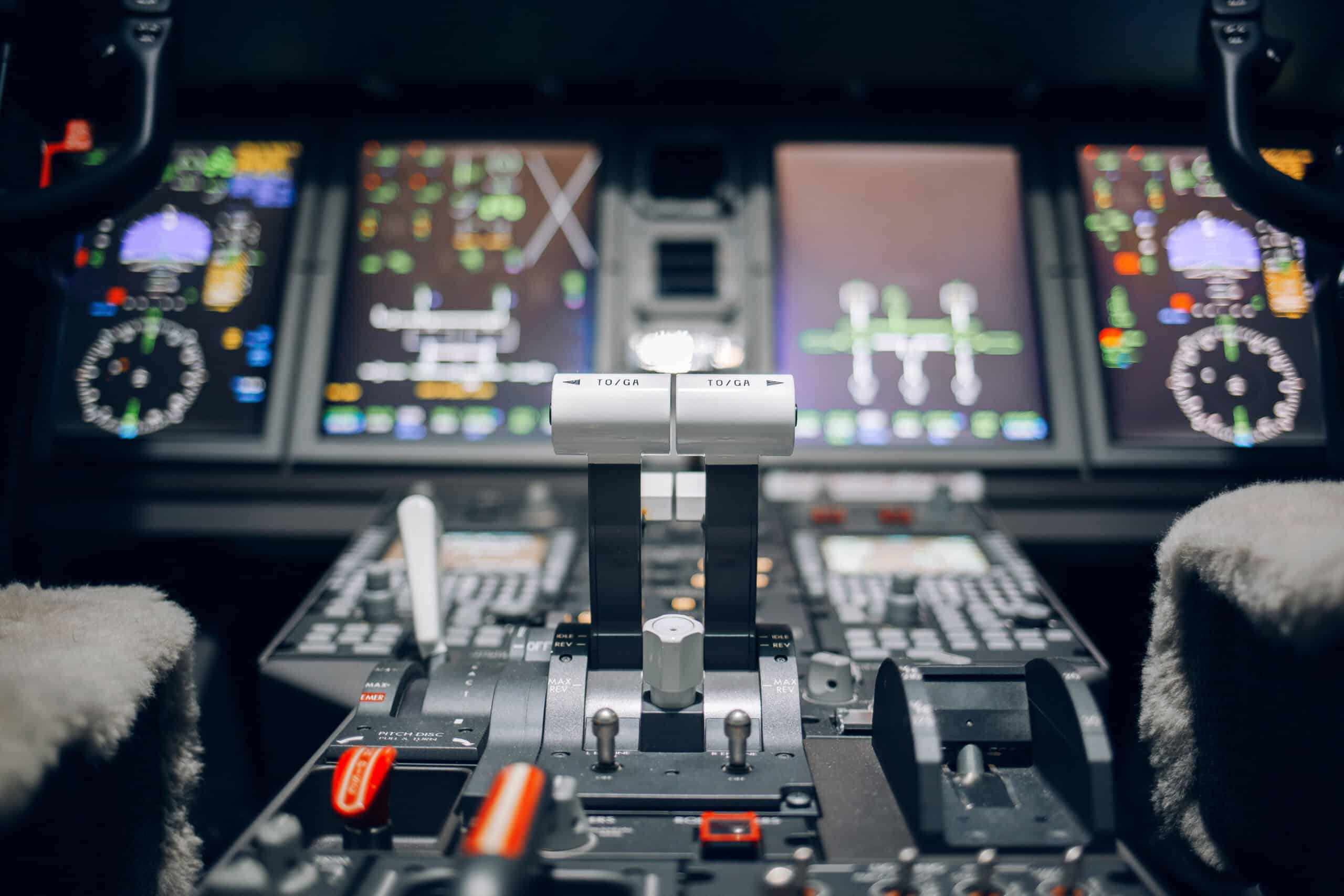
The mathematics of proficiency investment versus accident cost are heavily one-sided. A pilot who spends $3,000-$8,000 per year on structured proficiency training is making one of the highest-leverage safety investments available in aviation. The probability reduction across LOC-I accidents alone justifies the spending many times over.
Insurance carriers recognize this pattern. Pilots with documented recurrent training and structured proficiency programs typically receive premium credits that offset much of the training cost. The remaining cost is invested in skills that may save your life. That’s not a tradeoff most pilots find difficult.
The Long Career Pattern
The pilots who fly long careers without loss-of-control accidents share traits beyond proficiency training. They develop conservative operating habits around the high-risk phases. They acknowledge the limits of their aircraft and skills. They build cancellation flexibility into trips so they’re not pressured into decisions they shouldn’t make. They engage with the aviation community in ways that keep their skills sharp and their thinking current.
These habits compound across thousands of flights. The pilot in flight number 5,000 who avoids loss of control isn’t fundamentally different from the pilot in flight number 50 who lost control. The difference is the operational discipline that accumulated across the intervening flights. That discipline is learnable and worth the deliberate effort it requires.
Why This Matters More Than Any Other Safety Investment
The other safety investments — modern avionics, terrain awareness, traffic alerts, weather radar — all reduce specific risk categories. They’re worthwhile. But loss of control accidents typically aren’t prevented by technology. They’re prevented by pilot skill at the moment of unusual conditions.
The most expensive panel upgrade doesn’t help when the pilot lacks the recovery skills. The most extensive ADS-B traffic system doesn’t matter when the pilot stalls on base-to-final. The investments that matter most for survival are the ones that build pilot proficiency, and those investments are predominantly time and structured practice — not equipment.
For pilots evaluating where to spend training and proficiency budget, the priority order is clear: regular proficiency flying with a CFI, recurrent training programs, spin or UPRT specialty training, and accident-report study. Equipment upgrades come after these. The pilots who get this priority right fly long careers without losing aircraft control. The pilots who get it backwards fill the NTSB database.
Frequently Asked Questions
What is loss of control in flight?
Loss of control in flight (LOC-I) is departure from normal flight attitudes that the pilot cannot recover. It includes stall/spin accidents, upset recovery failures, and any scenario where the aircraft ends up in attitudes the pilot didn’t intend. LOC-I accounts for roughly 40% of fatal GA accidents.
How often should I do recurrent training?
Beyond the legal flight review every 24 months, most safety-focused pilots engage a CFI quarterly for 2-hour proficiency sessions, complete annual recurrent training (formal simulator or structured flight review), and take spin awareness or UPRT specialty training periodically. Total commitment is roughly 30-40 hours per year.
Do GA pilots get spin training?
No, not in the standard PPL curriculum. Spin training was removed decades ago. Most pilots experience spins only in simulator work or, unfortunately, in the moments before accidents. Specialty spin awareness courses are available (typically 1-2 days, $500-$1,500) and are widely considered among the highest-value training investments.
What is upset recovery training?
Upset recovery training (UPRT) teaches recovery from unusual attitudes including extreme bank angles, steep pitch attitudes, and inverted flight. Programs combine ground school, simulator work, and flight in aerobatic-certified aircraft. Insurance carriers increasingly incentivize UPRT for owners of high-performance aircraft.
Related Articles
Continuous Pilot Training for Safety
Why training never stops once you have the certificate.
The Other Guy Syndrome
Why pilots believe accidents happen to other people.
Eliminating Variables in Flight Operations
Risk management starts before takeoff.
Last Updated: May 14, 2026