The Gamebird GB1 is a two-seat, all-carbon aerobatic aircraft designed by Game Composites in Bentonville, Arkansas. Engineered to compete with the Extra 330LX, the Gamebird GB1 brings modern composite construction, side-by-side seating, and unlimited-class aerobatic performance into a package that doubles as a comfortable cross-country airplane. For owner-pilots considering an aerobatic platform that can also serve as a personal traveling aircraft, the Gamebird GB1 deserves serious attention.
Inside the Gamebird GB1’s Design Philosophy
Game Composites founders set out to build an airplane that would do two things equally well — compete in unlimited aerobatics and travel cross-country in comfort. Most aerobatic aircraft compromise heavily on one side or the other. The Gamebird GB1 was designed from the start to refuse that trade.
The all-carbon-fiber airframe drops empty weight while delivering structural strength rated to plus and minus 10 Gs at competition weight. The wing uses a symmetric airfoil for predictable inverted handling, paired with large flaperons that improve roll rate without sacrificing control authority at slow speeds.
The cockpit is designed for two adults with shoulders and elbow room that other aerobatic two-seaters can’t match. Side-by-side seating instead of tandem makes instruction easier, conversation possible during cruise, and luggage carrying realistic for weekend trips.
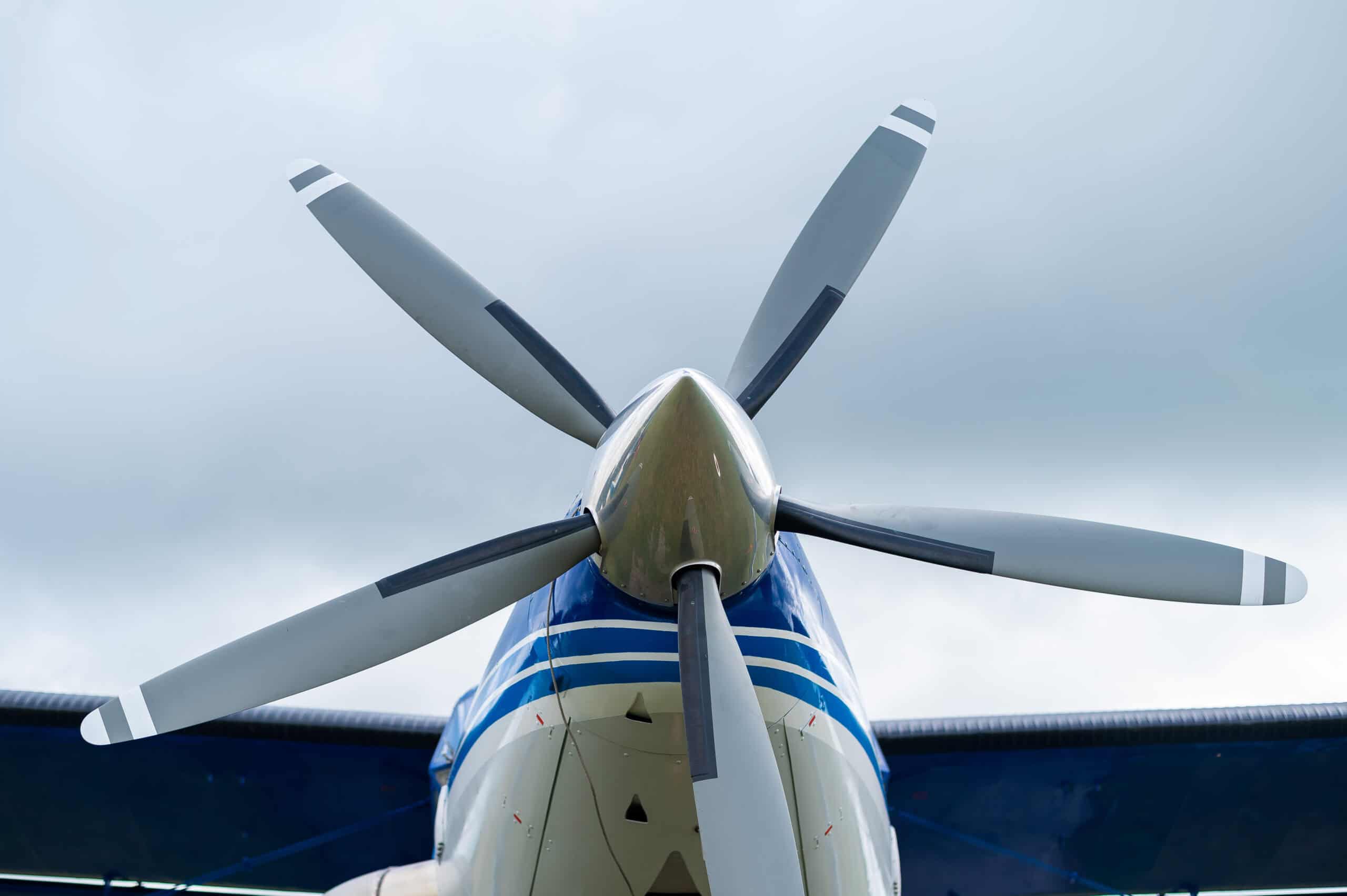
Power comes from a 315-horsepower Lycoming AEIO-580-B1A. The fully aerobatic six-cylinder engine handles negative-G operation indefinitely thanks to its inverted oil and fuel systems. A composite three-blade MT propeller transmits the power efficiently while reducing noise compared to traditional metal props.

Performance Numbers That Pilots Care About
The numbers tell the story of an airplane that delivers across multiple mission profiles.
Top speed in level flight is 195 knots true at sea level. Cruise speed at 75 percent power runs about 175 knots, comparable to a Bonanza or Mooney for cross-country planning purposes. Climb rate at sea level exceeds 3,000 feet per minute when the airplane is light.
Aerobatic performance is where the Gamebird GB1 really shines. The roll rate exceeds 420 degrees per second — fast enough for aggressive snap rolls and rapid hesitation rolls that judges look for in unlimited competition. Vertical penetration from low altitude reliably puts the airplane through full vertical loops with energy to spare.
Range with full fuel and two pilots is about 600 nautical miles, leaving meaningful reserves. That’s enough for a weekend trip from a Midwest base to most coastal destinations without complicated fuel stops.
Stall speed is 56 knots clean and 49 knots with full flaps. Both numbers are higher than a trainer but reasonable for an aerobatic airplane. Landing distance over a 50-foot obstacle is about 1,400 feet, putting most paved general aviation runways well within reach.
How the Gamebird GB1 Compares to the Extra 330
The Extra 330LX has been the dominant aerobatic two-seat platform for decades. The Gamebird GB1 is the most credible competitor to emerge in years.
The Extra 330LX has more flying history, a wider service network, and a deeper pool of available used examples. Resale values are predictable. Most major aerobatic schools have at least one Extra in the fleet for instruction.
The Gamebird GB1 advantages include side-by-side seating instead of tandem, more luggage capacity, slightly higher cruise speed, lower acquisition cost when comparing similar configurations, and modern composite construction that requires less labor-intensive maintenance over time.
For competition aerobatics specifically, the Extra still has a slight edge in raw performance and has more accumulated competitive results in unlimited contests. The Gamebird GB1 is gaining ground as more competitive aerobatic pilots fly it and post results.
Honestly, the choice often comes down to mission profile. If you’re 80 percent competitive aerobatics and 20 percent travel, the Extra still makes sense. If you’re 50/50 or favor travel and want serious aerobatic capability when you want it, the Gamebird GB1 is the more flexible choice.

Buying and Owning a Gamebird GB1
A new Gamebird GB1 lists in the $700,000 to $850,000 range as of 2026, depending on options like the Garmin G3X panel, autopilot, and interior choices. Used examples are scarce because production volume has been modest, but when they appear, they sell quickly in the $500,000 to $700,000 range.
Operating costs run about $250 to $350 per flight hour all-in for owners who fly 100+ hours annually. The AEIO-580 burns roughly 18 gallons per hour at cruise and 22 gallons per hour during aggressive aerobatic practice. Engine reserves should be calculated around a 1,800-hour TBO.
Insurance for low-time aerobatic pilots is steep. Plan for $7,000 to $11,000 annually until you’ve logged meaningful aerobatic time and shown clean operating history. Hull values for the Gamebird GB1 are still being established by underwriters, which can complicate the conversation. Once established, premiums normalize.
Maintenance demands match the Extra and other comparable aerobatic aircraft. Annual inspections run $4,000 to $7,000 for a healthy airframe. Parts are available from Game Composites directly and through the growing service network.
The community matters. The Gamebird GB1 owner network is small but active, and direct manufacturer support has been responsive based on owner feedback. Flying Magazine and General Aviation News have both run features on the type that prospective buyers should read.
Training and Transition into the Gamebird GB1
Pilots transitioning from other aerobatic aircraft find the Gamebird GB1 reasonably familiar. Pitts pilots adapt to the Gamebird’s wider cockpit and side-by-side seating quickly. Extra pilots find handling characteristics similar enough to make the transition straightforward.
Pilots coming from non-aerobatic GA aircraft face a steeper curve. The roll rate alone takes acclimation. The negative-G handling requires structured progression. Most insurance underwriters require a prescribed amount of dual instruction in make and model before solo coverage starts.
The right transition training starts with basic upset recovery in a Decathlon or similar trainer, then progresses through Sportsman-category aerobatic instruction in a Pitts or Extra 200, then transitions into the Gamebird GB1 with a CFI experienced in the type. Trying to skip steps creates predictable accidents.
Plan for 25 to 50 hours of instruction before insurance underwriters will write solo coverage at acceptable rates. The investment pays back in safer flying and lower premiums for years afterward.
What Owners Actually Use the Gamebird GB1 For
Three patterns dominate Gamebird GB1 ownership. First, competitive aerobatic pilots who want a serious unlimited platform but also want to fly cross-country to contests rather than trailering or paying ferry pilots.
Second, pilot couples who want to share aerobatic flying together. The side-by-side seating makes that practical in a way tandem cockpits don’t. Both pilots see the same horizon, can communicate easily, and trade flying duties on long trips.
Third, owners who use the airplane primarily for personal travel and occasional aerobatic practice. They value the cruise speed, the comfort, and the ability to fly a confident aerobatic recovery if upset training proved necessary.
The owner network is small enough that you can usually contact other Gamebird GB1 owners directly through type-specific forums and pilot association groups. The small community is one of the type’s appeals — owner-to-owner advice flows freely. The FAA aircraft information resources remain the authoritative source on certification status and any service bulletins.
The Gamebird GB1’s Avionics and Cockpit
Modern panels in the Gamebird GB1 typically use the Garmin G3X Touch as the primary flight display platform. Most owners specify dual G3X displays, allowing redundancy and flexible cockpit layouts that suit both pilots in side-by-side seating.
The Garmin GTN 750 Xi or GTN 650 Xi handles GPS navigation, communication, and audio panel duties. Aerobatic pilots who don’t fly serious IFR sometimes opt for the simpler GTN 650 Xi to save panel space and weight, since the smaller unit handles most aerobatic mission needs adequately.
Engine monitoring uses the EI MVP-50P or comparable engine analyzer to track CHTs, EGTs, oil pressures, and fuel flows. Aerobatic engines benefit from close monitoring because of the unusual loads they carry. Trend data over time helps spot developing issues before they become emergencies.
Backup instrumentation typically includes a basic attitude indicator with internal battery, plus standby airspeed and altimeter steam gauges. Aerobatic flight occasionally upsets electrical systems and air data computers; redundant backups matter more in this kind of flying than in straight-and-level cross-country work.
Resale and Long-Term Value Considerations
The Gamebird GB1’s resale market is still maturing because the type is relatively new compared to the established Extra and Pitts platforms. Early indications are that the type holds value reasonably well, though the small production volume creates some pricing volatility.
Three factors affect Gamebird GB1 resale value most. Total time on engine and airframe — buyers pay attention to remaining hours before overhaul. Avionics generation — modern Garmin G3X panels add value over older units. Documented competition history — for serious aerobatic buyers, knowing how the airplane has been flown matters.
The opposite is also true. Airplanes used hard for aerobatic competition without meticulous logbook documentation can sell at a discount because buyers worry about hidden stress on the airframe. Honest documentation protects sellers as much as it protects buyers.
For cross-country focused owners, low aerobatic time can actually increase resale value to the right buyer. The market for “almost never flown aerobatic” Gamebirds is real, and these airplanes often sell at premium.
Common Mistakes Gamebird GB1 Buyers Make
Three mistakes show up repeatedly in pilot forums and broker conversations. Avoid them and the ownership experience improves dramatically.
The first mistake is buying without a thorough pre-purchase inspection by a shop experienced with composite aerobatic aircraft. The Gamebird GB1’s all-carbon construction means traditional sheet-metal inspection techniques don’t apply. Use a shop with composite expertise or you’ll miss problems that matter.
The second mistake is underestimating insurance costs in the first year of ownership. Get insurance quotes before you sign a purchase agreement, not after. Multiple buyers have backed out of deals after discovering insurance premiums they didn’t anticipate.
The third mistake is treating the Gamebird GB1 like a normal GA cross-country aircraft from day one. The aerobatic capability is fun, the cruise speed is impressive, but pilots who jump straight into long IFR cross-country without methodical familiarization tend to find limits the wrong way. Treat it like a transition aircraft for the first 50 to 100 hours, even if you’re an experienced pilot.
Service, Parts, and Manufacturer Support
Game Composites has built a manufacturer support model that pilots have generally found responsive. Direct factory communication is straightforward, parts availability is reasonable for an airplane in current production, and technical support is accessible to authorized service centers.
Authorized service centers exist in several U.S. regions and are growing in number. For owners outside major service center areas, partnership with a local A&P who has been trained on the type works well. Game Composites provides remote technical guidance for non-routine maintenance.
Recurring maintenance items include the standard 100-hour and annual inspections, plus aerobatic-specific items like harness inspections, parachute repacks for owners who carry them, and structural inspections of stress-bearing composite joints. None of these are unusual for an aerobatic aircraft, and the manufacturer documentation explains them clearly.
Real-World Owner Experience and Mission Profiles
Talk to current Gamebird GB1 owners and the same themes come up. The cross-country comfort is the unexpected delight — pilots expecting a competition airplane discover they actually enjoy traveling in it. The aerobatic capability is on demand whenever the mood strikes, but the airplane doesn’t punish gentler flying the way some pure aerobatic aircraft do.
Owners typically log between 80 and 200 hours per year. The lower end is the casual aerobatic enthusiast who flies on weekends. The higher end is the serious competitive aerobatic pilot who also uses the airplane for travel and instruction.
Cross-country mission profiles include weekend trips of 300 to 500 nautical miles, occasional all-day runs to airshows or family events at distance, and the regular grind of regional contest travel for pilots active in the unlimited aerobatic competition circuit.
Hangar requirements are similar to other high-performance singles. The Gamebird GB1’s wingspan and length fit standard T-hangars at most general aviation airports. Composite construction means you can be slightly less paranoid about hangar humidity than with traditional metal aircraft.
Honestly, this is where the Gamebird GB1 surprised the market. Most pilots expected another niche aerobatic competitor and instead discovered an airplane that genuinely competes with the Bonanzas and Mooneys for personal travel — while still going head-to-head with the Extra and other competitive aerobatic platforms when the pilot wants to compete.
Where the Gamebird GB1 Fits in the Aerobatic Aircraft Market
The aerobatic aircraft market segments by mission and price. Light Pitts S-1 single-seat models start around $80,000 used and go up to $200,000+ for new examples — pure aerobatic platforms with limited cross-country utility.
Two-seat aerobatic trainers like the Decathlon, Citabria, and Pitts S-2 occupy the middle of the market. They handle Sportsman through Intermediate aerobatics adequately, work well as instructional platforms, and serve dual roles as personal aircraft.
The high end has historically been dominated by the Extra 330 series, the Pitts S-2C for serious competitors, and rare imports like the Sukhoi Su-29 or Yak-54. The Gamebird GB1 enters this segment as a credible competitor with an unusual feature set — namely the side-by-side seating and cross-country comfort that most pure aerobatic platforms lack.
The market is small. Annual production of unlimited-class two-seat aerobatic aircraft globally is measured in dozens, not hundreds. Owners are correspondingly serious and the community tends to be tight-knit and supportive of newcomers.
Frequently Asked Questions
How much does a Gamebird GB1 cost new?
New Gamebird GB1 aircraft list between $700,000 and $850,000 depending on avionics, interior, and option selections. Used examples occasionally appear in the $500,000 to $700,000 range when sellers are motivated.
Can the Gamebird GB1 be used for cross-country travel?
Yes. With cruise speeds around 175 knots, comfortable side-by-side seating, and 600-nautical-mile range, the Gamebird GB1 is genuinely capable as a personal traveling aircraft, not just an aerobatic platform.
What kind of pilot training does the Gamebird GB1 require?
Insurance underwriters typically require 25 to 50 hours of dual instruction in make and model before writing solo coverage at acceptable rates. Pilots without prior aerobatic experience should plan for substantial preparatory training in less demanding aerobatic aircraft first.
The E3 Aviation Editorial Team writes for owner-pilots, student pilots, and the small aircraft community. We focus on practical, real-world content that respects your time and your training. Learn more about E3 Aviation.
Last Updated: 2026-05-09