Introduction: Unveiling the F-14 Tomcat’s Elegance
The F-14 Tomcat roars into our imaginations, immortalized by Top Gun and its sleek, variable sweep wings slicing through the sky. But beyond Hollywood’s lens lies a machine of unmatched complexity and elegance, revered by those who flew it. At the National Naval Aviation Museum in Pensacola, Florida, I met “Rhino,” a veteran Top Gun pilot whose passion for the F-14 Tomcat spans decades. With combat deployments, test pilot credentials, and a deep emotional bond with the jet, Rhino shared insights that reveal the Tomcat’s true brilliance. In this article, we’ll explore the F-14’s design, operational challenges, and enduring legacy through his eyes, offering a rare glimpse into naval aviation’s iconic fighter. For more aviation stories, check out E3 Aviation’s articles.
Rhino: A Pilot’s Love Affair with the F-14
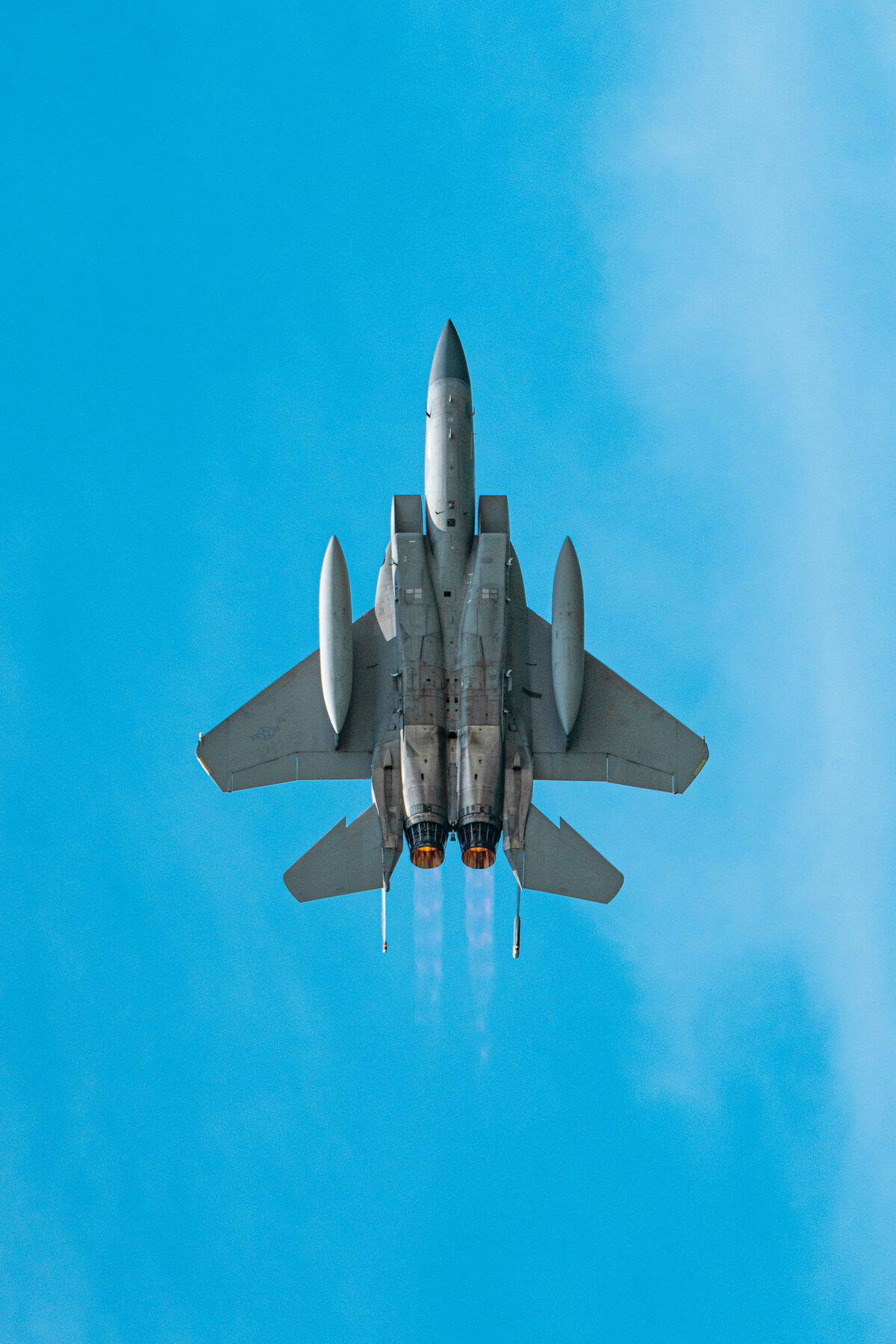
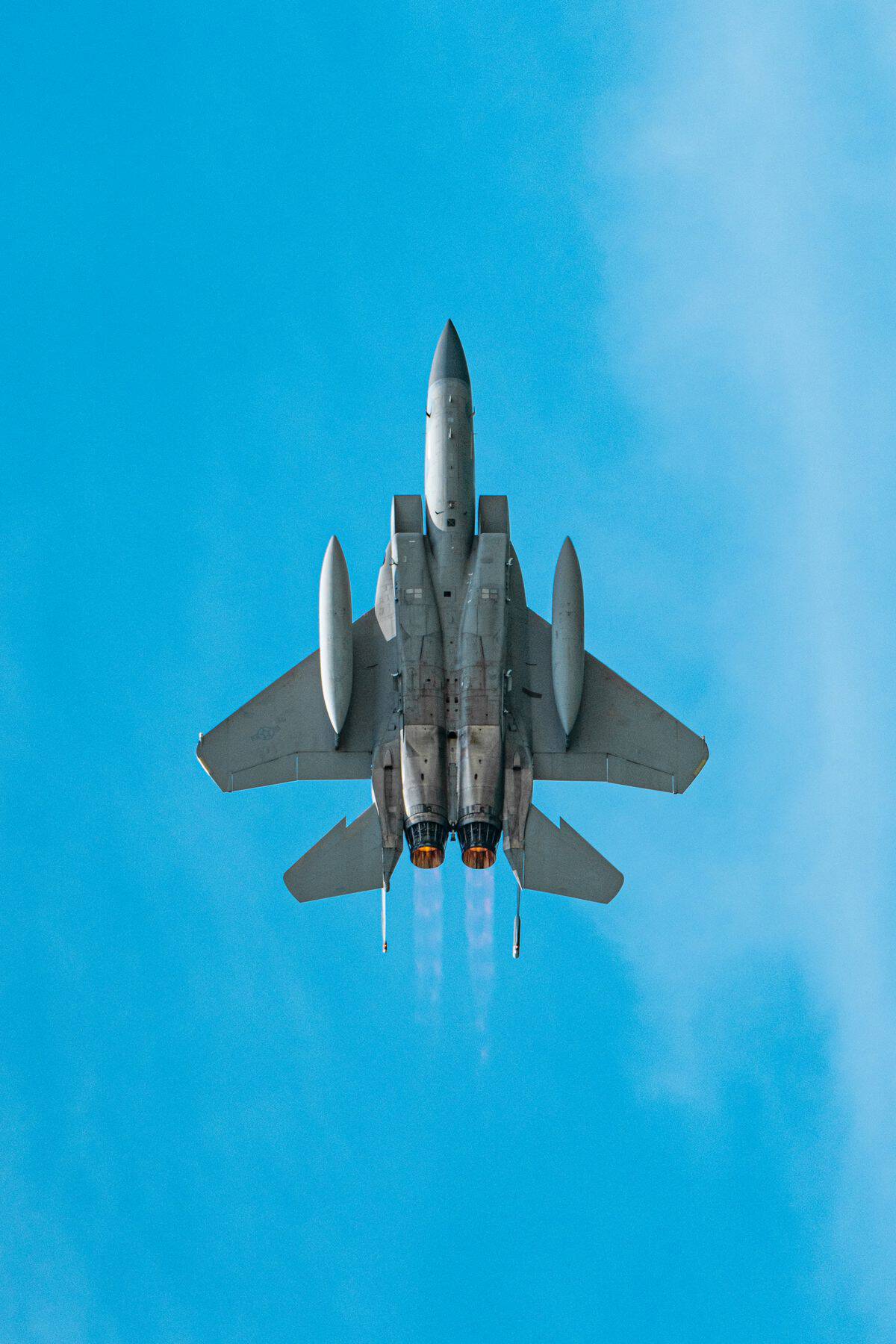
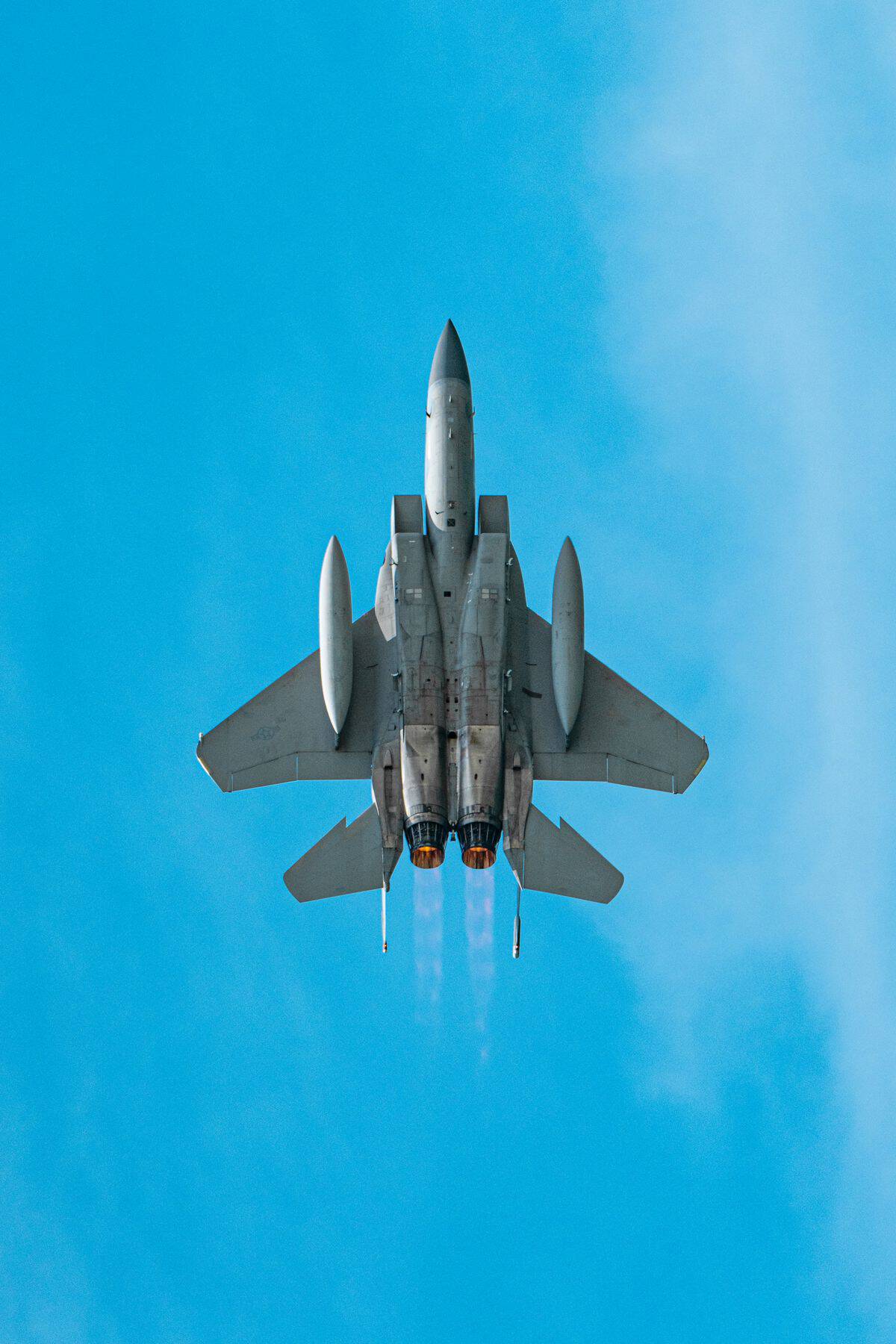
Rhino’s connection to the F-14 Tomcat began in July 1982, launching a 13-year journey that included four flying tours, combat deployments, and roles as a Top Gun instructor and VX9 operational test pilot. “I’m emotionally attached to this jet,” he admits, calling it his “private passion.” Having flown all three variants—F-14A, F-14B, and F-14D—Rhino ranks the Tomcat above other aircraft like the F-16N and A-4. Why? Its unmatched range, speed, and payload capacity meant fewer tanker stops and more mission flexibility. “It’s even better than a Hornet,” he insists, citing its ability to carry heavy loads over long distances. This devotion underscores the F-14’s unique place in naval aviation, a topic explored further in E3’s naval aviation history piece.
The Evolution of the F-14: Variants and Upgrades
The F-14 Tomcat evolved significantly over its service life, adapting to the demands of naval warfare. Rhino’s career spanned its three main variants, each marking a leap in capability:
- F-14A: Launched with the troublesome TF30 engine, which Rhino notes was “always problematic.” Pilots spent more time managing engine limitations than flying the jet. Learn more about early naval fighters in this E3 article.
- F-14B (initially F-14A+): Introduced the GE110 engine (later called F110 engine), boosting thrust and allowing freer throttle control during dogfighting. This upgrade transformed performance, as discussed in E3’s jet engine evolution guide.
- F-14D: The pinnacle, featuring the F110 engine, an infrared search and track system (IRST), and an updated radar. The IRST, visible from the front, distinguished the D model. Rhino praises its “very acceptable” thrust, a topic covered in E3’s modern fighter jet overview.
From 1982 to 1995, Rhino witnessed the F-14’s transformation, with the F-14D on display at the Naval Aviation Museum embodying its final form. For a deeper cover fighter jet timelines, see E3’s timeline article.
Engineering Marvels: The F-14’s Unique Design
The F-14 Tomcat’s design was a triumph of engineering, blending raw power with intricate systems. Here are some standout features Rhino highlighted:
Analog Flight Controls
Unlike modern fly-by-wire jets, the F-14 relied on analog flight controls, demanding constant pilot input. “You were in charge,” Rhino says, noting the solid feel required finesse. Some augmentation, like yaw damping, helped, but it wasn’t automatic. This hands-on approach is explored in E3’s flight control systems article.
Variable Sweep Wings and Intakes
The variable sweep wing, controlled by the Central Air Data Computer (CADC), adjusted angles from 20° to 68° for optimal performance at varying speeds. Rhino explains how variable geometry ramps in the engine intakes managed airflow, creating oblique shock waves at supersonic speeds to reduce energy loss. This contrasts with modern fixed-inlet designs, a topic covered in E3’s aerodynamics piece. FAA resources provide further context on aircraft design standards.
Hydraulics and Structural Flex
The F-14’s extensive F-14 hydraulics were notorious. “If it wasn’t leaking, it was empty,” Rhino jokes. The jet’s airframe flexed under high-G maneuvers (up to 6.5 Gs), but without an overstress limiter, over-Ging could ground it for maintenance. This structural challenge is discussed in E3’s maintenance guide.
Integrated Features
Practical touches like an integrated ladder and luggage storage in the “hell hole” behind the RIO’s seat made the F-14 versatile for cross-country flights. Rhino emphasizes securing items to avoid ejection seat hazards, a tip echoed in E3’s pilot safety article.
Armed to the Teeth: F-14 Weapons Systems
The F-14 Tomcat was a flying arsenal, equipped for air combat maneuvering and long-range engagements. Rhino details its weaponry:
- Phoenix Missile: The signature AIM-54 Phoenix missile allowed the F-14 to engage six targets up to 100 miles away, a capability unmatched at the time. Up to six could be carried, though Rhino notes their weight impacted performance. See E3’s missile technology article.
- Sparrow and Sidewinder Missiles: The jet carried Sparrow missiles for medium-range and Sidewinder missiles for close-range combat, often in a “two-two-and-two” loadout with Phoenixes.
- M61 Vulcan Gun: Firing 6,000 rounds per minute, the side-mounted gun’s tracer rounds were startling during ground strafing, making Rhino a “good jinker.” Learn more about aircraft guns in E3’s weapons guide.
These systems made the F-14 a formidable dogfighter, as Rhino’s combat stories illustrate. For more on naval weaponry, visit Navy.mil.
TARPS: The F-14’s Reconnaissance Role
Beyond combat, the F-14 excelled in aerial reconnaissance with the TARPS pod. Mounted between the engines, this pod housed cameras for high-speed, low-altitude runs, capturing high-quality black-and-white images. Rhino notes that TARPS missions, controlled by the RIO, often carried fewer weapons for self-protection, relying on escort F-14s in contested areas. This versatility is highlighted in E3’s reconnaissance aircraft article. A 1980s TARPS mission over Libya, for example, provided critical intelligence, showcasing the F-14’s multi-role prowess.
Carrier Operations: Precision Under Pressure
Carrier operations defined the F-14’s operational tempo, demanding unmatched skill. Rhino describes the catapult launch as a moment of surrender, with the jet’s 60,000-pound frame yanked to 150 knots in under three seconds. The F110 engine in B and D models often skipped afterburners to avoid asymmetrical thrust, unlike the TF30’s stall-prone nature. During arrested landings, the tail hook—an “engineering masterpiece”—never failed Rhino, engaging wires at a precise 19.2-foot hook-to-eye distance. A 1990 Navy study found that F-14 carrier landings required pilots to maintain a 3-degree glideslope with a ±1-degree margin, underscoring the precision needed. Rhino’s backstick technique at touchdown, though undocumented, improved wire engagement, a trick shared among pilots. Explore carrier ops further in E3’s carrier operations guide or Naval Aviation News.
Flying the F-14: Skill and Finesse
Flying the F-14 Tomcat was no small feat. Its analog controls and “jet tempo” required constant vigilance, especially during dogfighting or carrier traps. Rhino emphasizes the “stick and rudder” style, where pilots were the “human interconnect” absent in digital jets. The large horizontal stabilizers, akin to an A-4’s wing, enabled rapid maneuvers but demanded finesse to avoid swapping ends. Pilots fresh from training were rigorously screened for carrier proficiency, as the F-14 was a “tough airplane” at sea. This skill-centric approach is detailed in E3’s pilot training article. For aspiring pilots, AOPA offers resources on building these skills.
Conclusion: The F-14’s Enduring Legacy
The F-14 Tomcat remains a legend in naval aviation, blending raw power, intricate design, and operational elegance. From its variable sweep wings to the Phoenix missile, it redefined air combat and reconnaissance. Rhino’s stories—of catapults, dogfights, and TARPS runs—reveal the skill and passion behind this icon. “It hasn’t been recaptured,” he says of its unique charm, a sentiment echoed by pilots who cherish its place in history. Whether you’re an aviation enthusiast or a military history buff, the F-14’s legacy endures at places like the Naval Aviation Museum. Dive deeper into its story and other aviation tales at E3 Aviation’s article hub. For more E3 Aviation resources be sure to visit: https://e3aviationassociation.com.
F-14 Variants and Their Evolution
For instance, the F-14 Tomcat went through three primary production variants over its service life:
- F-14A: Original production variant powered by Pratt & Whitney TF30 turbofans. Plagued by engine reliability issues that would haunt the program for years. Entered service 1974.
- F-14B: Re-engined with General Electric F110-GE-400 turbofans, dramatically improving reliability and performance. Introduced 1987.
- F-14D Super Tomcat: Definitive variant with F110 engines, updated avionics, digital cockpit, and improved AIM-54 Phoenix integration. Final production ran 1990-1992.
Practically, the F-14D represented what the Tomcat program could have been from the start — a mature, reliable airframe with the avionics to fully exploit its variable-sweep wing and long-range missile capability.
Combat Record
Notably, the F-14’s combat record concentrated in two campaigns. Specifically, the 1981 Gulf of Sidra incident saw F-14s shoot down two Libyan Su-22s in air-to-air combat. The 1989 Gulf of Sidra II added two Libyan MiG-23 kills. During Operation Desert Storm, F-14s flew fighter sweep and TARPS reconnaissance missions but had limited air-to-air engagement opportunities.
For comparison, the F-14’s air-to-air kill count is modest compared to peer aircraft, but the deterrent value of fleet air defense — the ability to engage targets 100+ nautical miles from carriers — shaped Cold War-era Soviet operational planning more than the actual kill count suggests.
Why the F-14 Was Retired
Critically, the F-14 was retired in 2006 not because it was outclassed but because the Navy chose to consolidate on multirole F/A-18E/F Super Hornets for cost and logistics reasons. Specifically, maintaining two carrier fighter types created supply chain complexity, and the Super Hornet offered comparable performance with significantly lower operating cost per hour.
Honestly, the F-14’s variable-sweep wing was maintenance-intensive, the airframe was approaching service-life limits, and the AIM-54 Phoenix missile system was being retired along with the aircraft. The decision was rational but ended an iconic chapter in U.S. naval aviation.
The F-14’s Lasting Influence
Above all, the F-14’s legacy lives on in U.S. carrier aviation operating doctrine. Specifically, the concept of long-range outer-air-battle defense shaped fleet protection planning for decades. The training pipeline at NAS Miramar (immortalized in Top Gun) established the gold-standard for fighter weapons school training that continues at NAS Fallon today.
Our take: the F-14 was a flawed but extraordinarily capable aircraft that defined an era. Modern carrier aviation has moved on, but the operational principles the Tomcat established remain foundational to naval aviation thinking.
Frequently Asked Questions
What was the F-14’s top speed?
The F-14 had a maximum speed of approximately Mach 2.34 (1,544 mph or 2,485 km/h) at high altitude. Sustained supersonic performance depended on variant — the F-14B and F-14D with F110 engines could maintain supersonic cruise more reliably than the original A model.
How long was the F-14 in service?
The F-14 entered U.S. Navy service in 1974 and was officially retired in September 2006 — a 32-year service life. Iran’s air force still operates a small number of F-14s acquired before the 1979 revolution, making it the only foreign operator of the type.
How does the F-14 compare to the F/A-18 Super Hornet?
The F-14 had greater range, higher top speed, and the unique AIM-54 Phoenix long-range missile capability. The F/A-18 Super Hornet has lower operating cost, better multirole air-to-ground capability, and modern avionics. The Super Hornet is the practical choice for current carrier operations; the F-14 represents a specialized fleet air defense capability that the Navy chose to retire.
F-14 in Popular Culture
For instance, the F-14 Tomcat occupies an outsized place in popular culture compared to other military aircraft. Specifically, the 1986 film Top Gun made the Tomcat synonymous with U.S. naval aviation, the 2022 sequel Top Gun: Maverick revived the cultural connection, and the aircraft’s distinctive variable-sweep wings make it instantly recognizable.
Practically, the cultural impact has driven sustained interest in the aircraft. Museum F-14s in the U.S. and U.K. attract substantial visitor traffic, scale models remain popular among aviation enthusiasts, and the Tomcat regularly tops aviation enthusiast surveys of favorite military aircraft. Honestly, no other military aircraft of its era enjoys comparable name recognition outside aviation circles.
The Maverick Connection
Notably, Top Gun’s portrayal of F-14 operations took substantial dramatic liberties but captured the aircraft’s character — speed, presence, and the unique pilot-RIO crew dynamic. Specifically, the back-seater (Radar Intercept Officer or RIO) operated the AN/AWG-9 radar and AIM-54 missile system that made the Tomcat the long-range fleet defender it was designed to be. The RIO wasn’t a passenger — they were essential to combat capability.
Our take: the Top Gun films introduced millions of viewers to U.S. naval aviation in ways that recruitment posters couldn’t match. The cultural value extended beyond the aircraft itself to broader awareness of naval aviation’s role and demands.
The Tomcat’s Pilot Community Today
For instance, there’s an active community of former F-14 aircrew and enthusiasts who keep the aircraft’s history alive. Specifically, the Grumman Memorial Park in New York preserves an F-14, the Pima Air & Space Museum maintains examples, and the USS Lexington and USS Intrepid carrier museums display F-14s on flight decks.
Honestly, you can’t really understand the F-14 without seeing one in person. It’s a big airplane — the variable-sweep wings give it a presence that photos don’t convey. The cockpit feels surprisingly tight for such a large airframe. Walking up to a Tomcat for the first time, what most enthusiasts don’t realize is how purposeful every detail looks. It wasn’t designed for elegance. It was designed for one mission, and you can see that engineering decision everywhere you look.
Our take: if you’re anywhere near a museum that displays an F-14, go see it. There’s a lot of aviation history that doesn’t survive — the Tomcat’s does, and the next generation of aviation enthusiasts deserves to see what it was.
The E3 Aviation Editorial Team writes for owner-pilots, student pilots, and the small aircraft community. We focus on practical, real-world content that respects your time and your training. Learn more about E3 Aviation.
Last Updated: 2026-06-01