Aircraft storage decisions separate owners who maintain long-term airworthiness from those who discover expensive damage months after putting their GA piston aircraft into storage. Whether you’re storing for a few weeks during winter or months due to medical reasons, injury, or economic constraints, the preservation techniques you employ directly determine whether your aircraft is flyable and safe when you return, or whether you face thousands of dollars in deferred repairs and corrosion remediation. E3 Aviation Association walks you through short-term and long-term storage protocols, manufacturer-recommended engine preservation, fuel system preparation, airframe protection, and the practical hangar realities most owners don’t plan for—particularly pest prevention. This guide covers the difference between a weekend tie-down and a six-month storage hibernation, and how to execute either correctly.
Short-Term vs. Long-Term Aircraft Storage: Different Rules
Short-term storage (days to weeks, typically weekend or vacation gaps) and long-term storage (months, seasonal shutdown) require distinct approaches. Consequently, confusing one protocol with the other creates problems.
Short-term storage (days to 30 days): Leave the aircraft fueled (especially important—an empty fuel tank accumulates water from condensation). Leave oil as normal. Secure the flight controls, cover the pitot tube and static ports (moisture ingestion during rain), and tie the aircraft down securely. No special engine preservation is necessary. When you return and start the engine, a few normal ground runs ensure systems are operational. This is minimal fuss, appropriate for routine weekend tie-downs or short travel.
Long-term storage (30+ days): This requires deliberate preservation. Engine preservation becomes critical—cylinders will corrode without proper treatment. Fuel system preservation matters—stale fuel oxidizes and fuel contamination develops. Control surface and airframe protection matter—moisture in a cold hangar accelerates corrosion if unmanaged. Additionally, pest prevention becomes a serious concern—rodents and insects actively colonize empty aircraft during extended storage.
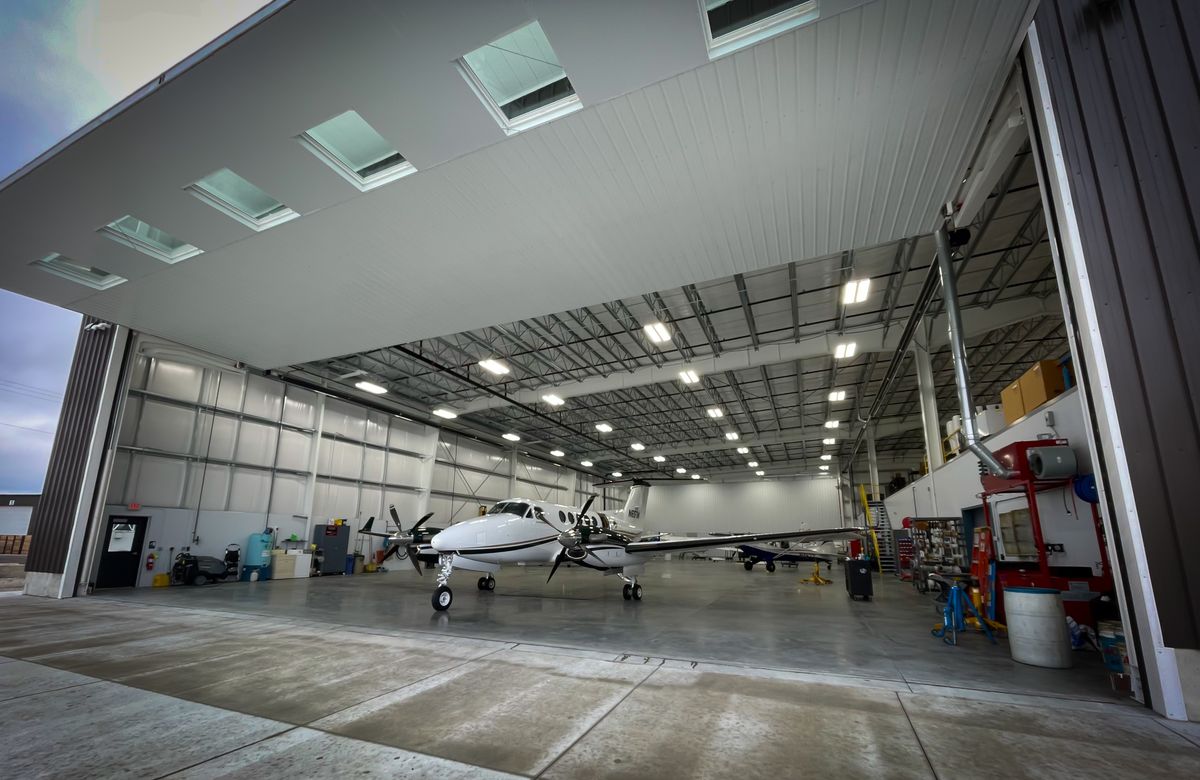
Furthermore, the distinction between “inside a hangar” and “outside on a tie-down” is critical. A hangar protects from weather but can create humidity and condensation issues if not properly ventilated. A tie-down exposes the aircraft to rain, UV, and temperature swings that accelerate corrosion and weather damage. Long-term storage should always be in a hangar—outside storage more than 30–60 days is asking for corrosion and damage.
Engine Preservation: What the Manufacturers Actually Recommend
Lycoming and Continental have published detailed engine preservation guidance. Specifically, ignoring their recommendations costs thousands in corrosion damage and necessary overhauls.
Lycoming guidance: For storage exceeding 30 days, Lycoming recommends “fogging” the engine—a process of spraying preservative oil into the cylinders while the engine rotates at low speed, coating the cylinder walls, rings, and bearings with protective film. This prevents rust from forming on cylinder walls and corrosion in critical bearing surfaces. Fogging oil (typically MIL-C-6529 specification) is different from engine oil—it’s lighter viscosity and burns off during the first few hours of operation when you restart the engine.
Lycoming’s procedure: Warm the engine to operating temperature (normal taxi and ground run). Shut down. While the engine is hot and the ignition is OFF (critical safety point—never spray flammable liquid with ignition on), activate the alternate air system to open the induction, remove the top spark plugs from each cylinder, insert the fogging oil applicator, and spray a measured amount of fogging oil into each cylinder. Then manually turn the engine over (by hand, with a propeller) at least two complete revolutions to distribute the fogging oil throughout the cylinders, rings, and bearings. Replace spark plugs.
Continental guidance: Similarly recommends fogging for storage. Additionally, Continental emphasizes: top off the fuel tank (preventing condensation from accumulating in the fuel system), change the oil and filter before storage (fresh oil has better corrosion inhibitors than aged oil), and crank the engine every 30 days if stored beyond 60 days (this redistributes fogging oil and prevents bearing degradation from static pressure).
Manufacturers also recommend: battery removal and storage in a warm location (cold degrades battery life), drain the sump and check for water contamination (water settling in the engine oil accelerates corrosion), and run the engine one final time under load before shutdown (ensuring fuel burns clean and oil distribution is uniform).
Furthermore, some owners prefer an alternative: instead of fogging, start the engine every 30 days, run it to operating temperature, and shut it down. This circulates oil continuously and prevents stagnation. However, this requires reliable hangar access and electrical power (for avionics and heating). Fogging is the superior option if you cannot start the engine regularly.
Fuel System Preparation for Storage
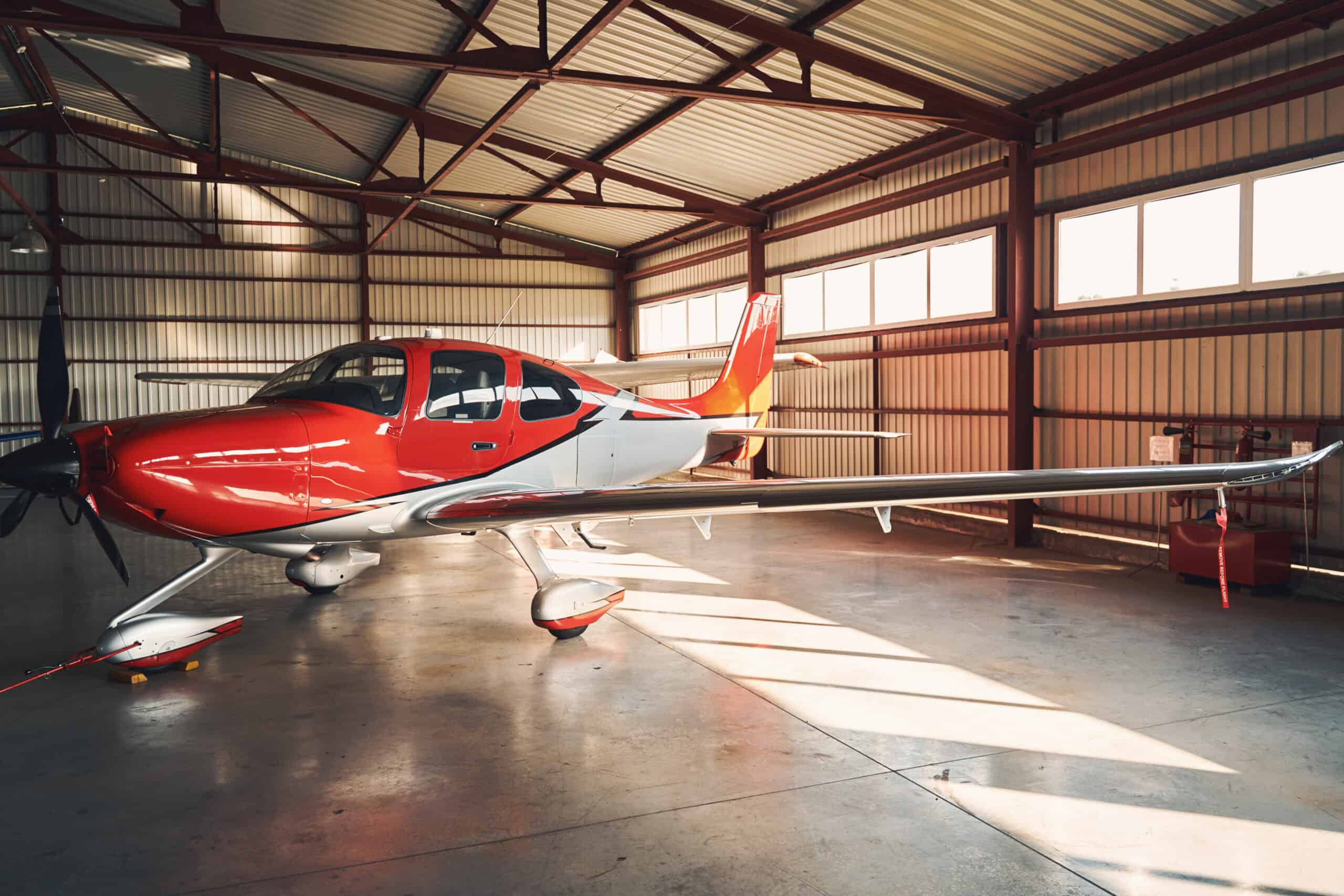
The fuel system is where storage mistakes cause the most expensive problems—water contamination, fuel degradation, and fuel pump corrosion require thousands of dollars in restoration.
The fill-or-drain debate: Aviation divides on this. One school recommends topping off fuel tanks (claiming an empty tank accumulates water from condensation as temperature swings cause air circulation in the tank). The other school recommends draining tanks completely (claiming standing fuel oxidizes and becomes contaminated). Manufacturers actually split on this too, so there’s no single “correct” answer—but best practice leans toward topping off for short-term storage (days to weeks) and careful decision-making for long-term storage based on your specific aircraft and environment.
Best practice for long-term storage: If your hangar is climate-controlled and humidity-managed, topping off tanks prevents condensation-driven water formation. If your hangar experiences temperature swings (unheated or humid climates), draining is safer—you eliminate the fuel that could degrade and contaminate, and you remove the environment where water condenses. Specifically, if you’re storing through a humid season, drain the tanks and leave them dry with covers on fill ports. If you’re storing in a cool, dry hangar for a few months, topping off is acceptable.
Additionally, drain the sump (the lowest point of the fuel system where water and sediment collect). Open the fuel drain valve at the bottom of the fuselage tank, let it drain for 30 seconds, and observe the discharge. If you see water (cloudiness or droplets) or sediment, continue draining until only clear fuel emerges. Consequently, removing contaminated fuel now prevents fuel system issues when you return.
For restarting after long storage: Run the fuel pump for 30 seconds before starting the engine (priming the system and removing air). Additionally, be prepared for potential vapor lock or hard starts—fuel that’s been static for months may need several cranking cycles to clear the lines. If the engine starts roughly or the fuel system seems sluggish, have an A&P verify fuel system integrity before extended flight.
Protecting the Airframe and Control Surfaces
The airframe and control surfaces are exposed to moisture, UV, and environmental contamination during storage. Proper covering and environmental control prevent corrosion and paint degradation.
Covers: Aircraft covers—both full-aircraft covers and specific covers for pitot tube, static port, antenna, and engine intake—protect from weather and UV. Full covers should be breathable (allowing moisture to escape rather than trapping it against the fuselage). Canvas or synthetic breathable covers are standard; avoid plastic covers that trap condensation.
Specifically, always cover: the pitot tube and static port (prevents water ingestion, protects instruments), the antenna (prevents corrosion), the engine intake (prevents water/debris ingestion if engine is fogged), and the prop spinner (protects paint and prevents water from reaching the propeller hub). Controls surfaces—ailerons, elevators, rudder—can be covered individually or as part of a full airframe cover.
Corrosion prevention: If storing in a humid environment, spray corrosion inhibitor (LPS-3, CorrosionX, or similar) on exposed metal, fasteners, hinges, and control cable pulleys. Corrosion inhibitor creates a thin protective film preventing oxidation. Additionally, wipe down any glass (windows, windscreen) with a protective treatment—this prevents water spots and oxidation to the seals.
Control surface locks: Secure ailerons, elevators, and rudder with control locks or tie-downs. This prevents wind movement from stress-testing hinges and cables and keeps control surfaces in neutral position—reducing strain on mechanisms.
Furthermore, ensure the aircraft is secured with tie-down ropes or chains to prevent weathervaning (wind pushing the tail and fuselage around, stressing landing gear and control systems). Ground anchors are ideal; if not available, parking brakes set and large ground anchors prevent movement.
Pests, Rodents, and the Hangar Reality
This is the unsexy topic aviation magazines don’t cover but aircraft owners in rural and semi-rural areas know well: rodents and insects actively colonize empty aircraft. Consequently, pest prevention is not optional—it’s a maintenance requirement for long-term storage.
The problem: Mice and rats are attracted to aircraft as shelter and food sources. They nest in control cavities, chew electrical wiring insulation (creating fire hazard), gnaw through engine control cables, contaminate fuel systems with feces, and damage upholstery and insulation. A single winter of rodent colonization can result in $5,000–$15,000 in restoration work when you return to fly the aircraft.
Prevention measures:
- Secure hangar entry: Ensure hangar doors close completely, seal gaps around doors, and repair any holes or gaps in walls. Rodents can fit through holes smaller than 0.5 inches.
- Remove food sources: Don’t store fuel, oil, or other consumables in the hangar adjacent to the aircraft. Store them in sealed containers away from the aircraft.
- Control cable rodent guards: Attach simple deterrents—plastic or metal shields—around control cables where they enter the fuselage. Rodents dislike smooth, hard surfaces they can’t chew through.
- Plug engine inlets and exhausts: Install fitted plugs in engine air inlets, exhausts, and heating system inlets. This prevents nesting inside the engine and intake manifold.
- Rodent traps and baits: Place snap traps and electronic traps in the hangar (away from the aircraft), and use approved rodent baits. Check traps weekly.
- Motion-activated deterrents: Lights, ultrasonic devices, and other deterrents reduce rodent activity—though these vary in effectiveness depending on hangar type and rodent population.
- Regular inspection: Walk around and under the aircraft weekly, checking for droppings, nesting material, or gnaw marks. Early detection prevents major damage.
Furthermore, if you discover rodent activity before returning the aircraft to service, have an A&P conduct a thorough inspection of electrical systems, control cables, and engine compartments. Rodent damage may not be visible until a system fails mid-flight.
Returning Your Aircraft to Service After Storage
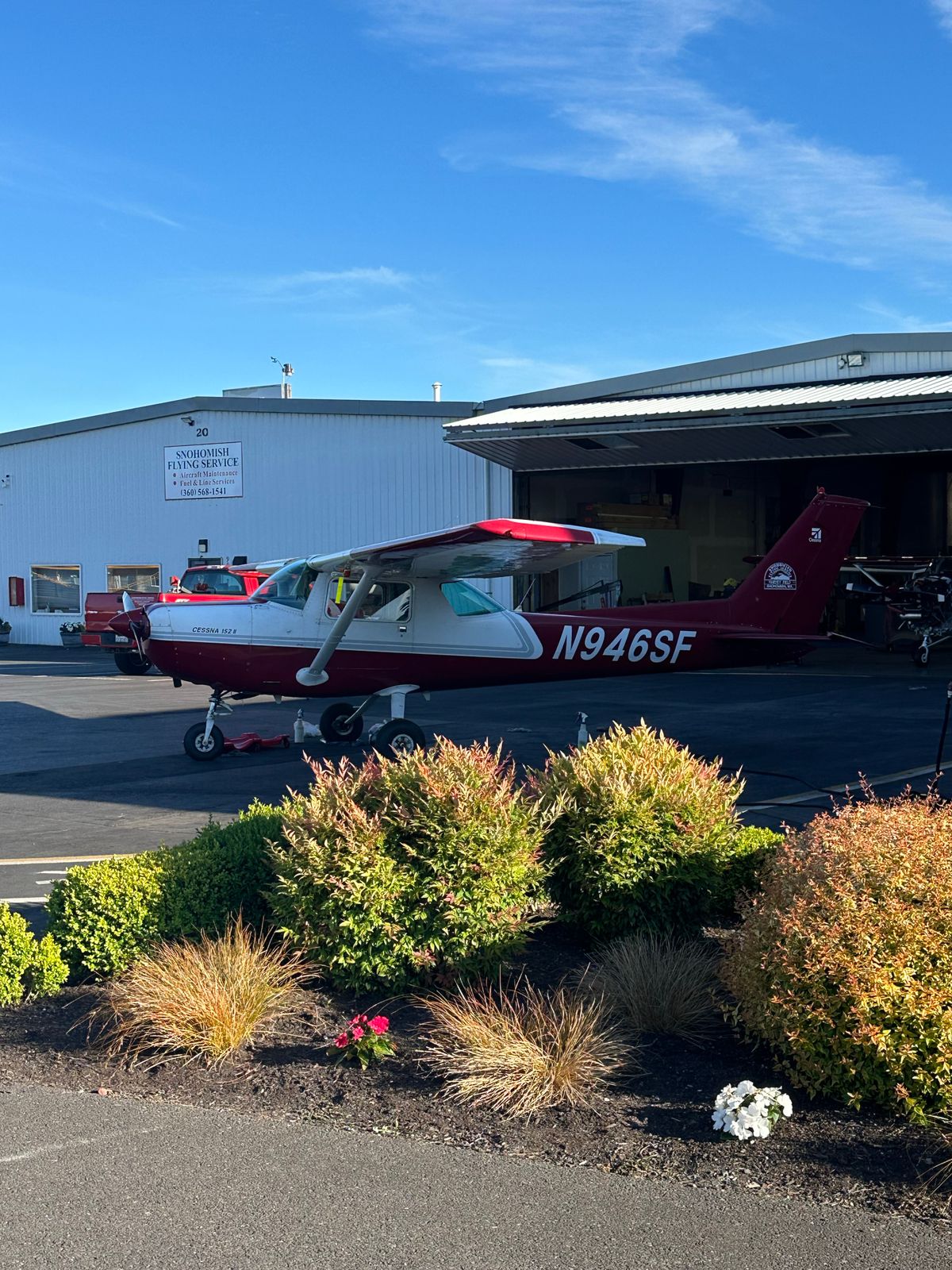
After storage, your aircraft isn’t ready to fly immediately—a methodical return-to-service procedure ensures systems are functional and safe.
Pre-flight inspection: Walk around the aircraft visually. Check for corrosion (white powdery deposits on metal), control surface freedom and correct movement, prop and spinner condition, landing gear function (if retractable), lights, and general cleanliness. This is your first screen for storage-inflicted damage.
Engine start: Before attempting an engine start, ensure: battery is freshly charged (cold hangar batteries lose capacity), fuel system is primed (pump it for 30 seconds before ignition), and engine oil is at proper level. Start the engine and let it warm to operating temperature. You may notice: hard starting (normal after storage), rough operation initially (normal as cylinders un-fog), or hesitation on throttle advance (normal as fuel system clears). If rough operation persists beyond a few minutes of operation, shut down and have an A&P investigate.
System checks: After engine warms, cycle landing gear (if retractable) through full extension and retraction cycles, test brakes (taxiing lightly and verifying response), check flight controls (aileron, elevator, rudder full deflection and centering), verify vacuum/pressure system operation, and confirm all system pressures and temperatures are in green.
First flight: The first flight after extended storage should be local, daylight, VFR conditions only. Plan a 30-minute flight to a nearby airport (full-stop landing and departure at least once). This validates: engine operation, systems stability, control response, and landing gear actuation under load. If everything checks during this brief flight, you’re cleared for normal operations. If you notice any anomalies, return to your home airport immediately and have the issue investigated.
Specifically, oil analysis is valuable after extended storage—a sample taken at first restart reveals any corrosion residue, water contamination, or bearing degradation that occurred during storage. This gives you objective data about engine condition and whether additional inspection is warranted.
FAQs
Should I drain or fill fuel tanks for long-term storage?
Either approach is acceptable depending on your hangar environment. Topping off tanks prevents condensation in climate-controlled, dry hangars. Draining tanks is safer in humid or unheated hangars where temperature swings cause condensation. The key is not leaving the aircraft partially full in humid conditions—either full or empty, with drain sump checked before storage. Check your aircraft’s POH for manufacturer preference.
Do I need to change the oil before storage?
Yes. Changing oil and filter before storage is strongly recommended by both Lycoming and Continental. Fresh oil has better corrosion inhibitors than aged oil. Used oil accumulates contaminants that accelerate internal corrosion. Change the oil, run the engine to distribute fresh oil throughout, then prepare for storage. This protects bearings and internal components during the storage period.
How often should I start the engine if storing long-term?
Lycoming and Continental recommend engine cranking every 30 days if storage exceeds 60 days—either manual hand-propping or using a starter (with fresh battery). This circulates oil, prevents bearing stagnation, and redistributes fogging oil. However, if you’ve properly fogged the engine at the start of storage and cannot start it regularly, fogging alone provides adequate protection for 6–12 months.
Sources and Further Reading
- Continental Motors Storage and Maintenance Bulletins
Written by the E3 Aviation Association team. For more pilot resources, visit E3 Aviation Articles or our homepage.

More like thisRelated
Wind Shear Recognition and Recovery for GA Pilots

Sun Valley Fly-In 2026: A GA Pilot’s KSUN + U87 Guide
Flying to AirVenture 2026: The GA Pilot’s Complete Preparation Guide