Corrosion prevention in general aviation isn’t glamorous, but it’s the single highest-ROI maintenance practice you can build into ownership. Most GA airframes are now decades old. The 1972 Cessna 182, the 1985 Bonanza, the 1978 Piper Arrow — all of them are aging composites of aluminum, steel, and dissimilar metals that respond predictably to moisture, salt, and time. Get corrosion prevention right and the airplane keeps its value. Get it wrong and a $50,000 corrosion repair shows up at the worst possible moment.
Last Updated: June 11, 2026 | By: The E3 Aviation Editorial Team
Why Corrosion Prevention Matters More Than Pilots Realize
The math on corrosion is brutal. A small spot of intergranular corrosion in a wing spar costs $200 to inspect and $2,000 to treat at year one. The same spot left untreated for five years becomes a $40,000 spar replacement at year six. The economics of early detection aren’t theoretical — they show up on the maintenance invoice.
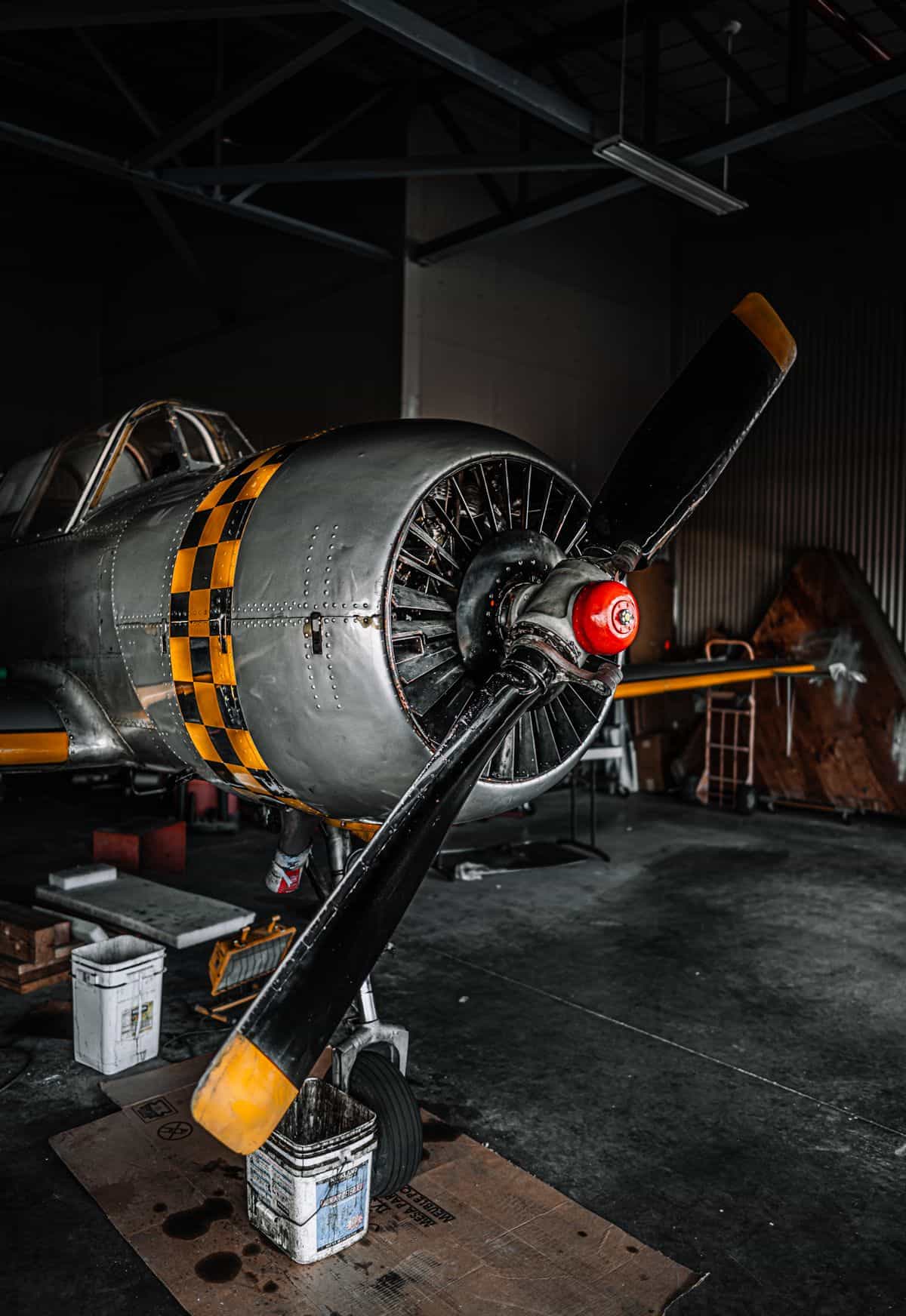
For owner-pilots, the practical takeaway is straightforward: build corrosion prevention into the annual inspection budget every year. Don’t skip it because the airplane looks fine outside. The corrosion that destroys value is usually inside the wing, inside the fuselage stringer, or inside the gear well — places you can’t see without panel removal.
The FAA’s Advisory Circular 43-4B on corrosion control is the authoritative reference. If your A&P isn’t familiar with it, find a different A&P. The document covers every major corrosion type, the inspection techniques that catch it early, and the treatment protocols that arrest progression. Read at least chapters 2 and 3 yourself. The vocabulary alone helps you have better conversations at annual.
The Types of Corrosion You’ll Actually See on GA Aircraft
Three corrosion types account for most of the damage on GA airframes. Understanding which one you’re looking at determines how aggressive your treatment needs to be and how often you need to re-inspect.
Surface Corrosion — The Cosmetic Layer
Surface corrosion shows up as discoloration, white powder, or pitting on visible aluminum surfaces. It’s annoying but usually not structurally significant. Treatment involves mechanical removal (Scotch-Brite, careful sanding), chemical conversion (Alodine), and re-painting or sealing.
The trap is assuming surface corrosion is the only problem. The cosmetic layer often masks deeper intergranular corrosion underneath. When you find surface corrosion, look harder for what’s below.
Intergranular Corrosion — The Hidden Threat
Intergranular corrosion attacks the grain boundaries inside the aluminum alloy. It’s invisible from the outside until it’s advanced enough to cause skin bulging or paint flaking. By that point, the structural damage is significant.
Inspection for intergranular corrosion typically requires eddy current testing, ultrasonic inspection, or destructive sampling. It’s the corrosion type that quietly ends airframes. The Piper PA-28 series and Cessna 182s of certain vintages have type-specific intergranular corrosion patterns that experienced mechanics know to look for.
Galvanic Corrosion — The Dissimilar Metals Problem
Galvanic corrosion happens when two different metals are in contact with each other and an electrolyte (water with dissolved salts) bridges them. Aluminum touching steel, aluminum touching brass, aluminum touching titanium — all produce galvanic cells that accelerate corrosion of one of the metals.
The typical GA culprit areas: aluminum skin riveted to steel structures, aluminum control surfaces hinged on steel pins, electrical bonding straps. Treatment requires breaking the electrical connection between the dissimilar metals, usually with insulating washers or barriers, plus careful sealing.
Inspection Techniques That Actually Find Corrosion
The annual inspection covers corrosion in theory. In practice, the depth of inspection varies enormously between shops. The shops that find corrosion early use a combination of visual inspection, panel removal, eddy current testing, and borescope inspection of enclosed areas. The shops that don’t, sign off on annuals where the corrosion is hiding in plain sight under the paint.
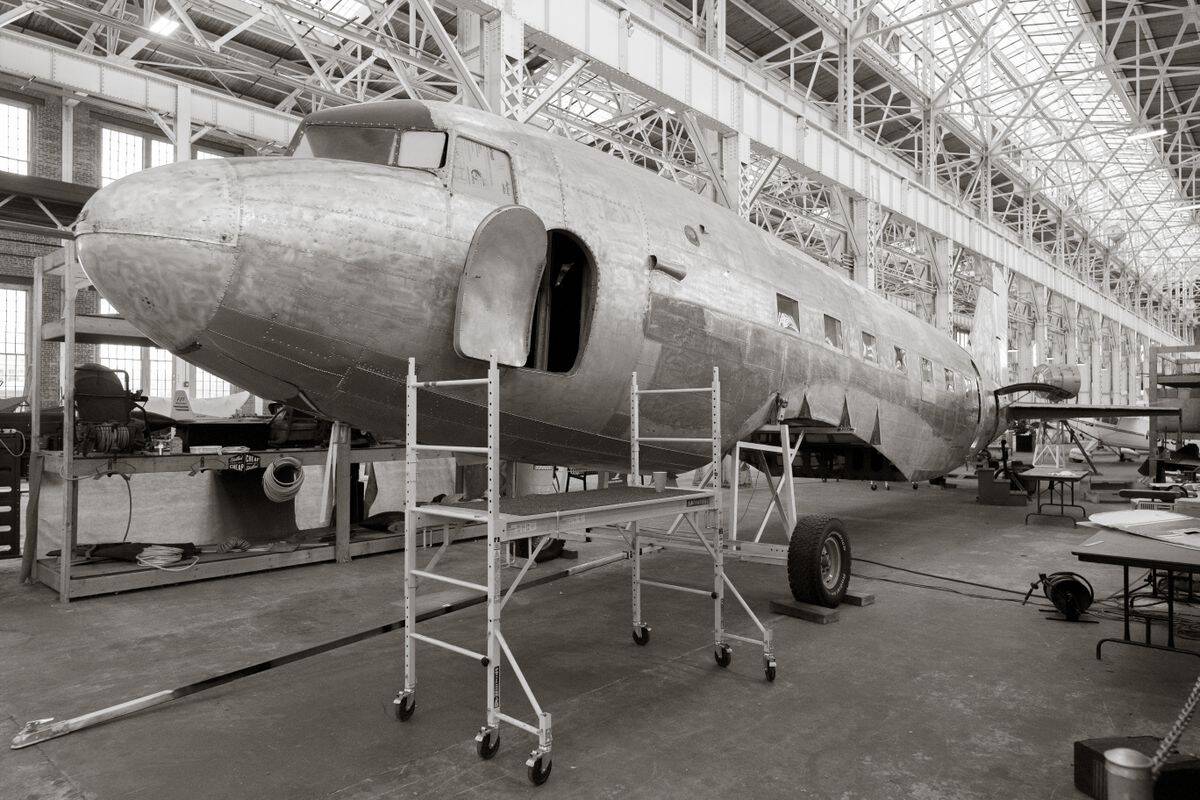
For owner-pilots, the practical play is to ask your A&P specifically: “Are we doing a full corrosion inspection this annual, or just the basic visual?” If the answer is just visual, request the full inspection at the next annual. Budget for it. The cost is small relative to the downside.
Here’s where we’ll be straight with you: most shops will do the work you ask for, but they won’t volunteer it. The owner who asks gets the inspection. The owner who doesn’t, finds the corrosion three years later when it’s significant. Drive the conversation yourself.
For broader GA ownership context, our Cirrus SR22 Complete Pilot Guide covers airframe-specific ownership considerations. The corrosion picture differs significantly between composite airframes like the Cirrus and traditional aluminum airframes like the Cessna and Piper fleet.
The Prevention Strategies That Actually Work
Effective corrosion prevention on GA aircraft comes down to four practices, in priority order. None of them are exotic. Most owners just don’t execute them consistently.
Hangar Storage Beats Everything Else
If you can hangar the airplane, do it. The single largest variable in long-term corrosion is whether the airplane lives indoors or outdoors. Outdoor-stored aircraft accumulate moisture inside the wings, fuselage, and control surfaces every night. Indoor-stored aircraft don’t.
The economics work out even at $500-800 per month for hangar rent. Five years of indoor storage versus outdoor storage produces a measurable difference in resale value — typically $15,000-25,000 on a $200,000 airplane. The hangar pays for itself in resale alone.
Active Drying Inside Wings and Fuselage
For aircraft that have to live outdoors, electric dehumidifier systems designed for aircraft (the Wing-X, the BRS Aerospace systems, others) reduce internal humidity significantly. They run on shore power, cost $500-1,500 installed, and pay for themselves in corrosion avoidance within three years.
For owners without electrical hookup at the tie-down, desiccant packs inside the airframe provide a budget option. They need replacement every 60-90 days, but they work. Don’t skip this if you can’t hangar.
Salt Removal After Coastal Flights
Salt is the single most aggressive corrosion accelerator GA airframes encounter. Coastal flying — Florida, the Gulf Coast, the Pacific Coast, Hawaii — deposits salt on every external and internal surface the airframe touches. After any flight where you’ve smelled salt air, the airplane needs a freshwater rinse within 24 hours.
The rinse isn’t just the outside. Internal cavities accumulate salt deposits too. Most shops can do a corrosion-protection wash that includes internal cavity flushing. After coastal trips, schedule one. It’s $200-400 well spent.
Corrosion Inhibitor Application
Topical corrosion inhibitors (ACF-50, Corrosion-X, AV-15) get applied to internal cavities, control surface hinges, fastener heads, and dissimilar-metal junctions. The product penetrates, displaces moisture, and leaves a protective film. Annual application during the inspection is standard practice in well-maintained airplanes.
For owners who fly in humid climates or store outdoors, twice-yearly application gives you measurably better protection. The cost is small. The labor for proper application is a few hours. Build it into the routine.
High-Risk Areas Every Owner Should Know
Certain locations on every GA airframe are corrosion magnets. Knowing where to look (and where to ask your A&P to look) accelerates early detection significantly.
The wing root and wing-to-fuselage junction. Water collects here from rain runoff and condensation. The dissimilar metals junction adds galvanic risk. Inspect at every annual.
The battery compartment and any nearby structure. Battery acid leaks produce some of the most aggressive corrosion you’ll see on a GA airframe. Even a brief leak can attack structural members beneath the battery box.
The control surface hinge points and bell cranks. These areas trap moisture and combine multiple metals. Inspection requires removal of inspection panels — easy to skip, expensive to find late.
The gear wells and gear leg attach points. Water collects here from runway spray and rain. Salt deposits build up after coastal operations. Galvanic corrosion at the gear attach points has ended airframes that looked fine from the outside.
The fuel tank interiors. Water collects in the bottom of every fuel tank over time. Wing-tank sumping catches most of it, but residual water produces internal corrosion that only borescope inspection finds early.
The exhaust system and surrounding structure. Combustion byproducts attack steel and aluminum at the exhaust gas paths. Cracks and pitting here have safety-of-flight implications, not just cosmetic ones.
Climate-Specific Corrosion Risk Profiles
Geographic location matters as much as airplane age in determining corrosion risk. Owners flying out of different climates need different prevention intensities to maintain the same long-term airframe condition.
Coastal and Salt-Air Environments
Florida, the Gulf Coast, the Pacific Coast, Hawaii, and any airport within five miles of saltwater all qualify as high-corrosion-risk locations. Salt particles get airborne, settle on every surface, and accelerate corrosion at multiples of inland rates. Owners in these environments should plan on twice-yearly internal cavity treatments, annual fresh-water cavity flushes, and exterior washing after every coastal flight.
The hidden risk is internal accumulation. The airframe traps salt particles inside wings, fuselage stringers, and gear wells. The exterior looks clean because the rain washes it. The interior accumulates damage that only shows up at the next major inspection.
Humid Subtropical Environments
The Southeastern US, the Mid-Atlantic, and similar climates produce moisture-driven corrosion without the salt acceleration. Internal dehumidifier systems become particularly valuable here. Aircraft stored outdoors accumulate condensation overnight, every night. The cumulative damage adds up over years.
Cold-Weather Operations
The Upper Midwest, New England, and the Pacific Northwest produce a different corrosion picture. Road salt at the airport (especially uncontrolled fields where municipalities salt taxiways) attacks aircraft skin. Repeated freeze-thaw cycles drive moisture into structural cavities. Owners in these environments should focus on the wheel wells, gear assemblies, and lower fuselage areas.
The Long View on Airframe Value
For owners thinking about a 20-year ownership horizon, the corrosion prevention math becomes even more compelling. An airplane bought today for $250,000 and well-maintained could be worth $200,000 in 2046. The same airplane neglected on corrosion could be worth $50,000 or scrapped entirely. The delta isn’t $15,000-25,000 — it’s $150,000.
That long-term resale picture is what experienced owners point at when they justify hangar rent, semi-annual corrosion inspections, and proactive treatment. The owners who play the long game come out ahead. The owners who optimize for current-year cost savings end up writing the big check at year fifteen.
Build corrosion prevention into the ownership philosophy from day one. Don’t treat it as a discretionary maintenance line item. Treat it as a strategic investment in the airplane’s long-term value.
Cost Picture — What Corrosion Prevention Actually Costs
For a typical GA single, the annual corrosion prevention budget breaks down as follows. The basic inspection adds $300-500 to a standard annual. Topical corrosion inhibitor application costs $400-800 depending on aircraft size and access. Internal drying system installation runs $500-1,500 one-time. Hangar rent ranges $400-800 monthly.
Honestly, this is where we’d push back on the conventional thinking that hangar rent is overhead. Hangar rent is a corrosion prevention strategy that pays for itself in resale value and reduced maintenance over five years. Treat it as an investment, not a cost.
For total ownership cost, dedicated corrosion prevention typically runs $2,000-3,500 per year on a normally-aspirated GA single. For owners who do this consistently, the return shows up as higher resale prices, longer airframe life, and fewer surprise maintenance events.
What the Pros Do Differently from Average Owners
Talk to owners who’ve kept their airplanes for fifteen or twenty years in excellent condition and they share a common set of practices. None of them are unaffordable. They’re just executed consistently.
Pro owners hangar the airplane whenever possible. They schedule semi-annual corrosion inspections. They wash the exterior monthly and rinse internal cavities annually. They apply corrosion inhibitor twice a year. They track every maintenance event in a written log that follows the airplane. They develop a relationship with one shop that knows their specific airframe history.
Average owners hangar when convenient. They inspect at annual only. They wash when the airplane looks dirty. They apply inhibitor when they remember. Their maintenance logs are scattered across three shops and two software systems. They use whichever shop is cheapest each year.
The difference in airframe condition at year fifteen is dramatic. The difference in resale value is even more dramatic. The cost difference in any single year is small — a few thousand dollars. Compounded over fifteen years of ownership, the total cost is similar. But the airplane condition and the resale value diverge enormously.
The discipline isn’t expensive. It’s just discipline. Pilots who build the habits early reap the rewards at every sale, at every annual, and at every cross-country where the airplane just works.
Regulatory Picture — What the FAA Actually Requires
The FAA’s corrosion inspection requirements vary by aircraft type. For most GA singles, the annual inspection (FAR Part 91) includes a corrosion inspection as part of the standard checklist. For Part 135 operations, corrosion prevention may be required on a more aggressive schedule. For specific airframe types, ADs (Airworthiness Directives) impose mandatory inspection or repair requirements.
Check the FAA’s Dynamic Regulatory System for ADs that apply to your aircraft type. Some legacy airframes have corrosion-specific ADs that require recurring inspection. Compliance isn’t optional — and the records need to show clearly that the inspection was performed.
For more on safe GA ownership and maintenance practices, browse our aviation articles library. We cover ownership economics, maintenance practices, and operational topics in depth.
Frequently Asked Questions
How often should I have my aircraft inspected for corrosion?
Standard practice is a thorough corrosion inspection at every annual. For aircraft stored outdoors, in coastal climates, or with type-specific corrosion ADs, consider semi-annual inspections of high-risk areas. The cost is small relative to the catastrophic-repair downside of late detection.
Is hangar storage really worth the cost for corrosion prevention?
Yes — measurably so. Over five years, indoor versus outdoor storage produces $15,000-25,000 difference in resale value on a typical $200,000 GA single. Hangar rent of $500-800 per month is offset by resale value alone, plus reduced ongoing maintenance costs. For owners who can’t access a hangar, electric dehumidifier systems are the next best option.
What’s the most overlooked area for corrosion inspection?
Internal cavities — wing root areas, fuselage stringers, gear wells, and fuel tank interiors. Visual inspection misses corrosion that’s hiding inside the airframe. Borescope inspection and inspection panel removal find it earlier. If your A&P isn’t opening panels to look for hidden corrosion, request that they do so at the next annual.
Sources
- FAA Advisory Circular 43-4B — Corrosion Control for Aircraft
- FAA Dynamic Regulatory System — ADs and service bulletins
- NTSB General Aviation Accident Dashboard
- AVweb — Aircraft maintenance and ownership coverage
Related Articles


E3 Aviation Editorial Team
The E3 Aviation Association editorial team is made up of licensed pilots, aviation educators, and industry professionals dedicated to advancing general aviation safety, community, and education. Learn more about E3 Aviation.