

Avgas pricing in 2026 has settled into a higher-cost steady state that GA owner-operators need to plan around — not the temporary spike many pilots hoped would reverse. With 100LL trading $7–$9 per gallon at most U.S. FBOs, the lead phase-out timeline still hanging over the market, and regional supply shocks more common than they were five years ago, the smart move is to understand the pricing structure rather than just watch the pump readout. This guide covers what’s actually driving 2026 fuel prices, the regional variation that determines what you pay, the unleaded transition timeline that will reshape costs over the next 5 years, and the practical decisions GA pilots can make today.
Last Updated: June 1, 2026 | By: The E3 Aviation Editorial Team
What 2026 Avgas Prices Actually Look Like
First, the headline numbers: 100LL retail at U.S. FBOs in mid-2026 ranges from approximately $6.50 per gallon at the cheapest Midwestern self-serve to over $11 at coastal California fields with full-service-only pumps. The national average sits in the $7.50–$8.50 range depending on which survey you trust, with regional variation that swamps any monthly fluctuation.
Critically, the price drivers in 2026 differ from the 2022–2023 spike that pushed prices over $10 at most FBOs. Specifically, today’s costs reflect structural changes: production economics shifted by smaller refining runs, distribution network consolidation, regulatory compliance costs for lead handling, and the capital uncertainty around the unleaded transition. Pilots waiting for the post-spike price collapse have been waiting two years and counting.
The Regional Variation That Determines What You Pay
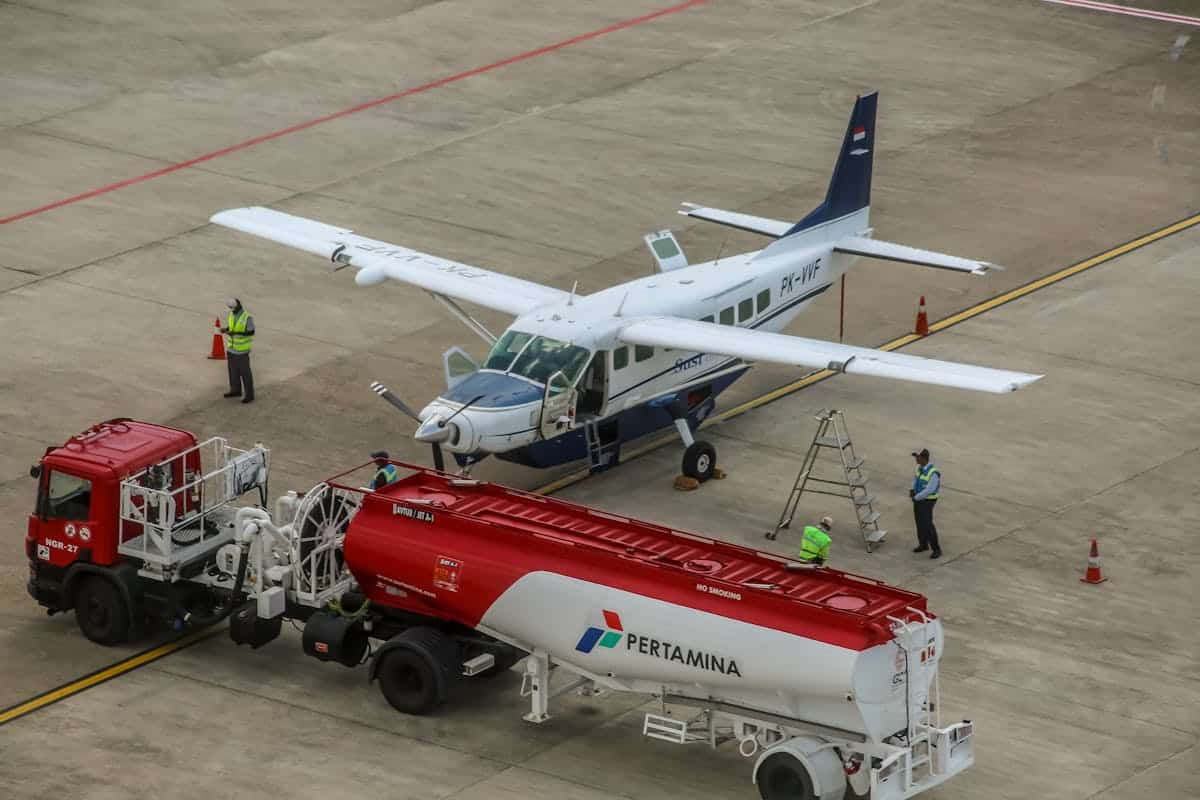
For instance, identical fuel can cost dramatically different amounts within a 50-mile radius. Specifically, the factors that push regional prices apart include:
- Distance from supply terminals. Airports far from major fuel distribution hubs pay higher delivery costs, often $0.50–$1.00 more per gallon than airports near terminals.
- FBO market structure. Single-FBO fields can charge whatever the market bears. Competitive fields with 2-3 FBOs see meaningful price differentiation.
- Volume turnover. High-volume fields see fresher fuel and tighter margins on each gallon. Low-volume strips often pass storage costs through to pilots.
- State and local taxes. Aviation fuel taxes vary by state, with some pilot-friendly states keeping costs low and others adding meaningful surcharges.
- Self-serve vs full-service. Self-serve pumps typically save $0.50–$1.00 per gallon compared to full-service truck refueling at the same FBO.
Practically, GA pilots who plan fuel stops around price often save more on a cross-country than they would by upgrading to a more fuel-efficient engine. Apps like ForeFlight and Garmin Pilot make fuel-price-aware routing easy.
The Lead Phase-Out — Where We Actually Are in 2026
Furthermore, the FAA’s EAGLE initiative targets removing leaded avgas from U.S. GA by 2030, but the practical situation in 2026 is messier than that timeline suggests. Specifically:
G100UL approvals. GAMI’s G100UL unleaded high-octane avgas has FAA STC approvals covering most certified piston aircraft. Distribution remains limited but growing. Pilots flying STC’d aircraft can use G100UL where available — typically at a $0.50–$1.50 premium over 100LL.
UL94 availability. Swift Fuels’ UL94 unleaded fuel works in aircraft with engines that don’t require 100-octane. Roughly 60–70% of the GA piston fleet can operate on UL94. Where stocked, UL94 prices similarly to 100LL.
Regional 100LL restrictions. Several California airports have already restricted 100LL sales, creating two-fuel reality at those fields. Pilots in restricted regions face a choice: switch to G100UL/UL94 STCs, relocate the aircraft, or fly to other fields for 100LL access.
Honestly, the unleaded transition has moved slower than the 2030 target suggests, but it’s moved faster than the avgas industry’s most pessimistic predictions. Owner-operators planning aircraft purchases or major engine overhauls should factor the lead phase-out into their 5–10 year ownership plan.
What Drives Avgas Price Volatility
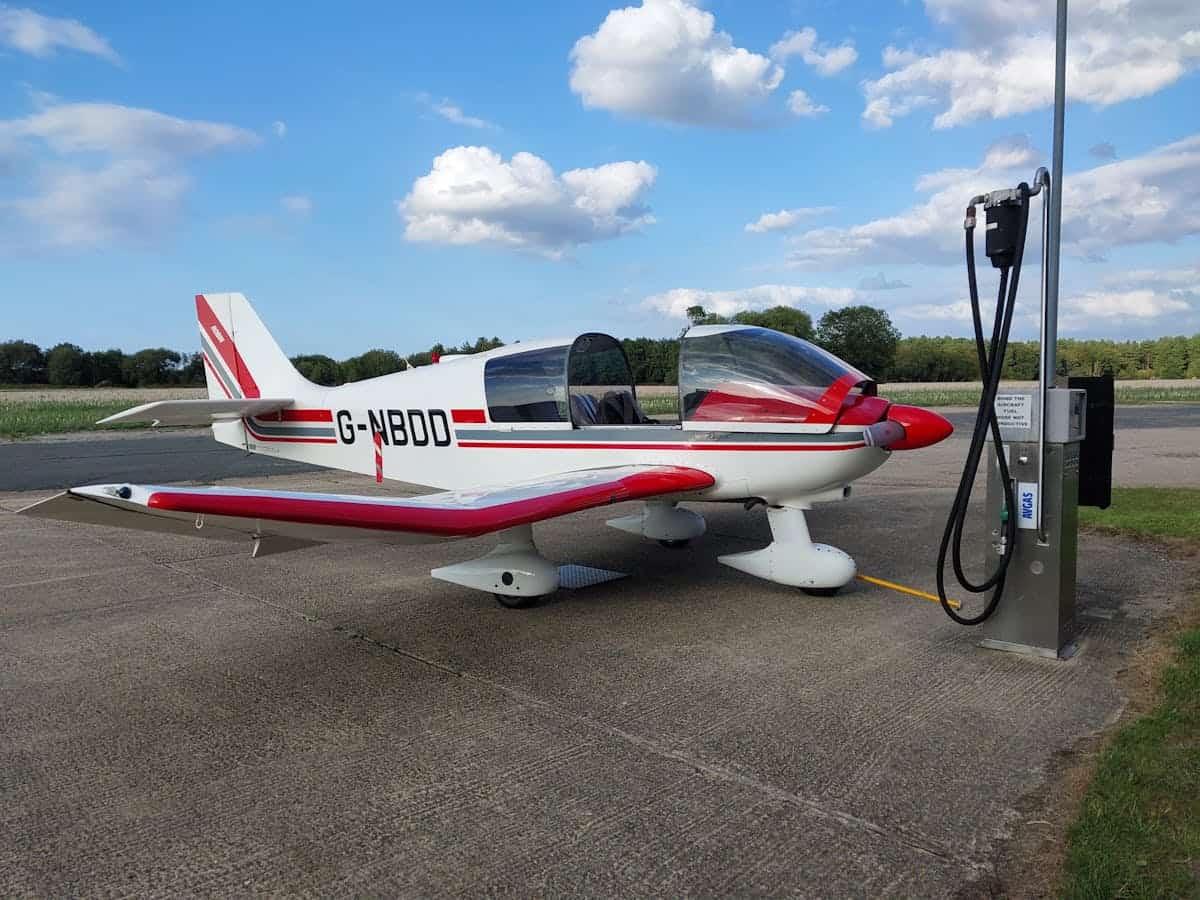
For comparison, avgas pricing responds to several inputs that don’t move in lockstep:
Crude oil prices. Avgas tracks crude movements but lags both up and down. A 20% crude swing typically produces a 10–15% avgas swing 60–90 days later.
Refining capacity. 100LL production is concentrated at a small number of U.S. refineries. Maintenance shutdowns or production reallocation at any single refinery affects national supply.
Distribution logistics. Avgas moves by truck from terminal to FBO. Trucking cost increases (driver shortages, fuel costs, regulations) feed directly into pump prices.
FBO margins. Different FBO ownership models — chain FBOs, owner-operator FBOs, airport authority FBOs — produce different markup structures.
Demand seasonality. Summer flying season pushes prices up in pilot-heavy regions. Winter softens demand in northern markets but firms it in the Southeast and Southwest.
Smart Fuel Strategy for GA Pilots in 2026
Practically, the GA pilot who manages fuel costs well in 2026 follows several habits:
- Plan fuel stops around price. A 30-minute deviation to a self-serve field $1.50/gal cheaper saves real money on cross-country flights.
- Use fuel apps deliberately. AirNav, Garmin Pilot, and ForeFlight all surface fuel prices. Check before departure, not at the destination FBO.
- Consider fuel card programs. Aviation associations and FBO chains offer cards with cents-off-per-gallon savings that compound for active pilots.
- Track unleaded availability. If your aircraft is STC’d or UL94-compatible, knowing where to find unleaded extends your operational range and hedges 100LL supply risk.
- Build fuel cost into operating budget. Honest hourly operating cost calculations include realistic 2026 fuel costs, not pre-spike memory.
Our take: most pilots dramatically underestimate how much fuel strategy affects their actual annual operating cost. A pilot who pays $0.75/gal more than necessary on average over 100 hours of flying gives away roughly $800 — for nothing in return.
The 5-Year Outlook for GA Fuel Costs
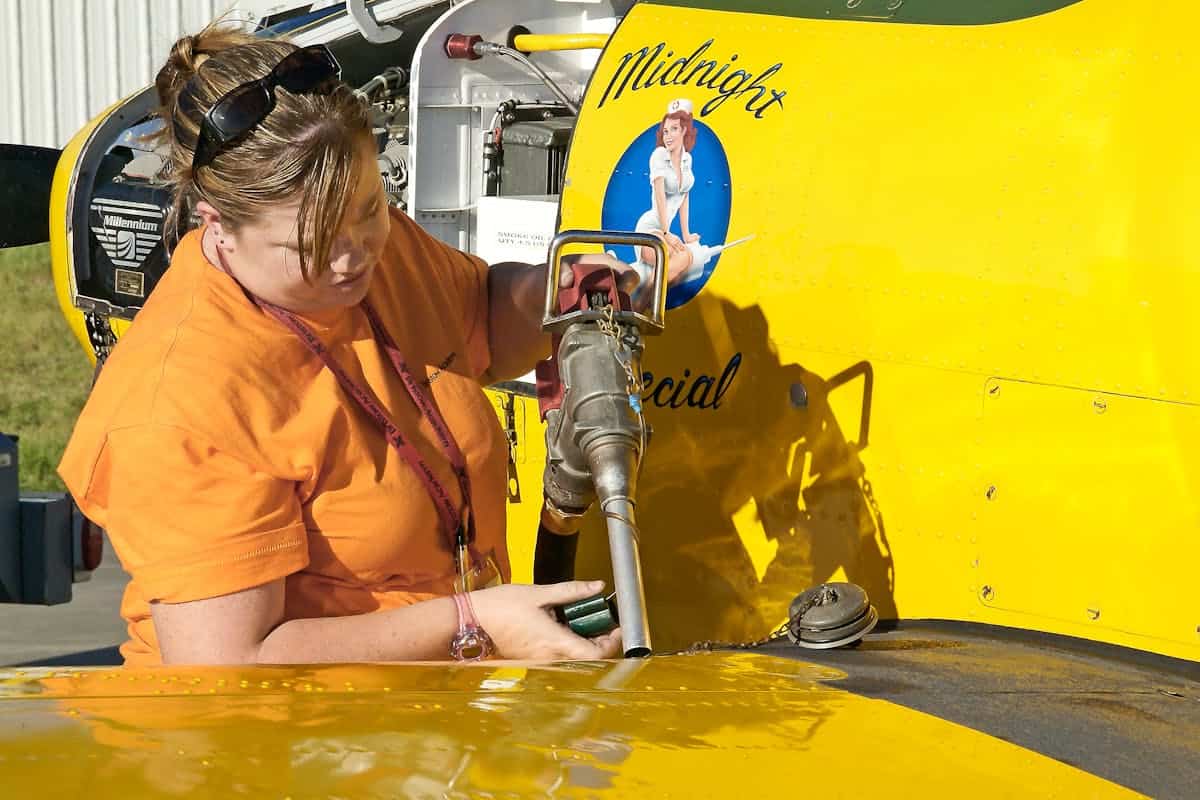
Above all, the medium-term outlook for GA fuel costs depends on three interacting factors:
1. Crude oil trajectory. Stable or declining crude keeps a ceiling on 100LL prices. Sustained high crude pushes them higher.
2. Unleaded transition pace. Faster transition to G100UL and UL94 broadly available could reduce 100LL infrastructure costs over time, but during transition, both fuels must be supplied at higher per-gallon cost.
3. Regional restriction spread. If California-style 100LL restrictions spread to other states, regional fuel costs will diverge further, and the unleaded availability question becomes operational.
Our take: GA fuel costs in 2030 will likely be roughly comparable to 2026 in real (inflation-adjusted) terms, with more unleaded availability and more regional variation. Owner-operators making long-term decisions should plan for sustained $7–$10/gal fuel as the central case.
What This Means for Aircraft Purchase Decisions
For broader context, see our coverage of diesel aircraft engines for GA and our deep-dive on lead in aviation fuel.
Notably, the fuel cost picture should shape aircraft purchase economics for owner-operators. Specifically: diesel piston conversions burning Jet A make stronger financial sense at sustained $8+ avgas prices than they did at $4.50. Higher-fuel-burn aircraft (Bonanza, larger Mooneys, twin-engine pistons) face stiffer economics. Efficient cruise-optimized aircraft (Cirrus SR series with Continental engines, certain Cessna variants) benefit relatively from the current price environment.
Frequently Asked Questions About 2026 GA Fuel
Why is avgas more expensive than automotive gasoline?
100LL contains tetraethyl lead and uses specialized refining processes that fewer refineries can run. Production volumes are far lower than automotive gas, distribution networks are smaller and less efficient, regulatory compliance costs are higher, and aviation-specific liability insurance feeds into pricing. The structural cost difference is real and unlikely to close.
When will 100LL be phased out completely?
The FAA’s EAGLE target is end of 2030, but practical phase-out depends on G100UL and UL94 distribution reaching most U.S. airports. Realistic expectations: 100LL remains widely available through 2028, becomes spotty in some regions by 2030, and is largely replaced by unleaded options by 2032–2035 except in the smallest markets.
Can I run G100UL in my aircraft?
G100UL requires an FAA STC for your specific aircraft and engine combination. GAMI maintains an STC list covering most certified piston aircraft. Check the current STC status for your aircraft type before assuming compatibility. UL94 has different eligibility — typically aircraft that don’t require 100-octane fuel can use it without STC modifications.
About the E3 Aviation Editorial Team
The E3 Aviation Editorial Team writes for owner-pilots, student pilots, and the small aircraft community. We focus on practical, real-world content that respects your time and your training. Learn more about E3 Aviation.



 prices in 2026 explained — current cost per gallon, regional variation, the lead phase-out timeline, and what GA owner-operators should expect through 2030.)