Female aviators have shaped the history of flight in ways that go far beyond logging hours. Women like Bessie Coleman and Bernetta Adams broke through barriers of race, gender, and economic hardship to claim their place in the sky. Their achievements did not just open doors for themselves — they opened doors for every woman who came after them. At E3 Aviation Association, we celebrate the pioneers who built aviation into what it is today. In this guide, we explore the lives and legacies of Bessie Coleman, Bernetta Adams, and the other trailblazing female aviators who changed history.
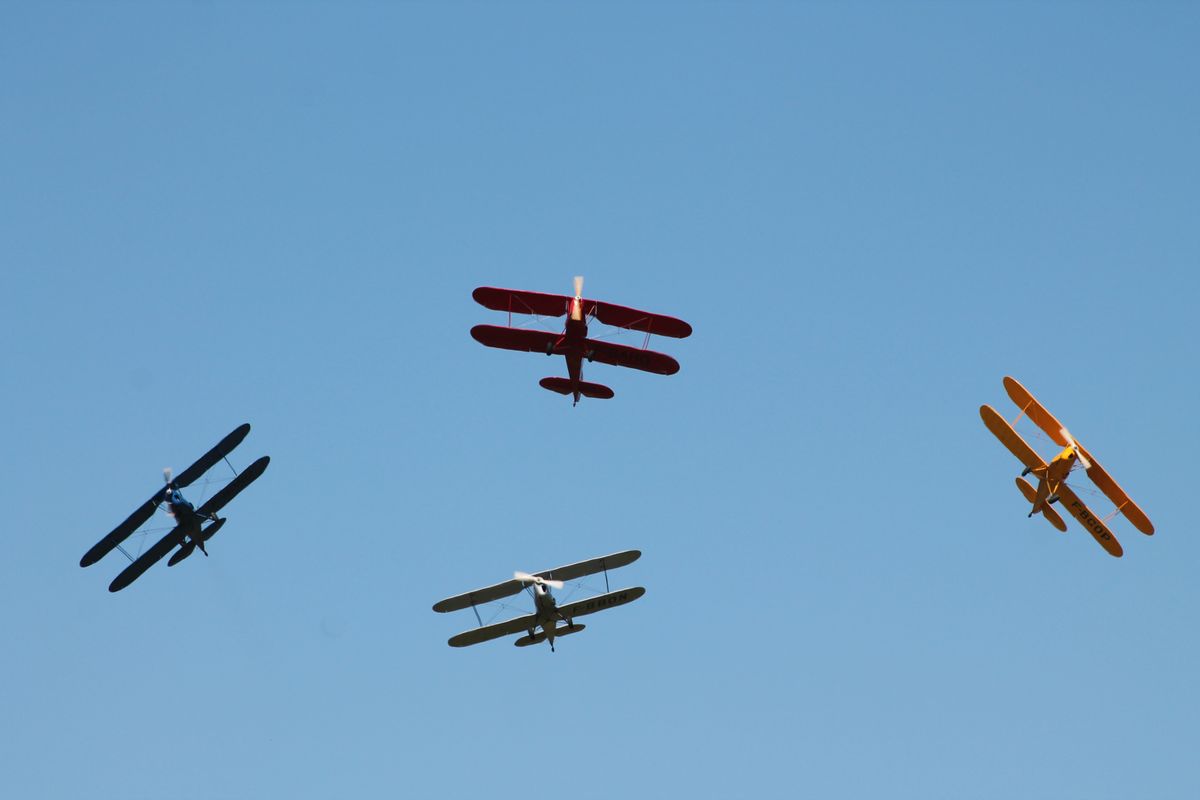
Bessie Coleman: The First African American Female Aviator
The Texas Sharecropper Who Refused to Be Told No
Bessie Coleman was born on January 26, 1892, in Atlanta, Texas. She grew up in a large family and faced poverty from an early age. She worked hard as a child, picking cotton to help support her family. She developed a fierce independence and determination that would define her entire life.
Coleman moved to Chicago as a young adult. There, she worked as a manicurist and first heard stories about aviation from World War I veterans. Those stories sparked a dream that would not let her go. She decided she wanted to fly — at a time when American flight schools refused to accept her on two counts: she was Black, and she was a woman.
Earning Her Wings in France
Coleman did something remarkable. She taught herself French and applied to flight schools in France. She received support from Robert Abbott, publisher of the Chicago Defender newspaper, and other backers. As a result, she sailed to France in 1920 and enrolled at the Caudron Brothers School of Aviation.
Coleman earned her international pilot license from the Fédération Aéronautique Internationale on June 15, 1921. She became the first African American — male or female — to hold an international pilot license. She returned to the United States as a certified aviator at a time when most American flight schools still refused to train Black pilots.
Coleman returned to Europe for advanced training in aerobatics. She studied stunt flying in France and Germany. As a result, she returned to the US fully prepared to perform the kind of barnstorming shows that drew crowds by the thousands.
Barnstorming While Fighting a System Built to Stop Her
Coleman refused to perform at events that segregated Black audiences. She turned down show invitations unless organizers agreed to let all spectators enter through the same gate. She used her platform as a performer to fight for racial equality — making her a pioneering figure both in aviation and in civil rights.
Coleman’s aerial shows drew massive crowds across the country. For example, she performed death-defying stunts in Curtiss JN-4 “Jenny” biplanes. She lectured at churches, schools, and theaters — always encouraging Black Americans to pursue aviation. She was not just an aviator. She was a movement.
Coleman had a larger goal. She was saving money to open her own flight school to train Black pilots. However, that dream was cut short. Tragically, Bessie Coleman died on April 30, 1926, at age 34, when her aircraft went into an uncontrolled dive during a rehearsal in Jacksonville, Florida.
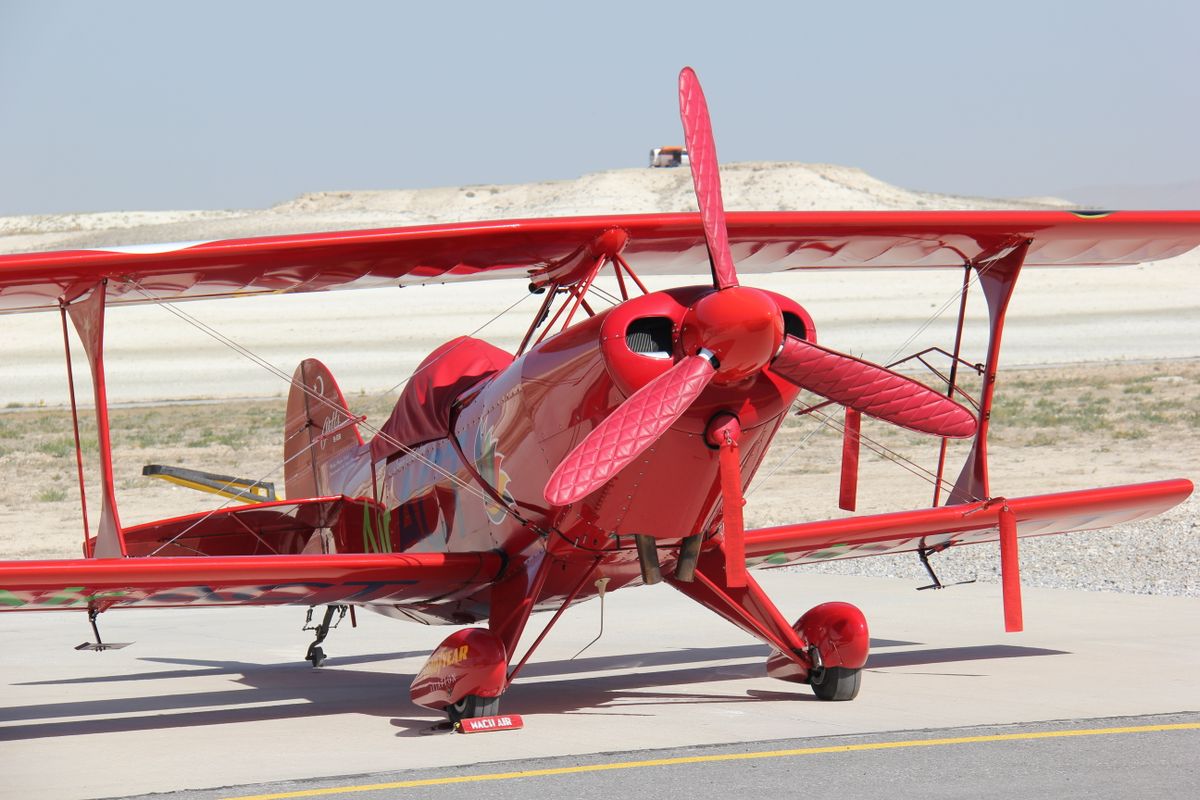
Bessie Coleman’s Enduring Legacy
Bessie Coleman’s impact on aviation — and on American culture — is immeasurable. She proved that barriers of race and gender could be broken through sheer determination. She inspired generations of Black aviators who followed in her path.
The Bessie Coleman Aero Club was founded in Los Angeles in 1929 to train Black pilots. Coleman became the first Black American to appear on a US postage stamp, honored in 1995. Chicago’s O’Hare International Airport has a road named in her honor. As a result, her name is permanently woven into the fabric of American aviation.
The organization Sisters of the Skies, founded in 2018, carries on Coleman’s legacy by supporting Black female pilots. The group provides mentorship, scholarships, and community for women pursuing aviation careers. In fact, many of today’s Black female aviators point directly to Bessie Coleman as their inspiration.
Bernetta Adams: A Native American Aviation Pioneer
Bernetta Adams holds her own historic distinction among female aviators. She became the first Native American woman to earn a pilot license in the United States. She represents another dimension of the diversity that has always been part of aviation’s story — even when that story was rarely told.
Adams pursued aviation at a time when Native American women had virtually no representation in the field. Her achievement carried deep cultural significance. Her story reminds us that the barriers facing female aviators were layered — race, ethnicity, gender, and economic access all played a role in determining who could and could not fly.
The journeys of Coleman and Adams share a common thread. Both women refused to accept the limitations imposed on them by the society of their era. As a result, both left marks on aviation history that endure to this day.
We’ll be straight with you: the progress toward gender and racial diversity in aviation has been painfully slow. In 2025, women represent about 9% of U.S. pilots and Black pilots remain a fraction of that. The stories in this article matter precisely because the structural barriers Coleman faced haven’t fully disappeared — they’ve just changed shape.
Other Trailblazing Female Aviators Who Changed History
Harriet Quimby — America’s First Licensed Female Pilot
First, Harriet Quimby earned her pilot certificate from the Aero Club of America on August 1, 1911. She became the first woman in the United States to receive a pilot license. In April 1912, she became the first woman to fly solo across the English Channel. Her achievement captured international headlines and helped establish aviation as a field women could master.
Amelia Earhart — The Most Famous Female Aviator in History
Second, Amelia Earhart remains the most recognized name among female aviators worldwide. In 1932, she became the first woman to fly solo nonstop across the Atlantic Ocean. Earhart set multiple speed and altitude records throughout her career. She co-founded the Ninety-Nines — an international organization of licensed female pilots that still operates today with over 5,500 members.
Earhart used her fame as a platform to advocate for women in aviation and in professional life generally. She became a symbol of courage and possibility that transcended aviation. As a result, her 1937 disappearance during an attempted circumnavigation of the globe remains one of the most discussed mysteries in aviation history.
The WASPs: Women Who Flew Warbirds When the Military Said No
Third, Jacqueline Cochran was one of the most decorated female aviators of the 20th century. She held more aviation speed, altitude, and distance records than any other pilot — male or female — at the time of her death. During World War II, she organized and led the Women Airforce Service Pilots (WASPs).
The WASPs were a group of about 1,100 women who flew military aircraft domestically during WWII. They ferried new aircraft from factories to military bases and trained male pilots. They freed male combat pilots for overseas duty. They flew more than 60 million miles in service to their country. Congress officially recognized the WASPs as military veterans in 1977 — decades after the war ended.
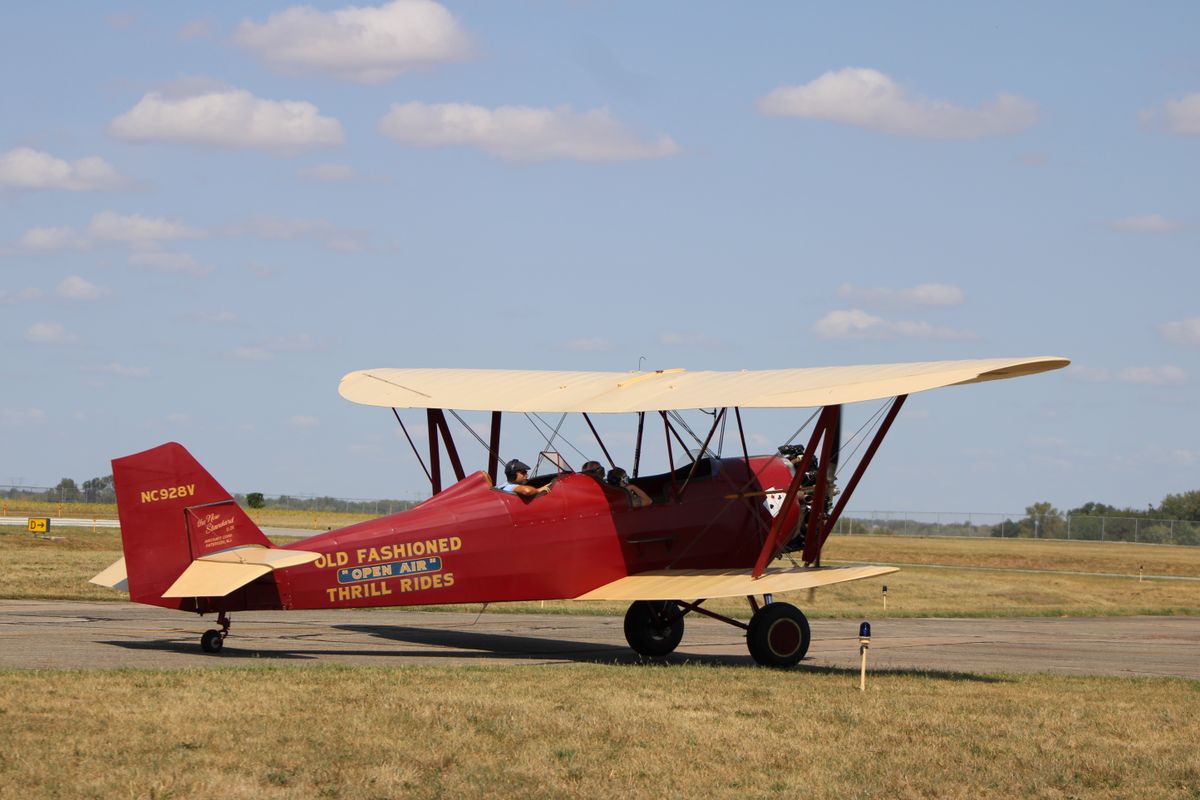
Female Aviators in the Modern Era
Today, female aviators are making history on new frontiers. Women serve as commercial airline captains, military fighter pilots, astronauts, and aviation executives. The gains made by pioneers like Coleman, Adams, and Earhart continue to compound.
Organizations like Women in Aviation International (WAI) work to grow the pipeline of female pilots and aviation professionals. WAI provides scholarships, mentorship, and networking for women at every stage of their aviation journey. The Ninety-Nines — founded in 1929 by 99 licensed female pilots including Amelia Earhart — remains a powerful community for women in aviation worldwide.
The numbers are improving — though there is still work to do. Women make up only about 9% of all US pilots as of recent FAA data. However, female student pilot enrollment has been growing year over year. As a result, the aviation community expects continued growth in female representation over the coming decades. For a deeper look at the path to becoming a pilot, read our guide on how to become a pilot.
How to Honor the Legacy of Female Aviators
The best way to honor Bessie Coleman, Bernetta Adams, and the women who followed them is to carry their spirit forward. That means supporting programs that bring more women — and more underrepresented groups — into aviation.
First, consider supporting organizations that fund aviation scholarships for women and minorities. Women in Aviation International, the Bessie Coleman Foundation, and the Ninety-Nines all accept donations and volunteers. Mentorship matters greatly. If you are an experienced pilot, consider flying with a student from an underrepresented background.
Share the stories of pioneers like Bessie Coleman with the next generation. Young people who see themselves reflected in aviation history are more likely to pursue aviation themselves. Local flying clubs can partner with schools and youth organizations to introduce aviation to a wider audience. Every barrier that falls in aviation today is a tribute to the women who fought to fall the first ones. For resources on finding a great flight instructor, read our guide on how to choose a flight instructor.
Our take: Bessie Coleman didn’t just break barriers — she crossed an ocean to find a country that would let her fly when her own wouldn’t. That level of determination is worth understanding, not just acknowledging. The aviation community she helped build has been trying to live up to her example ever since.
Frequently Asked Questions About Female Aviators
Who was Bessie Coleman and why is she important?
Bessie Coleman was the first African American woman to earn a pilot license. She earned her international license in France in 1921 after US flight schools refused to train her. She became a barnstorming performer and civil rights advocate who inspired generations of Black pilots. Her legacy continues through the Bessie Coleman Foundation and organizations like Sisters of the Skies.
What were the WASPs?
The Women Airforce Service Pilots (WASPs) were about 1,100 women who flew military aircraft domestically during World War II. They ferried aircraft, trained pilots, and performed test flights to free male pilots for combat duty overseas. Congress officially recognized them as military veterans in 1977, decades after the war ended.
How many female pilots are there today?
Women make up about 9% of all certificated pilots in the United States, according to recent FAA data. However, female student pilot enrollment is growing year over year. Industry organizations expect female pilot representation to increase significantly over the next decade as the pilot shortage drives broader recruitment efforts.
Sources:
Women in Aviation International | The Ninety-Nines International Organization of Women Pilots | FAA Civil Airmen Statistics
Written by the E3 Aviation Editorial Team | E3 Aviation Association — Empowering pilots with knowledge, community, and resources.