Pilots who develop a true effortless aircraft panel scan fly with far less mental strain, whether they rely on classic instrument scan techniques in older aircraft or adapt smoothly to glass cockpit scan methods in newer setups. This skill turns routine flying into something almost automatic, freeing up brainpower for traffic watching, weather decisions, and enjoying the view. For anyone in general aviation—from student pilots building hours to aircraft owners managing their own maintenance—the ability to glance across the panel and instantly know what the airplane is doing makes every flight safer and more enjoyable. However, many pilots never quite reach that effortless level because they stick with habits that create extra work instead of reducing it.
Additionally, the difference between a clunky scan and one that flows naturally comes down to understanding a few core relationships between instruments. Moreover, once you lock in the right pattern for your airplane, the panel almost speaks to you without demanding constant focus. Therefore, learning these methods early pays off whether you fly VFR on sunny days or push into IFR conditions.
Why an Effortless Aircraft Panel Scan Changes Everything for General Aviation Pilots
In everyday flying, an effortless aircraft panel scan keeps small deviations from turning into big problems. For example, a quick glance at the attitude indicator followed by the altimeter and heading can catch a climb or turn before you lose fifty feet or drift off course. However, without a solid scan, pilots often fixate on one gauge while the airplane drifts in another direction. In addition, this skill matters even more in busy airspace or when workload spikes during approaches.
Furthermore, general aviation pilots who master instrument scan techniques report feeling far more relaxed at the controls. They spend less time staring at needles and more time scanning outside for traffic or landmarks. Meanwhile, the same principles apply whether your panel features round dials or a bright glass display. As a result, the scan becomes second nature, almost like checking your mirrors while driving down the highway.
Understanding the Foundations of Instrument Scan Techniques
Instrument scan techniques start with the attitude indicator as your anchor. However, the real secret lies in how you move your eyes between instruments in a repeatable pattern. Additionally, most instructors teach variations of the T-scan, inverted-V, or hub-and-spoke method because each one minimizes head movement and keeps information flowing quickly.
For instance, in the classic T-scan you start at the attitude indicator, sweep across to the altimeter, drop down to the airspeed indicator, and return to the attitude indicator before checking the heading. Moreover, this pattern works beautifully in traditional six-pack panels because the instruments sit in predictable spots. Therefore, your eyes develop muscle memory after only a few hours of deliberate practice.
Common Patterns Pilots Use for Reliable Control
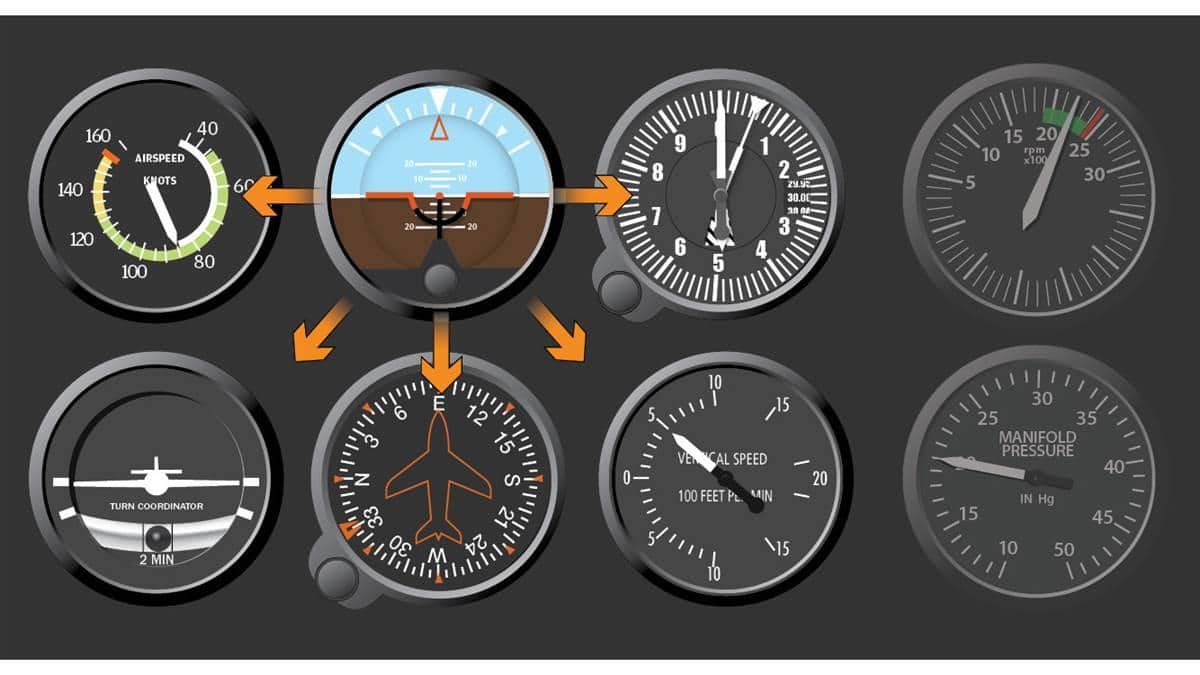
One popular approach is the selected radial cross-check, where the attitude indicator stays in the center and you radiate out to whichever performance instrument matters most at that moment. On the other hand, the rectangular scan moves clockwise or counterclockwise around the basic six instruments in a steady loop. Meanwhile, the inverted-V pattern focuses on pitch and bank first, then confirms with vertical speed and turn coordinator. Each method has strengths, yet they all share one goal: giving you the full picture without wasting a single glance.
Adapting Your Scan for Glass Cockpit Scan in Modern Aircraft
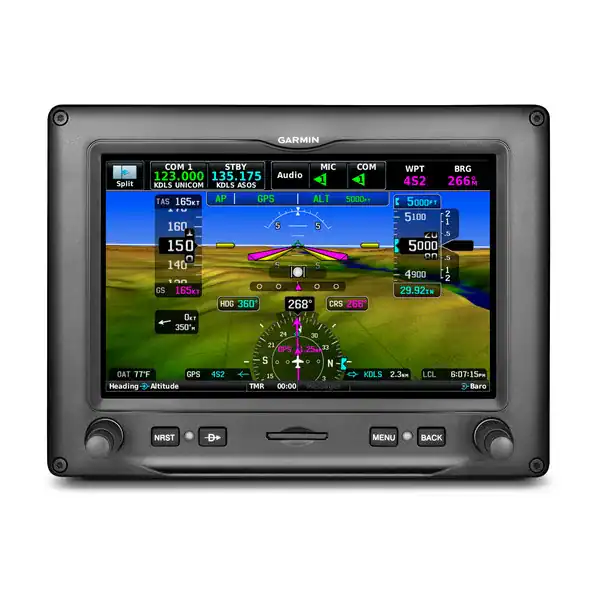
Glass cockpit scan methods feel different at first because everything lives on one or two big screens. However, the principles remain exactly the same: attitude first, then performance. Additionally, modern primary flight displays pack airspeed, altitude, heading, and vertical speed into a single glance, which can actually speed up your scan once you adjust.
Furthermore, trend vectors on glass panels show where the airplane will be in the next six seconds, so you can make tiny corrections before numbers move much at all. In addition, setting bugs for target altitude and heading turns the scan into a quick visual check instead of reading digits every time. Therefore, pilots who transition from steam gauges to glass often discover their effortless aircraft panel scan actually improves once they learn to trust the integrated display.
Key Differences Between Traditional Gauges and Glass Panels
Traditional gauges rely on needle position and movement for instant trend information, while glass panels use digital tapes and magenta trend lines. However, both systems reward the same disciplined eye movement. Moreover, glass displays reduce the physical distance your eyes travel, yet they can tempt pilots to stare at colorful graphics instead of scanning methodically. On the other hand, steam-gauge pilots sometimes develop stronger habits because each instrument sits in its own physical spot.
Little-Known Secrets That Make the Effortless Aircraft Panel Scan Truly Automatic
One underused trick involves treating the scan like a musical rhythm—counting a slow “and-one-and-two” while your eyes move. Additionally, many experienced pilots scan the attitude indicator between every other instrument so they never drift far from the big picture. Meanwhile, trimming the airplane for hands-off flight turns the scan into a confirmation tool rather than a constant correction device.
Furthermore, practicing your scan in visual conditions builds the muscle memory you will need when the weather turns sour. Therefore, the effortless aircraft panel scan becomes reliable long before you ever need it under pressure. In addition, some pilots cover one or two instruments during training to force themselves to trust the rest of the panel—a simple drill that reveals hidden weaknesses fast.
Power Settings and Small Corrections That Keep the Scan Smooth
Another secret is learning approximate power settings for different phases of flight so you glance at the tach or manifold pressure only occasionally. However, when you do look, a quick adjustment followed by an immediate return to the attitude indicator prevents over-controlling. As a result, the entire scan stays light and effortless instead of turning into a frantic search for the right numbers.
Building Your Scan Skills Across VFR and IFR Flying

Even in clear weather, a strong effortless aircraft panel scan keeps you ahead of the airplane. However, when you enter clouds or low visibility, that same scan becomes your lifeline. Additionally, instrument scan techniques practiced during VFR flights translate directly to IFR work because the eye movements stay identical.
Moreover, many general aviation pilots discover that consistent scanning in good weather prevents the common mistake of staring outside too long and letting the airplane wander. Therefore, the habit pays dividends whether you fly for fun on weekends or log serious cross-country hours.
Real-World Pilot Experiences and Lessons Learned
Consider a student pilot on a VFR flight who entered unexpected clouds without a solid scan. However, because he had practiced instrument scan techniques only a few times, he fixated on the attitude indicator and ignored heading drift until the airplane turned ninety degrees off course. Meanwhile, another experienced owner flying a glass-equipped Cessna noticed a subtle trend vector on the altitude tape and made a tiny pitch correction before losing fifty feet—exactly the kind of effortless aircraft panel scan that separates good pilots from great ones.
Furthermore, accident reports often highlight how poor scanning contributed to spatial disorientation when pilots lost visual references. On the other hand, pilots who maintained a disciplined glass cockpit scan during partial panel practice recovered from simulated failures with minimal altitude loss. In addition, these real stories show that the scan is never just a training exercise; it is a practical tool that saves lives when things get busy or visibility drops.
Case Studies from General Aviation Flights
In one documented case, a pilot flying at night in marginal conditions relied too heavily on outside references and neglected the panel until the airplane entered an uncommanded descent. However, after reviewing the flight, he realized a simple hub-and-spoke scan would have caught the issue early. Meanwhile, another pilot transitioning to glass discovered that setting altitude bugs turned his scan into a glance-and-confirm routine, dramatically reducing workload during a busy arrival. Therefore, these examples prove that small changes in scan habits create large improvements in safety and enjoyment.
Practical Training Drills to Develop an Effortless Aircraft Panel Scan
Start every flight with a deliberate sixty-second scan warm-up while taxiing. Additionally, use a hood or foggles during VFR practice to simulate instrument conditions without leaving the pattern. Moreover, record your scan on a phone mounted in the cockpit and review it later to spot fixation or skipped instruments.
Furthermore, fly basic maneuvers—climbs, turns, descents—while calling out each instrument you check out loud. As a result, the pattern becomes automatic. In addition, many pilots find that practicing partial panel, with one key instrument covered, forces them to rely on supporting instruments and strengthens the overall effortless aircraft panel scan.
Advanced Drills for Glass Cockpit Scan Mastery
For glass-equipped aircraft, practice setting and chasing bugs while hand-flying approaches. However, keep the scan flowing to the attitude indicator between every performance check. Meanwhile, simulate failures by dimming parts of the screen or covering backup gauges so you stay sharp when the primary display behaves unexpectedly.
Trends Shaping the Future of Aircraft Panel Scanning in General Aviation
More new and retrofitted aircraft now feature glass panels, which changes how pilots develop and maintain their scan. However, the core instrument scan techniques remain unchanged because the physics of flight never change. Additionally, synthetic vision and traffic overlays add information without replacing the need for a disciplined glass cockpit scan.
Moreover, training programs increasingly emphasize scan habits early because modern displays can hide small errors if you do not look at them regularly. Therefore, the effortless aircraft panel scan continues to be the foundation of safe flying no matter how advanced the cockpit becomes. In addition, many owners find that mixing old-school practice with new technology creates the most resilient skills.
Common Pitfalls and How to Avoid Them Forever
Fixation on a single gauge tops the list of problems that ruin an otherwise good scan. However, the fix is simple: force yourself to return to the attitude indicator after every performance check. Additionally, omission of the turn coordinator or vertical speed indicator often happens when pilots get rushed. Meanwhile, emphasis on one instrument over others can be cured by slowing the scan and giving each gauge its proper moment.
Furthermore, many pilots discover that fatigue or stress makes the scan fall apart, so building the habit in calm conditions protects you when conditions get tough. As a result, the effortless aircraft panel scan stays reliable even on long flights or during demanding approaches.
Putting It All Together for Safer and More Enjoyable Flights
When you combine the right instrument scan techniques with a glass cockpit scan tailored to your airplane, flying becomes noticeably smoother. However, the real payoff shows up in reduced stress and sharper decision-making. Moreover, pilots who reach this effortless level often say they finally feel like they are truly ahead of the airplane instead of chasing it.
Therefore, make the scan a daily priority and watch how your confidence grows with every flight hour. In addition, sharing tips with other pilots at the airport or through online communities reinforces what you learn and keeps the skill fresh.
To learn more join the E3 Aviation community at: https://e3aviationassociation.com/ where pilots exchange scan drills and real-world experiences every week. To discover more about building an aviation career click : https://e3aviationassociation.com/e3-aviation-association-pilot-manifesto/.
Frequently Asked Questions About the Effortless Aircraft Panel Scan
Question: How long does it take to develop an effortless aircraft panel scan?
Answer: Most pilots notice real improvement after ten to fifteen hours of deliberate practice, but true effortlessness usually arrives around the fifty-hour mark when the pattern becomes automatic. However, the timeline depends on how consistently you practice and whether you fly traditional or glass panels. Additionally, mixing VFR and simulated IFR drills speeds the process because you use the scan in real conditions right away. Therefore, treat every flight as a chance to refine your instrument scan techniques rather than waiting for dedicated training flights.
Question: Does the effortless aircraft panel scan change when flying glass cockpits?
Answer: The fundamentals stay identical, yet the glass cockpit scan feels more centralized because everything sits on one screen. Moreover, trend vectors and bugs let you confirm performance at a glance instead of interpreting needles. On the other hand, you still return to the attitude indicator between checks to maintain orientation. In addition, many pilots find their scan actually becomes faster and smoother once they adapt, which is why transitioning from steam gauges to glass often improves overall situational awareness rather than reducing it.
Question: Can beginners use the same instrument scan techniques as experienced pilots?
Answer: Absolutely, and starting early prevents bad habits from forming later. However, beginners benefit from slower, more methodical patterns like the rectangular scan before moving to selective radial methods. Meanwhile, practicing in calm air builds confidence so the scan feels natural when workload increases. Furthermore, instructors often recommend calling out each instrument aloud during early flights, which reinforces the rhythm and keeps the effortless aircraft panel scan from becoming overwhelming.
Question: How does a strong effortless aircraft panel scan help during emergencies?
Answer: In an emergency the scan becomes your anchor because it provides instant, accurate information without requiring extra thought. Additionally, when an instrument fails or visibility drops suddenly, a practiced glass cockpit scan lets you cross-check remaining instruments quickly and maintain control. Moreover, pilots who have internalized instrument scan techniques avoid the common trap of fixating on the failed gauge and instead focus on the attitude indicator and supporting instruments. Therefore, the scan not only prevents emergencies but also helps you manage them calmly when they do occur.
Question: What is the best way to practice glass cockpit scan without an instructor?
Answer: Use your airplane’s simulator mode or a basic flight training device at home to run through approaches and maneuvers while deliberately scanning the PFD. However, the real key is flying the actual aircraft and forcing yourself to use the same pattern every time. In addition, recording short video clips of your panel during flight and reviewing them later reveals any skipped instruments or unnecessary fixation. As a result, solo practice builds the same effortless aircraft panel scan you would develop with an instructor.
Written by E3 Aviation Team, an experienced group of aviation writers with thousands of hours in general aviation cockpits and a passion for sharing practical flying knowledge.
For more aviation resources and insights, be sure to visit: https://e3aviationassociation.com/articles/.
To discover more about E3 Aviation visit: https://e3aviationassociation.com/
FAA Pilot’s Handbook of Aeronautical Knowledge – Chapter on Flight Instruments
FAA Instrument Procedures Handbook
AOPA Flight Training Magazine – Scan School