Navigating the Skies: The Pilot Shortage and Training Trends in General Aviation | Pilot Shortage and Training Trends
The global aviation industry is facing a significant challenge: a growing pilot shortage. This shortage affects not only commercial airlines but also general aviation, where owner/pilots and enthusiasts are key players. As demand for air travel rises, the need for qualified pilots has never been greater. However, the path to becoming a pilot is evolving, with new technologies and training methods emerging to address this critical issue. In this article, we’ll explore the current state of the pilot shortage, the latest trends in pilot training, and how organizations like the E3 Aviation Association are supporting the next generation of aviators. By understanding these dynamics, we can better appreciate the opportunities and challenges that lie ahead for general aviation.
The Growing Pilot Shortage: A Challenge for General Aviation
A Looming Crisis in the Cockpit
The pilot shortage is a well-documented issue in the aviation industry, with airlines struggling to meet the demand for qualified pilots. According to industry reports, such as those from General Aviation News, this shortage is expected to persist well into the next decade, driven by factors like retirements, fleet growth, and the increasing complexity of modern aircraft. While much of the focus has been on the airline sector, the impact on general aviation is equally significant. Owner/pilots, who form the backbone of the general aviation community, are finding themselves in a unique position. The shortage creates opportunities for those looking to transition into professional flying careers, but it also places pressure on flight schools and training programs to produce more pilots quickly and efficiently.
 Why the Shortage Persists
 Why the Shortage Persists
One little-known secret is the wave of retirements among experienced pilots. Many who began their careers in the 1970s and 1980s are now reaching mandatory retirement age, leaving a gap that new entrants aren’t filling fast enough. Additionally, the rapid growth of the global airline fleet, especially in emerging markets, is increasing demand at a rate that current training programs can’t match. This imbalance is leading to competition for qualified pilots, affecting the availability of instructors and mentors in general aviation. For owner/pilots, this means access to quality training may become more challenging, even as their skills grow in demand. Learn more about these dynamics in Addressing the Pilot Shortage: Strategies for General Aviation.
Innovative Training Trends: Embracing Technology and Soft Skills
The Rise of VR and AR in Flight Training
In response to the pilot shortage, the aviation industry is turning to innovative training methods. One of the most exciting trends is the use of virtual reality (VR) and augmented reality (AR) in flight training. These technologies are revolutionizing how pilots are trained by providing immersive, realistic simulations that can be accessed from anywhere. VR and AR allow trainees to practice complex maneuvers and emergency procedures in a safe environment, reducing the need for costly flight hours in actual aircraft. This makes training more accessible and accelerates learning, helping address the pilot shortage effectively.
Beyond the Cockpit: The Value of Soft Skills
Beyond technical skills, there’s a growing emphasis on developing soft skills in pilot training programs. Pilots today need strong communication, decision-making, and adaptability—qualities critical in high-pressure situations. Flight schools are incorporating these elements into their curricula, recognizing that a well-rounded pilot is better equipped for modern aviation challenges. This focus also attracts a more diverse pool of candidates, highlighting qualities not solely dependent on technical expertise.
Strategies to Address the Pilot Shortage: Building the Next Generation
Lowering Barriers with Scholarships
To combat the pilot shortage, aviation organizations and schools are implementing strategies to encourage more people to pursue aviation careers. One effective approach is offering scholarships and financial incentives to make flight training more affordable. The high cost of becoming a pilot is a major barrier, particularly for young people from diverse backgrounds. Organizations like the E3 Aviation Association are helping lower this barrier, opening doors to aspiring pilots.
Partnerships and Pathways
Another strategy involves partnerships between flight schools, airlines, and educational institutions. These collaborations create structured career pathways, offering a clear route from initial training to employment. Some programs even provide guaranteed interviews or job placements with airlines upon completion, giving students a tangible goal. Outreach programs are also raising awareness of aviation careers, inspiring the next generation.
The Role of E3 Aviation Association: Supporting Pilots and Enthusiasts
A Hub for Resources and Community
Organizations like the E3 Aviation Association are at the forefront of supporting pilots through resources, education, and community engagement. Their website, www.e3aviationassociation.com, offers articles, webinars, and forums on topics like flight training, aircraft ownership, and safety—valuable for owner/pilots and enthusiasts alike. This support fosters a strong, informed community that shares knowledge and mentors newcomers, crucial in addressing the pilot shortage.
Advocacy for General Aviation
The association also advocates for general aviation, promoting policies that support flight training and reduce regulatory burdens. This advocacy helps create an environment where the sector can thrive.
Looking Ahead: The Future of General Aviation Amidst the Pilot Shortage
Opportunities in Innovation
The pilot shortage and evolving training trends will continue to shape general aviation. While challenges are significant, they present opportunities for innovation and growth. New technologies and a focus on inclusivity are building a resilient, diverse pilot community. For owner/pilots, their skills are more valuable than ever, whether pursuing professional flying or enjoying recreational aviation.
Staying Connected
Navigating this changing landscape requires staying informed and engaged. Resources from the E3 Aviation Association are essential for keeping up with developments and ensuring owner/pilots have the tools to succeed.
Conclusion: Embracing Change and Opportunity in General Aviation
The pilot shortage is a complex issue affecting every corner of aviation, including general aviation. However, with challenges come opportunities, and trends in pilot training are paving the way for a new era. By leveraging technology, focusing on soft skills, and supporting accessibility, the industry is addressing the shortage proactively. The E3 Aviation Association plays a vital role, providing resources and advocacy that benefit pilots. As we move forward, the spirit of innovation and community in general aviation will be key to overcoming these challenges.
For more aviation resources and insights, be sure to visit: https://e3aviationassociation.com/category/aviation-articles/
Additional Resources
Where the Pilot Shortage Actually Stands
The pilot shortage in 2026 affects different aviation segments differently. Major airlines have hired aggressively over the past three years, drawing experienced pilots from regional carriers. Regional airlines face the most acute shortage. General aviation faces a milder shortage but feels effects through instructor scarcity and rising training costs.
The underlying causes are well-documented. Pandemic-era pilot retirements removed experienced aviators faster than the training pipeline could replace them. The cost and time required for civilian pilot training discourages many candidates. Military pilot output has declined.
How Training Has Adapted
Training programs have evolved in response. Airline pipeline programs partner with collegiate aviation programs to provide direct pathways. Bonus structures at regional carriers have improved meaningfully. Tuition assistance programs and signing bonuses now make pilot careers financially viable for candidates who couldn’t have considered them previously.
The training infrastructure has also scaled up. Schools have added capacity, instructor compensation has improved, and the standards have generally held despite the volume increase.
What This Means for Aspiring Pilots
The current environment favors aspiring pilots more than any time in recent memory. Career opportunities are abundant. Financial assistance is widely available. The pathway from initial training to airline cockpit is faster than it has been historically.
The trade-off is that the training pace assumes commitment. Students who can dedicate full attention to training complete faster. Students who can only train part-time face slower progression that may delay career start.
The Long-Term Trajectory of Pilot Supply
Industry projections suggest the shortage will persist for the next 5-10 years before stabilizing. The current generation of pilots will retire in waves over that period. New pilot output is improving but hasn’t caught up to retirement-driven demand.
For aspiring pilots, the window of favorable conditions is real. For working pilots, mobility within the industry has improved. For employers, recruitment and retention require investment that earlier generations didn’t need to make.
The GA Side of the Equation
General aviation faces effects that don’t make airline news. CFI scarcity affects how quickly students can train. Mechanic shortages affect aircraft availability. Hangar shortages in many markets reflect broader infrastructure pressure.
The GA community has responded with initiatives like pilot pipeline programs at the high school level, scholarship programs for aspiring pilots, and improved support for entry-level CFI positions. The work is meaningful but slow.
Looking Ahead
The industry continues to evolve. Technology improvements, training methodology advances, and regulatory adjustments all affect the trajectory. Pilots entering training in 2026 face a different industry than pilots who entered five years ago.
The E3 Aviation Editorial Team writes for owner-pilots, student pilots, and the small aircraft community. We focus on practical, real-world content that respects your time and your training. Learn more about E3 Aviation.
Last Updated: 2026-05-14
Related Articles
Practical Application of These Concepts
The aviation discipline rewards pilots who apply concepts deliberately rather than reading passively. The pilots who progress fastest in any aviation specialty are those who treat each piece of new knowledge as raw material for actual practice. Build the habit of converting reading into action.
Most pilots underestimate how much their skill development depends on deliberate practice versus accumulated hours. Hours alone produce competence in routine operations. Deliberate practice produces excellence and the resilience that handles non-routine situations safely.
Building Long-Term Aviation Competence
Long-term competence develops through patterns sustained over years and decades. The pilots who maintain currency through varied practice rather than monotonous repetition develop more transferable skills. The pilots who engage with multiple aviation disciplines develop broader competence than specialists. The pilots who maintain mentor relationships through their careers benefit from external perspective.
Each of these patterns requires conscious choice. None happens accidentally. The pilots who flourish over long careers made the choices early and sustained them through the inevitable periods when other priorities competed for attention.
The Cumulative Effect of Daily Disciplines
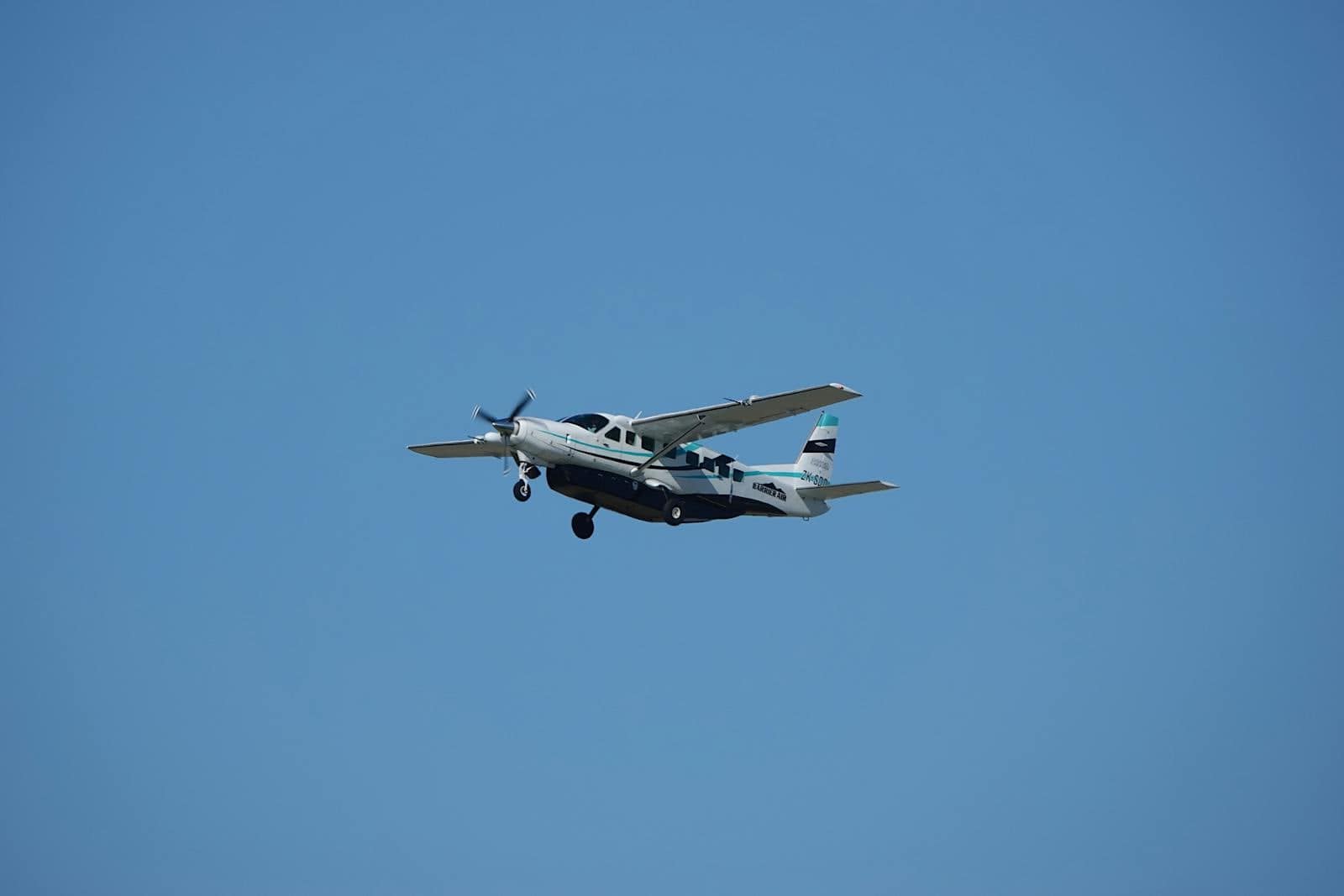
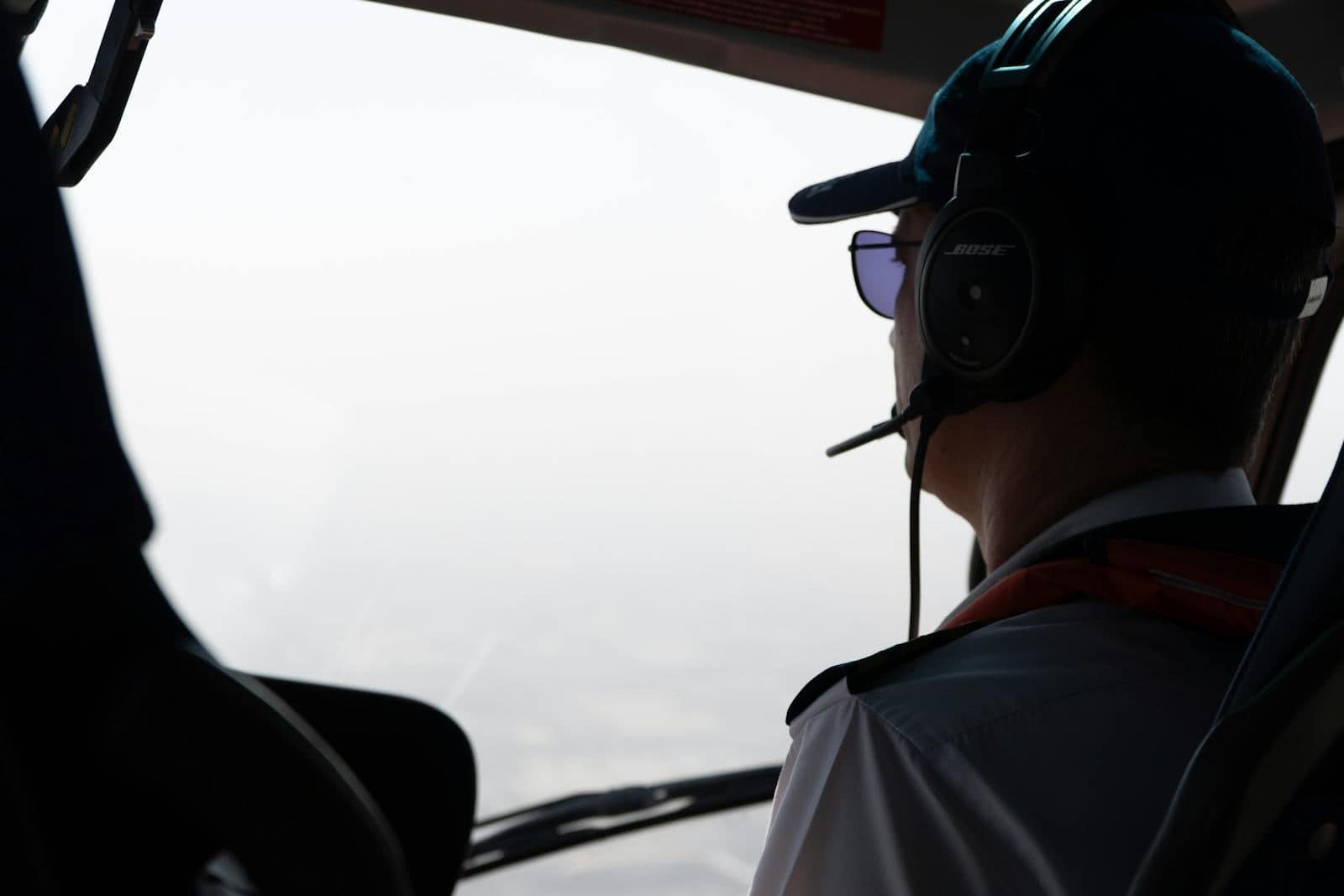
The aviation safety record reflects the cumulative effect of millions of daily disciplines by individual pilots. Each pre-flight inspection. Each weather briefing. Each procedural execution. Each post-flight reflection. The individual acts seem small but their cumulative effect determines whether aviation works as a safe transportation system.
Pilots who recognize their daily choices as contributions to that broader system tend to behave differently than pilots who treat aviation as personal entertainment. The recognition matters for outcomes both at the individual and system level.
Resources for Continued Development
Several resource categories support continued pilot development. FAA online learning materials provide structured education at no cost. Aviation publications maintain ongoing coverage of industry developments. Type clubs and pilot communities share specialized knowledge. Professional training programs offer structured advancement.
The pilots who engage with multiple resource categories tend to develop more comprehensive understanding than pilots who rely on a single source. The variety helps fill gaps and provides multiple perspectives on common topics.
Final Thoughts on Long-Term Pilot Development
Every pilot reading this article exists somewhere on a learning trajectory that continues throughout their flying life. The choices made consistently over years determine where the trajectory leads. The pilots who choose engagement, learning, and humility tend to find aviation continuously rewarding. The pilots who choose minimum compliance, surface engagement, and complacency tend to find aviation eventually frustrating.
The choice belongs to each pilot. Make it consciously. The cumulative effect over decades is what shapes whether your aviation career delivers what you hoped it would when you started.
Practical Application for Your Flying
Taking the principles in this article and applying them in your own flying requires deliberate effort. Reading produces understanding. Applying produces capability. The pilots who develop the most over years are those who systematically convert reading into specific practice and reflection.
Set a specific application goal this week. Schedule a CFI session that addresses one topic from this article. Practice a specific maneuver. Have a specific conversation with another pilot. The deliberate action transforms passive reading into active development.
Building Skills That Compound Over Years
Aviation skills compound in ways that mirror financial compound interest. Each skill built on a foundation of previous skills develops faster than starting from scratch. The pilots who invest in skill development consistently build capability that accelerates rather than just accumulates. The early hours and the early disciplines matter most because they establish the foundation everything else builds on.
For pilots reading this who feel behind, the comforting reality is that aviation rewards consistent effort more than peak intensity. The pilot who flies 50 hours per year for 30 years develops more skill than the pilot who flies 300 hours for 5 years and then stops. Sustained engagement beats sprint engagement.
The Community Element of Aviation Development
Aviation is more community than solitary discipline. The pilots who develop best engage with the broader pilot community in meaningful ways. Type clubs. Local flying groups. Online communities. Mentor relationships. Each provides perspective and learning that solo flying cannot replicate.
The community connections also support emotional aspects of flying. Aviation can isolate pilots from non-pilot friends and family who don’t share the interest. Aviation community provides peers who understand. The connections matter for satisfaction over a long career.
Resources That Support Continued Learning
Several resource categories support ongoing pilot development. The FAA Pilot Education materials provide structured learning at no cost. Aviation publications like Flying Magazine, industry publications, and General Aviation News maintain continuous coverage of relevant developments. Type-specific communities for whatever aircraft you fly share specialized knowledge that general resources cannot match.
The pilots who tap multiple resource categories develop more comprehensive understanding than those relying on single sources. Variety helps cover gaps and provides multiple perspectives on common topics.
Final Reflections on the Aviation Discipline
Aviation rewards pilots who take it seriously over decades. The discipline serves those who serve it. The pilots who give aviation their best attention, learning, and judgment generally receive in return the satisfaction, skill, and adventures that make flying worthwhile.
For every pilot reading this, regardless of experience level, the most important next action is converting reading into specific application this week. The cumulative effect of small specific actions across thousands of pilots determines what aviation looks like as a community and what it delivers for individual pilots over their flying lives. Make your contribution count.