Last Updated: May 7, 2026 | By: The E3 Aviation Editorial Team
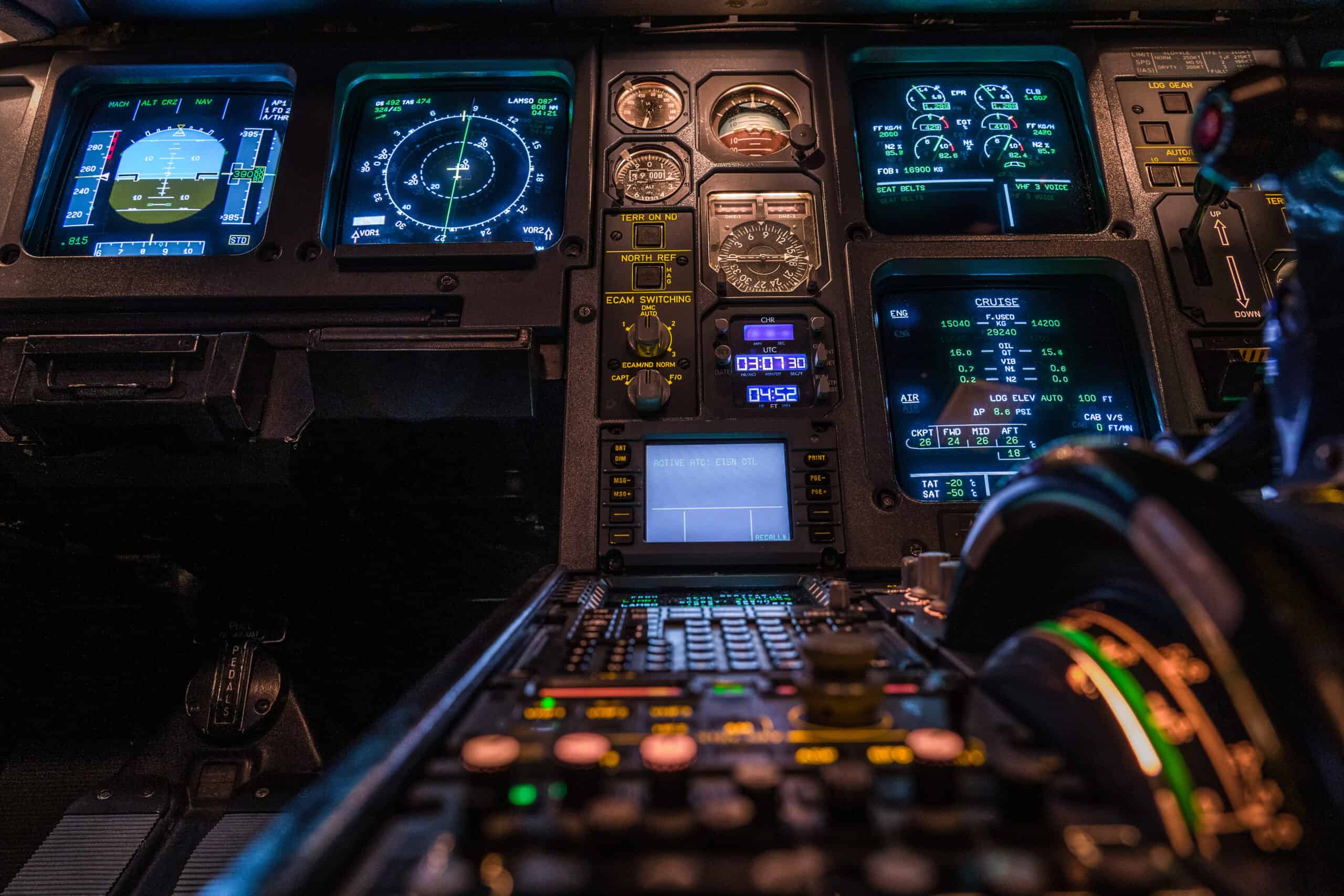
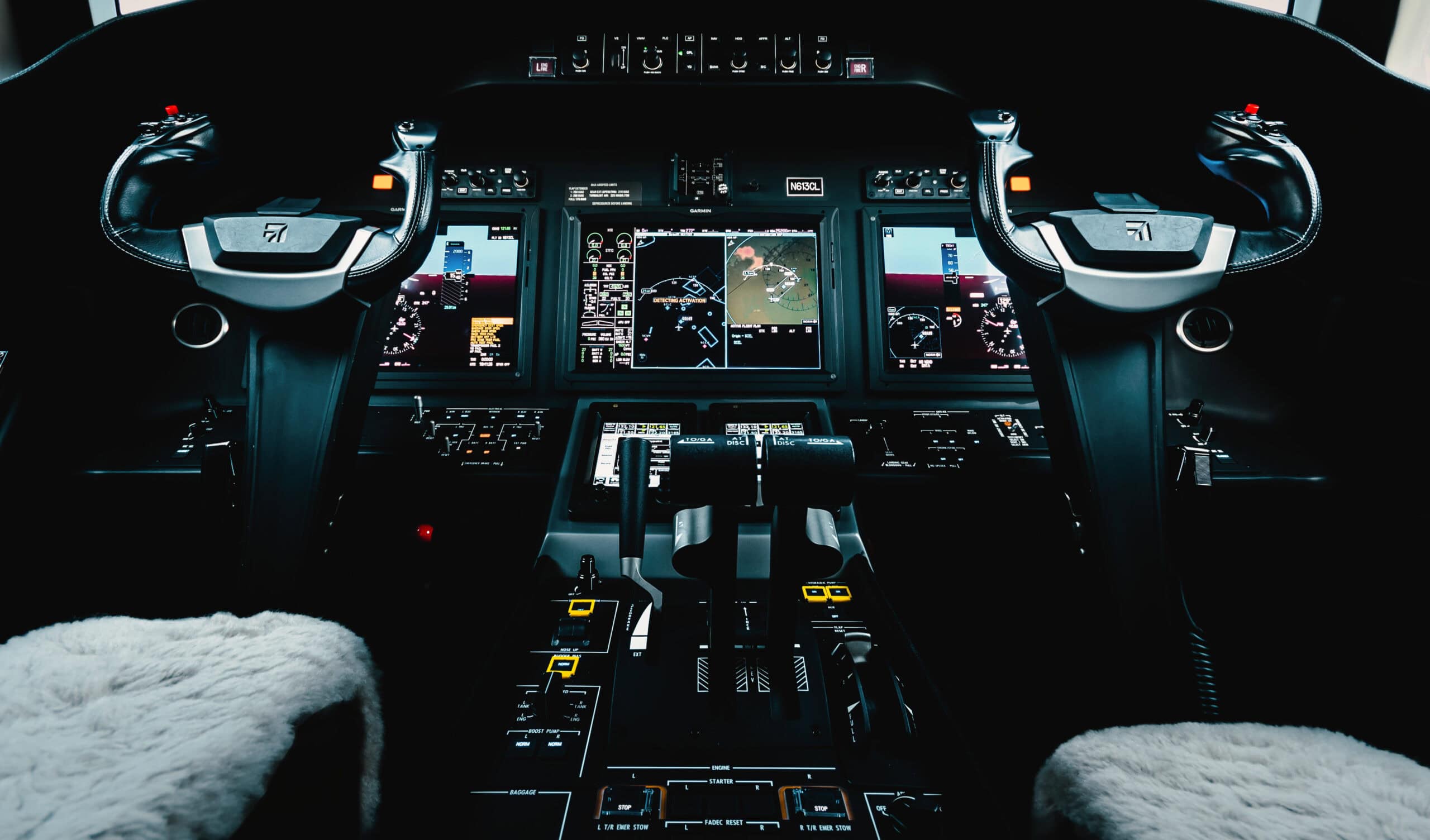
Situational awareness in aviation is the foundation of every good decision a pilot makes. It’s not a single skill — it’s a continuous mental model of where your aircraft is, where it’s going, what the weather is doing, what other traffic is doing, and what resources you have available. When situational awareness in aviation is high, pilots make proactive decisions and catch problems early. When it degrades — through distraction, task saturation, or fatigue — pilots miss warnings they would normally catch and react to problems instead of preventing them.
The NTSB consistently identifies loss of situational awareness as a causal factor in GA accidents. Not because pilots didn’t have the knowledge. Because they lost track of the big picture while managing the details. This post covers how situational awareness in aviation works, why it degrades, and how to build and maintain it across every phase of flight.
What Is Situational Awareness in Aviation?
The most widely used model for situational awareness in aviation comes from Dr. Mica Endsley’s three-level framework. Level 1: perception of the elements in your environment. Level 2: comprehension of what those elements mean. Level 3: projection of what they’ll mean in the near future. All three levels must be functioning for situational awareness to support good decisions.
A practical example: you see clouds building to the west (Level 1 — perception). You recognize them as cumulonimbus development with embedded turbulence and lightning risk (Level 2 — comprehension). You project that your route takes you through that area in 45 minutes at your current groundspeed and heading (Level 3 — projection). From that complete situational awareness, you make a decision: divert, deviate, or land and wait. Without all three levels, you might notice the clouds and do nothing because you haven’t connected the perception to its implications for your specific flight.
Why Situational Awareness in Aviation Degrades
Situational awareness doesn’t disappear all at once. It erodes gradually through a predictable set of triggers. Understanding these triggers is the first step in managing them.
Task saturation is the primary enemy of situational awareness in aviation. When you’re simultaneously managing a GPS approach, talking to approach control, configuring flaps, and monitoring engine instruments, the cognitive bandwidth available for maintaining the big picture shrinks to nearly zero. Consequently, task saturation produces tunnel vision — intense focus on one specific problem at the expense of awareness of everything else.
Fixation is related but distinct. Fixation means sustained attention on one element to the exclusion of others. A classic fixation scenario: a pilot becomes fixated on troubleshooting an avionics issue while the aircraft drifts off altitude, enters a degraded meteorological condition, or violates an airspace boundary.
Building Situational Awareness Before the Flight
Situational awareness in aviation begins before engine start. The mental model of the flight — the route, the weather, the NOTAMs, the destination conditions — is built during preflight planning. A thorough preflight brief gives you the foundation to maintain awareness during flight because you’re not building the model from scratch while airborne.
The Weather Picture
A strong weather brief builds the environmental component of your situational awareness before you depart. You know where the fronts are, what the winds aloft are, what the forecast conditions are at your departure, en route, and destination. Consequently, anomalies — unexpected clouds, winds different from forecast, changing conditions — are recognizable as anomalies because they deviate from the mental model you built on the ground.
Pilots who skip thorough weather briefings start the flight with an incomplete situational awareness model. They’re building it in flight from fragmentary information. That’s slower, more error-prone, and uses cognitive resources that should be available for other tasks.
Know Your Airspace and Route
Study the airspace along your route before departure. Know where the Class B, C, and D shelves are, where the MOAs and restricted areas sit, and where terrain obstacles exist. Specifically, identify the airspace boundaries you’ll need to be aware of during descent and approach. This preflight knowledge is situational awareness in aviation loaded before the flight — it reduces the in-flight cognitive load of figuring these things out in real time.
Maintaining Situational Awareness During Flight
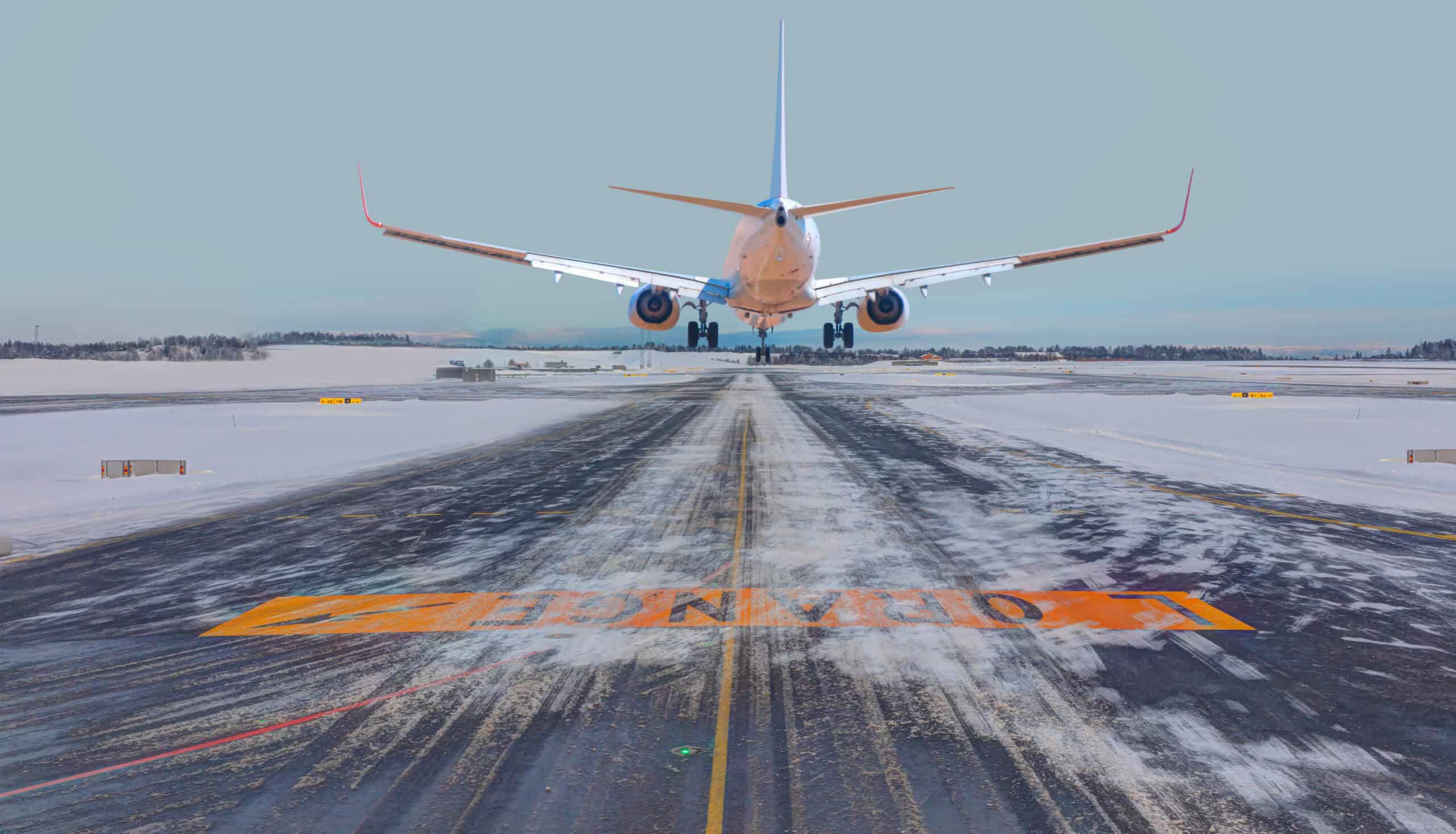
In-flight situational awareness management is an active process. It requires deliberate habits that work against the natural tendency to focus narrowly on the immediate task.
The Instrument Scan: Your Primary Awareness Tool
A systematic instrument scan is the mechanical foundation of situational awareness in aviation in IFR or instrument-assisted conditions. The classic cross-check scan — centered on the attitude indicator with periodic confirmation from surrounding instruments — prevents fixation and ensures all flight parameters are monitored regularly. In VFR conditions, the scan expands to include outside references: traffic scan, terrain reference, weather observation.
Practice your scan until it’s automatic. The goal is to cover all relevant instruments in a natural flow without dwelling on any single instrument long enough to lose track of the others. Pilots who scan well maintain situational awareness in aviation during high-workload phases because the scan runs almost as a background process while conscious attention handles specific tasks.
Situational Awareness Check-Ins
Build periodic situational awareness check-ins into your flight routine. At every major phase transition — departure, cruise, descent, approach — ask yourself: Where am I? Where is weather? Where is traffic? What are my options if something changes? What resources do I have (fuel, alternates, time)? This deliberate check restores awareness that may have narrowed during task-intensive phases.
Our take: set a timer on your watch or panel timer for 10-minute intervals on cross-country flights. Every time it goes off, do a SA check-in before resetting. It sounds procedural. It works.
Managing Task Saturation to Protect Situational Awareness
The single best defense against task saturation is workload management — specifically, completing tasks before they pile up. Don’t wait until final approach to get the ATIS and calculate your landing distance and verify your runway length. Build those tasks into the descent so they’re complete before the high-workload approach phase begins. Preparation during lower-workload phases protects situational awareness in the phases where you need it most.
Technology and Situational Awareness in Aviation
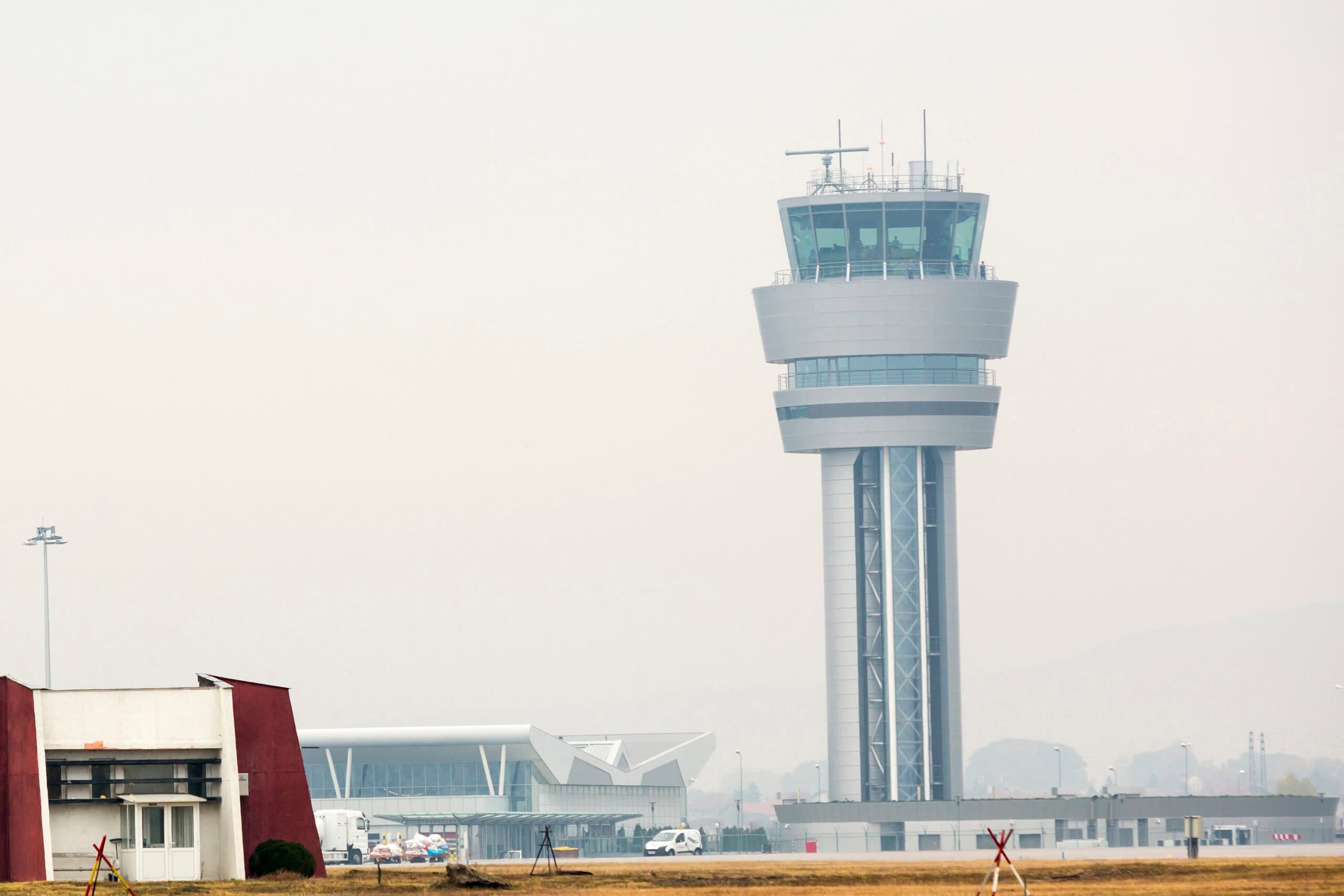
Modern avionics technology — ADS-B traffic displays, moving maps, synthetic vision, weather overlays — dramatically expands the information available to pilots. Used well, these tools enhance situational awareness in aviation by providing traffic, terrain, and weather awareness that previous generations of pilots didn’t have. Used poorly, they become distraction sources that degrade the situational awareness they’re supposed to support.
ADS-B Traffic: A Powerful SA Tool
ADS-B traffic display on a moving map or EFB (ForeFlight, Garmin Pilot) provides traffic information that significantly enhances situational awareness in aviation at non-radar-covered altitudes and in areas of high traffic density. However, ADS-B has limitations: only ADS-B-equipped aircraft appear on the display. Aircraft without ADS-B Out equipment — some ultralights, older GA aircraft, and traffic below ADS-B equipage requirements — are invisible on the display. ADS-B enhances your awareness of equipped traffic. It doesn’t tell you where non-equipped traffic is.
When Technology Degrades Situational Awareness
Technology degrades situational awareness in aviation when it becomes the focus instead of the tool. A pilot who’s heads-down in the iPad managing a flight plan while ATC is issuing vectors, weather is changing, and other traffic is maneuvering has replaced situational awareness with an administrative task. Technology should support heads-up awareness, not replace it.
Specifically, automation complacency is a significant issue in technically advanced aircraft. Pilots who let the autopilot fly for extended periods can lose the “feel” of where the aircraft is and what it’s doing. Periodic hand-flying, especially during approach, keeps the pilot actively engaged and aware.
Technology as a Situational Awareness Tool — Not a Replacement
Modern cockpits give pilots more situational awareness data than any previous generation — ADS-B In traffic, terrain warnings, weather datalink, moving map displays. The danger is mistaking data for awareness. A pilot staring at a weather overlay while flying into deteriorating conditions has data but not awareness. Awareness requires integrating that data with what you see, feel, and hear — and making decisions in real time.
Use technology to extend your awareness window, not to replace the scan. Glance at traffic — then look outside. Check the weather picture — then assess the actual sky ahead. The pilots who get into trouble with modern glass aren’t the ones who ignore it. They’re the ones who trust it exclusively. Your eyes, your training, and your judgment remain the final layer. Technology informs that judgment; it doesn’t replace it.
Frequently Asked Questions About Situational Awareness in Aviation
What is the Endsley model of situational awareness?
The Endsley model defines situational awareness as three levels: Level 1 (perceiving elements in the environment), Level 2 (understanding what those elements mean in context), and Level 3 (projecting what they will mean in the near future). All three levels must be functioning for situational awareness to support effective decision-making. Losing any level degrades the pilot’s ability to anticipate and respond to developing situations.
How does task saturation affect situational awareness in aviation?
Task saturation narrows cognitive bandwidth available for building and maintaining the mental model of the flight environment. When a pilot is managing multiple simultaneous tasks — communication, navigation, aircraft configuration — the resources available for monitoring weather, traffic, and terrain shrink significantly. Effective workload management — sequencing tasks, completing checklist items in lower-workload phases, delegating to automation where appropriate — protects situational awareness during high-workload phases.
What are the warning signs of degraded situational awareness in aviation?
Key warning signs include: confusion about position or altitude, surprise at what an instrument is showing (because you stopped scanning it), uncertainty about what ATC just said, running behind the aircraft (being ahead in the approach when you should still be configuring), or feeling overwhelmed by the number of tasks you’re trying to manage simultaneously. Recognizing these signs while you still have altitude and options to recover is the point of building situational awareness monitoring into your standard operating habits.
Sources
- FAA Risk Management Handbook — Chapter on Situational Awareness
- NTSB Safety Alert — Spatial Disorientation and Situational Awareness
Related Reading:
Crew Resource Management: Applying SA Principles in Two-Pilot Environments
Situational awareness in aviation doesn’t only apply to single-pilot GA operations. When flying with a second pilot, co-pilot, or even a knowledgeable passenger, situational awareness management becomes a crew activity. Crew resource management (CRM) principles — originally developed for airline operations — transfer directly to GA environments where two people are in the cockpit.
Shared Mental Model Building
In a two-crew environment, both occupants should share the same situational awareness picture. Before departure, brief your co-pilot or safety pilot on the route, expected weather, planned altitudes, and any terrain or airspace concerns. During flight, verbalize significant awareness items: “I see weather building at our 2 o’clock, we may need to deviate right in about 20 miles.” This keeps the second crew member’s situational awareness synchronized with yours and creates an independent check on your assessment. A safety pilot who doesn’t know what you’re planning can’t catch errors in your planning.
Cross-Checks and Callouts
Establish specific cross-check callouts before complex phases of flight. “1,000 feet to level off,” “gear down and locked,” “final approach fix, time check” — these callouts redistribute the situational awareness monitoring workload and catch deviations before they become problems. Additionally, in IMC with a safety pilot, agree on who monitors what: one pilot focuses on flight instruments while the other monitors navigation, weather, and traffic. Specifically divide the awareness responsibilities to ensure nothing is missed during high-workload phases.
Recovering From Situational Awareness Loss: The Re-Orientation Protocol
Every pilot loses situational awareness sometimes. Task saturation, unexpected events, and system anomalies can all create brief periods of confusion about position, altitude, or the state of the flight. The critical skill is not avoiding SA loss entirely — it’s recovering from it quickly and systematically.
When you recognize that you’ve lost situational awareness, stop the workload escalation immediately: level the wings, maintain altitude, reduce to a manageable airspeed, and buy yourself time. Then re-orient using the most reliable available information: GPS position, ATC radar identification, or visual landmarks. Specifically, do not try to reconstruct your SA picture from memory when you know your memory is unreliable — use instruments and external references to rebuild it from the current state. If you’re IFR, declare uncertainty to ATC early. Controllers have radar and can provide immediate position information. Using that resource costs nothing and potentially saves everything.
The 10,000-Hour Situational Awareness Advantage
Experienced pilots often report that situational awareness feels effortless — that they just “know” where they are and what’s developing without conscious effort. That effortlessness is the product of thousands of hours building and updating mental models until the pattern recognition required for situational awareness becomes largely automatic. This doesn’t mean new pilots can’t maintain good situational awareness — it means they have to work harder at it and be more deliberate about the habits that support it. The good news: the habits work. Deliberate situational awareness practice at 200 hours builds the foundation that eventually becomes the expert’s automatic awareness at 2,000 hours.
E3 Aviation Editorial Team
The E3 Aviation Association editorial team includes licensed pilots, aviation educators, and industry professionals committed to advancing GA safety, community, and education. Learn more about E3 Aviation.