High altitude cabin cooling is one of those comfort problems that catches pilots off guard on hot summer days. You’ve climbed to cruise altitude, the engine is running efficiently, and the cockpit is still a sauna. At altitude, solar radiation is more intense, there’s less air mass to buffer heat, and most GA aircraft have minimal insulation. Understanding how to manage high altitude cabin cooling isn’t just a comfort issue — it directly affects pilot performance, decision quality, and safety.
Last Updated: May 7, 2026 | By: The E3 Aviation Editorial Team
Why Cockpits Stay Hot at Altitude
Most pilots assume altitude means a cooler cockpit. Outside air temperature does drop roughly 2 degrees Celsius per 1,000 feet in a standard atmosphere. But the cockpit doesn’t always follow. Several factors work against you at the same time.
First, solar radiation increases with altitude. At 10,000 feet, there’s significantly less atmospheric filtration, and direct sunlight through a large bubble canopy or standard aircraft windscreen concentrates heat fast. Second, most GA aircraft have minimal cockpit insulation — engine heat conducts through the firewall directly into the cabin. Third, the outside air might be 30 degrees Fahrenheit cooler than the surface, but if cabin ventilation can’t keep pace with solar gain and firewall heat, that advantage disappears.
How Solar Gain Compounds the Problem
Solar gain drives cockpit heat in cruise more than any other single factor. Light-colored aircraft reflect more radiation — dark paint absorbs it. A black instrument panel runs measurably hotter than a tan one. Tinted windows reduce heat gain significantly. In some tests, quality tinting cuts solar heat load by 20 to 30 percent. However, most older GA aircraft have no tinting at all.
In practice, standard Plexiglas windscreens don’t block infrared radiation the way Low-E glass does. That infrared energy passes straight through and converts to heat inside the cockpit — the same physics as a greenhouse. Understanding the mechanism helps you choose strategies that address the actual cause.
Ventilation Strategies That Work
The simplest tool most pilots underuse is the aircraft’s own fresh air system. In aircraft with push-pull air vents, fully opening all vents at altitude creates a cross-draft that moves hot stagnant air out continuously. The instinct to partially close vents on a hot day is exactly wrong. You want maximum airflow, not restricted flow.
Ram air inlets on many GA aircraft pull outside air directly from the prop wash. At cruise, OAT at 8,000 to 12,000 feet is typically 20 to 30 degrees cooler than the surface. That cooler air directed at your face and upper body drops perceived temperature significantly even if cockpit air temperature only improves modestly.
Using Altitude Selection as a Cooling Tool
Here’s what most pilots get wrong: they accept their filed altitude without considering thermal comfort as a factor. On a hot summer day, climbing an extra 2,000 feet costs a bit of fuel but drops OAT by roughly 11 degrees Fahrenheit. For a long cross-country in a non-air-conditioned aircraft, that’s a meaningful improvement with almost no operational downside.
That said, high altitude cabin cooling also involves oxygen considerations. FAR 91.211 requires supplemental oxygen above 14,000 feet for the PIC. Stay within those limits while using altitude as a comfort tool.
Our take: altitude selection for thermal management is a legitimate pre-flight planning tool. If your route has altitude flexibility and the day is forecast to be brutal on the ground, use that flexibility. It costs almost nothing.
Equipment and Products Worth Knowing
Several aftermarket products address cockpit heat, and they’re worth knowing about if you fly regularly in summer conditions.
Sunshields and windscreen covers used on the ground before departure dramatically reduce starting temperature. A cockpit that bakes on the ramp for two hours will take 30 minutes of flight to cool down. Covering the windscreen while parked is one of the highest-value habits a summer pilot can build. It costs nothing and measurably reduces the heat you fight from the first minute of flight.
Reflective windscreen films and aftermarket window tinting exist for many common GA aircraft. STC’d solutions reduce solar gain without compromising visibility. They aren’t cheap, but for pilots in the Sun Belt or doing regular summer cross-countries, the return on investment is real across just a few seasons.
Portable Cooling Devices for GA Aircraft
Portable evaporative coolers and thermoelectric devices are marketed for cockpit use, though effectiveness varies considerably. Evaporative coolers work well in low-humidity environments — they’re genuinely useful in the desert Southwest but nearly useless in Florida or the Gulf Coast. Thermoelectric coolers need a 12V source and move modest amounts of heat. They work better as drink coolers than cockpit temperature management tools.
Some pilots run a small 12V fan directed at their core, which helps through evaporative cooling from perspiration. Not glamorous, but it works when the physics are right.
For aircraft with factory air conditioning — available on some Cessna 400-series aircraft, Piper Malibu/Mirage variants, and several Cirrus models — high altitude cabin cooling becomes essentially a non-issue. If you’re shopping for an aircraft and summer comfort matters to you, factory AC is worth evaluating.
How Cockpit Heat Affects Pilot Performance
This is the part that matters beyond personal comfort. Cockpit heat degrades your performance as a pilot — often without your awareness that it’s happening.
Research consistently shows that heat exposure above 86 degrees Fahrenheit impairs cognitive function. Reaction time slows, attention narrows, and decision quality drops. In a cockpit dealing with an equipment issue or a busy approach, that degradation is consequential. The FAA Human Factors Safety Brochure specifically identifies environmental stressors, including heat, as contributors to pilot error chains.
Recognizing Heat Stress Before It Becomes a Problem
Heat stress develops gradually. You’ll feel irritable, then fatigued, then sluggish before you realize you’re meaningfully impaired. Early warning signs include increased thirst, mild headache, and difficulty concentrating on tasks you’d normally handle easily. By the time you feel clearly impaired, you’re already past the point where proactive action was straightforward.
The mitigation isn’t complicated: hydrate before and during the flight, open your vents fully from the start of cruise, and use a windscreen cover when parked. Pre-flight hydration of 16 to 24 ounces of water before a summer flight is meaningful preparation, not a luxury.
For more on managing physiological factors in flight, the AVweb physiology archive is one of the best free resources in general aviation. It covers this territory in practical, useful depth.
Pre-Flight Planning for Hot Weather Operations
Effective high altitude cabin cooling starts before you start the engine. Several habits before departure make a meaningful difference in how comfortable and effective you are during the flight.
Park in shade whenever possible. Ramp temperatures under direct sun can exceed 150 degrees Fahrenheit inside a parked aircraft. Even 20 minutes in shade before departure reduces that starting temperature substantially. Use a windscreen cover — it blocks the majority of infrared heat before it can build inside. Pre-cool the cabin by opening doors and vents for five to ten minutes before engine start when conditions allow.
In practice, departure timing is a real tool. Morning flights are cooler in every dimension: lower surface temps, lower OATs at cruise altitude, and better density altitude performance from your aircraft. If your schedule has flexibility and you’re planning a long summer cross-country, early morning departure is a genuine operational advantage over midday.
For the full picture on summer operations, our article on density altitude and aircraft performance covers the performance implications in detail. And our cross-country flight planning guide addresses the full pre-flight picture for longer trips.
Pre-Flight Cooling Strategies That Actually Work
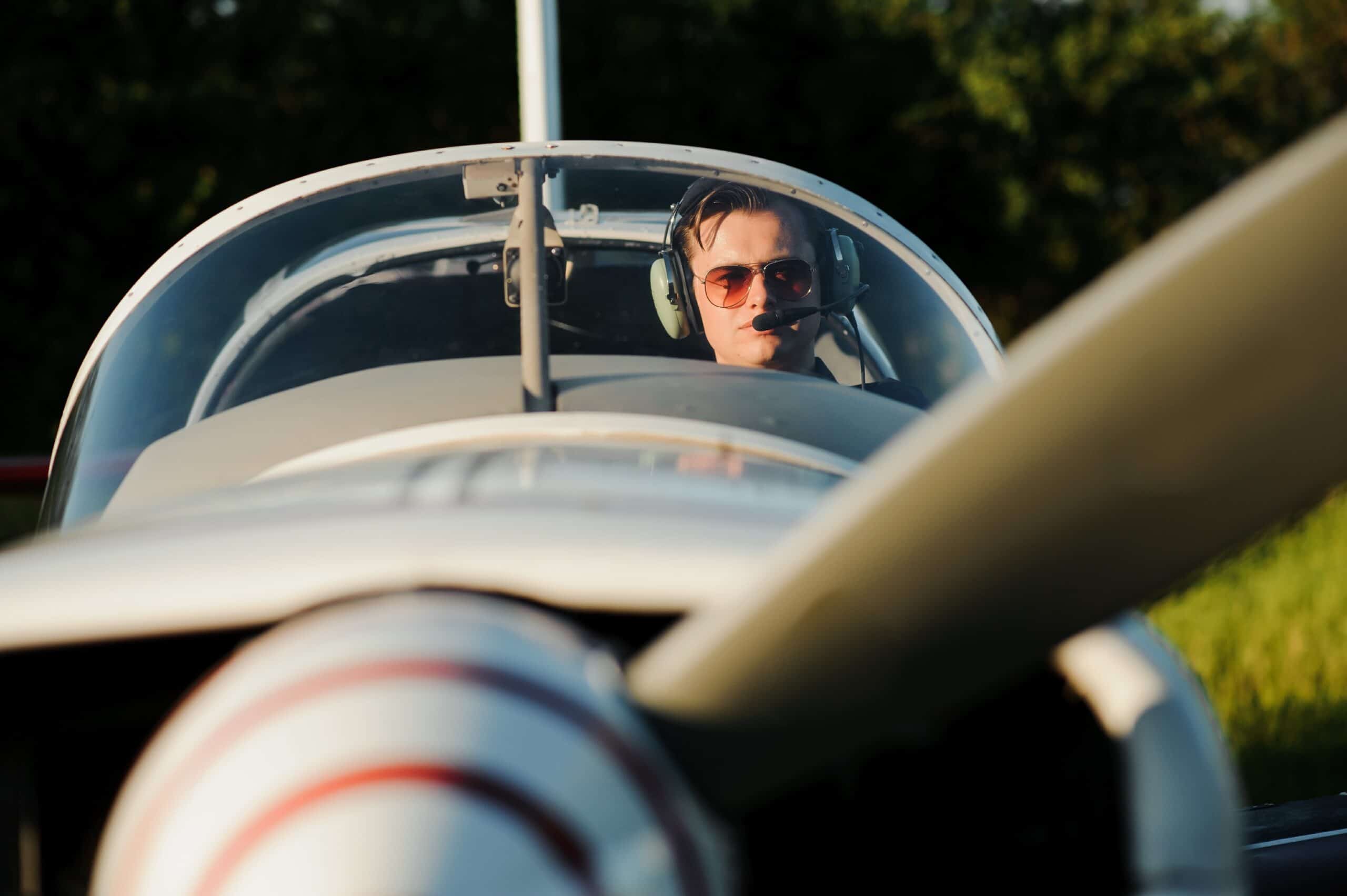
High altitude cabin cooling is a problem you can partially solve before you ever start the engine. Most pilots treat heat as something to manage in flight — but the smartest approach is minimizing heat buildup before departure. Here’s what actually works in piston singles and light twins.

Shade Parking and Pre-Departure Timing
Parking a dark-colored aircraft in direct sun on a summer afternoon is essentially pre-heating it. A cockpit that sat in 95°F sun for three hours with closed windows will easily reach 140°F interior temperature. Pre-departure, open all doors and windows at least 10 minutes before engine start to allow that accumulated heat to dissipate. If the departure FBO has a shaded tiedown area, use it — even paying a small premium is worth the comfort improvement on a four-hour summer cross-country.
Time-of-day matters too. Early morning departures — before 9 AM — mean cooler cabin temps, lower density altitude, and typically better surface winds. If your schedule allows it, scheduling summer cross-countries for early morning arrivals at destination rather than midday departures dramatically improves both comfort and performance margins. High altitude cabin cooling is far easier to maintain when you start with a cooler baseline.
Ground Operations: Managing the Heat Before Climb
The worst period for cabin heat in many piston singles is the ground phase: taxi, run-up, and initial climb before you reach cooler air. During ground ops, run the cabin ventilation at full blast with the air directed at your face and hands — the skin areas most sensitive to heat perception. If your aircraft has supplemental cooling ports or overhead vents, open them all. Some Cessna variants have overhead eyeball vents that are surprisingly effective at ground-level if you don’t know to look for them.
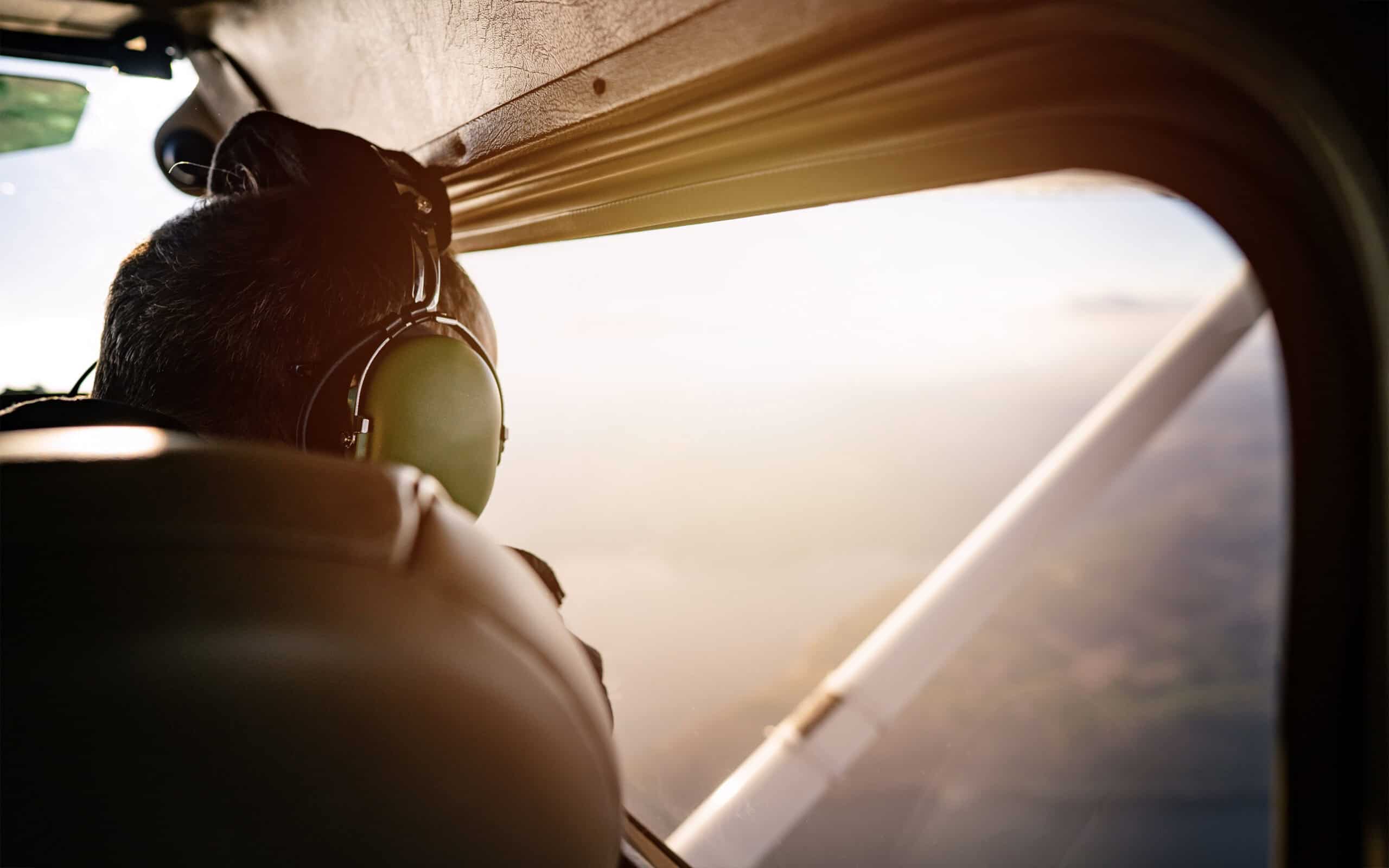
Dress for the cockpit, not for the FBO lobby. Light-colored, moisture-wicking synthetic or cotton clothing reduces heat perception in the cabin significantly. Dark flight suits may look sharp, but they absorb radiant heat from every window. On 90°F+ days, comfort during a long taxi or run-up can be the difference between a pleasant flight and an exhausting one.
Aircraft-Specific Cooling Solutions for Common GA Types
High altitude cabin cooling solutions vary meaningfully between aircraft types. Here’s a realistic assessment of what you’re working with in the most common GA platforms:
- Cessna 172/182: Ram air system is effective above 5,000 feet AGL. At lower altitudes in slow cruise, ventilation is marginal. The overhead vents are underutilized — most pilots forget they exist. Heat from the firewall is a persistent issue in older models; upgraded firewall insulation is a low-cost modification worth considering.
- Piper Cherokee/Archer: Low-wing design means less natural airflow over the fuselage. Cabin heat management in summer requires intentional vent management. The cabin air scoop is effective when clean — inspect it during annual for debris obstruction.
- Beechcraft Bonanza/Baron: Better-engineered cabin ventilation than most Cessna or Piper singles, but the larger cabin volume means more air to cool. Some owners add Rosen sun visors to significantly reduce solar heat load through the windshield.
- Experimental/LSA: Enormous variation. Some Van’s RV variants are surprisingly well-ventilated; others run hot at cruise. If you’re buying an experimental, ask specifically about summer heat management before purchasing.
The Physiological Case for Staying Cool at Altitude
High altitude cabin cooling isn’t just about comfort. Heat stress degrades pilot performance measurably, and the FAA recognizes thermal stress as a human factors issue in aviation physiology. Understanding how heat affects you physiologically explains why staying cool isn’t optional — it’s a safety practice.
How Heat Affects Pilot Decision-Making
Research on heat stress and cognitive performance consistently shows that core body temperatures above 38.5°C (about 101.3°F) measurably impair working memory, sustained attention, and complex decision-making — exactly the cognitive functions you need most in a GA cockpit. The insidious part is that pilots under mild heat stress often don’t recognize that their performance has degraded. They feel fine. The degradation is subclinical — enough to slow reaction time and narrow attention without triggering conscious awareness of a problem.
This makes high altitude cabin cooling a situational awareness issue, not just a comfort issue. A pilot who is running hot in the cockpit for two hours is making decisions on a degraded cognitive baseline. Combined with dehydration — which typically accompanies heat stress — the effect on judgment can be substantial. Human performance factors contribute to GA accidents far more than mechanical failures, and thermal stress is one of the most underappreciated contributors.
Hydration as a Cabin Cooling Strategy
You cannot cool your cockpit effectively if you’re already dehydrated when you board. Pre-hydrate before summer flights: 16–24 ounces of water in the two hours before departure. Avoid caffeine and alcohol in the pre-flight window — both are diuretics. Carry at least 12 ounces of water per hour of flight time, and drink proactively rather than reactively. By the time you feel thirsty, mild dehydration is already affecting you.
Our take: most pilots we’ve talked to wildly underestimate how much the combination of heat, dehydration, and cabin CO exposure affects their in-flight cognitive state. You don’t feel bad. You just don’t perform at your best — and in a critical moment, that gap matters. Pilot decision-making under stress degrades faster when physical factors like dehydration compound the cognitive load.
FAQ: High Altitude Cabin Cooling
Why is my cockpit hot even when outside air is cool at altitude?
Solar radiation intensifies with altitude and passes through Plexiglas windscreens directly into the cockpit. Combined with engine heat conducted through the firewall, the cockpit gains heat faster than outside air temperature suggests. Proper ventilation and window shading address these heat sources more effectively than altitude selection alone.
Does tinted window film actually help with cockpit heat?
Yes, significantly. STC’d window tinting films reduce solar heat gain by 20 to 30 percent in most aircraft. They’re available for many common GA types and don’t meaningfully compromise visibility. For pilots doing regular summer flying, the investment typically pays off within a season or two.
At what temperature does cockpit heat become a safety concern?
FAA human factors research identifies temperatures above 86 degrees Fahrenheit as the threshold where cognitive performance begins degrading measurably. In a poorly ventilated cockpit on a hot day, internal temps can exceed 95 degrees even when OAT at cruise is in the 60s. Managing ventilation proactively from the start of cruise, before you feel uncomfortable, is the key mitigation.
Sources
- FAA Human Factors Safety Brochure
- AVweb Pilot Physiology Resources
- FAA Regulations including FAR 91.211
E3 Aviation Editorial Team
The E3 Aviation Association editorial team is made up of licensed pilots, aviation educators, and industry professionals dedicated to advancing general aviation safety, community, and education. Learn more about E3 Aviation.