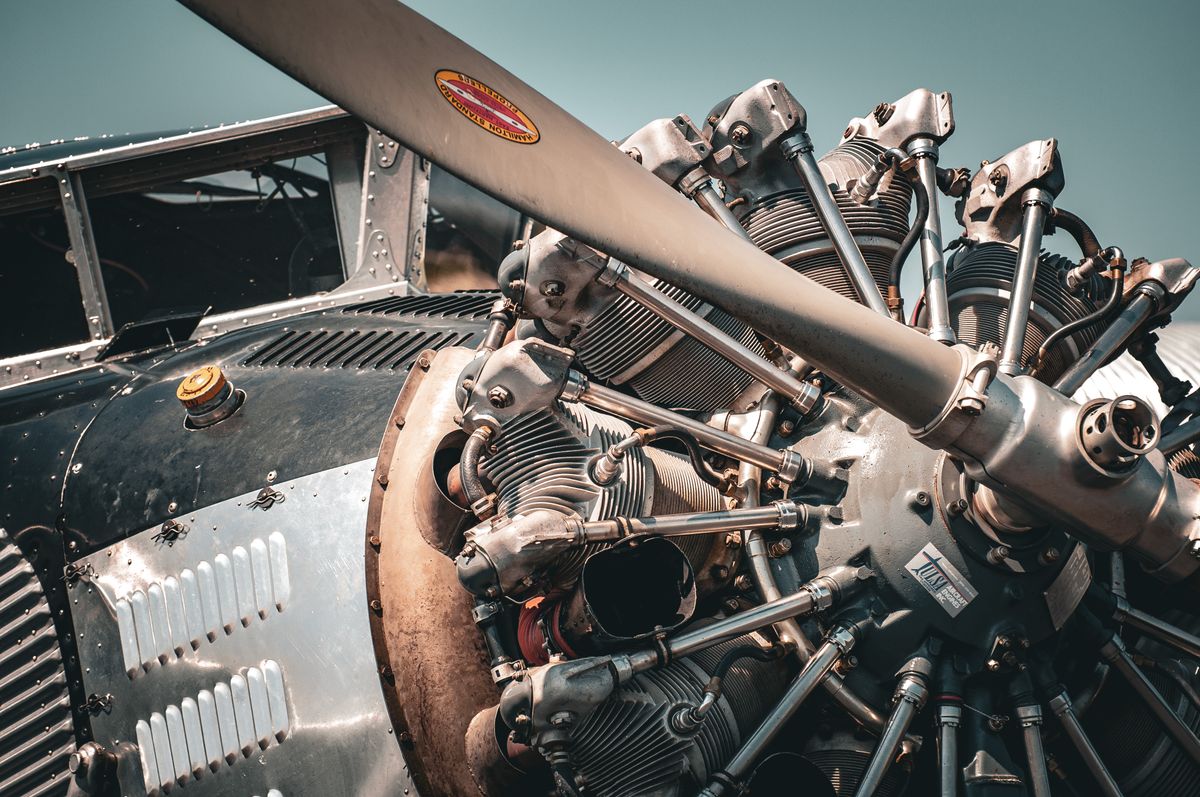
Vintage aircraft maintenance is one of the toughest challenges in general aviation today. If you own a classic piston single or light twin from the 1950s, 1960s, or 1970s, you know the struggle well. Parts are scarce. Original manufacturers have closed or moved on. Approved data is nearly impossible to find. Yet the aircraft flies just fine — if you can keep it legal.
However, the tide is turning. E3 Aviation and the Vintage Aircraft Association (VAA) are leading a push for real, lasting change. Together, they have proposed a new certification category that could transform how owners maintain aging aircraft. This proposal addresses the core problem that has frustrated vintage aircraft owners for decades.
In this guide, we break down exactly what vintage aircraft maintenance involves today. We also cover what the future may look like for pilots who love keeping classic planes airworthy and flying.
The Aging GA Fleet: A Growing Challenge
The numbers tell a striking story. The average age of the American general aviation fleet hit 50 years by 2020. That milestone is not just a statistic. It signals a turning point in how pilots and regulators must think about airworthiness and long-term fleet health.
Thousands of piston singles and light twins built between the 1950s and 1970s remain in active service. Aircraft like the Cessna 172, Piper Cherokee, and Beechcraft Bonanza were designed to last — and they have. However, their age creates real maintenance complexity that current FAA rules do not handle well.
Many of these aircraft were built by companies that no longer exist. Others are supported by manufacturers who stopped producing spare parts decades ago. As a result, owners face a growing shortage of approved data needed for legal maintenance and upgrades. This shortage is at the heart of every vintage aircraft maintenance challenge today.
Why Vintage Aircraft Maintenance Is So Complicated
Vintage aircraft maintenance is not just about wrenches and manuals. It involves navigating a complex regulatory framework that was never designed with aging aircraft in mind. Owners who want to maintain their planes properly often hit walls at every turn.
The Approved Data Catch-22: Why Maintaining Old Aircraft Is Harder Than It Should Be
For example, FAA regulations require that all maintenance use approved data. That means service manuals, engineering orders, or FAA-accepted instructions for continued airworthiness. For most modern aircraft, this data is readily available from the manufacturer. For vintage planes, it simply does not exist.
Owners face a classic Catch-22. They must use approved data by law. However, the approved data for their specific airframe was never created — or was lost decades ago. So they cannot maintain the aircraft legally, even when the actual work is entirely safe and sound.
Increased scrutiny after high-profile accidents has made this worse. After major incidents involving older aircraft, regulators sometimes treat all vintage planes the same way. Diligent owners face extra hurdles simply because of their aircraft’s age — not its actual condition.
When the Manufacturer Is Gone: Who Provides Approved Data Now?
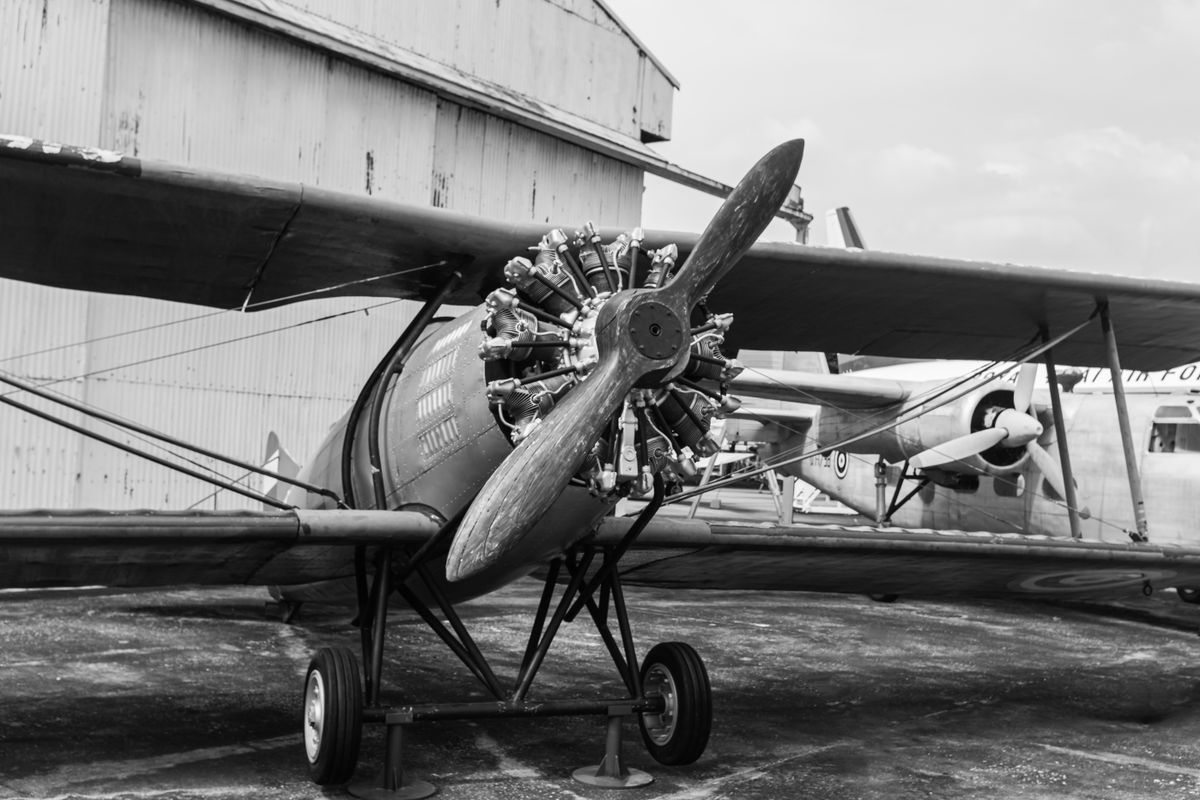
The aviation industry saw enormous consolidation over the decades. Many companies that built GA aircraft in the postwar era are gone. Others survive only as brand names under larger corporate umbrellas.
For instance, if you own a 1958 Piper Comanche or a 1963 Cessna 182, your manufacturer may offer limited support. Service manuals may be incomplete. Replacement parts may need fabrication or a field approval. In other words, owners often solve complex airworthiness puzzles on their own with little help from official channels.
Type clubs have stepped up to fill this gap. Organizations like the Comanche Flyer Association, the American Bonanza Society, and the Cessna Pilots Association maintain engineering data and member expertise. However, these clubs can only do so much without regulatory backing from the FAA.
The Proposed Vintage Aircraft Certification Category
E3 Aviation and the Vintage Aircraft Association have proposed a bold solution to this long-standing problem. Rather than chasing down elusive approved data, they want to create an entirely new certification category for vintage aircraft. This proposal has generated significant interest across the entire GA community.
The idea is to allow vintage aircraft owners to move their planes into this new category on a voluntary basis. Once enrolled, owners and their mechanics could use “accepted data” and established practices under FAR Part 43 — rather than being strictly bound to unavailable type-certificate data.
As EAA’s Vice President of Industry and Regulatory Affairs, Earl Lawrence, explained, this proposal is not a rigid solution imposed from above. Instead, it serves as a starting point for vital debate about how to preserve vintage aviation for future generations of GA pilots.
How “Accepted Data” Opens the Door for Vintage Aircraft Maintenance
Currently, “approved data” means FAA-accepted engineering documentation tied to a specific type certificate. “Accepted data,” however, is a broader standard. It includes current industry best practices, established maintenance techniques, and the kind of hands-on knowledge that skilled A&P mechanics have built over careers.
For vintage aircraft maintenance, this distinction is enormous. An owner could work with their A&P mechanic to use a safe, appropriate replacement part — without needing a separate FAA field approval for every logbook entry. The mechanic signs off on the work, and the job is done legally and safely.
This approach does not lower safety standards at all. It simply removes the bureaucratic roadblocks that force safe, proven work into legal gray areas. Owners can focus their energy on airworthiness rather than paperwork.
The Role of FAR Part 43 in Vintage Aircraft Maintenance
FAR Part 43 governs the maintenance, preventive maintenance, rebuilding, and alteration of aircraft. It defines who can perform what work and what records must be kept. For vintage aircraft in the proposed new category, FAR Part 43 would serve as the foundation for all maintenance decisions.
The proposal includes one key limitation. Aircraft in the new certification category could not be used for commercial purposes. That is a small trade-off for owners who simply want to keep flying their vintage planes safely and legally for personal use.
We’ll be straight with you: finding an A&P who genuinely understands vintage aircraft systems is harder than it used to be. The mechanics who trained on 1950s-era continental and lycoming configurations are retiring. If you’ve got a good one, treat that relationship like gold and introduce them to younger mechanics before they close up shop.
Working With Your A&P Mechanic on Vintage Aircraft

For vintage aircraft owners, the A&P mechanic is the most important relationship in aviation. Above all, finding a mechanic who understands older systems — round gauges, vacuum pumps, carbureted engines, and metal or fabric construction — is critical to safe operation.
First, build a relationship with a mechanic who knows your aircraft type. Many A&Ps focus on modern glass-cockpit aircraft and may be less familiar with 1960s-era systems. You want someone with real hands-on experience on your specific make and model.
Second, join your aircraft’s type club. That said, type clubs are far more than social organizations. They maintain engineering data, track recurring airworthiness problems, and often connect members with DERs who help with field approvals. For vintage aircraft maintenance, this network is invaluable — and often irreplaceable.
Third, keep meticulous records. Every logbook entry, every parts invoice, and every service difficulty report matters. Detailed records protect you legally and show a commitment to airworthiness that both the FAA and future buyers will respect.
Consider owner-assisted annual inspections as a cost-saving option. Under FAR Part 43, aircraft owners can help with their own annual under the supervision of a licensed A&P with IA authorization. This hands-on involvement also builds a deeper knowledge of your aircraft’s systems.
Practical Tips for Vintage Aircraft Maintenance Right Now
Regardless of where the FAA’s regulatory process goes, there are steps you can take today. These practices help keep your vintage aircraft airworthy, safe, and legal under the current system — no new rules required.
First, build a comprehensive maintenance plan. This should cover all airframe, engine, and avionics systems. Track every recurring airworthiness directive (AD) that applies to your aircraft. For older planes, the AD list can be long — but staying current is non-negotiable.
Second, use FAA advisory circulars as a resource. The FAA’s aging aircraft program page offers best practices guides specifically for GA aircraft. These documents cover corrosion inspection, structural fatigue, and aging electrical systems in practical detail.
Third, make corrosion control a priority. Corrosion is the number one enemy of aging airframes. Regular checks of wing roots, control cables, and fuel tanks catch problems early — before they become serious airworthiness issues. Many vintage aircraft have been lost to corrosion that a simple annual inspection would have caught.
Fourth, upgrade your avionics strategically. Modern avionics like ADS-B transponders and GPS navigators can be installed on vintage aircraft with the right STC documentation. For more on this topic, see our guide on aircraft maintenance tips for owners and pilots.
Fifth, address aging electrical systems proactively. Many vintage aircraft use original wiring that is now 50 to 60 years old. As a result, wire insulation can become brittle and crack under heat cycles. A thorough wiring inspection during every annual is essential — not optional.
Finally, document everything. In other words, every repair, every parts replacement, and every inspection finding belongs in the logbook. This protects you legally and builds a maintenance history that future owners — and the FAA — will value.
What Is Next for Vintage Aviation Advocacy
The proposed vintage aircraft certification category is still working through the regulatory process. Following initial meetings in early 2023, working groups were formed to address key aging-aircraft topics. These groups include representatives from E3 Aviation, the EAA, the VAA, and major type club organizations.
Initial reactions from these working groups have been cautiously optimistic. Many vintage aircraft owners see this proposal as a long-term solution to problems that have built up over decades. The ability to maintain aircraft using accepted data — rather than fighting to source unavailable approved data — would be genuinely transformative for the GA community.
However, FAA regulatory processes take time. Typically, major rule changes move through years of comment periods and formal rulemaking review. Owners should not expect immediate change. Instead, active advocacy through organizations like E3 Aviation, the EAA, and the VAA remains the most effective path forward.
You can help by staying engaged. Attend EAA AirVenture. Participate in your type club. Respond to FAA comment periods when they open. Support the organizations fighting for your right to keep your vintage aircraft in the air legally and safely. For more options on managing aircraft costs, see our aircraft co-ownership guide for GA pilots.
Our take: The vintage aircraft certification issue is one of the most frustrating regulatory gaps in GA. Owners who are genuinely committed to airworthiness are getting penalized by a system that assumes “old” means “unairworthy.” The proposed certification category is a reasonable step — but it’s been “proposed” long enough that we’d encourage every vintage aircraft owner to stay engaged with advocacy groups pushing it forward.
Frequently Asked Questions: Vintage Aircraft Maintenance
What is “approved data” in vintage aircraft maintenance?
Approved data refers to FAA-accepted documentation that legally authorizes a maintenance action. This includes manufacturer service manuals, engineering orders, STCs, and FAA field approvals. For vintage aircraft, approved data is often unavailable because original manufacturers no longer support the type.
What is FAR Part 43 and why does it matter?
FAR Part 43 is the FAA regulation governing aircraft maintenance, rebuilding, and alteration. It defines who is authorized to perform what work and what records must be kept. For vintage aircraft maintenance, Part 43 is the primary legal framework — and the foundation of the proposed new certification category.
What is the proposed vintage aircraft certification category?
E3 Aviation and the VAA have proposed a new FAA certification category for vintage aircraft. Under this proposal, owners could move their planes into the category on a voluntary basis. In return, they could use “accepted data” for vintage aircraft maintenance under FAR Part 43 — eliminating the need to source unavailable approved data. However, aircraft in this category could not be used commercially.
Sources
- FAA: Small Airplanes Continued Operational Safety — Aging Aircraft
- FAA Best Practices Guide for Maintaining Aging General Aviation Airplanes
- EAA Vintage Aircraft Association
- FAA Vintage and Experimental Aircraft Program
As an E3 Aviation member, you get access to informative aviation articles, tools, and a community built for GA pilots. Join E3 Aviation today and connect with pilots who share your passion for general aviation. MEMBER LOGIN