The Cirrus Vision Jet has never been a conventional aircraft. Since its certification in 2016, the SF50 redefined what “personal jet” meant — a single-engine turbofan with CAPS parachute protection, designed for owner-operators who want jet performance without the complexity of a light twin. Now Cirrus has added two significant technologies: Auto Radar powered by Garmin, and Cirrus IQ connectivity. Both push the Vision Jet further into territory that was once reserved for far more expensive aircraft.
This post covers what Auto Radar does, how Cirrus IQ changes ground-to-cockpit connectivity, and why these additions matter for Vision Jet pilots flying in real weather conditions.
The Cirrus Vision Jet SF50: A Quick Refresher
Before getting into the new features, it helps to understand the aircraft they’re going into. The Vision Jet SF50 is the world’s first single-engine personal jet certified under FAR Part 23. It uses a Williams FJ33-5A turbofan engine mounted at the rear of the aircraft, producing 1,800 pounds of thrust. That configuration keeps the engine noise away from the cabin and moves the pod away from the wing for clean aerodynamics.
The SF50 carries up to seven passengers in a pressurized cabin with a maximum cruise speed of 311 knots and a range of approximately 1,200 nautical miles. Cruise altitude is up to 31,000 feet, where it operates above most weather and most traffic. The Garmin Perspective Touch+ avionics suite handles navigation, autopilot, and engine management through an integrated touch-screen interface.
Most importantly, the SF50 is certified with the Cirrus Airframe Parachute System (CAPS). In any emergency where controlled flight is no longer possible, the pilot can deploy a ballistic parachute that lowers the entire aircraft to the ground. CAPS has saved multiple lives in SR-series piston aircraft, and its inclusion in the Vision Jet is a defining part of the aircraft’s safety philosophy.
Auto Radar: What It Actually Does

Weather radar in light aircraft has historically been a compromise. Small radar antennas limit range and resolution. Pilot workload for managing radar tilt, gain, and interpretation is high — especially in a single-pilot environment under instrument conditions. Auto Radar changes the equation.
How Garmin Auto Radar Takes the Guesswork Out of Weather Avoidance
Garmin’s Auto Radar system, integrated into the Perspective Touch+ avionics, automates radar management tasks that pilots previously had to handle manually. The system automatically adjusts antenna tilt based on the aircraft’s altitude and attitude. It manages gain settings to optimize target resolution without pilot input. And it continuously scans ahead of the aircraft, presenting returns in a format that’s easier to interpret under workload.
The result is that the pilot gets accurate, current radar information without having to manage the radar as a separate task. In a single-pilot jet operating in convective weather, removing that workload is meaningful. Pilots can focus on avoidance decisions rather than on operating the radar itself.
Matt Bergwall, Vision Jet Product Line Executive Director at Cirrus, demonstrated the system by navigating through an active thunderstorm environment. The Auto Radar tracked storm cells continuously, provided tactical guidance on gaps in the weather, and gave strategic overview information about what was developing ahead of the planned route. Both tactical (immediate deviation) and strategic (route planning) information came from the same integrated system.
Furthermore, the tactical display shows real-time cell movement, helping pilots assess whether a gap is opening or closing. In convective weather, a gap that looks safe at one moment can close quickly. Knowing whether you’re looking at a developing or decaying cell line matters for the go/no-go decision.
Cirrus IQ: Connectivity That Actually Works
Cirrus IQ is the aircraft’s built-in connectivity platform. It integrates cellular and satellite data links to keep the pilot, the aircraft, and the ground connected throughout a flight.
What Cirrus IQ Brings to the Cockpit and Beyond
In practical terms, Cirrus IQ allows pilots to receive updated weather data in flight — not just what was loaded before departure, but current information downlinked during the flight. For longer cross-country flights, this is a significant operational advantage. Weather at your destination 3 hours from now is different from what was in the system when you departed.
The platform also enables remote aircraft monitoring. Owners can check aircraft status, location, and systems health from a smartphone app. This is useful for FBO operators managing multiple Vision Jets, for maintenance tracking, and for owners who want visibility into their aircraft when it’s being flown by another pilot or operated under management.
Additionally, Cirrus IQ supports in-flight updates to avionics databases and other connected services. Keeping avionics databases current is a regulatory requirement for IFR operations. Streamlining that process reduces the friction of routine maintenance and keeps the aircraft airworthy with less administrative overhead.
The connectivity system also supports over-the-air software updates to certain aircraft systems — a capability that’s becoming standard in new aircraft but was rare in certified GA jets a decade ago. It means Cirrus can push system improvements to the fleet in the field rather than requiring aircraft to come to a service center for minor software changes.
Why These Features Matter for Single-Pilot Jet Operations
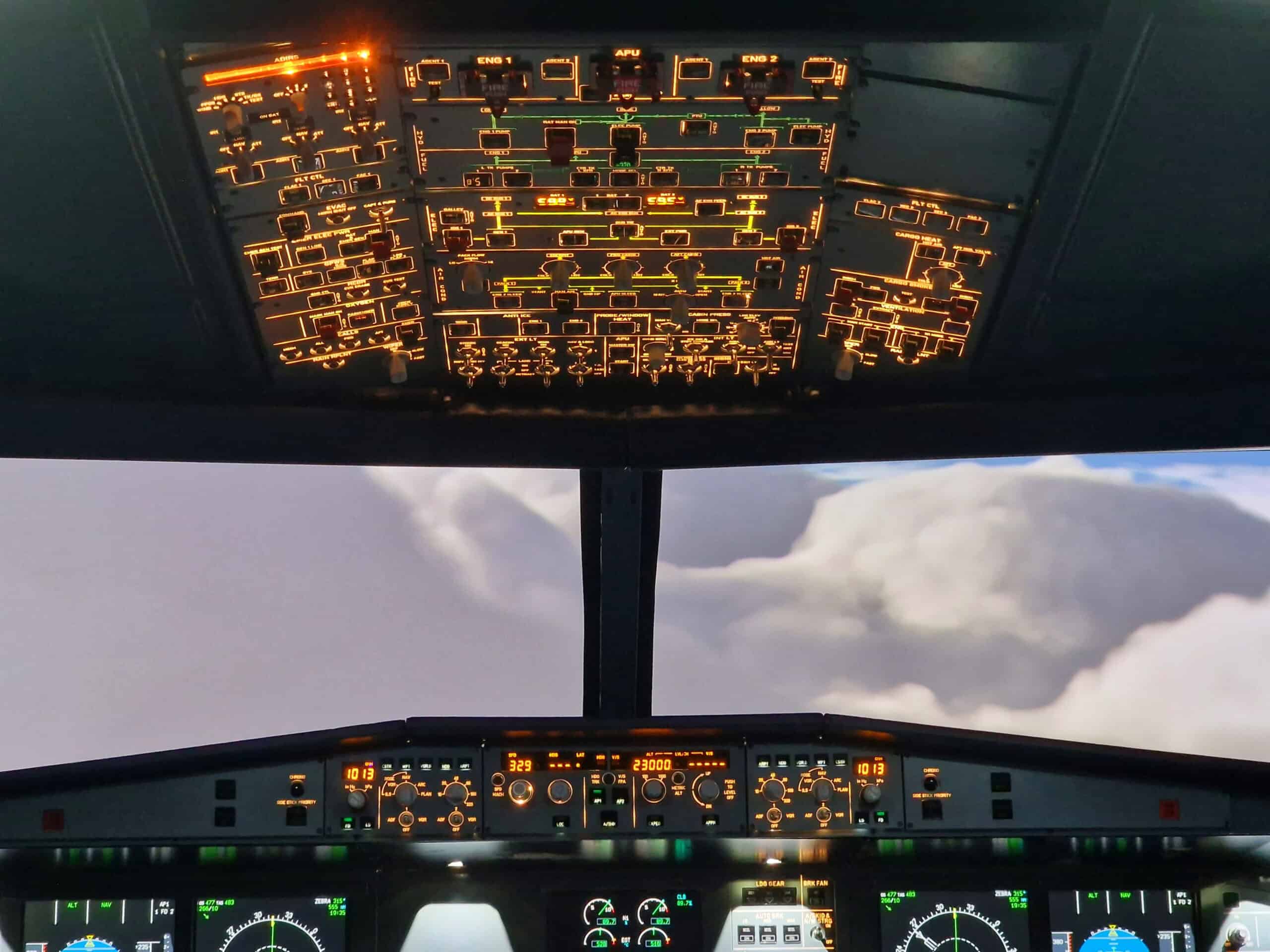
The Vision Jet is almost exclusively flown single-pilot. Owner-operators, fractional owners, and charter operators running the SF50 typically don’t have a right-seat crew member to handle avionics, communications, and weather analysis while the pilot flies. Every task that gets automated or simplified is a task that doesn’t compete for attention when it matters most.
We’ll be straight with you: the single biggest risk in single-pilot IFR jet operations is task saturation. When a pilot is managing ATC, flying an approach, monitoring systems, and also trying to interpret radar returns and adjust antenna tilt manually, something gets less attention. Auto Radar specifically reduces that risk by taking one complex, workload-heavy task and making it automatic.
Cirrus IQ supports the same goal from a different direction. By providing better pre-departure and in-flight information, it reduces uncertainty — which reduces the cognitive load that uncertainty creates. A pilot who knows exactly what’s developing at their destination doesn’t have to guess. They can plan, brief, and execute with more confidence.
The Vision Jet in Context: Personal Jet Category
The SF50 operates in a category that didn’t really exist before Cirrus created it. There are very light jets (VLJs) like the Eclipse and older Mustang, but those require two pilots in most operations and are more complex to own. Below the Vision Jet, the fastest piston singles top out around 200 knots. The SF50 occupies a unique position: jet performance and systems, single-pilot certified, with CAPS protection and modern avionics.
Competition in this specific segment is limited. The Honda HA-420 HondaJet offers more range and speed but costs significantly more and carries a higher operational burden. The Vision Jet’s G2+ model, which introduced Auto Radar and Cirrus IQ, keeps the aircraft current as the personal jet space evolves.
Our take: what Cirrus has done with the Vision Jet since 2016 is impressive. Each update has addressed real operational needs rather than just adding features for marketing purposes. Auto Radar and Cirrus IQ both solve problems that Vision Jet pilots actually experience in the field. That kind of product development builds trust.
Training and Type Rating for the Vision Jet
The Vision Jet requires a type rating — the SF50 type rating, administered by the FAA. Training is available through Cirrus’ training partner network and directly through Cirrus Aircraft’s training programs. Initial training typically runs 7 to 10 days and includes both ground school and simulator time before any actual flight training.
Pilots transitioning from the SR22 or SR22T will find many systems familiar — the Garmin Perspective platform, the CAPS deployment procedure, and the Cirrus operational philosophy carry over. The jet-specific differences — engine start, fuel management, high-altitude operations — are the primary focus of type rating training.
Recurrent training is required annually for Vision Jet pilots operating under instrument conditions. Cirrus offers structured recurrent programs designed specifically for owner-operators, including scenario-based training that covers the kinds of situations a single-pilot operator is most likely to encounter.
Frequently Asked Questions
What is Auto Radar on the Cirrus Vision Jet?
Auto Radar is a Garmin-developed weather radar management system integrated into the Vision Jet’s Perspective Touch+ avionics. It automatically adjusts antenna tilt and gain settings, removing those tasks from the pilot’s workload. The result is better radar information with less pilot effort — a significant advantage in single-pilot operations in convective weather.
How far can the Cirrus Vision Jet fly?
The SF50 Vision Jet has a range of approximately 1,200 nautical miles at normal cruise settings. It cruises at up to 311 knots and can reach altitudes up to 31,000 feet. For a personal jet in this price and complexity category, that range covers most domestic routes without a fuel stop.
Does the Cirrus Vision Jet require a type rating?
Yes. The SF50 Vision Jet requires an FAA type rating. Initial training runs 7 to 10 days and is available through Cirrus’ authorized training network. Pilots transitioning from other Cirrus aircraft will find the Garmin avionics and CAPS systems familiar, though jet-specific systems and high-altitude operations require dedicated training time.