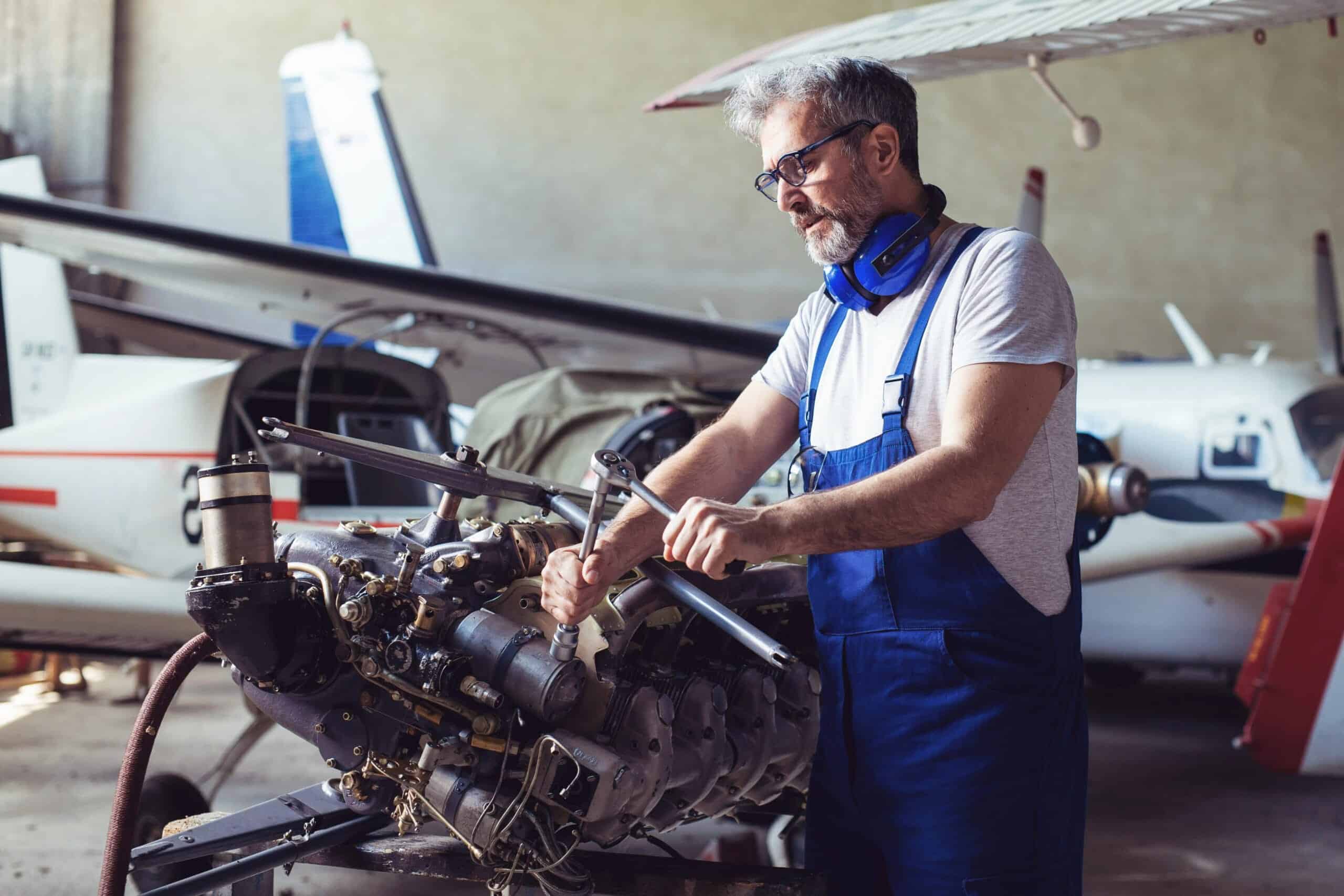
Flying after maintenance can feel like a fresh start for your aircraft. Yet, Understanding General Aviation Post-Maintenance Safety Risks lurk in ways many pilots overlook. Recent data reveals a startling 33.8% higher accident rate in the first flight hour post-inspection. This stems from overlooked issues during repairs. As owner-pilots, staying vigilant protects you and your passengers. Let’s dive into what makes these flights riskier and how to mitigate them.
The Real Data Behind General Aviation Post-Maintenance Safety Risks
Statistics paint a clear picture. Analysis of over 20,000 general aviation accidents shows elevated dangers right after shop visits. The FAA’s latest safety briefings from July 2025 highlight this trend. Fatalities occur in about 18% of maintenance-related mishaps annually. Installation errors alone account for numerous incidents, leading to injuries and losses.
Moreover, the rate of these accidents has remained steady over decades. From 1989 to recent years, it’s hovered around 4.3 per million flight hours. Owner-pilots often face these issues in single-engine planes. Understanding these numbers helps prioritize safety. For instance, engine failures post-overhaul happen more than expected. Even new parts can introduce problems if not installed perfectly.
Additionally, the National Transportation Safety Board reports underscore human factors. Mechanics might miss subtle defects under pressure. Pilots, eager to fly, sometimes skip thorough checks. This data urges a proactive approach. By recognizing patterns, you can avoid becoming a statistic. Resources from the E3 Aviation Association offer deeper insights into these trends.
Common Causes of General Aviation Post-Maintenance Safety Risks
Why do these risks spike? Inspection oversights top the list. Mechanics might reassemble components incorrectly. Loose fittings or forgotten tools cause chaos in flight. System failures, like fuel line issues, often trace back to hurried work. Vibration during initial runs can dislodge parts not secured properly.
Furthermore, wear indicators get ignored. Carbon deposits, or coking, signal excessive play in moving parts. Yet, limits in maintenance manuals are sometimes overlooked. Human error plays a big role too. Fatigue or inadequate training leads to mistakes. In general aviation, where budgets are tight, corners might get cut unintentionally.
Besides, incompatible materials cause corrosion over time. Galvanic reactions between alloys accelerate wear. FAA handbooks stress compatibility checks, but they’re not always followed. Another hidden cause: undocumented work. When repairs aren’t logged, future issues compound. These factors combine, turning routine flights into hazards. Awareness is your first defense.
Best Practices to Mitigate General Aviation Post-Maintenance Safety Risks
Start with rigorous checklists. Develop a post-maintenance routine covering every system. Inspect for loose panels, missing screws, and fluid leaks. Use apps for tracking inspections digitally. Tools like maintenance software flag potential issues early. This tech reduces human error significantly.
Next, perform a thorough walkaround. Check control surfaces for free play. Test fuel switches and electrical systems on the ground. Stay in the pattern for the first flight. This keeps you close to the airport if problems arise. Climb to altitude nearby for better gliding options. Understanding General Aviation Post-Maintenance Safety Risks
Additionally, involve yourself in the process. Communicate with mechanics about work done. Request a briefing on changes. For kit planes or older models, double-check logbooks. Predictive maintenance tech, like AI analytics, forecasts failures. Adopting these practices builds a safety buffer. They transform risks into manageable steps.
FAA Recommendations on Post-Maintenance Flights
The FAA emphasizes owner involvement. Their July 2025 safety briefings call for standardized practices. Use conformity inspections to verify work. Post-maintenance checks should include engine runs and taxi tests. Briefings stress technician training to prevent oversights.
Moreover, handbooks like the Aviation Maintenance Technician series detail procedures. Focus on critical systems: fuel, hydraulics, and landing gear. The FAA urges reporting unusual vibrations immediately. Their General Aviation Safety Fact Sheet promotes data sharing for trend analysis.
Besides, advisory circulars like AC 43.13-1B guide repairs. They outline acceptable techniques for inspections. For corrosion, AC 25.1529-1A provides control programs. Following these reduces risks. The FAA’s call to action in March 2025 targeted general aviation safety drifts. Implementing their advice fosters a stronger culture.
Strategies for Owner-Pilots Facing General Aviation Post-Maintenance Safety Risks
As an owner-pilot, take charge. Schedule maintenance during off-seasons for less rush. Choose certified shops with good reputations. After pickup, do a ground run-up. Listen for odd noises or smells. If something feels off, ground the plane until resolved.
Furthermore, build a personal checklist. Include static wick inspections for static discharge. Test avionics thoroughly. For electric systems, check battery health. Join communities like the E3 Aviation Association for shared experiences. Their forums reveal common pitfalls.
Also, consider additional training. Courses on maintenance awareness empower you. Simulate emergencies post-repair. This prepares for unexpected failures. Document everything. Photos of work help track changes. These strategies empower safe returns to the sky.
Impact on General Aviation Safety Culture and Training
These risks are reshaping general aviation culture. Emphasis on just culture encourages reporting errors. Training now includes human factors like fatigue management. Flight schools integrate post-maintenance scenarios. This builds awareness from day one.
Moreover, tech adoption is rising. Digital twins simulate wear for better predictions. Downtime drops by up to 30% with AI tools. Community events discuss trends, fostering collaboration. The FAA’s National Aviation Safety Plan promotes risk reduction through stakeholders. Understanding General Aviation Post-Maintenance Safety Risks
Besides, analysis shows shared accountability works. Manufacturers, mechanics, and pilots align on standards. This evolution strengthens trust. As general aviation grows, these changes ensure sustainability. Safer skies benefit everyone involved.
FAQ
What Are the Main General Aviation Post-Maintenance Safety Risks?
Primary risks include mechanical failures from improper assembly. Data shows a 33.8% higher accident rate in the first hour. Causes range from loose fittings to overlooked corrosion. Pilots might encounter engine issues or control problems. Mitigation involves detailed checks and ground tests. FAA guidelines stress verifying all systems. Owner-pilots should review logs thoroughly. Apps help track potential red flags. Understanding these risks prevents tragedies. Training on recognition is key for safe operations.
How Can Pilots Reduce General Aviation Post-Maintenance Safety Risks?
Begin with a comprehensive pre-flight inspection. Focus on recently worked areas. Use checklists for consistency. Perform taxi tests to catch vibrations. Limit initial flights to local patterns. Communicate with mechanics for details. Adopt tech like predictive apps. These forecast issues based on data. Regular training refreshes skills. Joining aviation groups shares best practices. This approach minimizes dangers effectively.
Why Do Accidents Spike After Maintenance in General Aviation?
Spikes occur due to human errors in repairs. Oversights like missing bolts lead to failures. Statistics reveal installation issues cause many incidents. Fatigue or rushed work contributes. Incompatible parts accelerate wear. Undocumented changes compound problems. Vibration dislodges components initially. FAA briefings highlight these patterns. Awareness through education curbs the trend. Standardized procedures help too.
What FAA Resources Address General Aviation Post-Maintenance Safety Risks?
FAA handbooks like the Aviation Maintenance Technician series are vital. Advisory circulars detail inspection methods. Safety briefings from July 2025 focus on risk mitigation. The General Aviation Safety Fact Sheet provides stats. Online courses cover post-repair protocols. Reporting tools like ASRS gather data. These resources guide safe practices. They emphasize owner roles in verification. Accessing them builds knowledge.
How Does Training Influence General Aviation Post-Maintenance Safety?
Training instills vigilance in pilots and mechanics. It covers human factors and error prevention. Simulations prepare for failures. Updated curricula include post-maintenance scenarios. This reduces oversight rates. Community workshops share real cases. FAA programs promote continuous learning. Better training lowers accident stats. It fosters a proactive culture. Ultimately, it saves lives.
Are There Apps for Managing Post-Maintenance Checks?
Yes, several apps aid tracking. They log inspections and flag anomalies. Predictive features use AI for forecasts. Integration with logs streamlines compliance. Pilots input data for trends. These tools cut downtime. FAA endorses digital aids for accuracy. Choosing user-friendly ones is crucial. They enhance safety reliably. Adoption is growing in general aviation.
Written by E3 Aviation Team, an experienced group of aviation writers with over 20 years in pilot training, maintenance expertise, and FAA compliance knowledge.
- FAA Safety Briefing July/August 2025
- Post-Maintenance Peril – General Aviation News
- FAA Aviation Maintenance Handbooks
- Post-Repair Flights: Recognize the Risks – Aviation Consumer
For more aviation resources and insights, be sure to visit: https:// https://e3aviationassociation.com/articles/