

For aviation enthusiasts, the aerobatic world buzzes with excitement as aerobatic market growth surges forward. Experts predict this niche sector could reach significant heights in the coming years, fueled by passion and innovation. From jaw-dropping airshows to viral stunt videos, demand for aerial thrills climbs steadily. So, what powers this rise? Essentially, it’s a blend of cutting-edge technology, global interest, and a community captivated by skillful maneuvers. Let’s explore this dynamic phenomenon and the forces driving aerobatic market growth today.
A Brief History of Aerobatics
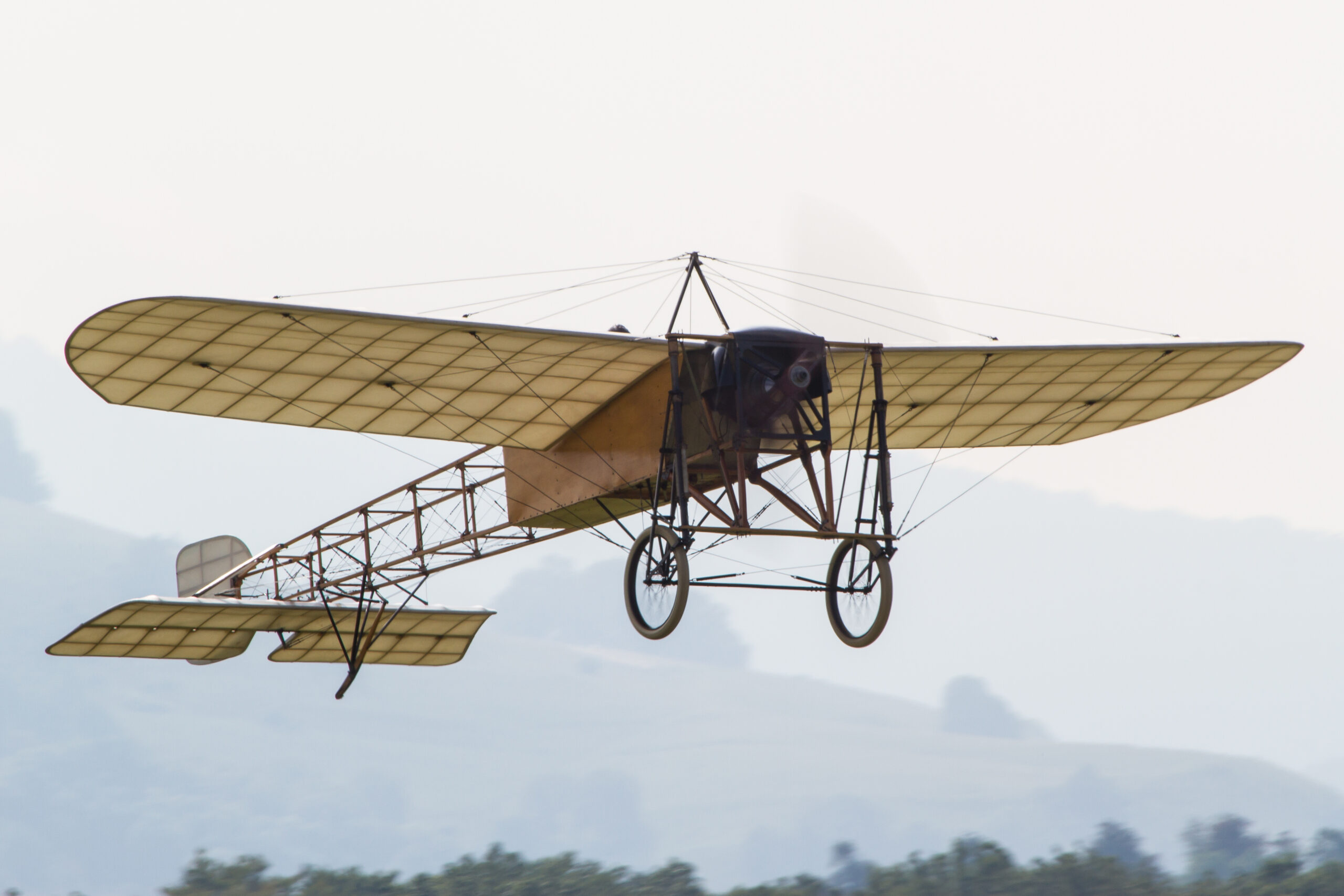
Interestingly, aerobatics traces its roots to aviation’s early days. In the early 20th century, bold pilots like Lincoln Beachey tested loops and rolls to push their limits. During World War I, fighter pilots refined these skills for combat, gaining tactical edges in dogfights. Afterward, civilian aviation embraced aerobatics, with the first competitions emerging in the 1920s. Over time, the sport formalized, guided by groups like the Experimental Aircraft Association (homebuilt community Aerobatics). Today, this legacy inspires pilots worldwide, blending precision with artistry. For more aviation history, visit E3 Aviation’s history resources.
A Thriving Niche Takes Shape
 Historically, aerobatics captivated audiences with its daring displays. However, it’s no longer just for adrenaline junkies. Currently, recreational flying gains traction, expanding the aerobatic market significantly. Meanwhile, training programs multiply to meet the influx of eager pilots. Surprisingly, vintage planes like the Pitts Special still shine for their agility, despite modern designs entering the fray. According to the Aircraft Owners and Pilots Association, these classics remain beloved (aviation industry organizations Aerobatics). Thus, this blend of tradition and innovation keeps the aerobatics community vibrant.
Popular Aerobatic Aircraft
Aerobatic aircraft vary widely, each suited to unique styles and pilot preferences. Here are some standout models driving the sport:
- Pitts Special: A classic biplane, excels at low-speed precision for intricate routines.
- Extra 300: A modern monoplane, delivers high-speed power for dynamic stunts.
- Edge 540: Offers top-tier speed and handling, a favorite in competitions.
- Sukhoi Su-26: Engineered for elite aerobatics, built to withstand intense maneuvers.
- MX Aircraft: Known for the MXS, provides exceptional strength and agility.
- GB1 GameBird: Features carbon-fiber construction, agile handling, and modern avionics.
Because pilots choose based on goals, this variety fuels aerobatics industry expansion. Ultimately, diverse options broaden the sport’s appeal.
Technology Fuels Aerobatic Market Growth
Undoubtedly, technology drives aerobatic market growth at an impressive pace. Specifically, lightweight composite materials like carbon fiber enhance agility and strength. For instance, the Extra 330SC uses carbon fiber for superior performance. Moreover, advanced avionics, including glass cockpits, improve precision during complex maneuvers. Fascinatingly, some planes adopt fly-by-wire systems, borrowed from military tech, for sharper control. Not only do these upgrades boost performance, but they also enhance safety. Aviation Safety Magazine explores this further (Aerobatics Safety). Check out E3 Aviation’s tech insights for more.
Airshows and Online Buzz
Unquestionably, airshows ignite passion for aerobatics with their thrilling displays. Recently, these events have grown, drawing millions globally each year. Besides, the International Aerobatic Club hosts competitions that spotlight talent (IAC Website). However, digital media truly amplifies reach. Nowadays, YouTube and Instagram teem with aerobatic videos, some hitting millions of views. For example, Rob Holland, a six-time U.S. National Aerobatic Champion, captivates audiences with innovative maneuvers and stunning online content. Intriguingly, drone footage adds fresh perspectives to these clips. Consequently, this online buzz accelerates aerobatic market growth, inspiring new fans. Stay updated with E3 Aviation’s event listings.
Training Grounds Expand
As aerobatics gains popularity, demand for skilled pilots rises sharply. Accordingly, flight schools launch specialized courses to train newcomers. For example, programs at Patty Wagstaff’s school focus on spin recovery and precision. Additionally, the Sean D. Tucker School offers top-tier instruction. For beginners, E3 Aviation’s training resources provide a solid start. Notably, aerobatic training enhances overall pilot safety. By mastering spins, pilots gain confidence and quick thinking. Thus, this dual purpose drives growth of aerobatic aviation.
Aerobatics in Pilot Training
 Beyond spectacle, aerobatics sharpens pilot skills effectively. Specifically, it teaches control in unusual attitudes, like spins or stalls. For instance, spin recovery training builds critical reflexes for emergencies. Many schools now integrate basic aerobatics into curriculums. Moreover, the FAA promotes safety through detailed guidelines (FAA Aerobatic Safety). As a result, aerobatic-trained pilots excel in all flying scenarios. This practical benefit boosts the sport’s credibility and reach. Explore more at E3 Aviation’s safety page.
Economic Factors Shaping Aerobatic Market Growth
Optimistically, the aerobatic market enjoys a positive economic outlook. According to the General Aviation Manufacturers Association, single-engine plane shipments rose 8.2% in 2023. Primarily, these cost-effective aircraft dominate aerobatic sales. However, challenges like high fuel costs persist. Fortunately, flying clubs help pilots share expenses, easing burdens. Despite hurdles, passion sustains aerobatic aircraft market trends. The National Business Aviation Association notes general aviation’s upward trajectory (NBAA General Aviation). This resilience signals strong growth ahead.
Safety in Aerobatics
While aerobatics excites, it demands rigorous safety standards. Therefore, the FAA mandates flights occur in designated zones only. Here are key safety measures:
- Pilots must wear parachutes during performances.
- Aircraft require meticulous maintenance checks.
- Modern designs feature reinforced frames and harnesses.
Regularly, safety seminars keep pilots sharp and informed. Consequently, these measures reduce risks, fostering trust in the sport. Boldmethod offers deeper insights into safety practices (Aerobatics Safety Tips).
The Global Stage
Currently, North America leads aerobatic market growth with its robust aviation culture. However, Asia Pacific emerges as a contender fast. With rising wealth in China and India, aviation interest soars. Excitingly, unique events like LED-lit night aerobatics dazzle crowds globally. For instance, Europe and the Middle East pioneer these shows. Globally, this expansion unites enthusiasts, boosting the market. Learn more about international trends at E3 Aviation’s global page.
Benefits of Aerobatics for Pilots
Remarkably, aerobatics offers pilots more than thrills. Specifically, it hones skills like coordination and decision-making under pressure. For example, mastering a roll improves aircraft control immensely. Additionally, it prepares pilots for emergencies by simulating unusual attitudes. According to the FAA, such training reduces accident rates significantly. Moreover, it builds confidence, benefiting all aviation fields. Consequently, aerobatics serves as a powerful skill-building tool. This added value draws more pilots into the sport, supporting market growth.
Case Study: Patty Wagstaff’s Impact
Inspiringly, Patty Wagstaff exemplifies aerobatics’ potential. As a three-time U.S. National Aerobatic Champion, she redefined the sport. Initially, she trained in the 1980s, mastering complex routines swiftly. Beyond competition, she founded a school to mentor new pilots. Today, her legacy promotes safety and skill worldwide. For instance, her courses emphasize precision and emergency readiness. Consequently, Wagstaff’s influence inspires aerobatic growth.
Future Trends in Aerobatics
Looking ahead, aerobatics promises exciting developments. Here’s what’s on the horizon:
- Electric Aircraft: Companies like Extra test prototypes, cutting costs and emissions.
- Virtual Reality: Training tools simulate stunts safely and effectively.
- Global Events: Red Bull Air Race expands reach yearly.
- Diversity: Women pilots rose 20% since 2010, per homebuilt community data.
Ultimately, these trends signal robust aerobatic market growth ahead.
Conclusion
Ultimately, aerobatic market growth rides a wave of innovation and enthusiasm. From advanced tech to global airshows, the industry thrives vibrantly. Whether you’re a pilot or spectator, the excitement pulls you in. Therefore, dive into this world and explore its wonders. Learn more about aviation safety today at FAA Safety! For deeper insights, join communities like E3 Aviation Association. Indeed, aerobatics reflects our endless fascination with flight.
For more E3 Aviation resources, be sure to visit: https://e3aviationassociation.com
What’s Driving Aerobatic Market Growth
The aerobatic aircraft market has expanded significantly over the past decade. Several factors converged to drive that growth, and understanding them helps prospective buyers and aerobatic enthusiasts assess whether the trend continues.
Disposable income growth among potential owner-pilots is the primary engine. Aerobatic flying is discretionary recreation — when the discretionary budget grows, so does the market. The wealth concentration in regions like California, Texas, Florida, and the Northeast has produced more candidate buyers than the industry has seen in decades.
Manufacturer innovation has expanded the field of compelling aircraft. The Gamebird GB1, Game Composites GB2, and refinements to existing platforms like the Extra 330LX have given buyers fresh options. New product introductions stimulate market interest beyond the buyers of those specific aircraft.
Training infrastructure has matured. Quality aerobatic schools exist in more regions than 15 years ago, lowering the barrier for pilots curious about the discipline. Once pilots experience aerobatic flight properly, a meaningful percentage become serious about pursuing it.
Where the Market Growth Is Concentrated
Geographic concentration follows the wealth concentration. The largest aerobatic markets in 2026 are Southern California, the Pacific Northwest, the Texas-to-Florida coastal belt, and the Northeast corridor from Boston to Washington DC. Each region has the population density, disposable income, and weather conditions to support meaningful aerobatic activity.
The competitive aerobatic community is geographically distributed but financially concentrated. A relatively small number of high-net-worth pilots account for a disproportionate share of aerobatic aircraft purchases and competitive flying activity. Their decisions about which platforms to fly heavily influence market trends.
The hobbyist and recreational aerobatic flyer market is broader but spends less per pilot. Pitts S-2C, Decathlon, Citabria, and similar aircraft serve this segment. Schools and flying clubs in this category benefit from the trend without seeing the dramatic individual sales the unlimited end of the market experiences.
The Aircraft Categories Within Aerobatic Growth
Aerobatic aircraft span a wide range of categories, each with distinct market dynamics in the current expansion.
Entry-level aerobatic trainers — Citabrias, Decathlons, Pitts S-2A — serve student aerobatic pilots and recreational flyers. New production in this category is modest; most market activity is used aircraft trading hands. Prices have firmed up but haven’t experienced dramatic appreciation.
Intermediate competitive aircraft — Pitts S-2B/C, Extra 200, Aero Subaru — bridge the gap between training aircraft and pure competitive platforms. The market for these has been steady, with prices reflecting the relatively small production runs and active competitive use.
Unlimited competitive aircraft — Extra 330, MXS, Gamebird GB1, Sukhoi types — define the high-end market. New production prices range from $400,000 to $850,000. Used examples retain value well when properly maintained. This segment has seen the most dramatic price appreciation as wealthy buyers compete for limited inventory.
Implications for Owners and Aspiring Aerobatic Pilots
The market expansion has practical implications for current owners and pilots considering entering the field. Each implication affects decisions about buying, selling, training, and equipment investment.
For current aerobatic aircraft owners, valuations have generally improved. Used aircraft are selling faster and at higher prices than five years ago. Owners considering exit have favorable market conditions. Owners planning to keep aircraft long-term benefit from the broader infrastructure but face higher operating costs as fuel, maintenance, and insurance all face inflationary pressure.
For pilots considering entering aerobatic flight, the timing is mixed. Training schools have more capacity and quality than years past. But entry-level used aircraft prices have firmed up. Plan for $80,000-$200,000 in initial aircraft purchase plus several thousand in training to develop basic competence.
For competitive aerobatic pilots, the field is more crowded and competitive than ever. Unlimited-class podium positions are harder to reach because more pilots have the resources, training, and aircraft to compete seriously. The good news for newcomers: the depth of competitive talent means there’s more to learn from peers.
The Aerobatic Training Industry Evolution
Training infrastructure has evolved alongside the aircraft market. Schools, instructors, and curricula have all expanded to support the larger pilot population interested in aerobatic flight.
The number of dedicated aerobatic schools has grown. Sunrise Aviation, IAC chapters, Tutima Academy, Patty Wagstaff’s school, and many regional operations all serve the broader market. Quality varies — choosing the right school matters as much as it does in any aviation training context.
CFI certification for aerobatic instruction has standardized to a meaningful extent. The CFI-A specialty endorsement, plus tailored training in specific aircraft types, has created a more consistent quality baseline than existed years ago. Pilots searching for instructors can vet credentials more reliably.
Competition aerobatic training as a distinct discipline has matured. The path from Sportsman category through Intermediate, Advanced, and Unlimited is well-mapped. Coaches who specialize in competitive aerobatic preparation help pilots progress through categories systematically.
Where the Market May Go From Here
Predicting the future of any market is hard, but several factors will likely shape aerobatic aviation’s trajectory over the next decade.
Economic conditions matter most. Recession risk reduces discretionary spending and tightens the aerobatic market quickly. Sustained economic growth supports continued expansion. The 2026 outlook contains uncertainty in both directions.
Regulatory environment changes could shift the market. Any tightening of aerobatic operating regulations would reduce activity. The current regulatory environment is reasonably favorable. Pilots and industry organizations should engage to maintain that.
Technology evolution will continue. Electric aerobatic aircraft remain experimental but the trajectory of battery technology suggests viable products within 10-15 years. Carbon fiber and composite construction advances will continue to improve performance and reduce maintenance costs.
Generational transition matters too. Many current aerobatic pilots are 50+. The pipeline of younger pilots interested in aerobatic flight needs cultivation. The schools and clubs that build pathways for pilots in their 20s and 30s will shape the sport’s future.
The Bottom Line for Aerobatic Aviation
The aerobatic market is healthier than it has been in decades. Quality aircraft, robust training infrastructure, an active competitive scene, and a growing pilot population willing to invest in serious flying all combine into a positive picture. Owner-pilots considering entry to aerobatic flight have more options and better support than at any time in recent memory. The investment of time and money is real, but the rewards in skill, confidence, and aviation community make it worthwhile for the pilots who commit to the discipline.
For pilots considering their next aerobatic aircraft purchase or training investment, the takeaway is that the market environment supports serious commitment. Schools have the capacity. Aircraft are available even at the premium end. Competitive opportunities exist for those who want to develop. The barriers are time, money, and personal commitment — not infrastructure availability. Now is a reasonable time to enter or expand involvement.
The aerobatic discipline rewards pilots who commit to the long view. Every flight, every training session, every contest builds skills that compound over years. The pilots flying at the top of the sport today started exactly where new pilots start now — at the beginning, with the basics, willing to keep showing up.
The E3 Aviation Editorial Team writes for owner-pilots, student pilots, and the small aircraft community. We focus on practical, real-world content that respects your time and your training. Learn more about E3 Aviation.
Last Updated: 2026-05-10


