On May 27, 2025, SpaceX launched its ninth Starship test flight (Integrated Flight Test 9, or IFT-9) from Starbase, Texas, aiming to advance its reusable rocket program critical for lunar and Martian missions. Despite high hopes, the mission ended in catastrophic failures for both the Super Heavy booster and the Starship upper stage, marking another setback after the explosive losses of Flights 7 and 8. This article recaps the launch, the crashes, and what they mean for SpaceX’s ambitious plans, drawing on the latest reports and posts from X for real-time context. SpaceX Starship Flight 9: A Bold Test Ends in Dual Disasters
Launch Recap: A Promising Start
Starship Flight 9 lifted off at 7:37 p.m. EDT (23:37 UTC) from Orbital Launch Pad A at SpaceX’s Starbase facility near Boca Chica, Texas, after brief countdown holds to assess the rocket’s systems. The mission used Booster 14, the first Super Heavy booster to be reflown (previously flown on Flight 7), and Ship 35, a Block 2 upper stage. The 60-minute launch window opened at 6:30 p.m. CT, with SpaceX livestreaming the event on its website, X account, and X TV app.
The launch was a visual triumph, with all 33 Raptor engines on Booster 14 firing successfully, propelling the 400-foot rocket skyward on an eastern trajectory toward the Straits of Florida. The booster, with 29 of its engines flight-proven, executed a flawless ascent and stage separation, marking a milestone in SpaceX’s push for reusability. Ship 35, meanwhile, reached its planned suborbital trajectory with a 189 km apogee, a significant achievement after the upper stage failures in January and March.
Mission Objectives
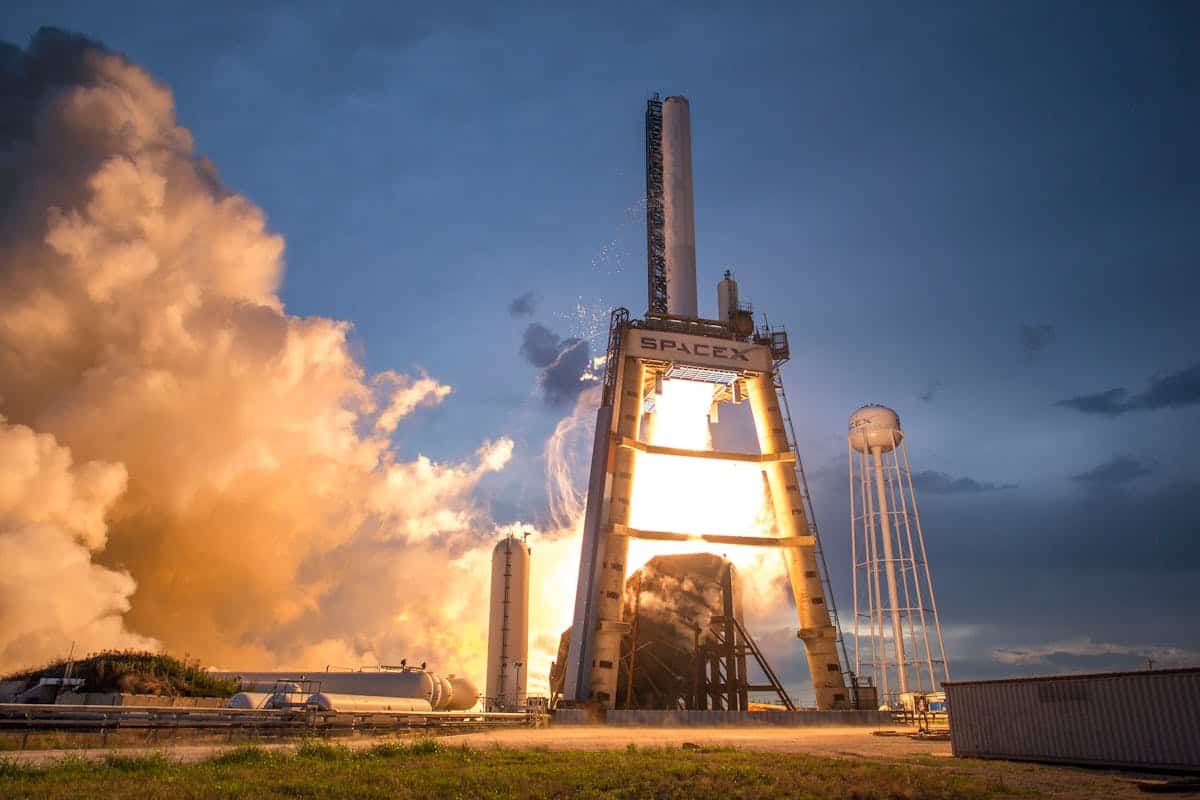
Flight 9 aimed to address the shortcomings of Flights 7 and 8, where Ship stages disintegrated due to Raptor engine issues. Key goals included:
- Booster Reuse: Testing Booster 14’s performance under off-nominal conditions, with a planned splashdown in the Gulf of Mexico instead of a Mechazilla catch to prioritize safety.
- Upper Stage Reliability: Validating Ship 35’s upgraded systems, including a nitrogen purge and enhanced propellant drains, to survive ascent and reach second-stage engine cutoff (SECO).
- In-Space Experiments: Deploying eight Starlink simulator satellites, testing a side hatch for cargo release, and conducting a Raptor engine relight in space.
- Heat Shield and Reentry: Stressing Ship 35’s flaps and testing experimental heat shield tiles during reentry, targeting a controlled splashdown in the Indian Ocean.
SpaceX implemented hardware fixes post-Flight 8, including extensive Raptor engine testing at its McGregor facility and multiple static fire tests for Ship 35, culminating in a 64-second, six-engine test on May 12. The FAA approved the launch on May 22 after reviewing SpaceX’s Flight 8 mishap report, which traced the explosion to a “flash” in the engines.
The Crashes: What Went Wrong
Despite the promising ascent, both stages met dramatic ends:
- Super Heavy Booster (Booster 14): After stage separation, Booster 14 followed a steeper, more stressful descent trajectory to test its limits. During its landing burn over the Gulf of Mexico, intended for a “hard splashdown,” the booster suffered a “Rapid Unscheduled Disassembly” (RUD)—SpaceX’s term for an explosion. Reports suggest the failure occurred when three engines reignited for the landing burn, possibly due to issues with a deliberately disabled engine meant to test backup compensation. SpaceX confirmed the booster was lost, noting the extreme test conditions made the outcome unsurprising. Posts on X described the booster “blowing up on reentry,” highlighting the severity of the failure.
- Starship Upper Stage (Ship 35): Ship 35 reached space, a first for a Block 2 Ship this year, but its mission unraveled during the coast phase. The side hatch for deploying eight Starlink simulator satellites failed to open fully, preventing the cargo release test. Around 18 minutes into the flight, a propellant leak caused a loss of attitude control, sending the spacecraft into a wild tumble. As it reentered over the Indian Ocean, burn-through was observed on some flaps, and the vehicle disintegrated at about 59 km altitude. SpaceX’s Dan Huot reported that the ship likely broke apart due to the uncontrolled reentry, with no attempt made to relight its Raptor engines in space. X posts noted the ship “came down backwards” and “burned up,” underscoring the chaotic descent.
Impact and Reactions
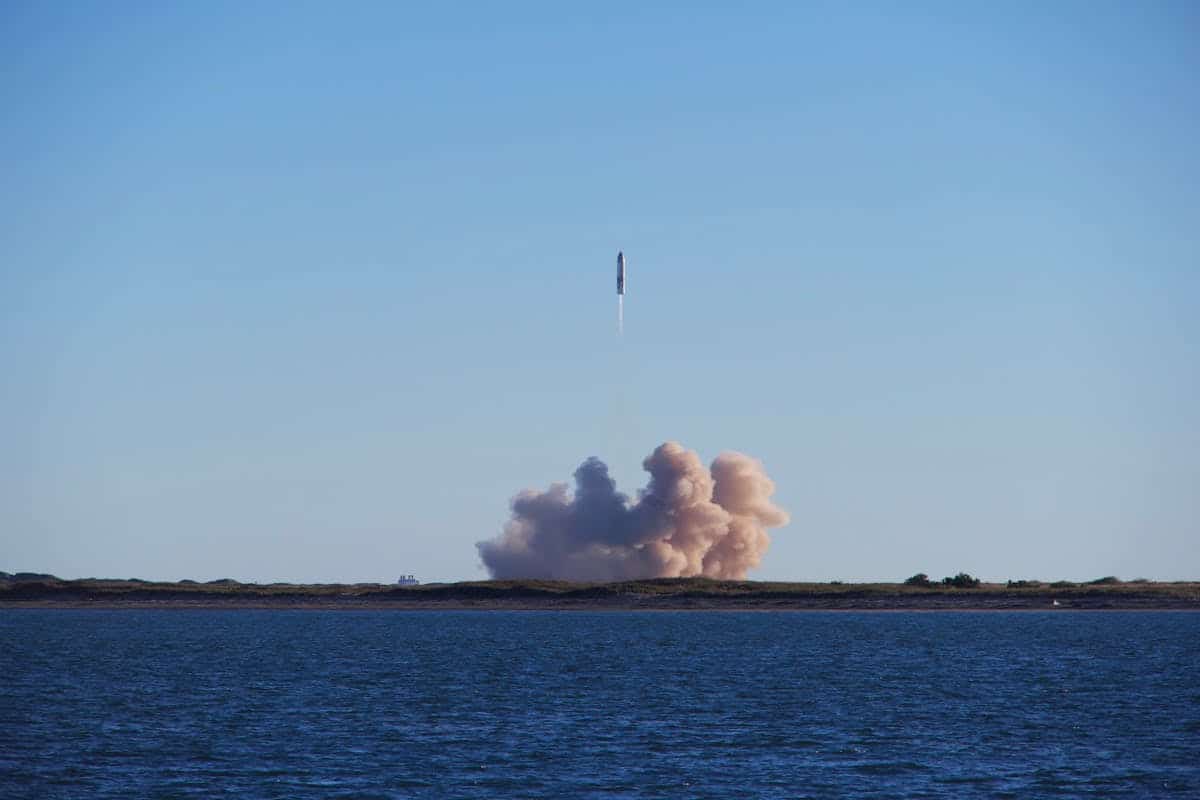
The dual failures of Flight 9 have sparked varied reactions. SpaceX framed the test as a learning opportunity, with spokesperson Dan Huot emphasizing that “success comes from what we learn,” even in failure. The company’s X account echoed this, stating teams would review data for the next test. Some X users praised the launch’s early success, noting the operational engines and suborbital trajectory as progress. Others were critical, with posts mocking the satellite deployment failure and the ship’s backward reentry.
The FAA hasn’t yet commented on whether the uncontrolled reentry affected commercial air travel, though Flight 9’s expanded hazard zone (1,840 miles) and non-peak launch time were designed to mitigate such risks. The agency will likely need another mishap investigation before approving Flight 10, potentially delaying SpaceX’s plans.
Implications for SpaceX and Beyond
Flight 9’s failures highlight persistent challenges with Starship’s Block 2 upper stage, which NASA is watching closely for its Artemis 3 lunar landing mission. The inability to deploy satellites or relight engines in space delays critical milestones like on-orbit propellant transfer, needed for Artemis and Musk’s proposed 2026 Mars mission. The booster’s loss, while expected under extreme testing, raises questions about the pace of reusability development.
SpaceX’s rapid testing philosophy—embracing failure to accelerate learning—remains divisive. Critics on X argue the repeated explosions risk negative publicity and regulatory scrutiny, especially with three Block 2 failures in a row. Supporters counter that pushing hardware to its limits is essential for innovation, and the successful ascent and stage separation show progress.
Elon Musk’s planned “The Road to Making Life Multiplanetary” talk, delayed to post-launch, may address these setbacks while outlining next steps. With Ship 36 and Booster 16 slated for Flight 10, SpaceX is likely already analyzing data to address the propellant leak, hatch failure, and landing burn issues.
Conclusion
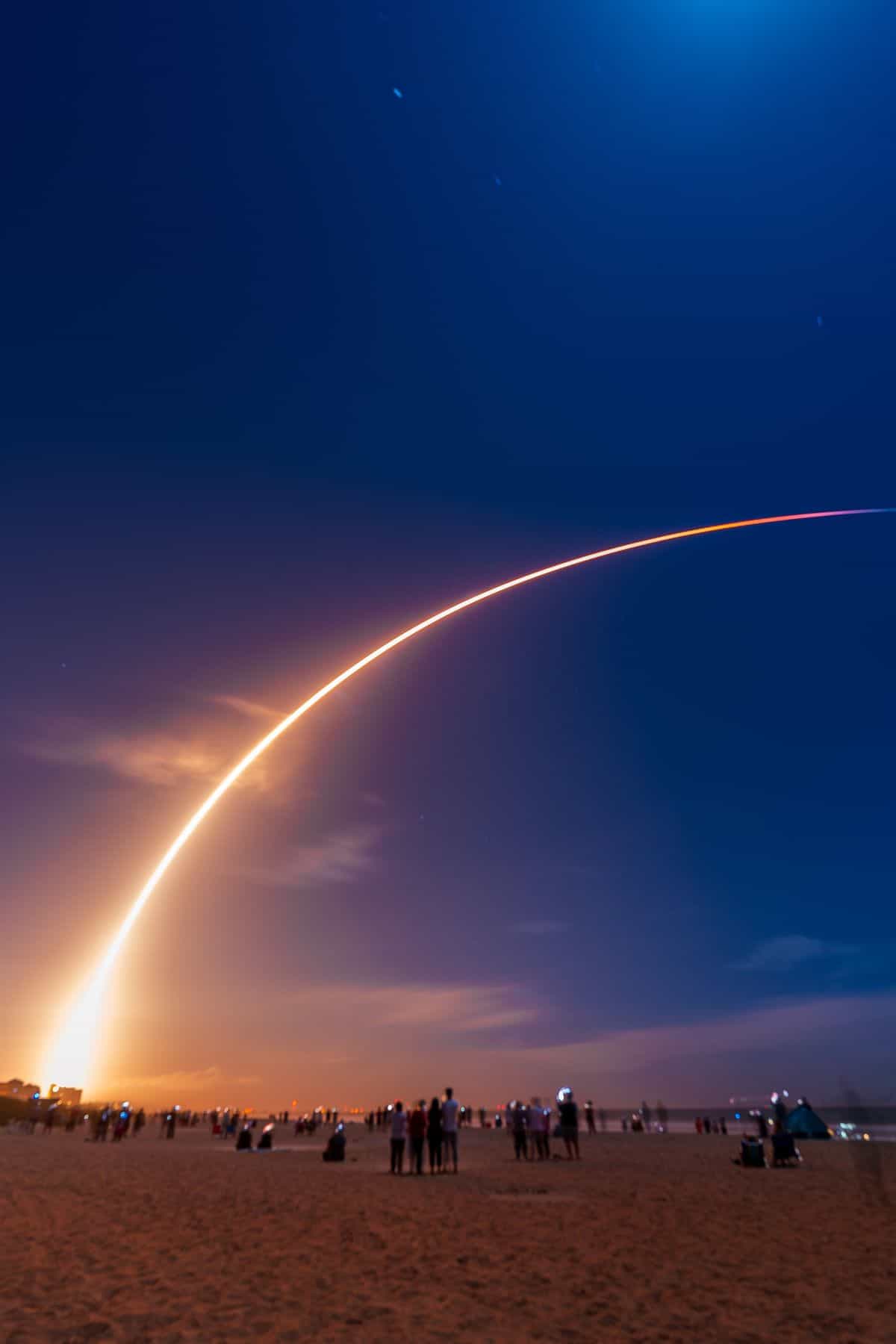
Starship Flight 9 was a bold but flawed step in SpaceX’s quest to revolutionize space travel. While the launch showcased the potential of a reused Super Heavy booster and a Block 2 Ship reaching space, the catastrophic losses of both stages underscore the complexity of developing a fully reusable rocket. As SpaceX sifts through the data, the space community awaits clarity on how these failures will shape the path to the Moon, Mars, and beyond. For now, Starship remains a testament to the high risks and higher rewards of pushing the boundaries of space exploration.
Note: Stay tuned to SpaceX’s X account and trusted sources like NASASpaceflight.com for updates, as the schedule for Flight 10 and regulatory responses may evolve.
https://e3aviationassociation.com/articles/
What Happened During Starship Flight 9
Specifically, SpaceX’s Starship Flight 9 was the ninth integrated test of the Super Heavy booster + Starship upper stage system. Critically, both vehicles were lost during the test — the booster during its return attempt, and the upper stage during reentry. The “dual disasters” framing captures the operational reality: SpaceX’s iterative test approach accepts vehicle losses as part of the development process, but two losses in a single flight raised the cost and complexity of the program.
For comparison, earlier Starship test flights had successively demonstrated controlled descent, stage separation, and limited orbital flight. Flight 9’s setbacks didn’t necessarily indicate fundamental design problems, but they did signal that the system remained early in maturity despite years of testing.
What “Both Disasters” Means in Context
Practically, the SpaceX iterative development approach treats vehicle losses as data points, not failures. Specifically, the program design assumes some test flights will end with vehicles destroyed — the goal is to learn enough from each test to improve subsequent designs. The “both disasters” framing in popular reporting captures the visual drama more than the engineering reality.
Honestly, NASA’s traditional development approach would never accept the loss rates SpaceX has tolerated. The trade-off is faster iteration cycles at the cost of more spectacular failures. Whether this approach pays off depends on whether the eventual operational vehicle reaches reliability and capability that justifies the program.
How Starship Affects GA Airspace
For instance, Starship test flights operate from SpaceX’s Boca Chica facility (now designated Starbase) in South Texas. Specifically, launch operations require coordinated airspace closures that affect GA operations along the Gulf Coast:
- Temporary Flight Restrictions (TFRs) covering launch corridors, often spanning multiple states
- Maritime exclusion zones coordinated with the Coast Guard
- Airspace coordination with Mexican authorities for trajectories that approach Mexican airspace
- Communication with regional ATC facilities for traffic management during launch windows
Practically, GA pilots planning trips through South Texas should check NOTAMs and TFRs carefully when SpaceX has launches scheduled. The launch cadence has increased substantially as the program matures.
What This Means for Future Tests
Above all, Flight 9’s setbacks didn’t derail the Starship program but did add cost and timeline pressure. Specifically, SpaceX continues to iterate, with subsequent flights addressing the specific failure modes identified in Flight 9. Our take: the long-term success of Starship still depends on whether the program eventually delivers operational reliability comparable to or better than existing launch vehicles. The 2020s will reveal whether SpaceX’s bet pays off.
Frequently Asked Questions
what’s SpaceX Starship?
Starship is SpaceX’s two-stage super-heavy launch system, consisting of the Super Heavy first-stage booster and the Starship second-stage spacecraft. The system is designed for full reusability and long-duration missions including potential crewed missions to Mars. Starship is significantly larger and more powerful than any operational launch vehicle.
Why are SpaceX rocket launches important for GA pilots?
Launch operations require coordinated airspace closures that can affect GA flight planning along the Gulf Coast and other launch regions. As commercial space launch cadence increases, GA pilots should expect more frequent TFRs and airspace coordination requirements. Checking NOTAMs and TFRs carefully when planning trips through launch corridors becomes routine.
What does Flight 9’s failure mean for the Starship program?
SpaceX’s iterative development approach accepts vehicle losses as part of the test process, so individual flight failures don’t necessarily indicate fundamental program issues. However, Flight 9 added cost and timeline pressure, and the program continues to address specific failure modes identified during testing. Long-term success depends on whether the system eventually achieves operational reliability and capability.
What’s Next for Starship
For instance, SpaceX’s response to Flight 9’s setbacks reflects the company’s iterative approach. Specifically, the next several flights will address specific failure modes identified during testing — booster engine reliability, upper-stage reentry heat management, and stage separation dynamics. Critically, SpaceX has demonstrated willingness to fly modified hardware quickly rather than wait for perfection.
Practically, the program timeline depends on the FAA’s commercial space transportation licensing pace, environmental review schedules, and the cadence at which SpaceX can fabricate and test new vehicles. Our take: the next 18-24 months will reveal whether Starship reaches operational maturity or requires substantial redesign before that’s possible.
Commercial Space and U.S. Airspace
Notably, the rise of commercial space launches has substantially complicated U.S. airspace management. Specifically, launches from Boca Chica (SpaceX), Cape Canaveral (multiple operators), Wallops Island (NASA/Rocket Lab), and Vandenberg (SpaceX/ULA) all require coordinated airspace closures that affect commercial aviation and GA operations.
Honestly, the launch cadence is only going to increase. GA pilots flying through any launch-affected region should expect more TFRs and more frequent coordination requirements over the rest of the decade.
The Bigger Picture for Aviation
For instance, commercial space operations and traditional aviation are increasingly intersecting. Specifically, launch sites use airspace that aviation also depends on, recovery operations require maritime and airspace coordination, and the cadence of activity is growing across all major launch facilities. Practically, GA pilots can expect launch-related airspace restrictions to become routine considerations in flight planning, particularly in the southeastern U.S. corridor.
Our take: SpaceX’s iterative test approach has accelerated learning faster than traditional aerospace development, even when individual flights end in dramatic failures. Whether the program ultimately delivers operational reliability worth the development cost remains the open question. The next several years will tell.
Practically, the commercial space program’s evolution affects more than just SpaceX. Specifically, Blue Origin, Rocket Lab, and several emerging competitors all conduct launches that interact with U.S. airspace. The pattern of TFRs, airspace closures, and coordination requirements that GA pilots navigate will only intensify as the industry matures.
Notably, the long-term significance of Starship and similar programs extends beyond rocket technology. Specifically, the regulatory frameworks being developed for commercial space transportation are reshaping how the FAA manages airspace, how launch operators coordinate with maritime authorities, and how international airspace boundaries interact with launch trajectories. These dynamics will affect GA pilots for the rest of their flying careers.
That’s the bigger picture. It’s easy to focus on individual launch outcomes, but the GA impact comes from the cumulative trajectory of commercial space activity — and that isn’t slowing down.
The E3 Aviation Editorial Team writes for owner-pilots, student pilots, and the small aircraft community. We focus on practical, real-world content that respects your time and your training. Learn more about E3 Aviation.
Last Updated: 2026-06-01