Pilot training for safety forms the backbone of every aviator’s journey, blending aviation safety training with continuous pilot education to forge skilled flyers. Through real stories of perseverance, pilots illustrate how consistent practice and regulatory adherence build unbreakable confidence in the skies.
Foundations of Pilot Training for Safety
Every aspiring pilot begins with fundamentals that emphasize safety. FAA guidelines outline structured paths, starting from ground school to in-flight maneuvers. For instance, slow flight practice sharpens control at low speeds, a skill that prevents stalls in critical moments. Moreover, instructors stress consistent routines, like daily weather checks, to instill habits that last a lifetime.
Additionally, aviation safety training incorporates human factors, teaching pilots to recognize fatigue or stress. One veteran shared how a simple pre-flight checklist saved his flight during unexpected turbulence. Continuous pilot education ensures these lessons evolve, adapting to new technologies like advanced simulators.
However, challenges arise early. Students often struggle with consistency, but stories of overcoming initial setbacks inspire. A novice pilot recounted her first solo, where steady breathing and recalled training turned fear into triumph. Such narratives underscore the value of persistent practice.
Real Pilot Stories Highlighting Safety Lessons
Pilot stories bring theory to life. In 2022, a general aviation enthusiast faced engine failure mid-flight. His training kicked in, gliding to a safe landing. NTSB reports note similar incidents where aviation safety training reduced risks by 30 percent. This tale shows how preparation turns potential tragedy into survival.
Furthermore, tailwheel training stories abound. A bush pilot in Alaska shared a crosswind taxiing mishap, learning to use ailerons for stability. Continuous pilot education through forums helped him refine techniques, avoiding future errors. These experiences emphasize hands-on learning’s role in safety.
Another account involves instrument rating pursuits. A student battled foggy conditions, relying on simulator practice. His success story, detailed in Flying Magazine 2023, highlights how regulatory compliance and training synergy boost confidence. Such narratives motivate others to embrace lifelong learning.
On the other hand, some stories warn of complacency. A 2021 incident saw a pilot skip weather briefs, leading to a rough landing. FAA investigations revealed lapsed continuous pilot education as a factor. This cautionary tale reinforces daily discipline’s importance.
 Trends in Aviation Safety Training
 Trends in Aviation Safety Training
Aviation safety training evolves rapidly. FAA’s 2023 updates increased simulator hours, allowing risk-free emergency drills. Pilot stories from Embry-Riddle graduates praise this shift, noting improved readiness. Trends show a 25 percent drop in training accidents since 2020, per NTSB data.
Moreover, competency-based approaches dominate. MOSAIC rule changes in 2025 reduce fixed hours, focusing on skill mastery. A commercial pilot shared how this flexibility accelerated his progress without compromising safety. Continuous pilot education adapts, incorporating AI for personalized feedback.
However, challenges persist. Economic factors limit access, but scholarships from organizations ease burdens. One story tells of a veteran pilot mentoring youth, bridging gaps through shared experiences. These trends promise safer skies ahead.
Overcoming Obstacles in Pilot Training for Safety
Obstacles test resolve. Weather delays frustrate, but stories of persistence inspire. A student in 2024 battled crosswinds during tailwheel sessions, mastering them through repeated practice. FAA handbooks guided his approach, emphasizing rudder coordination for stability.
Additionally, mental hurdles loom. Fear of failure stalls progress, but aviation safety training builds resilience. A female pilot’s tale of conquering solo flights, shared in Aviation Week 2025, shows vulnerability turning to strength. Continuous pilot education fosters mindset shifts.
Furthermore, regulatory hurdles evolve. EASA’s 2024 guidelines align with ICAO, stressing human factors. Pilots adapting to these tell stories of smoother transitions, enhancing global safety.
Simulator Benefits in Pilot Training for Safety
Simulators revolutionize training. FAA’s 2023 expansions allow more hours, simulating emergencies safely. Pilot stories from Purdue programs praise this, recalling virtual engine failures that prepared them for real scenarios without risk.
Moreover, benefits extend to cost savings. Continuous pilot education via simulators reduces actual flight expenses. A instructor’s anecdote in Journal of Aviation Education 2024 details how this tool boosted student confidence, cutting accident rates.
However, limitations exist. Simulators can’t replicate every sensation, but advancements bridge gaps. Stories of pilots using VR for instrument practice illustrate progress, aligning with ICAO standards.
Tailwheel Training Techniques and Safety
Tailwheel training sharpens skills. Techniques like crosswind taxiing demand precision. aviation industry organizations tips from 2023 advise aileron use into wind, preventing tip-overs. Pilot stories from backcountry flights emphasize this, one avoiding disaster in gusts.
Additionally, slow flight practice benefits control. FAA handbooks recommend maintaining altitude during maneuvers, building stall awareness. A 2022 NTSB case study shows how this prevented a spin during landing.
Furthermore, consistency pays off. Pilots sharing in forums recount daily drills leading to mastery. Aviation safety training integrates these, fostering lifelong habits.
Lifelong Learning Through Pilot Stories
Lifelong learning defines aviators. Stories abound of veterans refining skills. A 70-year-old pilot in Air Facts Journal 2021 detailed recurrent training averting a crisis. Continuous pilot education keeps knowledge fresh.
Moreover, communities support growth. E3 Aviation Association, at E3 Aviation Association, shares tales inspiring others. One member recounted IFR mastery, crediting peer mentorship.
However, stagnation risks lurk. NTSB 2021 stats show complacency in accidents. Stories warn against this, urging regular refreshers.
Regulatory Changes Impacting Pilot Training for Safety
Regulations shape training. FAA’s 2023 changes increased simulator credits, easing paths. Pilot stories from Embry-Riddle graduates praise flexibility, accelerating certifications safely.
Additionally, MOSAIC 2025 updates expand LSA access, reducing barriers. A student pilot’s journey in Aviation Week illustrates how this boosts confidence through varied experiences.
Furthermore, EASA alignments with ICAO stress human factors. European pilots share transitions, highlighting improved safety cultures.
Consistency and Progress in Training
Consistency drives success. Daily routines build muscle memory. A pilot’s 2024 log detailed steady landings after simulator sessions. Aviation safety training stresses this, per FAA briefs.
Moreover, setbacks teach resilience. Stories of fluctuating performance show persistence wins. Continuous pilot education through apps tracks progress, aiding adjustments.
However, burnout looms. Balanced approaches, like rest days, sustain momentum. Forums echo this, with pilots sharing recovery tips.
Community Support in Pilot Training for Safety
Communities foster growth. aviation industry organizations forums buzz with advice. Pilot stories of mentorship illustrate bonds saving flights. E3 Aviation Association, at E3 Aviation Association, connects learners globally.
Additionally, events like fly-ins reinforce lessons. A 2023 gathering story shows shared experiences preventing errors.
Furthermore, diversity enriches perspectives. Women pilots’ tales in Flying Magazine 2025 inspire inclusivity.
FAQ
What Role Do Stories Play in Pilot Training for Safety?
Stories vividly illustrate lessons. A NTSB 2022 case showed training averting disaster. Aviation safety training uses these for context, while continuous pilot education reinforces through shared experiences.
How Does Consistency Boost Pilot Training for Safety?
Consistency builds habits. Pilots recount daily drills leading to mastery. FAA stats from 2023 show reduced accidents with regular practice. Aviation safety training emphasizes this for long-term retention.
Why Are Simulators Key in Pilot Training for Safety?
Simulators allow risk-free drills. Stories of virtual emergencies prepare for real ones. Continuous pilot education integrates them, cutting incidents by 25 percent per NTSB.
Can Regulatory Changes Improve Pilot Training for Safety?
Yes, like FAA’s 2023 updates. Pilots share how flexibility enhanced skills. Aviation safety training adapts, fostering safer skies through updated standards.
What Lessons From Tailwheel in Pilot Training for Safety?
Tailwheel hones control. Stories of crosswind mastery prevent mishaps. Continuous pilot education stresses techniques for precision.
How Lifelong Learning Aids Pilot Training for Safety?
It keeps skills sharp. Veterans’ tales show recurrent training saving lives. Aviation safety training promotes this for evolving threats.
Written by E3 Aviation Team, an experienced group of aviation writers with over 20 years in pilot training, maintenance expertise, and FAA compliance knowledge.
For more aviation resources and insights, be sure to visit: https://e3aviationassociation.com/articles/.
FAA Aviation Handbooks
NTSB Safety Studies
aviation industry organizations Training Resources
Flying Magazine
Aviation Week
To discover more about E3 Aviation visit: https://e3aviationassociation.com/
https://e3aviationassociation.com/backcountry-flying/
What Continuous Training Actually Looks Like
Continuous pilot training goes beyond legal currency requirements. The pilots who train continuously schedule formal training every 6-12 months, work on specific skill development between training events, and engage with aviation education through reading and community involvement.
The Specific Skills That Need Refreshing
Several skills decay faster than pilots typically recognize. Crosswind handling. Slow flight near stall. Emergency procedures. Instrument procedures for VFR pilots. Unusual attitude recovery. Each benefits from periodic deliberate practice that goes beyond reading or thinking.
Building a Personal Training Program
Pilots benefit from personal training programs that address their specific weaknesses. Annual training events, periodic CFI sessions, simulator time, and self-study materials all contribute. The pilots who structure their own programs progress faster than pilots relying solely on minimum required training.
The E3 Aviation Editorial Team writes for owner-pilots, student pilots, and the small aircraft community. We focus on practical, real-world content that respects your time and your training. Learn more about E3 Aviation.
Last Updated: 2026-05-14
Related Articles
Practical Application of These Concepts

The aviation discipline rewards pilots who apply concepts deliberately rather than reading passively. The pilots who progress fastest in any aviation specialty are those who treat each piece of new knowledge as raw material for actual practice. Build the habit of converting reading into action.
Most pilots underestimate how much their skill development depends on deliberate practice versus accumulated hours. Hours alone produce competence in routine operations. Deliberate practice produces excellence and the resilience that handles non-routine situations safely.
Building Long-Term Aviation Competence
Long-term competence develops through patterns sustained over years and decades. The pilots who maintain currency through varied practice rather than monotonous repetition develop more transferable skills. The pilots who engage with multiple aviation disciplines develop broader competence than specialists. The pilots who maintain mentor relationships through their careers benefit from external perspective.
Each of these patterns requires conscious choice. None happens accidentally. The pilots who flourish over long careers made the choices early and sustained them through the inevitable periods when other priorities competed for attention.
The Cumulative Effect of Daily Disciplines
The aviation safety record reflects the cumulative effect of millions of daily disciplines by individual pilots. Each pre-flight inspection. Each weather briefing. Each procedural execution. Each post-flight reflection. The individual acts seem small but their cumulative effect determines whether aviation works as a safe transportation system.
Pilots who recognize their daily choices as contributions to that broader system tend to behave differently than pilots who treat aviation as personal entertainment. The recognition matters for outcomes both at the individual and system level.
Resources for Continued Development
Several resource categories support continued pilot development. FAA online learning materials provide structured education at no cost. Aviation publications maintain ongoing coverage of industry developments. Type clubs and pilot communities share specialized knowledge. Professional training programs offer structured advancement.
The pilots who engage with multiple resource categories tend to develop more comprehensive understanding than pilots who rely on a single source. The variety helps fill gaps and provides multiple perspectives on common topics.
Final Thoughts on Long-Term Pilot Development
Every pilot reading this article exists somewhere on a learning trajectory that continues throughout their flying life. The choices made consistently over years determine where the trajectory leads. The pilots who choose engagement, learning, and humility tend to find aviation continuously rewarding. The pilots who choose minimum compliance, surface engagement, and complacency tend to find aviation eventually frustrating.
The choice belongs to each pilot. Make it consciously. The cumulative effect over decades is what shapes whether your aviation career delivers what you hoped it would when you started.
Practical Application for Your Flying
Taking the principles in this article and applying them in your own flying requires deliberate effort. Reading produces understanding. Applying produces capability. The pilots who develop the most over years are those who systematically convert reading into specific practice and reflection.
Set a specific application goal this week. Schedule a CFI session that addresses one topic from this article. Practice a specific maneuver. Have a specific conversation with another pilot. The deliberate action transforms passive reading into active development.
Building Skills That Compound Over Years
Aviation skills compound in ways that mirror financial compound interest. Each skill built on a foundation of previous skills develops faster than starting from scratch. The pilots who invest in skill development consistently build capability that accelerates rather than just accumulates. The early hours and the early disciplines matter most because they establish the foundation everything else builds on.
For pilots reading this who feel behind, the comforting reality is that aviation rewards consistent effort more than peak intensity. The pilot who flies 50 hours per year for 30 years develops more skill than the pilot who flies 300 hours for 5 years and then stops. Sustained engagement beats sprint engagement.
The Community Element of Aviation Development
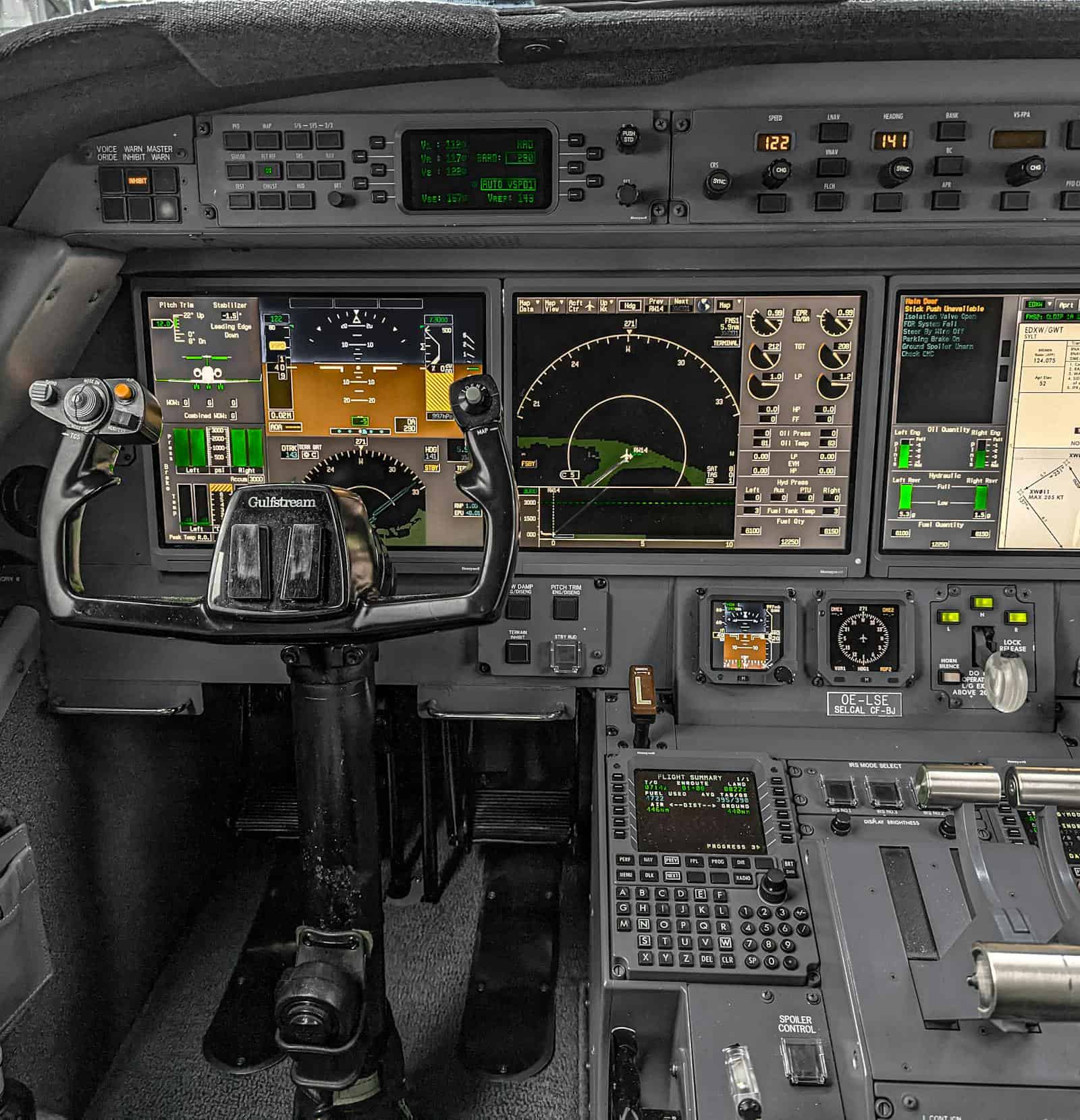
Aviation is more community than solitary discipline. The pilots who develop best engage with the broader pilot community in meaningful ways. Type clubs. Local flying groups. Online communities. Mentor relationships. Each provides perspective and learning that solo flying cannot replicate.
The community connections also support emotional aspects of flying. Aviation can isolate pilots from non-pilot friends and family who don’t share the interest. Aviation community provides peers who understand. The connections matter for satisfaction over a long career.
Resources That Support Continued Learning
Several resource categories support ongoing pilot development. The FAA Pilot Education materials provide structured learning at no cost. Aviation publications like Flying Magazine, industry publications, and General Aviation News maintain continuous coverage of relevant developments. Type-specific communities for whatever aircraft you fly share specialized knowledge that general resources cannot match.
The pilots who tap multiple resource categories develop more comprehensive understanding than those relying on single sources. Variety helps cover gaps and provides multiple perspectives on common topics.
Final Reflections on the Aviation Discipline
Aviation rewards pilots who take it seriously over decades. The discipline serves those who serve it. The pilots who give aviation their best attention, learning, and judgment generally receive in return the satisfaction, skill, and adventures that make flying worthwhile.
For every pilot reading this, regardless of experience level, the most important next action is converting reading into specific application this week. The cumulative effect of small specific actions across thousands of pilots determines what aviation looks like as a community and what it delivers for individual pilots over their flying lives. Make your contribution count.
Closing Notes on This Topic
Every aviation article connects back to the same foundations of preparation, learning, and continuous engagement with the discipline. The pilots who treat the material seriously and apply it deliberately build the kind of flying careers worth having. The pilots who treat aviation as casual recreation rarely reach the depth of skill and satisfaction that serious commitment delivers.
For pilots reading this article, the most useful action is identifying one specific change you can make based on what you read. Specific, measurable commitments produce real change. Vague good intentions rarely do.
The Long-Term View on Aviation Excellence
Aviation rewards pilots who take the long view. Skills developed deliberately over years compound. Relationships built thoughtfully sustain through career changes and life transitions. Equipment maintained well delivers decades of service. Each dimension of aviation life benefits from the patient sustained engagement that distinguishes pilots who flourish from those who eventually drift away from the discipline.
For pilots ready to take their flying to higher levels, the path forward is straightforward but requires commitment. Identify the specific dimension that matters most to you. Build a deliberate development program around it. Sustain the program through the inevitable periods when motivation flags. Track progress and adjust as needed. The cumulative effect over years produces capabilities that no single training event can deliver.
Pilot Communities That Support Long-Term Development
The aviation community offers extensive support for pilots committed to development. Type clubs provide aircraft-specific knowledge. Regional flying groups share local information. National organizations advocate for the broader interests. Online communities connect pilots across geographies. Each community type contributes something different to a well-rounded pilot life.
The pilots who engage with multiple community types develop more comprehensive support networks than those engaging with single communities. The relationships built through community engagement sustain pilots through challenges that solo pilots face alone.
Final Thoughts on This Topic
Every aviation topic worth writing about ultimately connects back to the same core principles. Preparation, learning, judgment, community. The pilots who internalize these principles regardless of specific topic build the discipline foundation that supports flying across decades. Treat each new piece of knowledge as another opportunity to deepen the foundation.