The honest answer to “how much does pilot training cost?” is a range, not a number. In 2026, the realistic cost of a private pilot license is $16,000–$25,000. The realistic cost of going from zero hours to a commercial multi-engine instrument with CFI ratings is $80,000–$140,000. The variables are real, and the pilots who budget honestly tend to finish.
This guide breaks down what each pilot certificate and rating costs, what’s included in the typical quote, where pilots routinely overspend, and how to budget realistically. The math is knowable. The pilots who treat training as a project with a real budget tend to complete; the pilots who treat it as a flexible aspiration usually run out of money before they run out of hours.
Private Pilot License (PPL): The Foundation
The PPL is where most pilots start, and the price varies based on geography, training frequency, and aircraft choice. The 2026 typical breakdown:
Aircraft rental: $150–$220 per hour for a Cessna 152 or 172. Coastal cities and high-cost markets reach $250. Instructor time: $60–$100 per hour. Total flight time: The 40-hour Part 61 minimum is rarely achieved; the national average is closer to 70 hours. Written exam prep: $250–$400 for materials. Written exam fee: $175. Designated Pilot Examiner (DPE) fee for checkride: $800–$1,200. Headset: $300–$1,500. Medical certificate: $150–$200.
Total realistic PPL budget: $16,000–$25,000. Pilots who finish in 50 hours at lower-cost markets can stay under $15,000. Pilots who drag training over 18+ months and accumulate 90+ hours commonly spend $25,000–$30,000.
Instrument Rating: The Workload Step
The instrument rating is the natural follow-on to PPL. It allows flight in instrument meteorological conditions, expands operational utility dramatically, and is required for most commercial career paths. The training is more demanding than PPL.
Training requirements: 50 hours of cross-country PIC time, 40 hours of actual or simulated instrument time, and instrument-specific instruction. Total cost ranges from $9,000–$15,000 depending on aircraft, instructor rates, and training pace. Most pilots complete the rating in 4–8 months after PPL.
The simulator question matters. Pilots who use approved BATD (Basic Aviation Training Device) or AATD simulators for instrument training can complete the rating for 15–25% less than pilots who do everything in aircraft. The simulator hours count toward the requirements, and the lower hourly cost adds up over the 40-hour instrument requirement.
Commercial Certificate: The Income Threshold
The commercial pilot certificate authorizes flight for compensation. It’s the regulatory threshold between hobby and career. Training builds on PPL and instrument with additional cross-country requirements, specific maneuvers (chandelles, lazy eights, eights on pylons), and a more demanding checkride.
Training requirements include 250 hours total time, 100 hours PIC, 50 hours cross-country, and specific commercial maneuver training. For pilots already at the 250-hour mark from instrument training and recreational flying, the commercial-specific training is typically 20–40 hours at $200–$300 per hour all-in. Pilots who don’t yet have 250 hours need to build them, which is the largest expense in the commercial path.
Total cost for the commercial certificate, assuming the pilot has the prerequisite hours: $5,000–$10,000. For pilots who need to build the 250 hours through additional rental, add another $15,000–$25,000 depending on aircraft and utilization.
Certified Flight Instructor (CFI): The Career Pivot
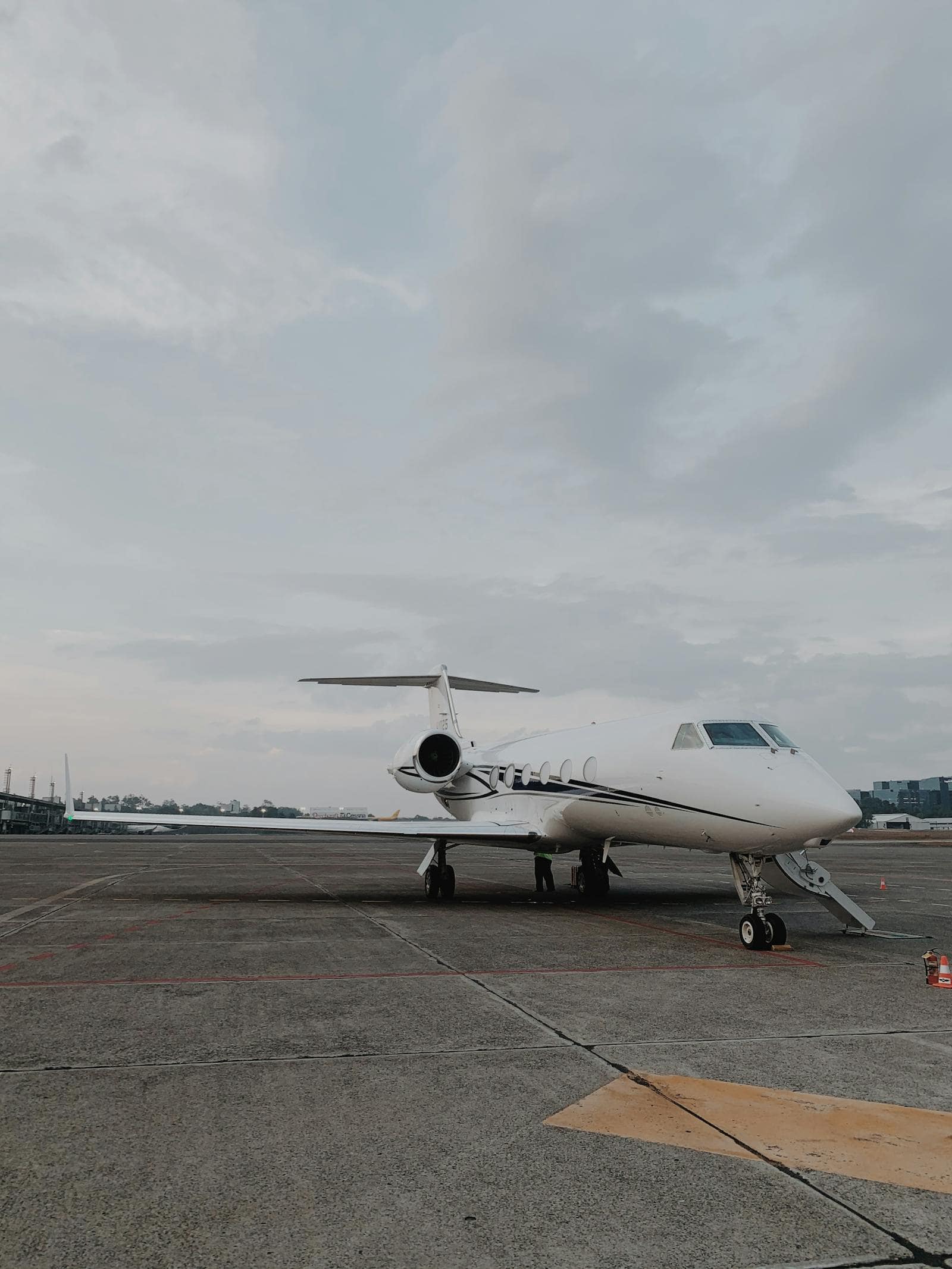
The CFI certificate is how most aspiring career pilots build hours from commercial to ATP. The training is unusual — it covers the same maneuvers as previous certificates, but from the right seat, teaching from the cockpit. The “fundamentals of instructing” exam is one of the most demanding written tests in aviation.
Training cost: $5,000–$10,000 for the CFI initial, including the ground school for fundamentals of instructing. Most CFI candidates have 250–300 hours when they start, and the training is concentrated — typically 4–8 weeks of intensive work.
Once certified, CFI work pays $30–$60 per flight hour, which means new CFIs can offset training costs by accumulating hours toward ATP minimums while earning income. The CFI economics are central to the career-pilot path.
Multi-Engine Add-On: The Specialty Rating
The multi-engine rating is typically an add-on to the commercial certificate. Aircraft used for training (Piper Seminole, Beechcraft Duchess, or older Twin Cessna) rent at $400–$700 per hour wet — substantially more than singles. Training is concentrated, typically 10–15 hours total.
Total cost: $5,000–$10,000 for the multi-engine add-on, including instructor time and the checkride. For pilots planning a regional or airline career, multi-engine experience is essential, and most pilots add it during the commercial training phase.
ATP (Airline Transport Pilot): The Capstone
The ATP certificate is the senior certificate in aviation, required for airline captain operations and many corporate positions. The training is highly structured under the ATP Certification Training Program (ATP-CTP), which is a multi-week classroom and simulator program required before the ATP written.
ATP-CTP cost: $4,000–$6,500. ATP written exam: $175. ATP checkride: typically $1,200–$2,000 plus aircraft rental for the practical (often $3,000–$5,000 in aircraft costs for the checkride preparation and exam).
The bigger cost is the 1,500-hour total time requirement (or 1,000 hours with a 4-year aviation degree, or 1,250 with a 2-year aviation degree). Building those hours through CFI work, banner towing, traffic watch, or other entry-level flying is the largest time investment in the career path, even if the per-hour cost is relatively low.
Total Career Path Cost
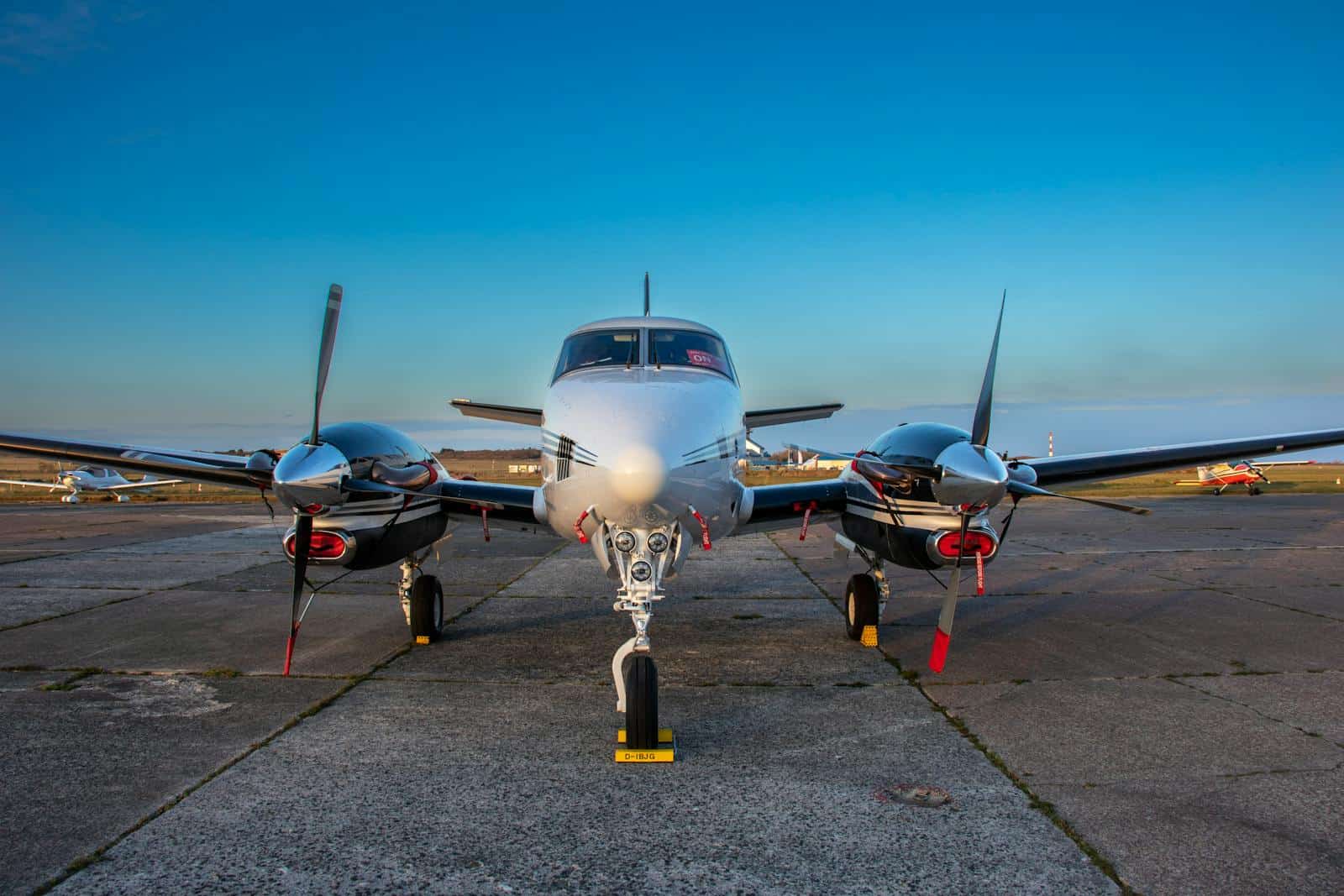
The pilots who go from zero hours to fully-rated commercial multi-engine instrument with CFI, CFII, and MEI ratings typically spend $80,000–$140,000 over 2–4 years of training. The pilots who add ATP and the time-building hours to reach 1,500 hours add another $40,000–$80,000 in aircraft costs and time investment.
The range reflects different paths. Pilots who train at university aviation programs typically pay 30–50% more for the same outcome but get structured progression and credentialing. Pilots who train at small Part 61 schools and build their hours through CFI work pay less but require more self-direction.
The financing question is real. Some flight schools offer financing partnerships with lenders specializing in aviation training. Some pilots use traditional student loans through accredited programs. Many pilots self-fund and pace their training around income. The financing decision affects the total cost meaningfully — interest on a 7-year aviation loan can add $15,000–$25,000 to the total bill.
Where Pilots Routinely Overspend
The cost overruns in flight training have predictable patterns. The biggest single driver is training pace. Pilots who fly twice a week finish efficiently. Pilots who fly once every two weeks repeat lessons because skills degrade between sessions. Across a PPL, the difference between weekly training and every-other-week training is typically $5,000–$10,000 in additional repeat lessons.
The second driver is unfocused gear purchases. New pilots routinely spend $2,000–$4,000 on headsets, kneeboards, iPads, charts, and accessories that aren’t strictly necessary for training. The cheaper alternatives work fine for the first 100 hours. The expensive gear is appropriate later, but spending it upfront is not the highest-leverage use of training budget.
The third driver is procrastinating on the written exam. Pilots who take 6 months to pass the written add training cost in two ways — they can’t checkride until the written is passed, which extends the calendar, and they fly during the delay without making forward progress. Doing the written within the first 30 days of training is the highest-leverage cost savings available.
Scholarships, Grants, and Alternative Funding
Most aspiring pilots don’t realize the scope of available scholarships and grants in the aviation industry. The Women in Aviation International, the Organization of Black Aerospace Professionals, the Civil Air Patrol, established youth aviation programs, and many regional and state aviation associations offer funding ranging from $500 to $20,000+ for specific certificate paths.
The total available scholarship money is substantial — collectively over $5 million is awarded annually across the aviation scholarship ecosystem. The challenge for applicants is finding the relevant opportunities and meeting the application deadlines, which are typically January–March for awards announced in mid-summer.
Beyond scholarships, some employers in adjacent industries (charter operators, FBO chains, regional airlines) sponsor training for promising candidates in exchange for service commitments. The Bridge Programs at regional airlines have become a meaningful funding pathway for aspiring career pilots. These programs typically cover the cost of late-stage training (commercial, CFI, multi-engine) in exchange for a service commitment to the sponsoring airline.
The Time Investment Beyond Money
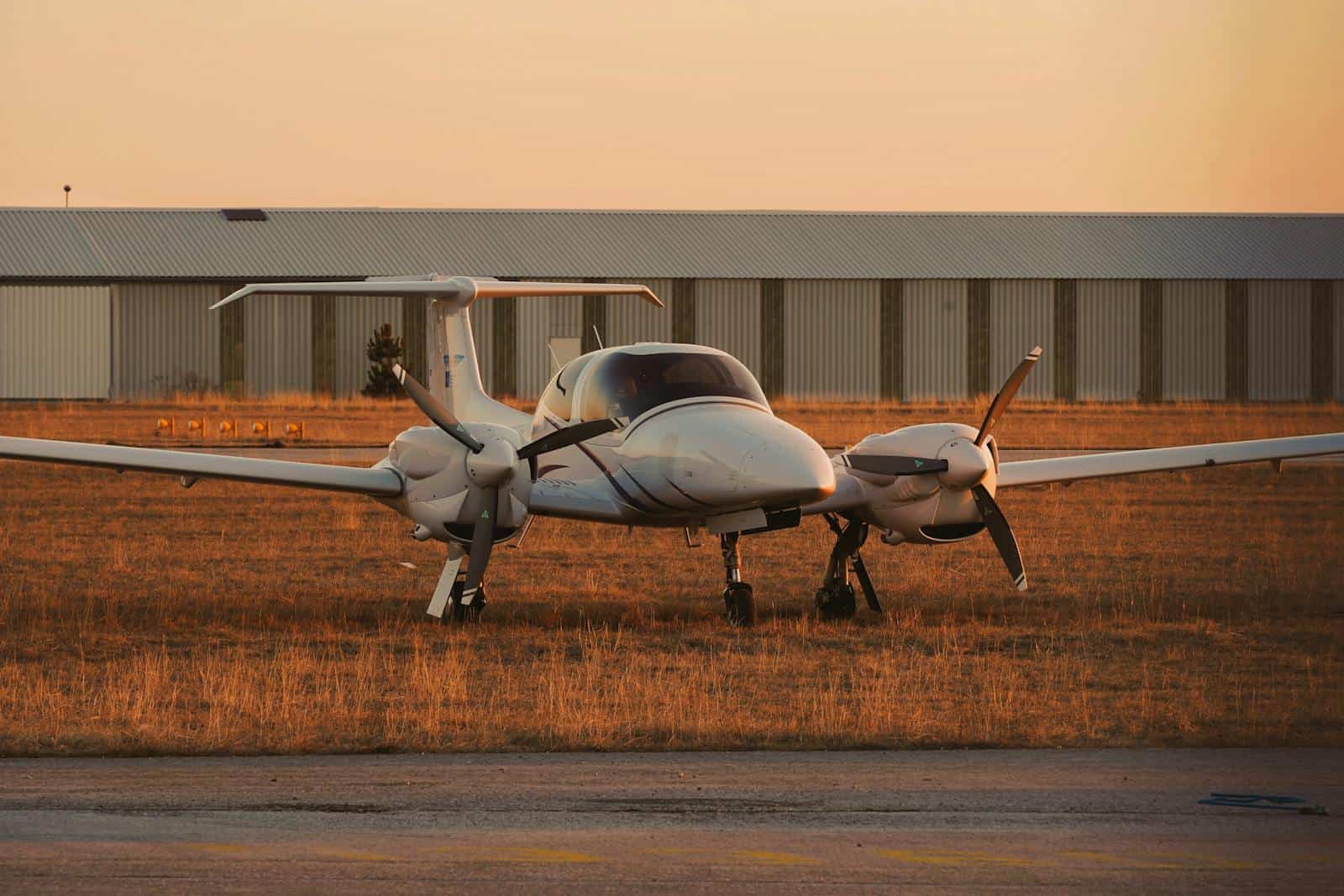
Total training cost is only one part of the equation. The time investment is the other. A motivated student earning PPL while working full-time typically commits 10–15 hours per week to training — including flight time, study, written exam prep, and lesson preparation. That time investment continues through subsequent ratings.
The pilots who finish efficiently treat training time as protected calendar time. Pilots who try to fit training around an inflexible work schedule typically struggle, take longer, and spend more. For career-track pilots, this often means making lifestyle compromises during the training years — fewer hours at outside jobs, less time for hobbies, prioritized training schedule.
The career-track math typically works out. CFI work after the commercial certificate, then regional airline transition, then major airline progression all earn back the training investment within the first 5–10 years of professional flying. For recreational pilots, the math is different — there’s no income return on the training investment, just the value of the flying.
The Career-Pilot Path in 2026
For aspiring career pilots, the 2026 landscape is more favorable than it’s been in years. Regional airline hiring is strong, major airline pipelines are open, and starting compensation has risen significantly. A new regional first officer typically starts at $50–$80 per hour with substantial bonuses for completing training and committing to a service period.
The pathway is well-defined: PPL → instrument → commercial → CFI → CFII/MEI → time-building → regional airline first officer → eventual major airline transition. The total time to reach a regional cockpit is typically 18–36 months from zero hours, depending on training pace and how aggressively the pilot builds hours.
Total cost from zero to regional first officer typically runs $80,000–$120,000, often partially offset by CFI income earned during the time-building phase. Many regional airlines now offer signing bonuses and training reimbursements that further offset the personal investment.
For recreational pilots, the career-pilot path isn’t relevant — the math is different when there’s no income return on the training investment. But understanding the cost structure helps recreational pilots evaluate their own training spending. The same lessons about training pace, gear timing, and written exam scheduling apply regardless of end goal.
Recreational vs. Career Training: The Mindset Difference
The most important distinction in pilot training budgeting isn’t the dollar amount — it’s the mindset. Recreational pilots train for the experience and the lifelong skill. Career pilots train as a financial investment with a measurable return. Both are valid, but they require different decision frameworks.
For recreational pilots, the question is “what experience am I buying for this money?” The right answer might be PPL only, PPL plus tailwheel, or PPL plus a path toward aircraft ownership. The expensive ratings (commercial, ATP) don’t deliver recreational value unless the pilot’s mission specifically requires them. Stopping at the right rating for your mission saves real money without sacrificing the flying you actually want to do.
For career pilots, the question is “what training pathway gets me to my goal at the lowest total cost and shortest timeline?” The math has to include opportunity cost (income while training), financing cost (interest on loans), and the specific certificate requirements of the target job category. University aviation programs, accelerated training programs, and self-paced Part 61 paths all have different cost-benefit profiles for career-track students.
The pilots who think clearly about which category they’re in tend to spend more efficiently. The pilots who don’t often end up over-credentialed for recreational missions (paying for ratings they don’t use) or under-prepared for career missions (skipping training that would have accelerated their path). The cost question is downstream of the mission question; getting the mission question right is where budgeting actually starts.
How to Budget Realistically
The realistic PPL budget is $20,000 with $5,000 contingency for repeat lessons and equipment. The realistic instrument rating budget is $12,000 with $3,000 contingency. The realistic commercial budget (assuming you have the prerequisite hours) is $8,000. The realistic CFI budget is $7,500.
Pilots who finish efficiently usually come in under these budgets by 10–20%. Pilots who train sporadically often overshoot by 30–50%. The single biggest variable is training pace. Treating flight training as a calendar commitment — two lessons per week, same days each week, weather-canceled lessons rescheduled within 48 hours — is what separates pilots who finish on budget from pilots who don’t.
Our take: the cheapest pilot certificate is the one you finish quickly. Every gap in your schedule costs money. The pilots who treat training like a job — show up, do the work, move forward — finish on budget. The pilots who treat training like a flexible hobby usually don’t finish at all.
Frequently Asked Questions
How much does a private pilot license cost in 2026?
Realistic budget is $16,000–$25,000, depending on location, aircraft choice, and training pace. Pilots who finish in 50 hours at lower-cost markets stay under $15,000. Pilots who drag training over 18+ months commonly spend $25,000–$30,000.
How much does it cost to become a commercial airline pilot?
From zero hours to a fully-rated commercial multi-engine instrument pilot with CFI ratings: $80,000–$140,000 over 2–4 years. Adding ATP and time-building hours to reach 1,500 hours adds $40,000–$80,000 more. University aviation programs typically cost 30–50% more for the same outcome.
What is the cheapest way to become a pilot?
Part 61 training at small flight schools with frequent (2x/week) lesson scheduling is the most efficient path. Avoiding expensive gear purchases early, doing the written exam in the first 30 days, and using simulator hours where the FAA permits all reduce total cost. Self-financing avoids the interest cost of aviation loans.
Are flight school loans available?
Yes, through several specialty lenders and through accredited university aviation programs. Interest on a 7-year aviation loan typically adds $15,000–$25,000 to the total program cost. Some students self-fund, some use traditional student loans through accredited programs, and some combine income from CFI work with self-funded continuing training.
Related Reading
Private Pilot License Guide
Step-by-step roadmap to your PPL.
Flight School Near Me: How to Find Yours
Choosing the right school for your goals and schedule.
Pilot Training Landscape Shifts
How training has evolved across all certificate paths.
Last Updated: May 14, 2026