If you fly an aircraft you don’t own, non-owned aircraft insurance isn’t optional — it’s essential. Renting from an FBO, borrowing a friend’s Piper, or flying for your employer all create personal liability exposure. However, standard aircraft owner policies don’t extend to you as the renting pilot. That gap is well-documented in the aviation insurance industry, yet most GA pilots still fly without their own coverage. The result is significant. An accident that looks like a minor repair bill can quickly turn into a personal liability claim worth far more. This guide breaks down what this coverage is, who needs it, and what to look for when you shop. Typically, most pilots who get a quote are surprised by how affordable it is. The harder question isn’t whether to buy it. Instead, it’s making sure you get the right policy structure before you ever need to file a claim.
Last Updated: May 6, 2026 | By: The E3 Aviation Editorial Team
Who Needs Non-Owned Aircraft Insurance?
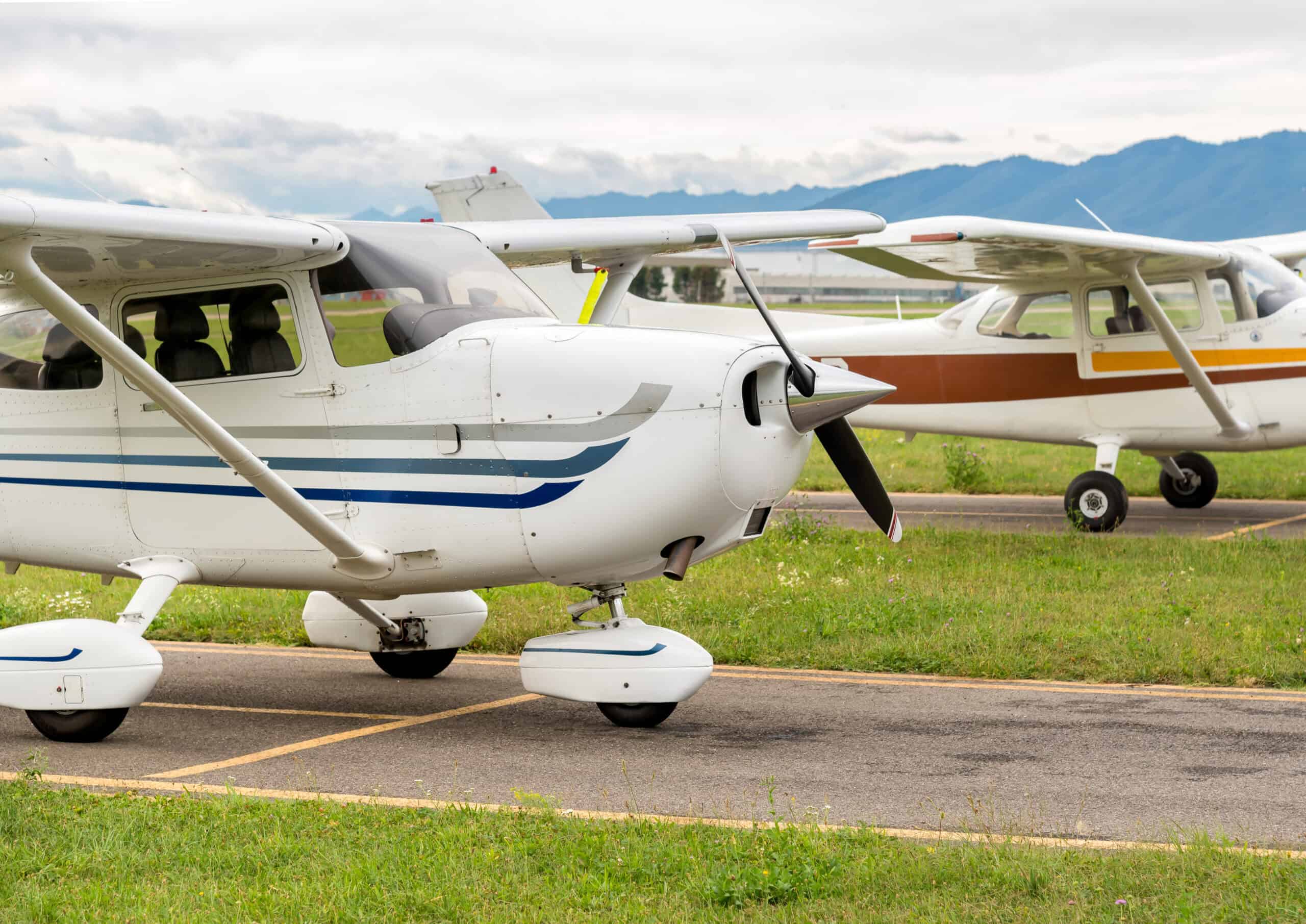
Most GA pilots assume their FBO’s policy covers them. However, that assumption is wrong — and it’s an expensive way to find out. Typically, FBO policies protect the aircraft owner’s interest in the airframe. They don’t extend liability coverage to you as the renting pilot.
Specifically, you need this coverage if you:
- Rent aircraft from an FBO or flying club
- Borrow an aircraft from a friend or colleague
- Build time as a safety pilot in someone else’s plane
- Work as a flight instructor in aircraft you don’t own
- Fly non-company aircraft on behalf of your employer
In fact, non-owned aircraft insurance fills that gap. Essentially, it covers your personal liability when you’re flying an aircraft you have no ownership stake in.
Notably, student pilots need this coverage too. Many flight schools require renters to carry their own liability policy before soloing. Your CFI’s policy covers the instructor in the right seat. However, it doesn’t cover your liability as the student at the controls during a solo flight. In fact, the exposure is real and the annual cost is modest.
Similarly, companies face the same risk as individual pilots. If an employee pilots a rented or chartered aircraft for business, the company carries liability exposure too. Corporate non-owned liability policies are standard practice at companies with active business flight operations.
What Non-Owned Aircraft Insurance Actually Covers
Essentially, this is a liability policy. It doesn’t insure the aircraft itself. Instead, it covers the financial consequences of an accident where you’re at the controls.

Third-Party Bodily Injury and Property Damage
First, consider the core coverage. Specifically, if you’re at the controls during an accident that injures someone or damages property, the policy pays third-party claims. That includes passengers, bystanders, and other aircraft parked on the ramp.
Generally, liability limits run from $1 million to $5 million per occurrence. For pilots flying near populated areas or congested airports, higher limits are worth the added premium. Single-limit policies are the most common structure. Specifically, one pooled limit covers both bodily injury and property damage from a single incident.
Legal Defense Costs
Indeed, aviation lawsuits are expensive — even when you’re not at fault. Good policies cover legal defense costs separately from the main liability limit. In practice, that distinction matters when attorney fees stack up before a case ever reaches trial.
Our take: defense costs eating into your liability limit is one of the most overlooked issues in aviation insurance. Specifically, always ask whether legal defense is inside or outside the main limit before you sign. A policy that bundles defense within the limit reduces your net coverage by whatever the lawyers cost.
What This Coverage Doesn’t Include
That said, here’s where pilots get caught off guard. This policy does NOT cover:
- Physical damage to the aircraft itself — that’s hull coverage on the owner’s policy
- Your own injuries or medical bills — that requires a personal accident policy
- Aircraft you own or co-own, even fractional interests
- Commercial or for-hire operations — those need a commercial policy
For physical damage to a rental, some FBOs offer damage waivers at the counter. However, read those carefully before signing. Specifically, taxiing incidents, prop strikes, and gear-up landings are commonly excluded even when you’ve paid for the waiver.
Renter’s Aviation Insurance vs. Non-Owned Liability
Yes, these terms are often used interchangeably — but there’s a meaningful difference worth knowing.
Renter’s aviation insurance bundles third-party liability with physical damage coverage for the rented aircraft. Typically, student pilots and recreational renters who fly one or two aircraft types go this route.
In contrast, non-owned aircraft liability covers third-party claims only. It doesn’t cover damage to the aircraft. Companies and professional pilots who fly many different aircraft types prefer this version. Notably, it works across all aircraft without type-specific damage schedules.
In practice, match your coverage to your actual risk. If you rent regularly and want protection against FBO hull claims, get renter’s insurance with physical damage coverage. Otherwise, a pure liability policy is likely the right fit.

How Much Does It Cost?
This is where most pilots are pleasantly surprised. Individual non-owned liability policies typically run $300–$700 per year for $1 million in coverage. That’s less than a single hour of rental time at many FBOs.
Specifically, factors that drive your premium include:
- Total logged flight hours and certificate level
- Aircraft types you fly — complex, high-performance, and multi-engine add cost
- Your chosen liability limit and deductible structure
- Claims and incident history
- Flying environment — mountain terrain, night IFR, or congested airspace
Generally, a pilot with 500+ hours and a clean record lands near the low end of that range. Time-builders with fewer than 200 hours pay more — underwriters price experience directly. Getting your instrument rating or completing an advanced safety course can sometimes lower your premium. Ask your broker about underwriter credits for additional training. Some underwriters also offer discounts for pilots who fly with a specific mentor or fly in a formal flying club structure. It’s worth asking — these credits add up.
For pilots who fly regularly, a dedicated non-owned aircraft insurance policy is usually worth getting sooner rather than later. Corporate policies vary more widely. Factors like number of covered employees, frequency of business flights, and aircraft types operated all affect pricing.
How to Get the Right Policy
Aviation insurance is a specialty market. Not every broker understands GA operations, and the difference between a solid policy and a weak one hides in the exclusions.
Work With an Aviation-Specific Broker
Instead of going to a generalist, find a broker who specializes in aviation. Aviation-specific brokers know the underwriters, understand type exclusions, and won’t miss coverage gaps a generalist would overlook. Publications like AVweb and Flying Magazine regularly publish guidance from aviation insurance professionals and are good resources for finding reputable brokers.
Questions to Ask Before You Sign
Before committing to a policy, get clear answers on:
- Does the policy cover all aircraft types you fly, or are there type exclusions?
- Is legal defense covered inside or outside the main liability limit?
- Does coverage apply during training flights, flight reviews, and checkrides?
- Are there currency requirements — minimum hours, recent BFR or IPC?
- How does the claims process work, and what’s the average payout timeline?
We’ll be straight with you: don’t underinsure to save a few hundred dollars per year. A $1 million limit sounds like a lot until you’re dealing with a multi-passenger accident near a populated area. Get the coverage that matches where and how you fly.
Why Your FBO’s Policy Isn’t Enough
This is the part most pilots don’t learn until it’s too late.
Typically, Of course, most pilots don’t realize how narrow FBO coverage actually is. Typically, FBO insurance covers the owner’s interest in the airframe. It does not automatically extend liability coverage to you as the renter. Specifically, many FBO policies include subrogation rights — meaning their insurer can come after you for reimbursement even after paying the owner’s claim.
That’s why your own non-owned aircraft insurance policy matters. It works as a separate protection layer that follows you as the pilot, not the aircraft. Whether you’re renting a club Cherokee on a weekend cross-country or flying a chartered turboprop on a business trip, your personal liability exposure travels with you. Essentially, you’re not insuring the aircraft. Instead, you’re insuring your personal financial liability for what happens as a result of the accident.
The NTSB’s aviation accident database consistently shows that runway and ground incidents are among the most common and costly accidents for GA pilots. For example, ground loops, hard landings, prop strikes, and taxiway mishaps account for a large share of total GA accidents — most caused by pilot error, not equipment failure. Ultimately, a policy costs a few hundred dollars per year. A lawsuit without one can cost far more.

The FAA’s pilot safety resources consistently stress risk management as a core pilot responsibility. Ultimately, insurance is part of that equation. You manage risk every flight — managing it on the ground means having the right coverage before you ever start the engine.
Common Questions About Pilot Liability Coverage
Does my homeowner’s or auto policy cover aviation incidents?
No. Standard homeowner’s and auto policies explicitly exclude aviation activities. Specifically, this exclusion covers both in-flight incidents and ground operations. You need a dedicated aviation policy for any liability coverage related to flying.
What if I only fly a few times per year — is coverage still worth it?
Yes. Low-frequency flying doesn’t eliminate your liability exposure — it just means you’re exposed less often. Several underwriters offer recreational pilot policies for pilots who fly fewer than 50 hours per year. Annual premiums are often under $400, and the coverage works the same way as any standard policy.
Can I add this type of coverage to my existing homeowner’s or renters policy?
Not typically. Aviation liability is a specialty line that standard insurers don’t write. You need to work with an aviation-specific underwriter or broker. The application process is usually simple, and coverage can often be bound within a day or two.
E3 Aviation Editorial Team
The E3 Aviation Association editorial team is made up of licensed pilots, aviation educators, and industry professionals dedicated to advancing general aviation safety, community, and education. Learn more about E3 Aviation.