In 2025, aviation insurance costs have surged, hitting general aviation (GA) owner/pilots hard. Dubbed “insurance premium shock,” this trend has gone viral online. Pilots are frustrated as quotes double, sparking discussions on platforms like X. However, solutions exist. Companies like AssuredPartners offer great deals to ease the burden. This article explores why costs are rising, their impact, and how owner/pilots can fight back. Let’s dive into this hot topic.
Why Are Aviation Insurance Costs Rising in 2025?
First, the insurance market is tightening. Insurers face losses from past claims, making them cautious. The aviation industry advocacy organizations noted this shift years ago. Now, in 2025, fewer companies cover GA risks. This lack of competition drives premiums up.
Next, inflation hits hard. Costs for parts, repairs, and labor have climbed. For instance, fixing a damaged propeller might now cost $6,000, up from $4,000. Meanwhile, liability claims—like those from storm damage—grow pricier. Insurers raise rates to offset these expenses.
Additionally, claims may be increasing. The National Transportation Safety Board (NTSB) tracks GA incidents. Though 2025 data isn’t fully available, pilots report more weather-related losses. This trend pushes insurers to adjust premiums upward.
Finally, fewer insurers mean fewer options. Some big players have exited GA coverage. Owner/pilots face higher quotes as a result. Fortunately, brokers like AssuredPartners step in, securing competitive deals for pilots.
How Aviation Insurance Costs Affect Owner/Pilots
For starters, budgets take a hit. A Piper Cherokee insured for $2,500 in 2023 might now cost $5,000. Pilots share these jumps online, fueling viral outrage. Recreational flyers feel the pinch most.
Moreover, some rethink flying. Forums buzz with questions like, “Is GA still affordable?” Rising costs dim the passion for flight. For example, a weekend pilot might ground their plane.
Meanwhile, maintenance habits shift. To save on premiums, pilots might delay upgrades. However, this raises risks. The E3 Aviation Association stresses upkeep for safety. Cost pressures tempt shortcuts.
Additionally, flight time drops. Higher insurance limits flying hours. Fewer hours dull skills, worrying safety experts. The FAA Safety Team notes rusty pilots face higher risks.
Strategies to Lower Aviation Insurance Costs
Fortunately, owner/pilots have options. One is earning extra ratings. An instrument rating proves skill, often cutting rates. The FAA details these certifications. Insurers reward training with savings.
Next, keep a clean record. No claims or violations lower risk. Pilots with spotless histories get better quotes. Likewise, thorough maintenance logs help. The E3 Aviation Association offers safety advice to stay claim-free.
Moreover, shop smart. Brokers like AssuredPartners excel here. They compare insurers to find great deals. Pilots online praise this approach. Some save hundreds by switching providers.
Additionally, plan training ahead. Instructor shortages mean slots vanish fast. Completing recurrent training impresses insurers. Book a year out to secure your spot.
Finally, consider your aircraft. Older or complex planes cost more to insure. A simpler model, like a Cessna 152, might trim premiums. AssuredPartners can guide this choice.
The Role of AssuredPartners in Tackling Costs

Interestingly, AssuredPartners stands out. As a top global broker, they specialize in aviation insurance. Their site, www.assuredpartners.com, highlights tailored solutions. They negotiate with insurers to get owner/pilots competitive rates.
For instance, they’ve helped pilots save big. A client with a Mooney M20 reportedly cut their premium by 20%. This expertise makes them a go-to for GA owners. Their scale—over 400 offices—means leverage with insurers.
Meanwhile, they offer advice. Beyond quotes, AssuredPartners suggests risk management steps. This might include safety courses or hangar storage. These tweaks lower costs and risks.
Consequently, they’re a game-changer. Pilots facing doubled quotes turn to them. Their deals keep GA affordable for many.
Community Response to Rising Costs
Notably, GA pilots rally online. X threads vent about $6,000 quotes. Yet, they also share fixes. Group insurance plans gain traction, splitting costs among owners.
Meanwhile, advocacy grows. Groups like the the homebuilt aircraft community push for fair rates. Pilots urge regulators to probe insurer practices. This united front gains momentum.
Furthermore, fly-ins spark ideas. At events, pilots swap stories and strategies. Some explore co-ownership to ease expenses. These gatherings build resilience.
Consequently, the community adapts. Tips like “use AssuredPartners” or “add a rating” spread fast. This ingenuity keeps GA thriving.
What’s Next for Aviation Insurance Costs?
Looking forward, trends may shift. If claims fall, rates could steady. However, inflation might linger. Pilots must stay proactive. Checking quotes yearly is smart.
Additionally, tech could help. Tools like ADS-B or weather apps cut risks. Insurers might lower costs for adopters. The E3 Aviation Association tracks these advances.
Meanwhile, advocacy counts. Joining aviation industry organizations or homebuilt community boosts pressure on insurers. Collective action could reshape the market.
Ultimately, preparation wins. Owner/pilots can navigate this with savvy moves. Want more? Learn more about aviation safety today! Visit AssuredPartners or FAA resources.
Tips for Managing Insurance Premium Shock

First, review your policy. Drop unneeded coverage—like excess liability. This trims costs. Discuss with AssuredPartners for tailored cuts.
Next, fly often. Active pilots get discounts. Logging 100 hours yearly might save money. It also hones skills.
Moreover, store wisely. Hangars beat tie-downs for protection. Lower weather risk sways insurers. Check airport options.
Additionally, join a club. Flying clubs can bundle insurance. This spreads risk, cutting rates. Explore local groups.
Finally, seek discounts. Multi-year deals or safety courses might qualify. AssuredPartners can spot these savings.
The Bigger Picture for GA Owner/Pilots
Beyond insurance, costs shape GA’s future. Fuel, maintenance, and hangars all rise. Yet, flying passion endures. Pilots find ways to adapt.
For example, backcountry flying booms. Viral videos show rugged strips, proving GA’s spirit. Owner/pilots keep soaring.
Meanwhile, education grows. Resources from E3 Aviation upskill pilots. Better training might ease insurance long-term.
Ultimately, community drives it. Sharing tips and deals—like AssuredPartners—keeps GA alive. Costs test grit, but spark innovation.
“For more E3 Aviation resources, be sure to visit: https://e3aviationassociation.com”
What’s Behind the Aviation Insurance Cost Surge
Aviation insurance premiums have risen substantially over the past several years. The reasons are several and interconnected — understanding them helps owner-pilots manage costs and make better insurance decisions.
Claims experience has worsened across the industry. Aircraft repair costs have escalated faster than general inflation. Replacement parts are increasingly expensive and harder to source. When an aircraft is damaged, the cost to make whole is meaningfully higher than five years ago.
Capacity has tightened. Several insurance carriers exited the aviation market following years of underwriting losses. Fewer carriers competing for the same business means less downward pressure on premiums. The remaining carriers can be more selective and price more aggressively.
Pilot demographics have shifted. The pilot population is older on average, which carriers price as higher risk. The pipeline of younger pilots hasn’t fully replaced the previous generation, contributing to age-related premium increases.
Litigation costs are rising. Even successful claim defenses now cost more than they used to. Insurers price for that environment by raising premiums and tightening policy terms.
How Premium Increases Hit Different Pilot Categories
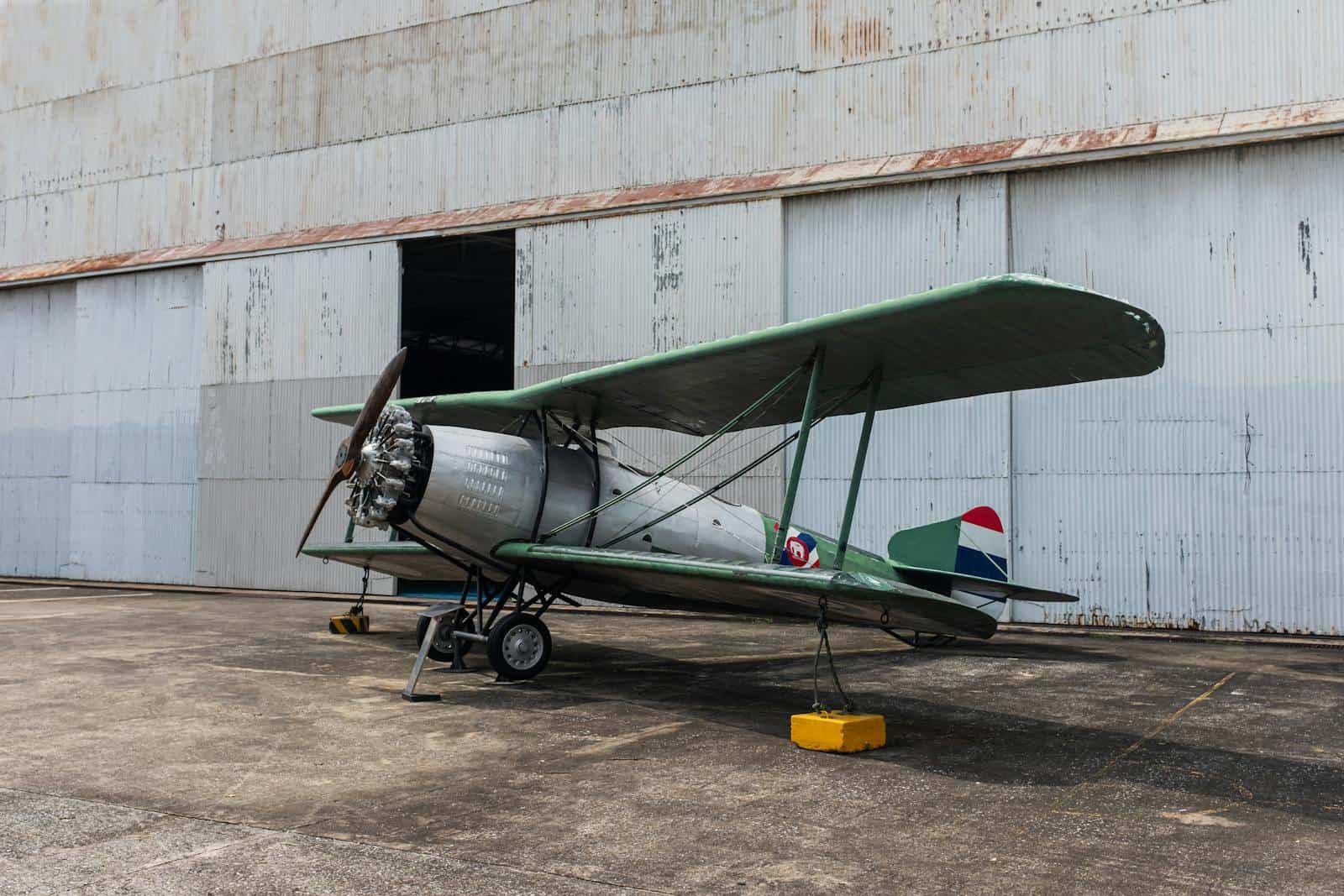
The premium increases aren’t uniform. Different pilot categories face different scales of impact.
Low-time pilots see the largest percentage increases. Carriers price low-time pilots aggressively because their claims experience runs higher. A pilot with 200 hours total time may see premiums 40-60% higher than the same coverage cost five years ago.
Pilots flying complex or high-performance aircraft face significant increases. Twin pistons, turboprops, and complex singles all attract premium increases driven by claims cost. Pilots in these categories who don’t have specific type training history face the steepest increases.
Pilots transitioning to faster or more complex aircraft find insurance harder to obtain. Some carriers now require completion of formal transition training before they’ll write coverage on a new type. Pilots without that documentation may not find coverage at any price.
Pilots with claim history face dramatic premium impacts. A single claim — even one involving minor damage — can double or triple premiums for years. Carriers have less tolerance for repeat claims than in past markets.
What Pilots Can Do to Manage Insurance Costs
Several pilot actions meaningfully reduce insurance costs. Each requires effort but the cumulative impact can be substantial.
Build flight time strategically. Carriers reward pilots with documented training time, recent currency, and stable patterns. Pilots flying 100+ hours per year typically see better rates than pilots flying 30 hours per year. The math of insurance favors active pilots.
Invest in formal type-specific training when transitioning aircraft. The few thousand dollars spent on a recognized transition course often pays back through reduced first-year premiums. Carriers value documented training history.
Maintain currency and proficiency. BFRs, IPCs, and additional training all factor into carrier risk assessment. A pilot with active continuing education shows lower claims experience than a pilot who only meets legal minimums.
Choose hull values carefully. Insuring for full replacement value matters but over-insuring creates premium without benefit. Annual review of hull values against current market keeps coverage right-sized.
Shop broker, not just price. The right insurance broker can navigate underwriter relationships in ways individual pilots cannot. The few hundred dollars in broker fees pay back through better coverage terms and pricing.
Comparing Coverage Types and Limits
Aviation insurance comes in several distinct coverage types. Understanding what each covers helps pilots make informed decisions about which to carry and at what limits.
Hull coverage protects the aircraft itself. Comprehensive hull covers damage from any cause including pilot error. Named-peril hull covers only specific events. The premium difference is meaningful — comprehensive hull on a $300,000 aircraft runs roughly twice the cost of named-peril coverage on the same airplane.
Liability coverage protects against claims by third parties. Standard policies typically include $1 million combined single limit. Higher limits ($2 million, $5 million) are available at increasing cost. Pilots flying with passengers should generally carry higher liability limits than minimum.
Passenger liability protects passengers specifically. Some policies bundle this with general liability; others charge separately. Verify that the specific coverage includes passengers — some carriers exclude passengers from base liability coverage.
Hangar-keepers and shop liability matter for pilots who let mechanics work on their aircraft, share hangar space, or perform owner-assisted maintenance. These specialized coverages often aren’t included in basic policies.
The Underwriter Relationship Matters More Than Pilots Realize
Insurance pricing involves substantial human judgment. The underwriter looking at your file makes decisions that affect premium, coverage, and even whether you can obtain coverage at all. Building positive underwriter relationships matters.
Complete applications carefully. Underwriters look at attention to detail in the application as a proxy for attention to detail in flying. Sloppy applications signal sloppy flying.
Provide complete training records. Every formal course, type-specific training, BFR, IPC, and instructor sign-off helps. Carriers reward documented training and penalize gaps in records.
Disclose accurately. Hidden claims or training gaps that emerge later cause policy cancellation and become claims history that follows you for years. Honest disclosure even of unfavorable items leads to better outcomes than hidden information.
Communicate with your broker proactively. Annual updates about training completed, hours flown, and equipment changes keep the broker positioned to advocate effectively at renewal time. Brokers represent pilots who give them ammunition; they cannot represent pilots who don’t communicate.
What the Future of Aviation Insurance Looks Like
Several trends will shape aviation insurance over the next several years. Pilots can position themselves favorably by understanding the direction.
Technology-based underwriting is expanding. Carriers increasingly use flight data, aircraft monitoring data, and AI-assisted risk assessment in pricing decisions. Pilots whose aircraft generate clean operating data may see preferential pricing. Pilots whose data shows risky patterns may face premium increases or coverage denial.
Consolidation among carriers is likely to continue. Fewer carriers means less competitive pricing pressure. The pilots and brokers who manage relationships with the remaining carriers will fare better than those who treat insurance as a commodity to shop annually.
Coverage terms are tightening. Newer policies have more exclusions, more conditions, and tighter definitions of covered events than policies issued years ago. Reading actual policy documents — not just declarations pages — matters more than it used to.
The market may eventually correct as carriers see improving claims experience or new capacity enters. Aviation insurance has cycled through hard and soft markets historically. The current hard market won’t last forever, but the timeline of the next softening is uncertain.
Practical Next Steps for Pilots Facing Premium Increases
For pilots whose renewal premiums have spiked, several practical actions can mitigate the impact. Request a detailed underwriter explanation for the increase — sometimes the reasons reveal opportunities. Get competing quotes through multiple brokers — different brokers have different carrier relationships. Verify your training history is fully documented and submitted. Consider higher deductibles to lower premiums if your financial situation permits absorbing larger out-of-pocket losses. And invest in formal training programs that carriers explicitly credit — these often pay back through reduced premiums faster than other interventions.
Aviation insurance remains one of the harder operational costs for owners to predict and control. But pilots who understand the dynamics, document their training, build relationships with brokers, and operate carefully give themselves the best chance of keeping costs manageable. The pilots paying the highest premiums are often the ones who haven’t done the basics. Closing that gap matters more than most owners realize.
For pilots facing renewal challenges right now, the most important action is to start the renewal process 60-90 days before expiration. Last-minute renewal shopping rarely produces good outcomes. The pilots who consistently get the best terms are the ones who treat insurance as an ongoing relationship rather than an annual transaction.
The aviation insurance market will eventually soften, as markets always do. Until then, smart pilots optimize what they can control: documented training, careful operations, broker relationships, and proactive renewal management. These habits separate well-insured pilots from those who pay top dollar for inadequate coverage.
The E3 Aviation Editorial Team writes for owner-pilots, student pilots, and the small aircraft community. We focus on practical, real-world content that respects your time and your training. Learn more about E3 Aviation.
Last Updated: 2026-05-10
Related Articles
For pilots and aircraft owners weighing what to do about premium increases, the practical answer is engagement and discipline. Document everything. Build relationships. Stay current. The market environment doesn’t reward passivity. The owners who do this work consistently see meaningfully better outcomes than those who treat insurance as an annual chore.
The pilot community in this country has consistently stepped up to protect aviation access when it has been challenged. That tradition continues only if each generation of pilots accepts the responsibility their predecessors carried. The work is never done.
For pilots reading this article, take one specific action this week to support aviation infrastructure in your region. Small consistent actions across thousands of pilots produce the outcomes that protect the system as a whole.