Last Updated: May 7, 2026 | By: The E3 Aviation Editorial Team
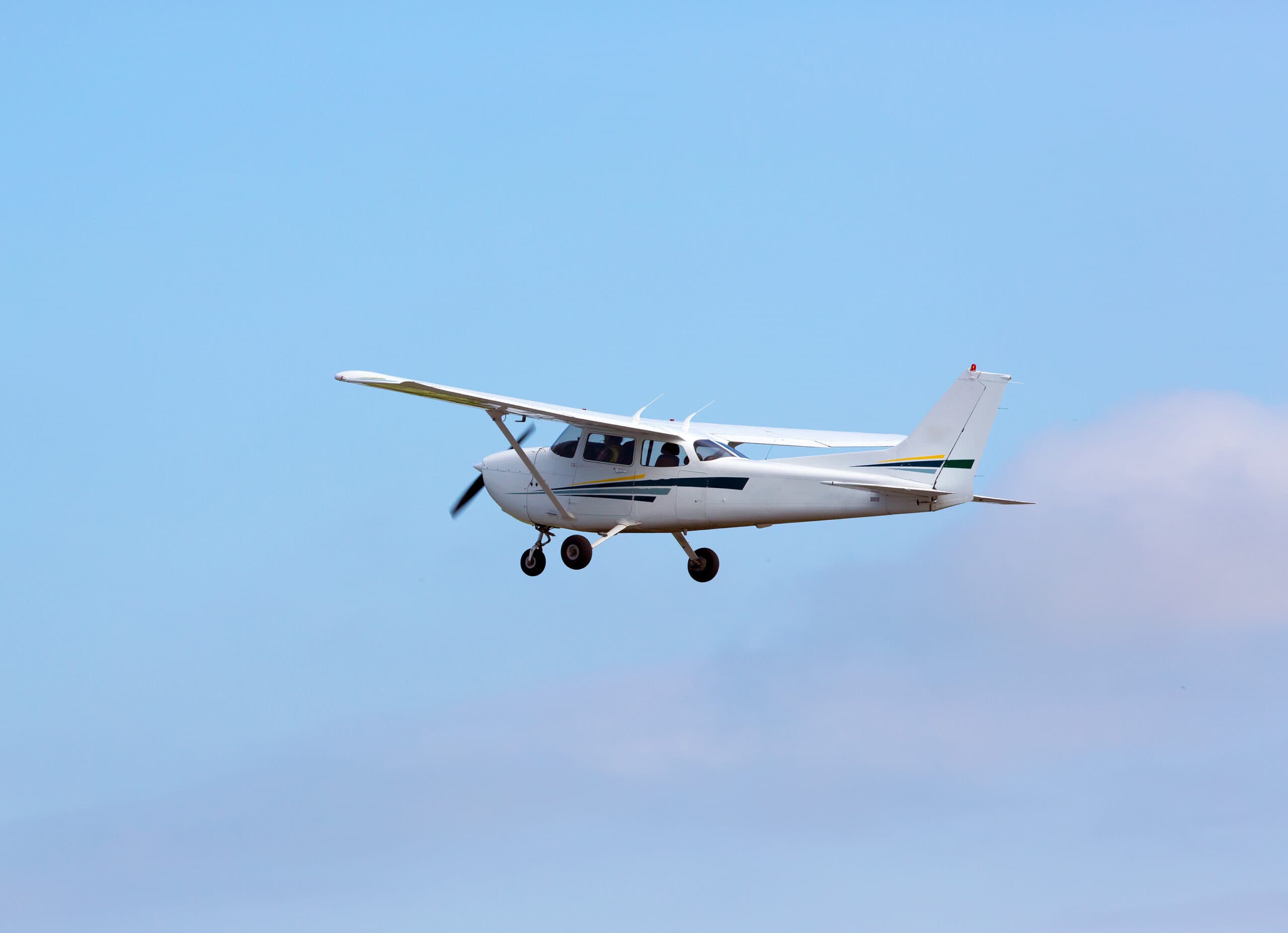

Upset recovery training teaches pilots to recognize and recover from unusual attitudes, stall-spin entries, and loss-of-control situations before they become accidents. It’s the difference between a pilot who freezes when the aircraft departs controlled flight and a pilot who reacts correctly in the seconds that matter. Stall/spin accidents account for nearly a quarter of fatal GA accidents every year. Upset recovery training is the direct countermeasure — and most GA pilots have never had any.
This post covers why upset recovery training matters, what it includes, who should get it, and how to find the right program. We’ll be straight with you: this is one of the most high-value training investments a GA pilot can make, and it’s dramatically underutilized.
What Is Upset Recovery Training?
Upset recovery training — also called UPRT, stall/spin training, or aerobatic upset training — is specialized instruction that places pilots in unusual attitudes and teaches them to recover correctly. Unusual attitudes include nose-high, nose-low, inverted or near-inverted, and high-bank-angle configurations that fall outside normal flight envelope operations. In all of these conditions, the instinctive pilot response is often wrong. Upset recovery training replaces instinct with trained response.
Specifically, upset recovery training is structured around four phases: recognition, attitude assessment, recovery execution, and prevention. You learn to identify that you’re in an unusual attitude, evaluate which recovery inputs are needed (and critically, which ones will make things worse), execute recovery correctly, and understand what conditions led to the upset so you can prevent future occurrences.
Stall and Spin Training: The Foundation
Stall and spin training is the entry point into upset recovery training. Private pilot training includes stall recognition and recovery, but many pilots complete the certificate without experiencing a full aerodynamic stall or spin entry. The practical test standards allow a “power-off stall” that barely breaks the stall threshold. That’s insufficient preparation for an actual departure from controlled flight.
Full stall/spin training places pilots in full power-off and power-on stalls, cross-controlled stall entries (the classic base-to-final accident scenario), incipient spins, and developed spins with correct recovery technique. Additionally, it includes steep spiral recovery — a separate loss-of-control scenario where the aircraft enters a steep descending spiral with increasing airspeed that can exceed VNE if not recovered promptly.
Why Most GA Pilots Are Dangerously Undertrained for Upsets
The accident record is clear. Loss-of-control inflight (LOC-I) is the leading cause of fatal GA accidents. The FAA’s 2022 General Aviation and Air Taxi Activity Survey found that LOC-I accounts for approximately 40% of fatal fixed-wing GA accidents. Stall/spin accidents specifically account for a significant portion of those LOC-I events.
Why are so many pilots undertrained for this? Several reasons compound the problem.
The Currency Illusion
FAR 61.57 requires three takeoffs and landings in the past 90 days for carrying passengers, but no currency requirement exists for stall and spin proficiency. A pilot can be legally current without having practiced stall or spin recovery in years. Furthermore, recency of stall/spin experience fades rapidly. Pilots who haven’t practiced unusual attitude recovery in 12 months are measurably slower to respond correctly when it happens unexpectedly.
The Instinct Problem
When an aircraft stalls, the natural human reaction is to push forward on the yoke to lower the nose. That’s correct. However, the stall buffet also triggers a secondary instinct to pull back — to “get the nose up.” In a power-on stall with a strong pitch-up attitude, pilots frequently apply back pressure at the worst possible moment. In a spin, pilots will often apply rudder in the direction of roll rather than opposite — exactly backward from correct technique.
Upset recovery training replaces these wrong instincts with correct trained responses. The training works, but only if you’ve done it. No amount of reading about spin recovery produces the same neural pathway as actually doing spins under instruction.
Who Should Get Upset Recovery Training?
Essentially every GA pilot would benefit from upset recovery training. However, certain pilots have the highest priority.
High-Performance and Complex Aircraft Pilots
Pilots transitioning to high-performance aircraft, retractable gear, or turboprops should prioritize upset recovery training. High-performance aircraft have departure characteristics that differ significantly from trainers. Additionally, they often cruise at higher altitudes where recovery altitude margin is more critical. Upset recovery training specific to the aircraft type prepares pilots for the handling characteristics they’ll actually encounter.
Instrument-Rated Pilots Flying in IMC
IMC upsets are particularly dangerous because pilots lose visual references that normally support attitude recognition and recovery. Unusual attitude recovery training on instruments — executed in simulators or with appropriate hood training — addresses the scenario where spatial disorientation leads to an inadvertent unusual attitude entry. Instrument-rated pilots should practice unusual attitude recovery under the hood regularly as part of their IFR currency work.
Pilots Who Haven’t Done It Since Their Checkride
If the last time you practiced stalls or incipient spin entries was your private pilot checkride, you are overdue. The skills degrade. The neural pathways weaken. A refresher upset recovery session every 12 to 24 months is a reasonable standard for pilots who want to be genuinely prepared rather than legally current.
What to Expect in an Upset Recovery Training Program

Upset recovery training programs vary in depth from a two-hour refresher to a multi-day aerobatic course. At minimum, a useful upset recovery program includes ground school covering loss-of-control accident analysis, stall aerodynamics, and recovery technique theory, followed by flight sessions that include full stalls, cross-controlled stall entries, incipient spin entries, and developed spin recovery.
Finding a Qualified Upset Recovery Training Provider
Look for instructors with documented aerobatic experience and familiarity with the specific aircraft type used for training. The UPRT industry has developed standardized curricula — the industry-standard framework is the Aviation Suppliers Association (ASA) UPRT standards. Specifically, look for instructors who can demonstrate spins, not just talk about them. An instructor who hasn’t spun an aircraft recently shouldn’t be teaching spin recovery.
Training aircraft must be aerobatic-approved or spin-approved per their Type Certificate Data Sheet. A Cessna 172 has a limited spin-approved designation (utility category, specific CG range). Most training is conducted in dedicated aerobatic aircraft — Extra 300s, Decathlons, Citabrias — because they provide full training capability including inverted flight scenarios relevant to loss-of-control events.
After the Training: Staying Current
Upset recovery training provides the neural pathway. Staying current keeps it accessible. After initial upset recovery training, schedule a refresher every 12 to 24 months. Practice stalls and incipient spin entries on your own with an instructor present during that refresher. Don’t wait until the next proficiency training to re-engage with these maneuvers. The pilots who survive loss-of-control situations are the ones who’ve practiced recovering from them.
Who Should Enroll in Upset Training First?
Upset training benefits every certificate level, but it delivers the most immediate value to instrument-rated pilots flying single-pilot IFR. These pilots regularly encounter turbulence, wake encounters, and icing situations that can induce unusual attitudes — often with degraded visual references. Knowing how to recover before spatial disorientation fully sets in is the difference between a scare and a statistic.
Primary students also benefit earlier than most instructors recommend. Introducing basic unusual attitude recovery during primary training builds habits that stick. Waiting until a pilot has hundreds of hours and established bad habits makes retraining far harder. The FAA’s Airplane Flying Handbook dedicates an entire chapter to upset recognition and recovery — the training industry just hasn’t kept pace with the guidance.
Frequently Asked Questions About Upset Recovery Training
Is upset recovery training required by the FAA?
For Part 91 GA operations, upset recovery training is not required beyond the initial stall training included in private pilot certification. However, the NTSB and FAA have both recommended broader adoption of upset recovery training in response to the persistent loss-of-control accident rate. Some Part 135 operators now require UPRT for their pilots. For GA pilots, it’s a voluntary but high-value safety investment.
How long does upset recovery training take?
A basic upset recovery training course typically takes 6 to 8 hours of ground school combined with 3 to 5 flight hours. More comprehensive aerobatic-based programs may require 10 to 20 hours over two to five days. The depth of training depends on your starting point, the curriculum, and how quickly you develop proficiency in unusual attitude recognition and recovery.
What aircraft is used for upset recovery training?
Upset recovery training uses spin-approved or aerobatic-approved aircraft. Common choices include the Cessna 152 Aerobat, American Champion Decathlon, Super Decathlon, and Extra 300. The training aircraft must be certified for spins in the utility category. Some programs use aerobatic-rated versions of common trainers; others use purpose-built aerobatic aircraft that provide exposure to full aerobatic envelope maneuvers.
Sources
Related Reading:
Spin Training: Separating Myth from Reality
Spin training generates more anxiety in GA pilots than almost any other maneuver. That anxiety is largely based on misinformation. Spins in spin-approved aircraft with a qualified instructor are not inherently dangerous — they’re a predictable aerodynamic event with a well-defined recovery technique. The danger in spins comes from encountering them unintentionally at low altitude without the training to recover immediately and correctly. That’s exactly what upset recovery training prevents.
What an Intentional Spin Feels Like
Pilots who’ve never done intentional spins often imagine them as violent, disorienting events. In practice, a spin entry in a Cessna 152 or similar trainer is a gradual process. The aircraft decelerates through the stall, the wing drops, and rotation begins. In the incipient phase — the first one to two turns — the aircraft is still transitioning into the developed spin. Recovery from the incipient phase is straightforward: full opposite rudder, forward pressure on the stick to reduce angle of attack, neutralize rudder when rotation stops, and ease out of the resulting dive. The recovery altitudes lost are predictable and manageable when the maneuver is done at appropriate altitude with an instructor present.
The Difference Between Incipient and Developed Spins
Most upset recovery training focuses on incipient spins — the early rotation phase where recovery is fastest and altitude loss is minimal. Developed spins — those that have progressed beyond two turns — have more established rotation rates and may require specific anti-spin technique that varies by aircraft type. In your training aircraft, learn both phases. In your personal GA aircraft, the operational lesson is simpler: recover at the incipient phase. Don’t let a spin develop if you can arrest it early.
Simulator-Based Upset Recovery Training
For pilots who want upset awareness without aerobatic aircraft access, full-motion flight simulators provide realistic unusual attitude training in a controlled environment. Specifically, Level D simulators used by airlines and Part 142 training centers can simulate loss-of-control events, unusual attitudes, and recovery procedures with sufficient fidelity to build meaningful neural pathways. Sim-based UPRT is not equivalent to in-aircraft upset recovery training — the physical sensation of G-forces and spatial disorientation cannot be fully replicated — but it meaningfully supplements aircraft training and is the right tool for system failure scenarios that can’t be safely replicated in an actual aircraft.
Additionally, some sim-based training providers offer partial-task trainers specifically for upset recovery training — devices that provide motion cues in the relevant axes without requiring a full Level D device. These are increasingly available at flight schools and are far more accessible than full-motion simulators. Consequently, incorporating some sim-based UPRT into your training program is feasible even if you don’t have access to an airline-grade simulator.
Aerobatic Training as Upset Prevention: The Long Game
There’s a meaningful distinction between upset recovery training and aerobatic training. Upset recovery training teaches you to recognize and recover from departures from controlled flight. Aerobatic training teaches you to intentionally place the aircraft in unusual attitudes and fly them precisely. The two overlap significantly, and aerobatic training produces pilots with substantially better upset recovery capability because they’ve spent time intentionally operating at the edges of the flight envelope under controlled conditions.
For GA pilots who want to take their upset recovery training beyond the minimum, a basic aerobatic certificate or even informal aerobatic dual instruction in an appropriate aircraft builds the same neural pathways that upset recovery training targets, plus adds the positive experience of controlled unusual attitude flight. Pilots who are comfortable doing loops and rolls have a fundamentally different response to unexpected unusual attitudes — they recognize them, they know how the aircraft behaves in those regimes, and they have practiced recovery from similar configurations.
Aircraft Choice for Upset Recovery Training
The aircraft you train in matters. Training in a Cessna 152 Aerobat provides basic spin and stall experience. Training in a Super Decathlon, Extra 300, or similar aerobatic aircraft provides exposure to the full range of unusual attitudes, including inverted flight, that a loss-of-control event might produce. If your goal is maximum upset preparation rather than just minimum certification compliance, choose training in an aircraft capable of the full aerobatic spectrum. Additionally, ensure your instructor is proficient and current in the specific aircraft — aerobatic instruction quality varies significantly with the instructor’s recency and type experience.
Above all, don’t let cost be the sole deciding factor in upset recovery training selection. A two-day program in a capable aircraft with a highly qualified instructor is worth more than four days in a basic trainer with an instructor who only does stalls. Your life is not a place to optimize for price.
E3 Aviation Editorial Team
The E3 Aviation Association editorial team includes licensed pilots, aviation educators, and industry professionals committed to advancing GA safety, community, and education. Learn more about E3 Aviation.