The Rise of Residential Airparks: A Trending Lifestyle
Residential airparks aren’t a new concept—Sierra Sky Park in California kicked things off back in 1946—but they’re enjoying a renaissance. As Flying Magazine noted on April 7, 2025, places like Western Sky Airpark are being hailed as “diamonds in the rough,” combining rugged charm with modern amenities. Why the surge? Pilots crave convenience, community, and a chance to live their passion daily.
Today, over 700 airparks dot the U.S., according to the Living With Your Plane directory. From Florida’s Spruce Creek to Wyoming’s Alpine Airpark, these communities cater to diverse tastes—some offer golf courses, others boast backcountry vibes. What ties them together is the runway-as-a-street vibe, where taxiing to your garage is as normal as driving a car. For many, it’s the ultimate upgrade from renting hangar space at a busy municipal airport.
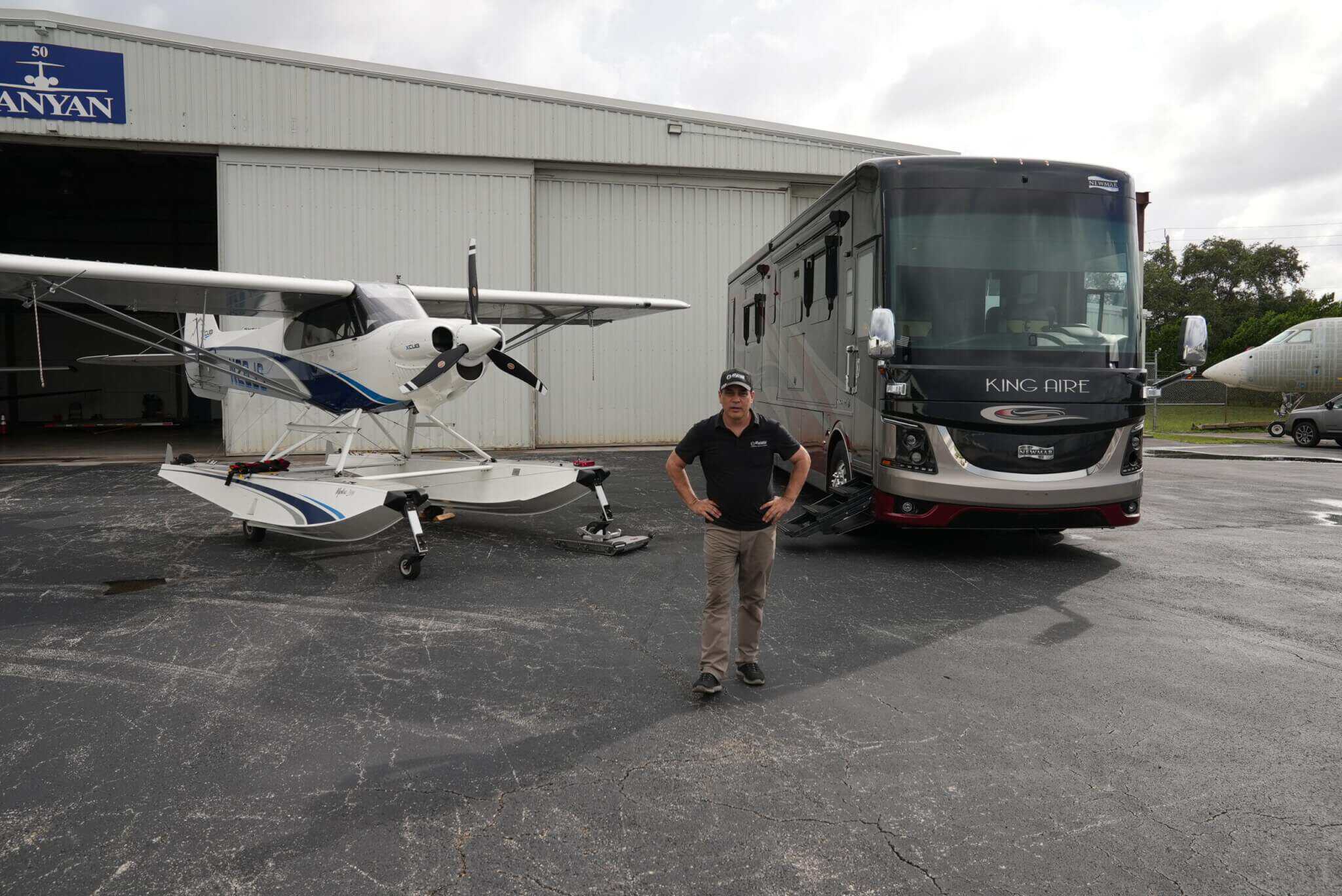
Take Western Sky, for instance. Nestled in Arizona’s Sonoran Desert, its 3,500-foot paved runway and RV-friendly lots appeal to pilots who want adventure without sacrificing comfort. It’s not just about flying—it’s about a lifestyle where your plane is part of the family. Curious about airpark options? The E3 Aviation Association community page has resources to explore.
Aviation pros note another perk: property value. Airparks often hold or grow in worth thanks to their exclusivity. A 2023 study by Aviation Real Estate Specialists showed airpark homes appreciating 15% faster than nearby non-aviation properties. It’s a smart investment for pilots who live to fly.
However, it’s not all blue skies. Some airparks face zoning battles or maintenance costs, so research is key before you commit. Still, the trend is clear—pilots are flocking to these communities for a life that’s uniquely theirs.
 A Day in the Life: What Airpark Living Feels Like
 A Day in the Life: What Airpark Living Feels Like
Imagine this: You roll out of bed, glance at your hangar through the kitchen window, and decide it’s a perfect day for a flight. No commute to the airport, no hassling with tiedowns—just you, your plane, and the open sky. That’s airpark living in a nutshell.
Take Bill, a retired private pilot at Western Sky Airpark. He starts his mornings with a quick preflight, then hops in his Piper Cherokee for a scenic jaunt over the desert. By noon, he’s back home, grilling with neighbors who’ve landed their own planes nearby. “It’s like a car guy living above his garage,” he says, “but with wings.”
Community is the heartbeat here. Airparks foster tight-knit bonds among residents who share a love for aviation. Evening hangar chats, impromptu fly-outs, and group maintenance days are common. At Spruce Creek, Florida—home to over 600 aircraft—residents even host an annual fly-in that draws hundreds. It’s a social scene you won’t find at a typical FBO.
Practical tip: Keep your plane ready for spontaneous trips. Many airpark pilots swear by portable solar chargers to keep batteries topped off—especially handy in remote spots like Western Sky.
Lifestyle shifts are real too. You might trade city conveniences for rural tranquility, but the payoff is worth it. Grocery runs might mean a 20-minute flight to town instead of a drive—a perk bush pilots especially appreciate.
Features That Define Airpark Living
Runways and Hangars: The Essentials
Every airpark revolves around its runway. Western Sky’s 3,500-footer is paved and lit, handling everything from Cubs to light twins. Others, like Oregon’s Sunriver, offer 5,000-plus feet for bigger birds. Hangars often double as homes—think loft-style living above your aircraft—or sit steps away, keeping your plane secure and accessible.
A little-known perk? Many airparks have “through-the-fence” deals with nearby public airports, easing maintenance woes. Check local regs though—FAA policies can complicate these setups.
Amenities Beyond Aviation
Airparks aren’t just about flying. Western Sky boasts an RV park for visiting pilots, while Alpine Airpark in Wyoming sits near trout streams and national forests. Spruce Creek ups the ante with a golf course and dining. These extras make airparks livable for spouses or kids who might not share your wing obsession.
Pro tip: Visit before buying. Chat with residents to gauge the vibe—some airparks lean social, others quiet. The E3 events page lists fly-ins where you can scope out communities firsthand.
Community Spirit
The real magic is the people. Airparks attract a mix—retirees, working pilots, even aviation-curious non-flyers. At Western Sky, neighbors swap stories over campfires, blending Old West charm with hangar talk. It’s a place where your passion finds its tribe.
A 2024 aviation industry organizations poll found 82% of airpark residents cite “sense of belonging” as their top reason for staying. That’s no surprise—where else can you debate Lycoming vs. Continental over a beer, then fly out together the next morning?
 Trends Shaping the Future of Airpark Living
 Trends Shaping the Future of Airpark Living
The airpark boom isn’t slowing down. One trend? Sustainability. Solar-powered hangars and electric aircraft chargers are popping up, especially in eco-conscious states like Oregon. Imagine charging your e-plane while sipping lemonade on your porch—futuristic yet totally doable.
Another shift is hybrid communities. Developers are pairing airparks with RV or boating facilities, like Western Sky’s setup, appealing to adventurers who mix flying with other pursuits. It’s a nod to pilots’ restless spirits.
Training innovations are trickling in too. Some airparks now host flight schools or sim centers, perfect for rusty pilots or newbies. E3’s flight training resources can point you to programs near your dream airpark.
Meanwhile, residential airparks are going global. Australia’s Whitsunday Airport community, for instance, mirrors Western Sky’s appeal with tropical flair. The lifestyle’s universal draw is undeniable.
Challenge ahead? Keeping airparks pilot-focused. As non-flyers buy in for the novelty, some communities risk losing their aviation soul. Smart HOAs—like Western Sky’s—prioritize aircraft-owning residents to preserve the culture.
Making the Move: Tips for Aspiring Airpark Residents
Ready to join the airpark life? Start by matching your needs to a community. Love solitude? Western Sky’s desert setting might call you. Prefer bustle? Spruce Creek’s 1,500 homes could fit. Use E3’s sitemap to dig into options.
Budget matters too. Lots at Western Sky start around $50,000, while hangar-homes can hit $500,000-plus elsewhere. Factor in HOA fees—often $200-$1,000 yearly—for runway upkeep. It’s pricier than a tiedown, but the lifestyle’s unmatched.
Visit in person. Fly in, walk the taxiways, and talk to locals. A weekend at Western Sky’s RV park could seal the deal—or reveal quirks like spotty cell service. aviation industry organizations’s airpark guide is a solid starting point.
Finally, embrace the shift. Airpark living trades some conveniences for aviation bliss. If you’re okay flying to town or hosting poker night in a hangar, you’ll thrive.
Conclusion: Why Airpark Living Soars
Residential airparks like Western Sky Airpark offer more than a home—they deliver a lifestyle where aviation weaves into daily life. From the convenience of runway access to the joy of a like-minded community, it’s a pilot’s paradise. Trends like sustainability and hybrid amenities only sweeten the deal, ensuring airparks evolve with modern flyers.
Ready to explore this world? Dive into the aviation community at E3 Aviation Association. Whether you’re a private pilot, bush flyer, or enthusiast, there’s a spot for you among the hangars. For more E3 aviation resources, be sure to visit https://e3aviationassociation.com.
Top Websites to Find Residential Airparks in 2025
Residential airparks, like the trending Western Sky Airpark featured in Flying Magazine on April 7, 2025, offer pilots a unique lifestyle blending flying and living. Whether you’re a private pilot, bush flyer, or aviation enthusiast, these websites will help you discover fly-in communities across the U.S. and beyond. Here’s an exhaustive list of resources to explore airparks, from directories to real estate specialists.
Directories and General Resources
- Living With Your Plane – A leading directory with over 700 U.S. airparks, updated regularly. It’s a goldmine for finding communities like Western Sky Airpark, with details on runways and amenities.
- AirparkMap.com – Created by aviation real estate expert Erik McCormick, this site offers a searchable map and listings, including properties for sale at airparks nationwide.
- aviation industry organizations Residential Airparks Guide – The Aircraft Owners and Pilots Association provides a curated list and insights for pilots eyeing airpark life.
- FAA Airport Data and Information Portal (ADIP) – Not a traditional directory, but a technical resource for runway specs and airport info, useful for verifying airpark details.
- Bifold Fly-In Communities – A list of airparks across the U.S. and Canada, maintained by Schweiss Doors, with an option to submit unlisted communities.
Real Estate and Sales Platforms
- Aviation Acres – Specializes in airpark properties and communities, with listings for homes and lots near runways.
- RunwayRealtors.com – Focuses on Texas airparks but includes broader listings, ideal for finding hangar homes and taxiway lots.
- Arizona Real Estate (Airpark Section) – Highlights Arizona airparks like Western Sky, with homes featuring runway access.
- AviationRealEstate.com – A marketplace for aviation properties, including airpark homes, hangars, and land, tied to AirparkMap.com.
- VREF Fly-In Communities – Offers a guide to top airparks with real estate insights, perfect for buyers and dreamers alike.
Community and Regional Websites
- Hidden Valley Airpark – A North Texas airpark’s official site, showcasing community life and available lots.
- Meadow Creek Airpark – Chicagoland’s exclusive airpark site, detailing homes and runway access near Chicago.
- Brookeridge Airpark – Near Chicago, this site highlights a gated community with paved and turf runways.
- Elk River Club – Features a private airstrip in North Carolina, blending mountain living with aviation.
- Arizona Pilots Association (Airparks Section) – Lists Arizona airparks like Western Sky, with resident stories and details.
Aviation News and Lifestyle Magazines
- Flying Magazine – Regularly covers airparks (e.g., Western Sky on April 7, 2025), with articles on trends and communities.
- General Aviation News – Reports on airpark growth, like the 700+ listed in their 2024 update, with lifestyle features.
- Plane & Pilot Magazine – Offers airpark spotlights and real estate tips for pilots seeking this lifestyle.
Global and Niche Airpark Resources
- Flying Magazine Global Airparks – Explores international airparks, from Canada to South Africa, expanding your search beyond the U.S.
- Tailwind Airpark – A specific Texas airpark site, but a model for finding individual community pages.
- Holley Mountain Airpark – Arkansas-based, offering a glimpse into Ozark airpark living and sales.
Tips for Using These Resources
Start with directories like Living With Your Plane for a broad overview, then narrow down with real estate sites or regional pages. Cross-check runway data via the FAA’s ADIP if you’re serious about a spot. For community vibes—like Western Sky’s desert charm—visit airpark-specific sites or forums like Pilots of America. Want more? The E3 Aviation Association community page connects you to fellow airpark enthusiasts.
What Residential Airparks Actually Are
A residential airpark is a community where homes are arranged around a private or shared-use airfield, with taxiway access from each home directly to the runway. Owners can taxi their aircraft from hangar-equipped homes to the runway and depart without visiting a public airport.
The concept dates back decades, with classic communities like Spruce Creek Fly-In near Daytona Beach establishing the template. Modern airparks span from small communities of 20 homes to large developments with hundreds of properties, multiple runways, and substantial aviation infrastructure.
Property values in residential airparks reflect the unique amenity. Comparable square footage typically sells for 20-40% premium over similar non-airpark properties in the same region. Hangar capacity, runway length, and community amenities all factor into the pricing.
The Lifestyle Realities of Airpark Living
Living at a residential airpark sounds idyllic — and for many residents, it is. But the reality includes both benefits and trade-offs worth understanding before committing to the lifestyle.
The benefits are real and significant. Walking from kitchen to cockpit shortens flying trips dramatically. No more driving to the airport, no FBO fees, no formal check-ins. Spontaneous flying becomes practical in ways it never is for off-airport pilots. The aviation community around you shares your interests at depth few other communities can match.
The trade-offs include cost (higher purchase prices, hangar maintenance, runway assessments), location (most airparks are 30-60 minutes from major metro amenities), and lifestyle constraint (your social circle becomes heavily aviation-focused, which may or may not appeal). Some pilots love the immersion; others find it limiting.
Aircraft noise is sometimes a concern but typically less than expected. Residential airparks have community norms about operating hours and engine run-ups that keep noise reasonable for residents. The pilots who chose to live there understand the trade-offs.
Notable Residential Airparks Across the United States
Several airparks have established reputations that draw pilot families from across the country. Each has distinct characteristics that suit different pilot lifestyles.
Spruce Creek Fly-In near Daytona Beach, Florida remains the most famous and largest residential airpark in the country. With over 600 homes, multiple paved runways, restaurants, and amenities, it functions almost as a small city centered on aviation.
Cameron Airpark in California Gold Country provides a different feel — smaller, more rural, with a tight community. Property values are lower than coastal airparks but the lifestyle is equally satisfying for residents who fit the community.
Independence Airpark in Oregon serves pilots in the Pacific Northwest with year-round (if not always VFR) flying capability. The combination of mountain access, Pacific Coast proximity, and community feel makes it a favorite.
Air Ranch communities in Idaho and Montana cater to backcountry pilots with grass runways and immediate access to surrounding mountain terrain. These tend to be smaller communities with seasonal patterns of activity.
Financial Considerations of Airpark Ownership
The financial picture of airpark ownership involves several components beyond standard residential real estate.
Purchase price reflects the airpark premium plus standard real estate market dynamics. In high-demand airparks, properties sell quickly when listed. Less popular airparks may sit on market longer but offer better value relative to amenities.
Annual HOA or community fees fund runway maintenance, common area upkeep, and shared infrastructure. Fees range from $500 per year at small airparks to $5,000+ at large ones with extensive amenities. Periodic special assessments for runway resurfacing or major infrastructure projects add to the cost.
Hangar maintenance is the owner’s responsibility. Roof, doors, electrical, and concrete all need periodic attention. Plan for $1,000-$3,000 in average annual hangar costs over the long term.
Insurance considerations differ from standard residential. Aircraft hangar coverage may be separate from home coverage. Liability for runway operations is community-managed in well-run airparks. Verify coverage before committing.
Is Airpark Living Right for You?
The honest answer: airpark living works wonderfully for some pilots and frustratingly for others. The factors that predict good fit are fairly specific.
Pilots who fly 100+ hours per year benefit most from the convenience. The friction reduction matters at higher flying frequencies. Pilots flying 30 hours per year may not extract enough value from the daily airpark amenity to justify the cost premium.
Family configuration matters. Spouses who don’t fly may find airpark communities limiting. Children may or may not enjoy growing up in a aviation-focused environment. Honest conversation about lifestyle preferences before committing prevents regret later.
Career flexibility helps. Most airparks are 30+ minutes from major employment centers. Remote work or location-flexible careers fit airpark life better than jobs requiring daily commutes to urban centers.
Honestly, this is where the best decisions involve trying before committing. Many airparks offer rental properties for visiting pilots. Spend a week or month before signing a purchase agreement. The lifestyle reveals itself quickly.
How to Find and Evaluate Airpark Properties
Several resources help prospective buyers find airpark properties matching their needs.
Airpark-specific listing sites like Living With Your Plane and Hangar Properties aggregate listings across multiple airparks. These platforms make initial discovery easier than searching general real estate sites.
Aviation-focused real estate agents specialize in airpark transactions. These agents understand the unique considerations and can guide buyers through community-specific requirements (some airparks have approval processes for new owners).
In-person visits matter enormously. Photos and video can’t capture community feel. Attend a fly-in or community event at airparks you’re considering. Talk to existing residents about their experience. The honesty of these conversations shapes good decisions.
Verify aviation infrastructure carefully. Runway condition, lighting (if any), fuel availability, maintenance access, and weather considerations all affect daily flying. Communities with deteriorating infrastructure should be approached cautiously regardless of purchase price.
The E3 Aviation Editorial Team writes for owner-pilots, student pilots, and the small aircraft community. We focus on practical, real-world content that respects your time and your training. Learn more about E3 Aviation.
Last Updated: 2026-05-10