In the high-stakes world of aviation, aircraft fire safety stands as a critical shield against disaster. A single spark can escalate in seconds, threatening lives and aircraft. This guide explores the types of fires, prevention strategies, onboard response techniques, and the vital role of airport firefighting teams. Whether you’re a pilot, enthusiast, or aviation professional, mastering these elements deepens your understanding of safety systems. Let’s dive into why preparation is everything in keeping the skies secure.
Understanding Aircraft Fires
Aircraft fires come in various forms, each with unique triggers and risks. Engine start fires often stem from fuel leaks or backfires, as noted in the “Emergency Strategies” Manual. For example, a Cessna 152 might experience a fire during startup due to over-priming, causing a loud bang and fuel odors. In-flight engine fires can erupt from oil starvation or exhaust system failures, while electrical fires spark from chafed wires or short circuits. Post-crash fires, fueled by jet fuel and cabin materials, are the deadliest, with 40% of fatalities linked to smoke inhalation, per FAA data. A little-known fact: loose screws in wiring harnesses can ignite fires by causing arcing. Brake fires during taxi, often unnoticed in low-wing planes, add another layer of risk. Understanding these scenarios is the first step in effective fire safety planning, as outlined by E3 Aviation Association.
Preventing Fires Before They Start
Prevention is the backbone of aircraft fire safety, starting with rigorous pre-flight checks. Pilots should inspect for fuel leaks, oil drips, or electrical issues like over-voltage. The Manual emphasizes checking exhaust stacks for cracks, as these can ignite fuel vapors. Regular maintenance, including replacing chafed wires and cleaning oily engine bays, reduces risks. Fire-retardant cabin materials, such as Nomex upholstery, slow flame spread, while accessible Halon extinguishers—preferred for their lightweight effectiveness—are a must. A secret tip: some mechanics use UV lights to detect hidden fuel leaks, catching issues invisible to the naked eye. Pilots should also wear flame-resistant clothing, like Nomex gloves, and avoid synthetics that melt onto skin.
Responding to Fires Onboard
When a fire breaks out, quick action is critical. The Manual outlines a four-step approach: find the nearest exit, snuff the source, clear the air, and evacuate. For engine start fires, cranking the engine might suck flames back, but if unsuccessful, pilots should cut fuel and evacuate. In-flight engine fires require shutting off fuel, closing cabin heat (e.g., the V35 Bonanza’s Vent Shutoff), and descending rapidly—up to 4,000 feet per minute in high-performance singles. Electrical fires demand cutting the master switch and using a Halon extinguisher, avoiding water to prevent worsening the blaze. Post-crash, immediate evacuation is key, with extinguishers used to hold flames at bay. A surprising insight: many pilots don’t realize their extinguisher is unreachable in flight due to seat positioning. Practicing retrieval during ground tests can save seconds. For detailed emergency protocols, check E3 Aviation Association’s emergency procedures.
Special Scenarios: In-Flight and Ground Fires
Different fire scenarios demand tailored responses. During takeoff, smelling smoke warrants an immediate abort, as the Manual advises, even if it risks runway overrun. In-flight cabin fires in instrument conditions (IMC) pose a unique challenge, requiring pilots to cut power, extinguish flames, and maintain level flight until visibility clears. Brake fires during taxi, often caused by overheated rotors and leaking fluid, can go unnoticed until Tower reports smoke. A lesser-known tactic: unlatching the door during descent vents smoke without fully opening, aiding visibility. For twin-engine aircraft, wing fires (linked to engine issues) require slipping to keep flames away from fuel tanks. These nuanced responses highlight the need for memorized procedures, as checklists may be inaccessible mid-crisis. Explore more on handling complex scenarios at E3 Aviation Association’s advanced training resources.
Airport Rescue and Firefighting (ARFF) Support
Airport rescue and firefighting (ARFF) teams are the last line of defense in aircraft fire safety. Equipped with specialized trucks and fluorine-free foam, ARFF crews can douse jet fuel fires in minutes. FAA mandates ensure airports have emergency plans and trained personnel, with response times as low as three minutes for major hubs. A hidden gem: some ARFF units use infrared cameras to detect hotspots in wreckage, preventing re-ignition. Coordination with onboard crews is seamless, with ARFF often guided by pilots’ mayday calls (squawking 7700). Real-world cases, like the 2024 Haneda Airport collision, show ARFF’s critical role in saving lives. For a closer look at ARFF operations, see E3 Aviation Association’s ARFF overview.
Lessons from Real-World Incidents
Real incidents underscore the stakes of aircraft fire safety. The Manual cites NTSB data showing 122 significant fires over a decade, with 80 in-flight and 42 on the ground. In-flight fires caused 25 fatalities, but over half had minor or no injuries, proving quick action works. A 2015 DHC8-200 incident involved an unextinguished windshield fire, leading to evacuation, while a 2024 hot air balloon crash in Brazil killed eight due to fire. A pilot’s story from industry sources describes surviving a cockpit fire by cutting power and landing immediately. These cases highlight the need for vigilance and training. The data also reveals a trend: undetected ground fires, like those before takeoff, can be catastrophic if ignored.
Equipping for Safety
The right tools are vital for fire response. Halon extinguishers, though no longer produced, remain the gold standard for cabins due to their effectiveness, per the Manual. CO2 units work for ground engine fires but risk cold shock to electronics. Dry chemical extinguishers are versatile but cloud the cockpit. A pro tip: sweep extinguishers in small circles at the flame’s base to avoid flashback with fuel fires. Smoke hoods and personal breathing equipment (PBE) can buy critical seconds in toxic smoke. Pilots should practice retrieving these tools in flight, as split-second access matters. Training with a skilled instructor ensures readiness for these high-pressure moments.
Conclusion and Next Steps
Aircraft fire safety blends preparation, swift response, and expert support to protect lives and aircraft. From preventing fires with thorough checks to tackling in-flight blazes with memorized steps, every action counts. ARFF teams provide a critical safety net, turning chaos into control. The big idea? Knowledge and practice transform fire risks into manageable challenges. Take the next step: visit www.e3aviationassociation.com to explore training resources and sharpen your skills. Practice emergency drills, inspect your aircraft, and stay ready for the unexpected.
For more aviation resources and insights, be sure to visit: https://e3aviationassociation.com/category/aviation-articles/
External Links
- FAA – Aircraft Rescue and Fire Fighting
- aviation industry organizations – Aircraft Fires
- SKYbrary – Fire in the Air
- FAA Fire Safety – Background
- Aviation Safety Magazine – Preventing In-Flight Fires
What Aircraft Fire Safety Actually Requires
Aircraft fire is one of the most feared emergencies in general aviation. Understanding what fires actually look like, where they originate, and how to respond shapes the difference between bad outcomes and successful emergencies.
Engine fires during startup are the most common GA fire scenario. The cause is usually fuel pooling in the carburetor or intake system, then igniting at engine start. Cessna 172 and other carbureted aircraft are particularly susceptible.
Electrical fires happen in flight more commonly than pilots expect. Aging wiring insulation, overloaded circuits, and unrepaired chafing all create failure paths. The smell of burning insulation is the first warning.
In-flight engine fires represent the most dangerous category. The pilot’s response affects survival significantly. Standard checklists exist for the immediate actions and should be memorized to muscle-memory level.
Post-impact fires create survivor risk after otherwise survivable accidents. Time to evacuate is short. Familiarity with door release mechanisms and seat belt operation under stress determines outcomes.
Equipment and Training That Matters
Several pieces of equipment and training significantly improve fire response outcomes for GA pilots.
Fire extinguishers in the cabin are required for some operations and prudent for all. Halon-equivalent extinguishers in compact form fit most GA aircraft. They should be mounted within pilot reach.
Fire-resistant flight clothing is uncommon in GA but worth considering. Cotton and natural fiber garments resist ignition better than synthetics. Avoid synthetic clothing during long flights when fire risk concerns you.
Egress training rarely happens for GA pilots but matters enormously. Practicing door operation, seat belt release, and rapid egress from each seat position takes minutes per session and builds the muscle memory that saves lives during real emergencies.
Smoke detector retrofit kits exist for some GA aircraft. Modern lightweight detectors fit in the panel or overhead. They provide critical seconds of warning that pilots otherwise don’t have.
The Decision Framework for In-Flight Fire
In-flight fire creates one of the most time-critical decisions in aviation. Several specific frameworks help pilots respond effectively.
The fundamental priority is to land within minutes, not hours. Choose any reasonable landing surface within reach. Highways, fields, and water are all preferable to fighting a fire to a planned airport.
Electrical fire response starts with master switch off. Powering down the electrical system removes the ignition source for most electrical fires. The trade-off is loss of avionics and communications, but extinguishing the fire matters more.
Engine fire response follows aircraft-specific checklist procedures. Mixture cut-off, fuel selector off, and emergency descent characterize most procedures. Practice these on the ground until they’re automatic.
Cabin fire response prioritizes ventilation control. Opening vents to extreme positions can worsen fires; closing them can starve fires of oxygen but also reduce visibility. Aircraft-specific guidance matters.
Pre-Flight Fire Risk Assessment
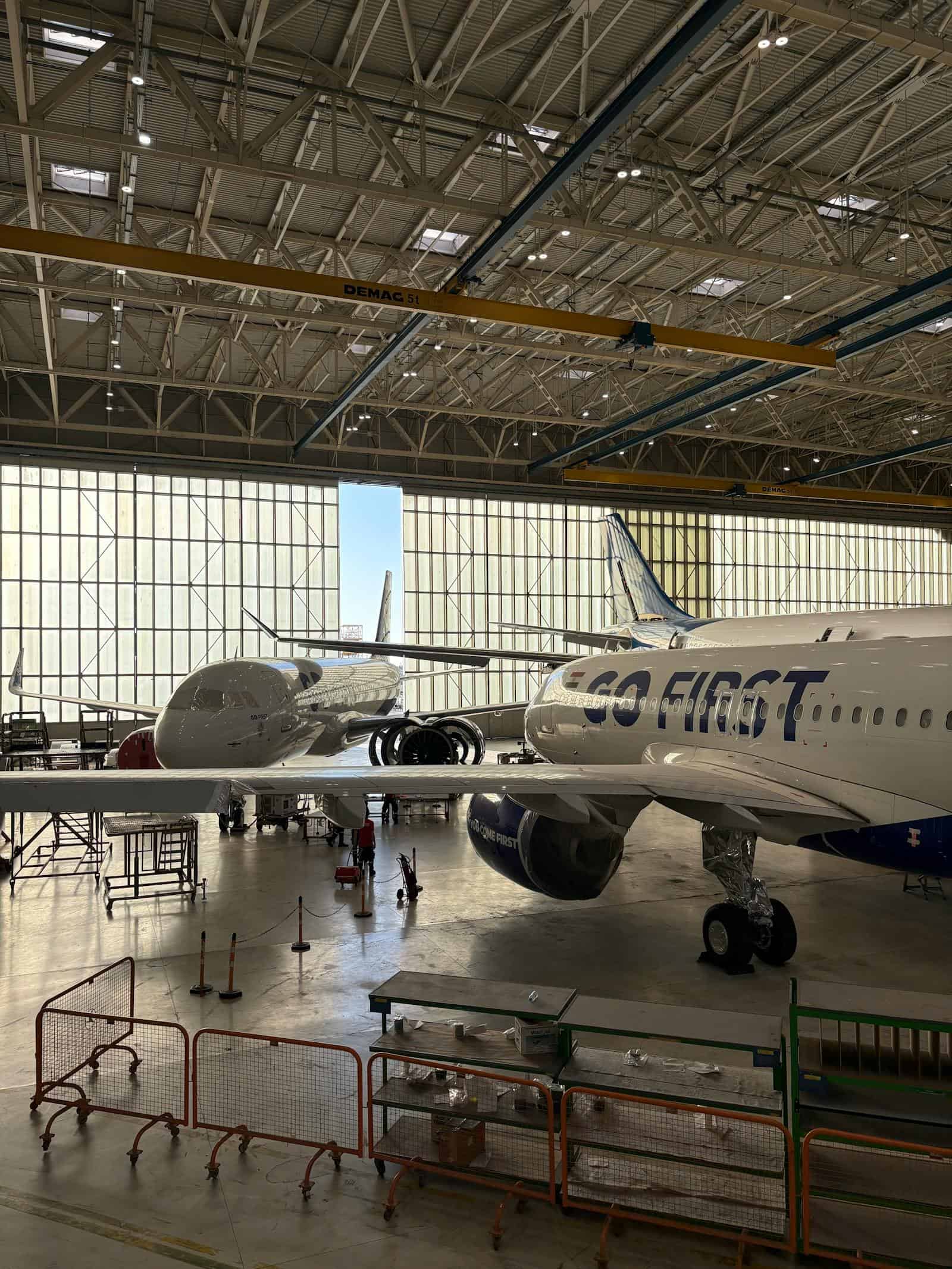
Pre-flight inspection should include specific fire risk items. Check fuel system fittings for leaks. Verify engine compartment cleanliness — accumulated oil and grease are fire fuel. Inspect electrical wiring for chafing or burnt insulation. Verify fire extinguisher pressure if equipped. These checks add minutes to preflight but identify the conditions that produce fires.
Post-Incident Documentation and Learning
Aircraft that experienced fires require thorough investigation regardless of damage extent. The cause matters for preventing recurrence on the aircraft and for sharing lessons with other operators. Pilots who experience fires should engage with their maintenance shop and the FAA in transparent investigation rather than minimizing the event.
Insurance Considerations Related to Fire Risk
Fire coverage typically exists within standard aviation hull coverage but has nuances worth understanding. Some policies exclude specific causes (intentional, mechanical wear without sudden event). Review policy terms periodically. Pilots flying older aircraft with original wiring face elevated fire risk that may affect insurance availability or pricing.
Egress Practice for Different Aircraft Types
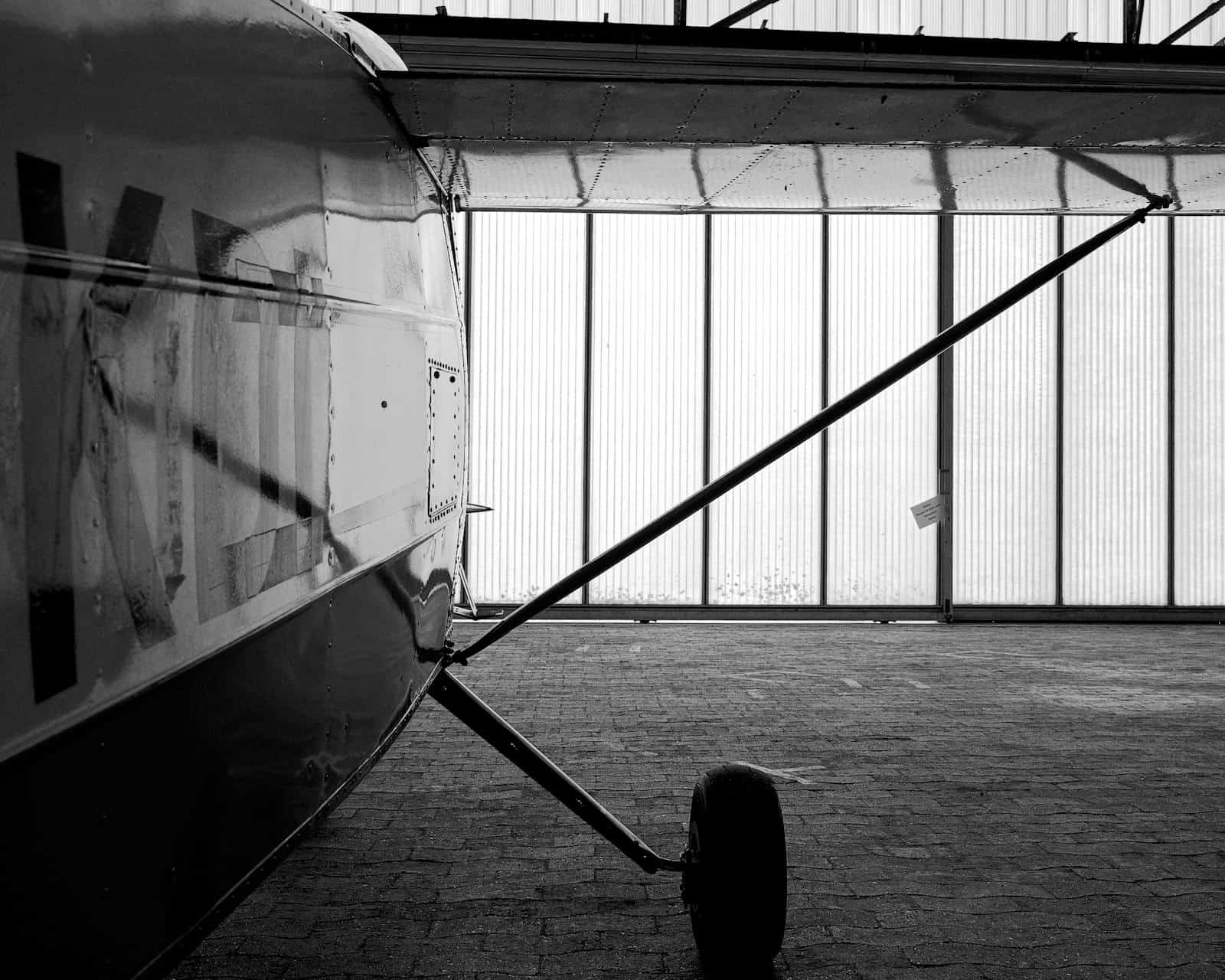
Different aircraft have different egress procedures. Cessna door operation differs from Piper. Cirrus has its parachute. High-wing versus low-wing affects evacuation paths. Pilots should practice egress for the specific aircraft they fly. Ten minutes of door operation practice per ownership year may save lives during real emergencies.
The Family and Passenger Briefing Component
Pre-flight passenger briefings should include fire response. Most pilots cover seatbelts and emergency exits but skip fire-specific instructions. A brief mention of “if I shout ‘evacuate,’ open your door and run twenty feet, don’t go back for bags” can save lives. Familiar briefing routines build the habits passengers need.
Pre-Existing Conditions That Increase Fire Risk
Several aircraft conditions elevate fire risk above baseline. Aircraft with aging electrical systems, original wiring insulation degraded by decades of use, accumulated oil and grease in engine compartments, and deferred fuel system maintenance all face elevated risk. Owners of older aircraft should specifically address these conditions during maintenance cycles rather than treating them as cosmetic concerns.
The Annual Inspection Fire Safety Check
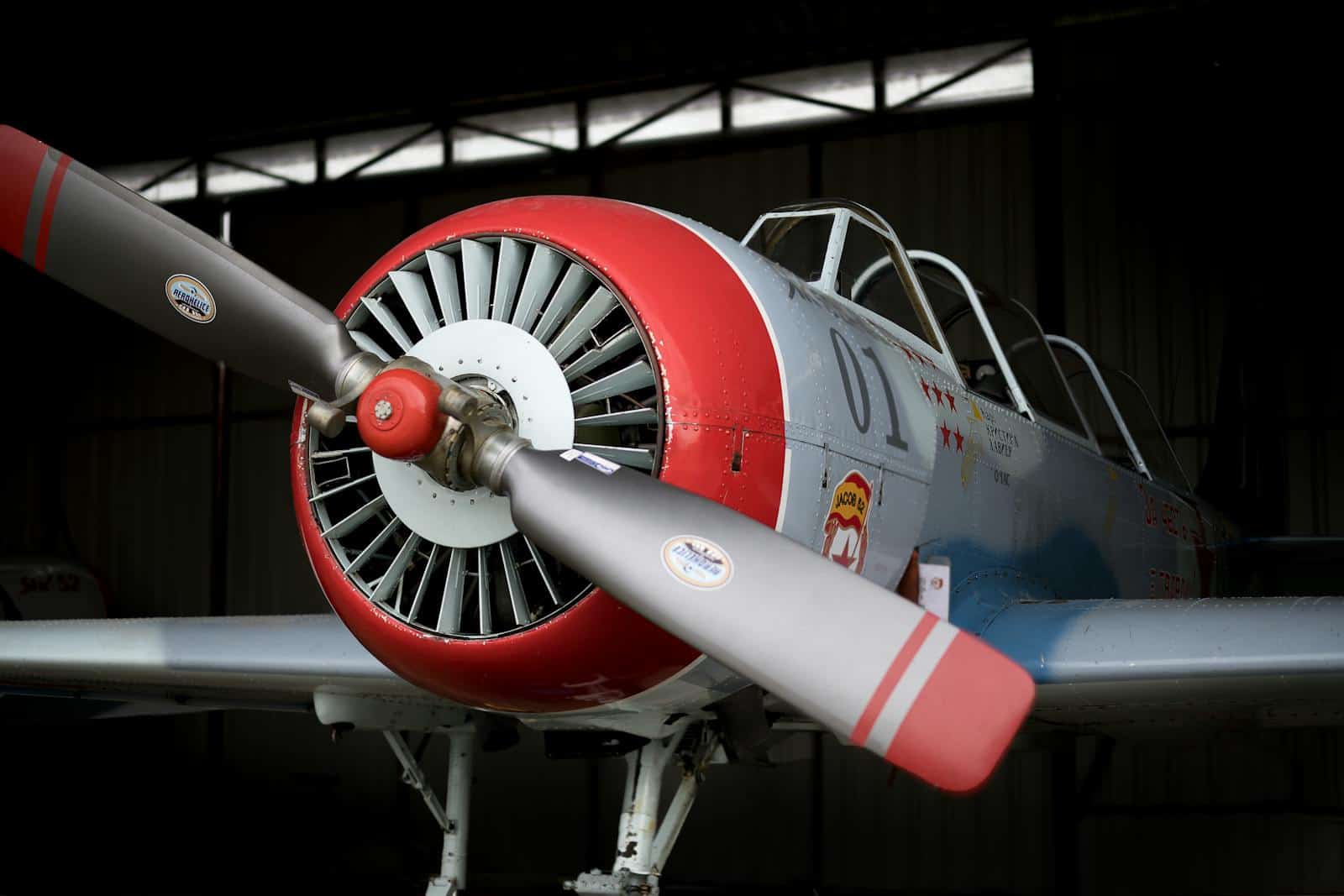
Annual inspections should specifically include fire risk evaluation. Inspectors check the obvious items but the depth of inspection varies. Owners can request specific fire-related items: wiring inspection, fuel system pressure check, engine compartment cleanliness, exhaust system integrity. The marginal cost is low. The benefit can be enormous.
What to Do Immediately After a Fire Event
Pilots who survive aircraft fires need to handle the aftermath properly. Insurance notification within hours of the event matters. NTSB or FAA notification depends on the specifics. Maintenance investigation should happen before the aircraft returns to service. Sharing the experience with the pilot community helps others learn from your event.
Fire Safety Knowledge Is Foundational
Aircraft fire safety is one of those topics pilots hope never to apply but must master in case the moment comes. The investment of time in understanding fire risks, equipment, and response is small compared to the value when the knowledge is needed. Every pilot should review fire safety procedures for their specific aircraft type at least annually.
Fire safety integrates with broader aviation safety culture. The pilots who think about fire risk also think about weather risk, mechanical risk, and decision-making risk. The pattern of thinking matters more than any specific safety knowledge. Cultivate the pattern through consistent attention to multiple safety dimensions over time.
For pilot training programs, fire safety often gets brief coverage that doesn’t survive into long-term operation. Including periodic fire safety review in continuing education programs would meaningfully improve outcomes. Pilots can self-direct this education through reading, online resources, and conversation with experienced mechanics.
The investment in fire safety knowledge is small. The potential return when conditions test it is enormous. Every pilot owes it to themselves and their passengers to develop this knowledge properly.
The E3 Aviation Editorial Team writes for owner-pilots, student pilots, and the small aircraft community. We focus on practical, real-world content that respects your time and your training. Learn more about E3 Aviation.
Last Updated: 2026-05-14
Related Articles
Aircraft fire safety knowledge is foundational. Review it annually. Practice egress procedures. Maintain equipment in working condition. Talk through scenarios with your CFI. The investment of time is small. The potential return when conditions demand the knowledge is enormous and measured in lives.
The aviation community in this country has earned its safety record through the disciplined work of millions of pilots making good choices in thousands of moments across decades. Each pilot’s small contribution to that record matters more than any single exception ever could.
For pilots ready to engage seriously with this topic, the path forward involves both reading widely and applying lessons in your own flying. Knowledge alone doesn’t change outcomes — applied knowledge does. Make a specific commitment this week.
The aviation industry rewards pilots who take their craft seriously over years and decades. The small daily disciplines compound into the kind of flying careers that endure. The choice belongs to each pilot reading these words.
Aviation continues to evolve in ways that reward continuous engagement and learning. The pilots who keep up benefit. The ones who don’t gradually fall behind in capability, knowledge, and relevance to the modern aviation environment. Choose engagement deliberately.