The Birth of Red Flag: A Response to Vietnam
Red Flag training didn’t just appear out of thin air. It was born in 1975, a direct response to the sobering lessons of the Vietnam War. Back then, American fighter pilots faced a grim reality: their kill-to-loss ratio hovered around 2:1—far below what Air Force brass considered acceptable. A detailed study revealed a game-changing insight: pilots who survived their first 10 combat missions were far more likely to make it through their careers. The solution? Create a hyper-realistic environment to simulate those critical early missions.
Enter Nellis Air Force Base, a sprawling desert hub near Las Vegas with the vast Nevada Test and Training Range at its disposal. Since that first exercise, Red Flag has evolved into a global phenomenon, celebrating its 50th anniversary in 2025. For pilots, it’s a rite of passage; for aviation buffs, it’s a living history lesson. Curious about aviation milestones? The E3 Aviation Association’s history page offers a broader look at how events like Red Flag fit into the bigger picture.
What Happens at Red Flag Training?
Imagine orchestrating a small air war every day for two weeks. That’s Red Flag training in a nutshell. With roughly 120 aircraft, 32 units, and 2,700 participants from countries like the U.S., UK, and Australia, the scale is mind-boggling. The exercise pits “Blue Forces” (the good guys) against “Red Forces” (aggressors simulating enemy tactics), creating a chaotic yet controlled battlefield.
The day starts with a mass briefing in the historic Boule Auditorium at Nellis, where pilots and crews sync up on objectives. From there, it’s a whirlwind of takeoffs, dogfights, and strategic strikes. Aircraft like F-16s, F-35s, and even the mighty B-52 bomber fill the skies, while ground crews scramble to keep them flying. One participant summed it up perfectly: “It’s the best job in the world, and it doesn’t get better than doing it here.”
For those intrigued by the tech behind these missions, resources like E3’s aircraft technology guide break down the systems powering these beasts.
The Aggressors: Bad Guys with Style
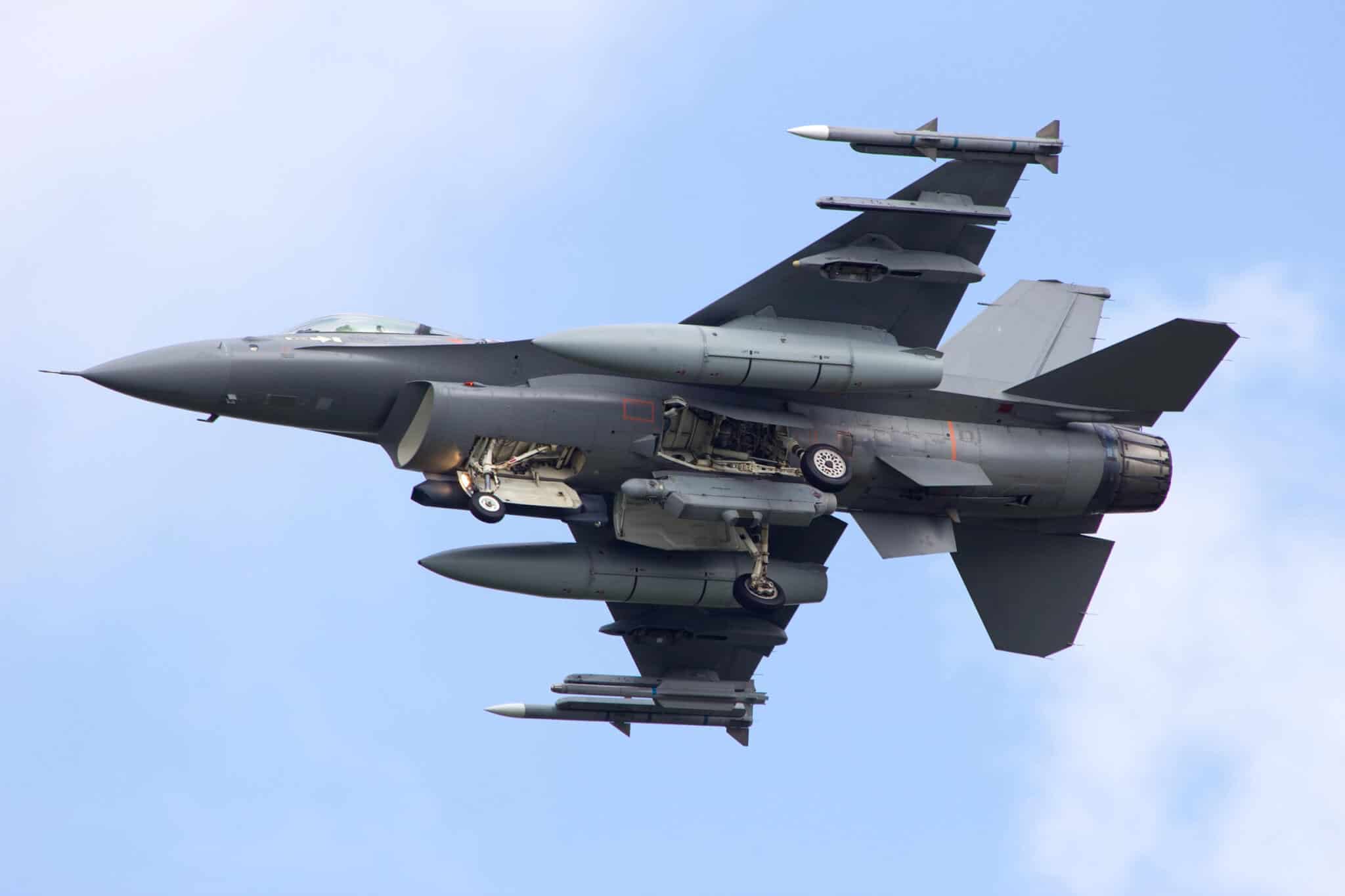
Here’s a little secret about Red Flag training: the aggressors steal the show. These elite pilots, often hand-picked from the Air Force Reserve, fly F-16s and F-35s decked out in eye-catching paint schemes—think desert camo or Russian-inspired designs. Why the flair? It’s practical. In a close-range dogfight (known as “the merge”), pilots need to instantly spot the enemy. Those bold colors ensure no one shoots the wrong jet.
Lt. Col. Whit “Skate” Collins, an aggressor pilot, explained their role: “We replicate enemy aircraft and tactics to give Blue Forces a real challenge.” It’s a cat-and-mouse game where aggressors mimic adversaries down to the smallest detail. Fun fact: some aggressors even train in vintage tactics, pulling moves from old Soviet playbooks to keep their opponents guessing.
The Numbers Behind the Chaos
Red Flag training isn’t just about flashy jets—it’s a logistical marvel. Consider this: during a typical exercise, over 100 aircraft log multiple sorties daily, burning through fuel and parts at a staggering rate. In 2025, the 50th anniversary event featured 2,700 personnel and aircraft from three nations, according to official Air Force reports. Another stat? The Nevada Test and Training Range spans 2.9 million acres—plenty of room for low-level runs and mock battles.
For aircraft owners or bush pilots, this might spark a question: how do civilian planes stack up? While you won’t see RVs dodging missiles, maintenance tips from E3’s maintenance section can still apply to keeping your wings airworthy. Inside Red Flag Training: Where Fighter Pilots Master War | Red Flag Training
Training for the Unexpected
One of Red Flag’s core goals is to throw pilots into chaos they’ll face in combat—so it’s not their first rodeo when it counts. Col. Eric Winterbottom, commander of the 414th Combat Training Squadron, put it this way: “We want crews to say their first real mission was intense, but not as intense as Red Flag.” That’s why the exercise includes everything from aerial combat exercises to survival training for downed pilots.
Take the SERE (Survival, Evasion, Resistance, Escape) component. Crews simulate ejecting over hostile territory, relying on gear like flares and radios to signal rescue teams. Out in the desert, you might spot an HH-60 Pave Hawk swooping in to pluck a “stranded” pilot from the sand. It’s a reminder that flying isn’t just about the cockpit—it’s about grit on the ground too.
Beyond the Cockpit: Maintenance Heroes
While pilots get the glory, Red Flag training wouldn’t happen without the maintainers. These crews work brutal hours—think tire changes at 2 a.m. or patching hydraulic leaks between sorties. One maintainer shared, “It’s long days, but watching these jets take off makes it worth it.” Their hustle ensures every aircraft is combat-ready, a lesson in teamwork that resonates whether you’re flying a Cessna or an F-15.
Aircraft Spotlight: The Stars of Red Flag
Red Flag training is an aviation enthusiast’s dream, with a lineup that reads like a greatest-hits album. The F-16 Viper buzzes with agility, while the F-35 Lightning II brings stealth and sensors to the fight. Then there’s the B-52 Stratofortress—over 70 years old and still dropping bombs like it’s 1955. International players like Australia’s E-7 Wedgetail and the UK’s Typhoon add global flavor, each with unique quirks.
The Typhoon, for instance, is a dogfighting beast thanks to its unstable design—those canards adjust constantly to keep it level. The pilot’s take? “Slam the stick back, and she’ll pull 9Gs without breaking a sweat.”
The Debrief: Where Lessons Sink In
Every Red Flag mission ends with a debrief—arguably the most critical part. Pilots and crews huddle in Boule Auditorium, dissecting what worked and what flopped. “Kill calls” get validated, tactics refined, and egos occasionally bruised. It’s raw, honest feedback that turns rookies into aces. For owner-pilots, this mirrors the value of post-flight reviews.
Why Red Flag Matters to Civilians
You might be thinking, “I fly a Piper, not a fighter jet—why should I care?” Fair point. But Red Flag training offers lessons beyond the military. It’s about preparation, teamwork, and pushing limits—principles that apply whether you’re navigating a bush strip or a busy airspace. Plus, the tech and tactics often trickle down to civilian aviation over time.
For example, advancements in radar and navigation from military drills have historically influenced general aviation tools.
Evolving with the Times
Red Flag training isn’t stuck in 1975. Today’s exercises incorporate drones, cyber threats, and space assets—reflecting modern warfare’s complexity. Newer pilots, many at their first Red Flag, get a crash course in this multi-domain chaos. Over half the crews in 2025 raised their hands as first-timers, a sign the program keeps churning out battle-ready aviators.
Joining the Ranks: The Reserve Option
Ever dreamed of flying in Red Flag training? The Air Force Reserve offers a path. Aggressor pilot Lt. Col. Collins balances a civilian airline gig with reserve duty, flying those stunning F-16s part-time. With over 200 career fields, benefits like tuition assistance, and flexible schedules, it’s a practical way to serve. Learn more at airforce.com/reserve or E3’s career guide.
The Lifestyle Shift: Red Flag’s Hidden Impact
Here’s something pilots don’t always talk about: Red Flag training rewires your brain. Two weeks of relentless missions—low-level runs, mock shootdowns, evading “enemies”—changes how you approach flying. Veterans say it’s like upgrading from a student pilot to a seasoned pro overnight. For private pilots, that intensity might inspire sharper focus on cross-country trips or emergency drills.
Red Flag’s Global Reach
With the U.S., UK, and Australia in the mix, Red Flag training is a melting pot of tactics and cultures. The Royal Australian Air Force’s E-7 Wedgetail, for instance, uses its “top hat” radar to orchestrate battles, while the UK’s Typhoon flexes its dogfighting muscle. This collaboration strengthens alliances and exposes pilots to diverse strategies—vital in a world where threats don’t respect borders.
Conclusion: Why Red Flag Training Endures
Red Flag training remains the pinnacle of aerial combat preparation for a reason. It blends history, innovation, and raw intensity into an experience that transforms pilots and crews. Whether you’re an aviation enthusiast marveling at the aircraft, a bush pilot gleaning universal lessons, or an owner-pilot inspired to up your game, there’s something here for you. The 50th anniversary in 2025 only underscores its legacy—and its future.
Want to dig deeper into aviation’s cutting edge? For more E3 Aviation resources be sure to visit: https://e3aviationassociation.com. Share your thoughts below—have you ever witnessed Red Flag in action?