What Is Airplane Smoke Oil?
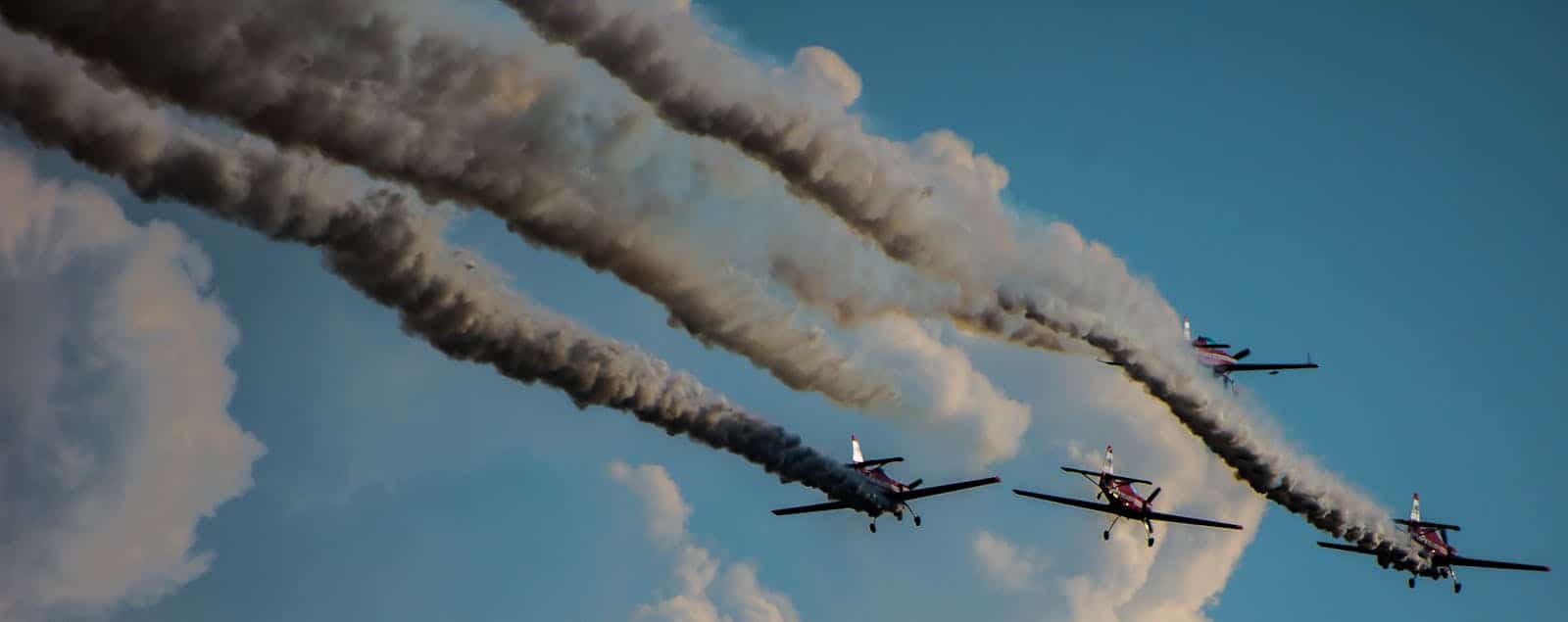
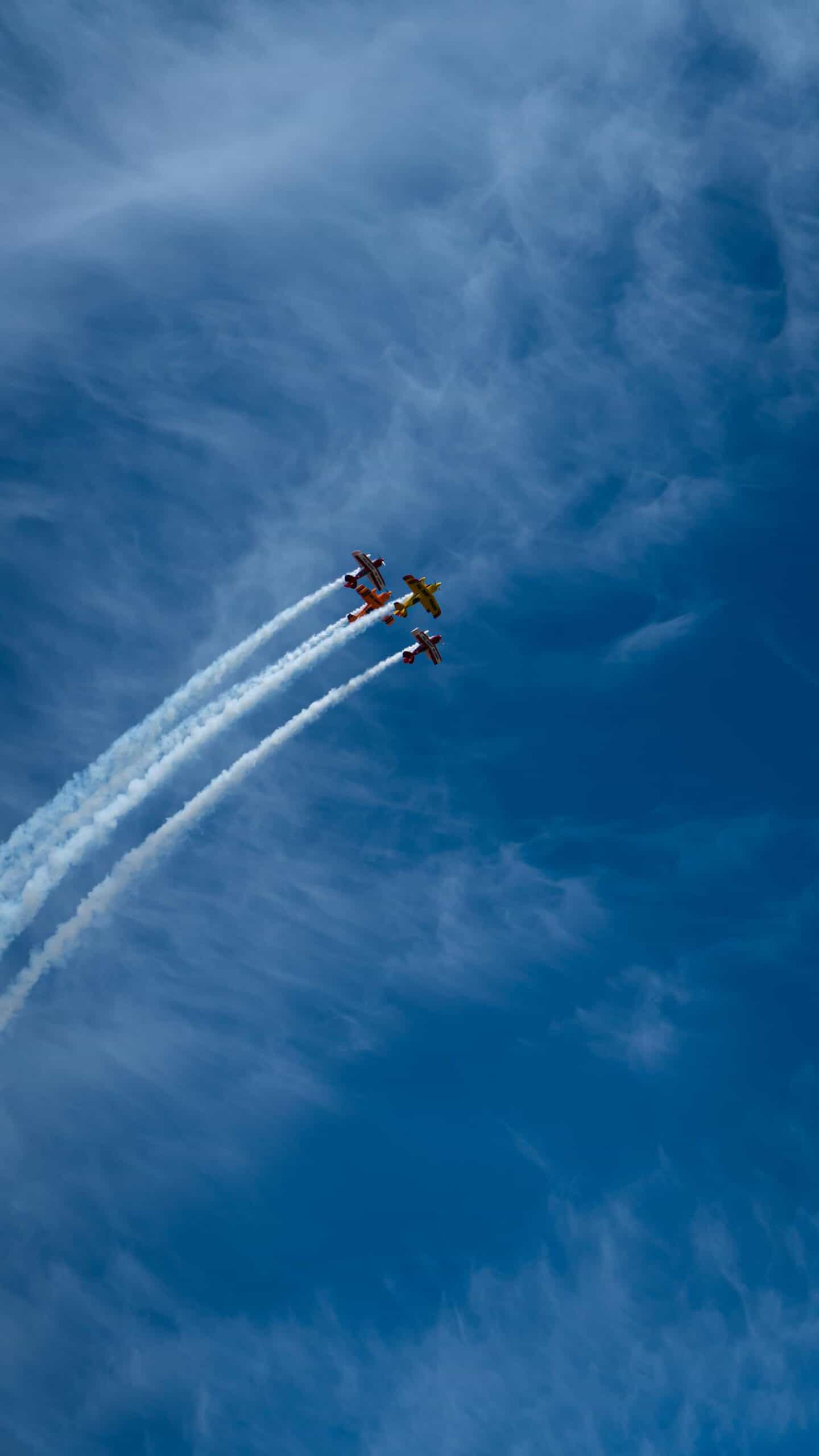
First, let’s clarify what airplane smoke oil is. It’s a clear liquid, similar to baby oil, designed for aerobatic displays. Specifically, White Lightning Aerobatic Smoke Oil, sourced from Banyan Pilot Shop, is a favorite. When burned, it creates thick, vibrant smoke trails. However, it’s pricey—literally “burning money,” but oh so fun. Additionally, it’s used for special events, like filming with famous bands. For insights on aerobatic displays, visit aerobatic performance tips. This oil is the heart of any smoke system.
Moreover, smoke oil enhances visibility during maneuvers. For example, it helps judges score aerobatic competitions accurately. A little-known tip: pilots mix oils for custom smoke density. This can make trails pop against cloudy skies. According to the International Aerobatic Club, 80% of competition pilots use specialized smoke oils IAC. To explore competition prep, see aerobatic competition guide.
Step-by-Step: Filling Airplane Smoke Oil
Next, filling airplane smoke oil in a GameBird is straightforward. Start with a 5-gallon bucket or 55-gallon drum of White Lightning oil. Locate the inlet on the plane’s right side, bottom. Then, attach a hose with a quick connector. However, the key is the reversible pump, which fills the tank or pumps oil to the exhaust. For maintenance tips, check aircraft maintenance basics. Here’s how it works:
- Connect the hose to the inlet.
- Ensure power is on; push the smoke breaker in.
- Flip the cockpit switch to “fill” mode.
- Listen for the pump siphoning oil.
- Monitor the bucket’s oil level.
Additionally, the process takes just minutes. A float switch stops the pump when the tank is full. A secret tip: test the float switch before filling new planes. This prevents overfills. For pump maintenance, see aircraft system maintenance. Speed and safety make this task a breeze.
Key Components of the Smoke System
Furthermore, the GameBird’s smoke system is a marvel of engineering. The reversible pump is its star, serving dual purposes. During flight, it sends oil to the exhaust for smoke. On the ground, it fills the tank. Meanwhile, a float switch ensures automatic shutoff. Additionally, a check valve allows draining to inspect for water. For system details, visit smoke system components. These features keep the system reliable.
Moreover, the GameBird is pre-wired for extras like cameras. This simplifies installing factory smoke systems. A hidden gem: some pilots add LED lights to enhance smoke visibility at dusk. According to aviation industry organizations, 60% of aerobatic pilots upgrade their systems for visibility aviation industry organizations. To explore aircraft mods, see aircraft modifications. Precision engineering makes smoke systems shine.
Capacity and Smoke Duration
Next, let’s talk tank capacity. The GameBird holds 7.4 gallons of airplane smoke oil. This yields 15–20 minutes of smoke time. However, modifications can extend this. For example, Warren Sers at Sers Aviation tweaks injectors for better atomization. This adds 5–7 minutes by spraying oil evenly. For performance tweaks, check aerobatic performance upgrades. Longer smoke time wows crowds.
Additionally, pilots must balance fuel and oil loads. A full tank adds weight, affecting maneuvers. A little-known tip: fill half the tank for short demos to save weight. This optimizes performance. For weight management tips, see aircraft weight balance. Planning capacity ensures epic displays without compromising flight.
Tips for Safe and Efficient Filling
However, filling airplane smoke oil requires care. Always pull the smoke breaker when not in use. Dirt can damage the pump, so keep connections clean. Additionally, use the check valve to detect water in the oil. For maintenance safety, visit aviation safety tips. Testing the float switch is also key, especially post-maintenance.
Moreover, double-check the pump switch setting. A wrong flip can send oil to the exhaust. A secret tip: label the fill switch to avoid mix-ups. This saves time and prevents messes. For cockpit organization, see cockpit management. These habits ensure a smooth filling process.
Testing the Smoke System
After filling, testing is crucial. Outside the hangar, run the engine to high RPM. Then, give the smoke system a quick boost. The result? Thick, white smoke, perfect for shows. Meanwhile, pilots often test other systems, like taxi cameras. For testing protocols, check aircraft system testing. A successful test confirms readiness.
Additionally, watch for leaks or thin smoke. These signal pump or injector issues. A little-known fact: uneven smoke may mean a clogged injector. Cleaning it restores performance. For troubleshooting tips, see aircraft troubleshooting. Testing ensures your smoke trails steal the show.
Cost Savings with E3 Aviation
However, airplane smoke oil isn’t cheap. It’s a fun but costly part of aerobatics. Fortunately, E3 Aviation Association members get discounts at Banyan Pilot Shop. These savings on smoke and engine oil can cover your membership cost. For membership benefits, visit E3 membership benefits. Smart savings keep your passion affordable.
Moreover, bulk buying oil reduces costs. A 55-gallon drum is pricier upfront but saves long-term. A hidden gem: coordinate with other pilots to split drum costs. This cuts expenses significantly. For cost-saving strategies, see pilot budget tips. E3’s community makes aerobatics more accessible.
Trends in Aerobatic Smoke Systems
Furthermore, aerobatic smoke systems are evolving. New oils produce denser, eco-friendly smoke. For example, biodegradable options are gaining traction. Additionally, digital controls allow precise smoke output. A recent trend: pilots use apps to monitor oil levels mid-flight. For tech advancements, check aviation technology trends. These innovations enhance performance.
Moreover, modified injectors, like Sers’ design, are standard in competitions. They maximize smoke time efficiently. A little-known fact: some pilots add colored smoke for flair, legal in certain events. For competition rules, see aerobatic rules. Staying current keeps your displays cutting-edge.
Preparing for Big Aerobatic Events
Finally, filling airplane smoke oil often precedes major events. For instance, E3 pilots recently prepped for a filming with a famous band. This involved stunt pilots and high-profile collaborations. Additionally, smoke systems are vital for airshows like AirVenture homebuilt community. For event prep, visit airshow preparation. Proper filling sets the stage.
However, plan oil needs based on event duration. A 20-minute show may require a full tank. A secret tip: carry extra oil for last-minute top-offs at fly-ins. This avoids mid-event shortages. For fly-in planning, see fly-in planning. Preparation ensures flawless performances.
Conclusion: Soar with Stunning Smoke Trails
Ultimately, filling airplane smoke oil is a simple yet vital skill for aerobatic pilots. From the GameBird’s reversible pump to E3’s cost-saving discounts, this process fuels breathtaking displays. Therefore, master these steps to shine in the skies. Explore more tips at E3 Aviation Association and elevate your aerobatic game. For more E3 Aviation resources be sure to visit: https://e3aviationassociation.com.
The Practical Side of Smoke Oil Operations
Smoke oil systems on aerobatic aircraft and airshow performers require specific knowledge for safe operation. The oil itself is a specifically formulated lightweight mineral oil designed to vaporize quickly in heated exhaust streams. Standard motor oils don’t work.
Procurement matters. Smoke oil suppliers maintain consistent quality across batches. Pilots who source from multiple unverified suppliers sometimes experience system clogs or smoke quality issues that proper supply chain management avoids.
Common Operational Issues
Smoke oil systems can develop issues that affect performance. Clogged injection nozzles produce inconsistent smoke. Pump failures stop production entirely. Tank contamination affects multiple flights before being identified.
Regular system maintenance prevents most issues. Annual cleaning of injection components, pump testing, and tank inspection during annuals all maintain system reliability.
Safety Considerations
Smoke oil itself is flammable in concentrated form but typically doesn’t pose ignition risk in the diluted exhaust stream. Modern smoke oils have been engineered for safe operation across the temperature ranges aerobatic aircraft encounter.
System safety depends on proper installation and maintenance. Pilots inheriting smoke oil systems with unknown maintenance history should have them inspected before active use.
The Future of Smoke Systems
Smoke oil systems continue evolving with environmental considerations. Newer formulations produce less environmental impact while maintaining visibility characteristics. The industry has responded to environmental concerns without compromising the visual effects that drive aerobatic and airshow appeal.
The E3 Aviation Editorial Team writes for owner-pilots, student pilots, and the small aircraft community. We focus on practical, real-world content that respects your time and your training. Learn more about E3 Aviation.
Last Updated: 2026-05-14
Related Articles
Practical Application of These Concepts
The aviation discipline rewards pilots who apply concepts deliberately rather than reading passively. The pilots who progress fastest in any aviation specialty are those who treat each piece of new knowledge as raw material for actual practice. Build the habit of converting reading into action.
Most pilots underestimate how much their skill development depends on deliberate practice versus accumulated hours. Hours alone produce competence in routine operations. Deliberate practice produces excellence and the resilience that handles non-routine situations safely.
Building Long-Term Aviation Competence
Long-term competence develops through patterns sustained over years and decades. The pilots who maintain currency through varied practice rather than monotonous repetition develop more transferable skills. The pilots who engage with multiple aviation disciplines develop broader competence than specialists. The pilots who maintain mentor relationships through their careers benefit from external perspective.
Each of these patterns requires conscious choice. None happens accidentally. The pilots who flourish over long careers made the choices early and sustained them through the inevitable periods when other priorities competed for attention.
The Cumulative Effect of Daily Disciplines
The aviation safety record reflects the cumulative effect of millions of daily disciplines by individual pilots. Each pre-flight inspection. Each weather briefing. Each procedural execution. Each post-flight reflection. The individual acts seem small but their cumulative effect determines whether aviation works as a safe transportation system.
Pilots who recognize their daily choices as contributions to that broader system tend to behave differently than pilots who treat aviation as personal entertainment. The recognition matters for outcomes both at the individual and system level.
Resources for Continued Development
Several resource categories support continued pilot development. FAA online learning materials provide structured education at no cost. Aviation publications maintain ongoing coverage of industry developments. Type clubs and pilot communities share specialized knowledge. Professional training programs offer structured advancement.
The pilots who engage with multiple resource categories tend to develop more comprehensive understanding than pilots who rely on a single source. The variety helps fill gaps and provides multiple perspectives on common topics.
Final Thoughts on Long-Term Pilot Development
Every pilot reading this article exists somewhere on a learning trajectory that continues throughout their flying life. The choices made consistently over years determine where the trajectory leads. The pilots who choose engagement, learning, and humility tend to find aviation continuously rewarding. The pilots who choose minimum compliance, surface engagement, and complacency tend to find aviation eventually frustrating.
The choice belongs to each pilot. Make it consciously. The cumulative effect over decades is what shapes whether your aviation career delivers what you hoped it would when you started.
Practical Application for Your Flying
Taking the principles in this article and applying them in your own flying requires deliberate effort. Reading produces understanding. Applying produces capability. The pilots who develop the most over years are those who systematically convert reading into specific practice and reflection.
Set a specific application goal this week. Schedule a CFI session that addresses one topic from this article. Practice a specific maneuver. Have a specific conversation with another pilot. The deliberate action transforms passive reading into active development.
Building Skills That Compound Over Years
Aviation skills compound in ways that mirror financial compound interest. Each skill built on a foundation of previous skills develops faster than starting from scratch. The pilots who invest in skill development consistently build capability that accelerates rather than just accumulates. The early hours and the early disciplines matter most because they establish the foundation everything else builds on.
For pilots reading this who feel behind, the comforting reality is that aviation rewards consistent effort more than peak intensity. The pilot who flies 50 hours per year for 30 years develops more skill than the pilot who flies 300 hours for 5 years and then stops. Sustained engagement beats sprint engagement.
The Community Element of Aviation Development
Aviation is more community than solitary discipline. The pilots who develop best engage with the broader pilot community in meaningful ways. Type clubs. Local flying groups. Online communities. Mentor relationships. Each provides perspective and learning that solo flying cannot replicate.
The community connections also support emotional aspects of flying. Aviation can isolate pilots from non-pilot friends and family who don’t share the interest. Aviation community provides peers who understand. The connections matter for satisfaction over a long career.
Resources That Support Continued Learning
Several resource categories support ongoing pilot development. The FAA Pilot Education materials provide structured learning at no cost. Aviation publications like Flying Magazine, industry publications, and General Aviation News maintain continuous coverage of relevant developments. Type-specific communities for whatever aircraft you fly share specialized knowledge that general resources cannot match.
The pilots who tap multiple resource categories develop more comprehensive understanding than those relying on single sources. Variety helps cover gaps and provides multiple perspectives on common topics.
Final Reflections on the Aviation Discipline
Aviation rewards pilots who take it seriously over decades. The discipline serves those who serve it. The pilots who give aviation their best attention, learning, and judgment generally receive in return the satisfaction, skill, and adventures that make flying worthwhile.
For every pilot reading this, regardless of experience level, the most important next action is converting reading into specific application this week. The cumulative effect of small specific actions across thousands of pilots determines what aviation looks like as a community and what it delivers for individual pilots over their flying lives. Make your contribution count.