The CubCrafters XCub on floats, with its Whipline 2100A amphibious floats, redefines versatility for aviation enthusiasts and professionals seeking adventure on both land and water. This remarkable aircraft, showcased by the team at www.e3aviationassociation.com, combines raw power, cutting-edge design, and unmatched flexibility. Whether you’re a seasoned pilot or a passionate hobbyist, the XCub offers an exhilarating flying experience. Let’s dive into what makes this plane a standout, from its robust engine to its innovative features, and explore why it’s a must-have for those who crave the ultimate aviation playground.
Unpacking the Power: Engine and Performance
The heart of the XCub is its Lycoming CC393i engine, delivering a hefty 215 horsepower. Unlike its predecessor, the Carbon Cub FX3, which boasted 180 horsepower, this fuel-injected beast offers a noticeable boost in performance. Pilots will appreciate the dual-injection system and 40-amp alternator, ensuring reliability during long flights. The three-blade Trailblazer prop, measuring 80 inches, provides exceptional thrust, making takeoffs feel like a leap off the ground. Interestingly, the composite prop is designed to withstand water spray, a critical feature for float operations. This setup allows the XCub to shine in amphibious environments, though it sacrifices about 10-12 knots in cruise speed compared to its nose-gear configuration, which hits around 150 mph.
A little-known secret lies in the plane’s constant-speed propeller, which allows pilots to fine-tune performance for efficiency or power. This feature, often overlooked, gives the XCub an edge in diverse conditions, from short lake takeoffs to high-altitude cruising. For those curious about performance specs, the stall speed with full flaps is a forgiving 46 knots, while the best rate of climb sits at 74 knots. These numbers make the XCub a dream for precision landings, especially on water. To learn more about optimizing aircraft performance, check out 5 Things Every Pilot Should Know About Their Aircraft.
Versatility Redefined: Amphibious Design
What sets the XCub apart is its amphibious capability, built from the ground up at the CubCrafters factory. Unlike retrofitted floatplanes, this aircraft integrates Whipline 2100A floats seamlessly, with internal wiring and welded tubes designed for amphibious operations. The floats feature a trailing-link landing gear system, offering soft landings on both runways and water. A clever detail is the absence of cables in the strut system—replaced by push rods for a cleaner, faster design. This engineering choice reduces drag and maintenance, a boon for pilots operating in corrosive water environments.
The XCub’s versatility doesn’t stop there. It can transform into a nose-gear (NX Cub) or tailwheel configuration in just four hours, catering to pilots who want options. For instance, swapping to 35-inch tundra tires opens up backcountry adventures, while the nose-gear setup boosts cruise speed. A hidden gem is the corrosion block paste applied to bolts, a sticky, goldish coating that protects against water-induced rust. This attention to detail ensures longevity, especially for Florida pilots dealing with salty conditions. For more on maintaining amphibious aircraft, explore How to Care for Your Aircraft.
Inside the Cockpit: Technology Meets Comfort
Step into the XCub’s cockpit, and you’re greeted by a full glass panel, featuring Garmin’s G3X system with XM weather and radio. The G5 backup and GFC 500 autopilot, complete with a level button, rival the avionics of larger aircraft. A standout feature is the gear indicator system, which uses male and female voices to confirm configurations—green lights and a male voice for land, blue lights and a female voice for water. This psychological cue, paired with four verification methods (mirrors, lights, mechanical indicators, and audio), minimizes gear-up landing risks, a common concern for amphib pilots.
The cockpit’s 30-inch-wide cabin offers ample room, a significant upgrade from the FX3. Carbon fiber components, like the spinner and cowlings, keep the plane lightweight yet durable. A subtle but brilliant addition is the electronic trim on the stick, which disconnects with the autopilot for safety. For those flying in sunny climates, jet shades (available at jetshades.com) are a game-changer, replacing opaque shades with see-through alternatives. Curious about cockpit upgrades? Visit 10 Must-Have Aviation Gadgets for 2023 for inspiration.
Wings and Floats: Engineering Excellence
The XCub’s wings are a marvel, featuring G-series flaps and ailerons that reduce control effort by 30% compared to the FX3. These push-rod-driven surfaces, paired with gap seals, enhance lift and maneuverability. The 35-foot wingspan, coated in iridescent urethane paint over poly-fiber fabric, is both functional and stunning. Vortex generators along the leading edge boost useful load, while 50-gallon fuel tanks ensure long-range capability. A quirky feature is the dock rope on the wing, designed to secure the plane without flapping in flight—a small but thoughtful touch for floatplane pilots.
The Whipline floats are equally impressive, with sealed compartments and a starboard floor to keep lines dry. Storage areas hold up to 50 pounds per side, perfect for chalks, anchors, or a manual pump. A clever modification is the stretchy cord securing drain plugs, preventing loss during water removal. The water rudders, controlled by differential braking, retract for landings and takeoffs, ensuring smooth handling. For tips on floatplane operations, see Float Plane Flying 101: What You Need to Know.
Storage and Practicality: Built for Adventure
The XCub’s storage is a pilot’s dream, with a 230-pound-capacity baggage area accessible via an optional door. A MOLLE system organizes first-aid kits and survival gear, while a pouch discreetly stores firearms (a nod to E3 Firearms Association). The lithium-ion battery, compact yet powerful, is tucked away with a tender system for easy maintenance. On the floats, additional storage holds lines and lightweight chalks, with a turbo float pump simplifying water removal. These practical touches make the XCub ideal for remote adventures, from Florida’s Keys to Alaska’s lakes.
A lesser-known trick is the use of slip knots on the float lines, allowing quick adjustments when docking. This feature, combined with a wire guide for crossing floats, streamlines pre-flight checks and beach tie-ups. The plane’s 1,084-pound useful load (slightly reduced with floats) supports gear-heavy trips, making it a favorite for explorers. For more on packing for aviation adventures, check out How to Prepare for a Long-Distance Flight.
Takeaways and Next Steps
The big idea behind the CubCrafters XCub on floats is its unmatched versatility, blending power, technology, and amphibious capability into a single package. It’s a plane that adapts to your flying style, whether you’re skimming lakes or landing on backcountry strips. For aviation enthusiasts, this aircraft offers a playground of possibilities, backed by thoughtful engineering and pilot-centric features. To experience the XCub’s magic, consider joining the E3 Aviation Association, where members access deep-dive videos and mini-documentaries on this plane and others. Visit www.e3aviationassociation.com to explore membership options and connect with a community of passionate pilots. Ready to take flight? Book a demo flight with CubCrafters or attend an E3 event to see the XCub in action.
For more aviation resources and insights, be sure to visit: https://e3aviationassociation.com/category/aviation-articles/.
External Resources
- CubCrafters Official XCub Page – Learn more about the XCub’s specifications and options.
- Wipaire Whipline Floats – Explore the technology behind the Whipline 2100A floats.
- Garmin G3X System – Dive into the avionics powering the XCub’s cockpit.
- Jet Shades – Discover see-through shades for enhanced cockpit visibility.
- aviation industry organizations Floatplane Flying Guide – Tips for mastering amphibious operations.
The XCub on Floats — What Sets It Apart From the Amphib Configuration
The straight float XCub configuration differs meaningfully from the amphibious version that owners might choose alternatively. Straight floats are lighter, faster on water, and cheaper than amphibs. The trade-off is single-mode operation — water landings only, no return to hard surfaces without removing the floats.
For pilots whose flying centers on water operations, the straight float configuration delivers performance advantages worth the operational limitations. Northern operators based at lake homes, fishing camp operators, and serious floatplane pilots often choose straight floats for the performance edge.
Wipline 2100 Float Specifications for XCub
Wipline 2100 floats are the most common XCub float installation. They provide 2,100 pounds of displacement, weigh roughly 280 pounds compared to amphib variants at 360 pounds, and configure with water rudders for steering. The freshwater rating allows operation in typical lake environments without the saltwater hardware costs.
Installation requires Wipline-certified shops. The conversion process takes typically 7-14 days and costs $85,000-$120,000 for the floats plus installation. Used XCub-Wipline combinations occasionally appear on the market at significant discounts to new pricing.
Float Operations — Techniques That Matter
Water operations involve techniques that pure pilots never encounter. Step taxi at 25-30 mph reduces water taxi time dramatically. Glassy water landings demand specific approach techniques to handle the absence of visual reference. Crosswind operations on water differ from runway operations in ways that take training to master.
Pre-flight on floats includes pump-out and bilge inspection — water in float compartments creates problems if not addressed. Pre-flight should also verify water rudder operation, gear hardware (where applicable), and float surface condition.
Where Float XCub Owners Operate
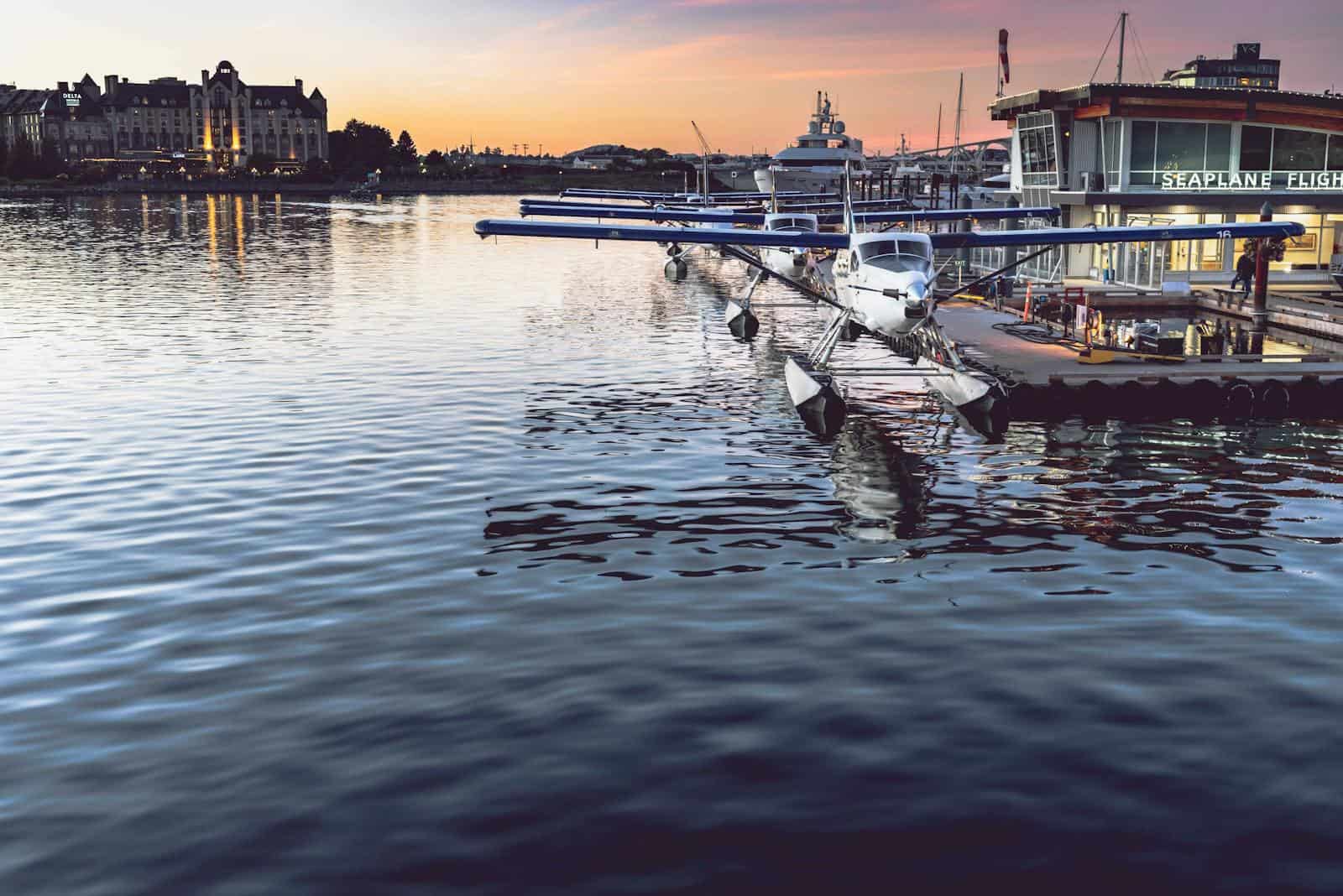
The most active float XCub operations happen in regions with substantial water access. Alaska, the Great Lakes states, the Pacific Northwest, the Adirondack region, and Florida lake country all support active float operations. Insurance availability is excellent in these regions because underwriters understand the operations.
Less common but emerging regions include the upper Mississippi, the southeastern lake regions, and large Texas reservoir operations. Pilots in these regions often pioneer float operations locally and develop the networks that support newer practitioners.
Float XCub Training Path
Float XCub operations require formal seaplane training (ASES rating) plus aircraft-specific transition training. The ASES rating itself takes 10-15 hours of dual with appropriate ground training. XCub-specific transition adds another 5-10 hours of dual focused on the aircraft’s specific handling characteristics.
Insurance considerations often require 50+ hours of float time before underwriters write coverage at reasonable rates. Pilots building this experience typically rent or share aircraft initially before purchasing their own.
Maintenance Considerations for Float Operations
Float operations create maintenance demands wheel operations never produce. Salt water exposure (in coastal operations) accelerates corrosion of all components. Even freshwater operations introduce moisture and biological growth into airframe areas that wheeled aircraft never encounter.
Annual inspections on float-equipped aircraft cost more than equivalent wheeled inspections. The thoroughness needs to extend to float compartments, water rudder mechanisms, and the airframe areas exposed to water. Budget $3,000-$5,000 more annually for float aircraft maintenance compared to wheeled.
Insurance and Float Operations
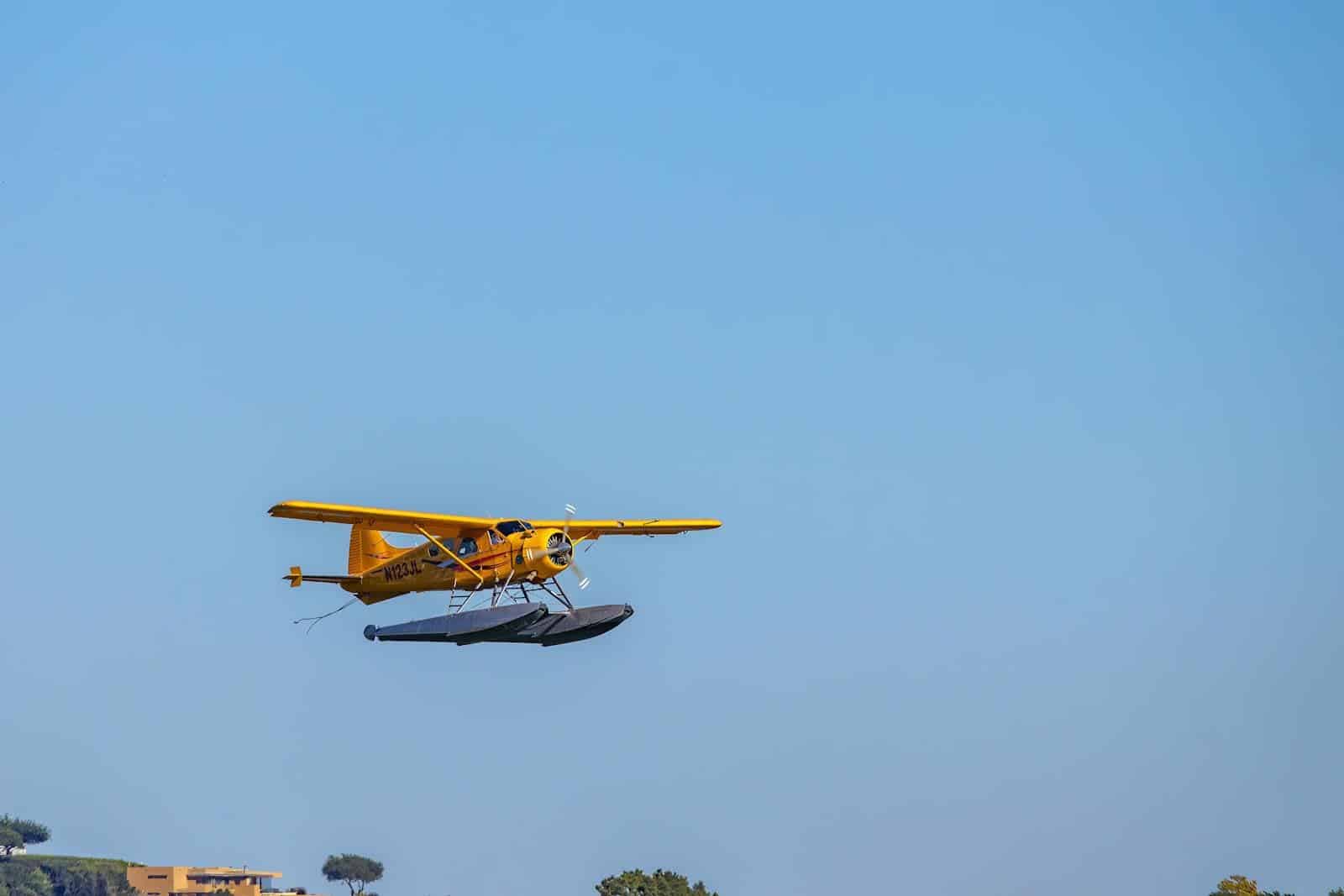
Float operations require specific insurance considerations. ASES rating is mandatory. Most carriers require formal float training documentation plus minimum hours of float experience before writing coverage at reasonable rates. Hull values for float-equipped aircraft run higher than wheeled equivalents, reflecting both the higher acquisition cost and elevated claims experience.
Pilots transitioning to floats should budget for higher insurance premiums during the first 100-200 float hours. Premiums typically normalize after accumulated float experience documents the pilot’s competency.
The Long-Term Float Owner Path
Owners who fly floats for decades develop deep understanding of water operations. They learn to read water conditions, anticipate weather changes affecting water surfaces, and develop techniques specific to the lakes and waters they fly. The expertise can’t be shortcut — it accumulates through years of operation.
The E3 Aviation Editorial Team writes for owner-pilots, student pilots, and the small aircraft community. We focus on practical, real-world content that respects your time and your training. Learn more about E3 Aviation.
Last Updated: 2026-05-14
Related Articles
Final Thoughts and Takeaways
Aviation rewards pilots who commit to ongoing learning and deliberate practice. The patterns discussed in this article apply broadly across aviation operations. The pilots who internalize them over years build careers distinguished by safety, skill, and satisfaction.
For pilots reading this article, the most useful next step is identifying which specific lessons apply most directly to your current flying situation. Focus on the items that match your immediate context. Build the habits gradually. Reflect periodically on how the practice is changing your flying.
The aviation community in this country has earned its reputation through countless small acts of professionalism, learning, and care. Each pilot’s contribution matters. Make yours count by engaging seriously with the discipline at every stage of your flying.
Resources for Continued Learning
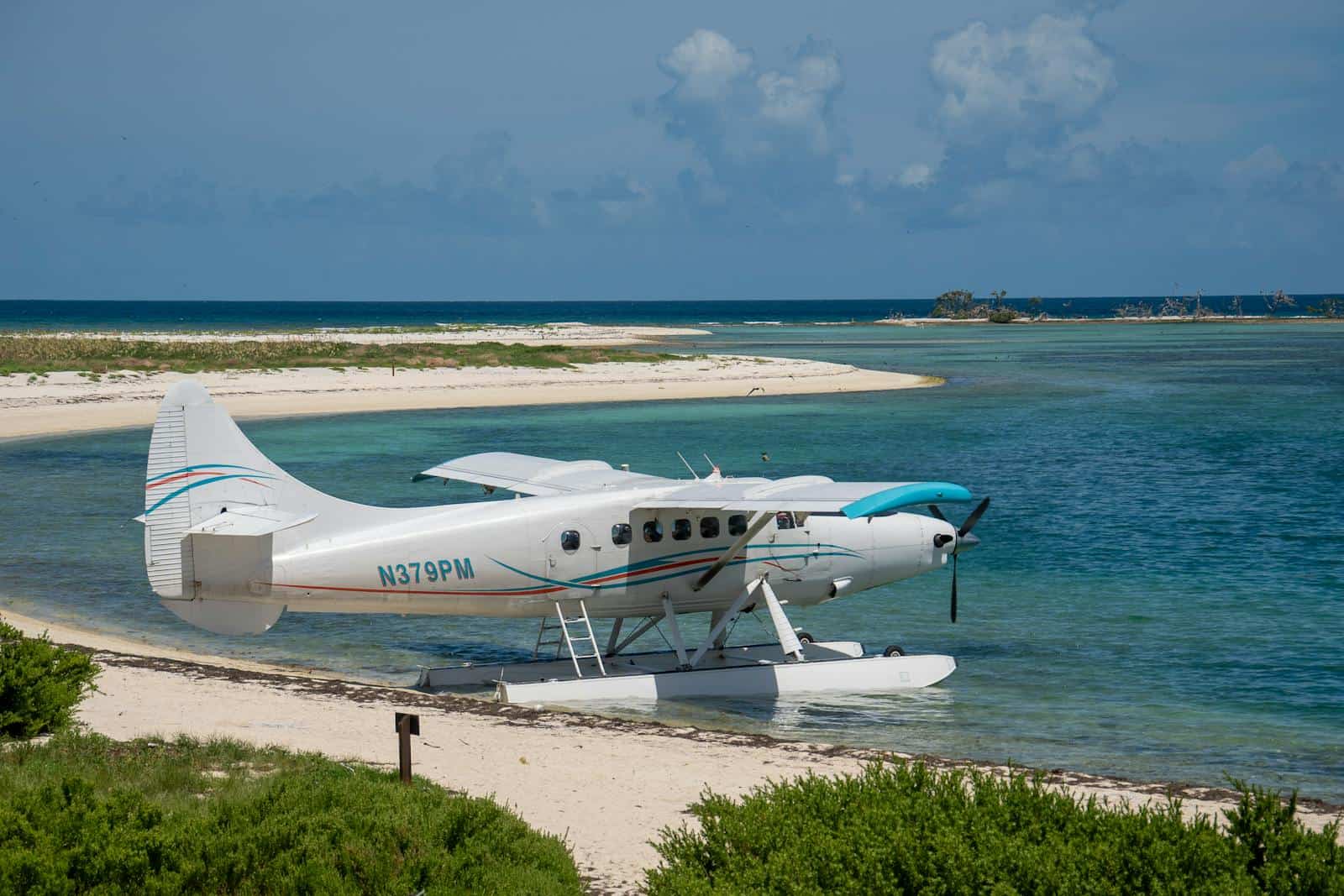
Pilots wanting to deepen their understanding of this topic have several resources available. The FAA’s online learning materials cover foundational concepts thoroughly. Aviation publications like Flying Magazine and General Aviation News provide ongoing coverage of how these topics develop in real-world operations. Type-specific communities for the aircraft you fly often have the most directly applicable information.
The investment of time in these resources compounds over years of subsequent flying. Pilots who treat learning as ongoing rather than complete-at-checkride build the depth of knowledge that distinguishes safe career aviators from minimum-meeting pilots.
Building Personal Discipline Around This Topic
The most useful response to any aviation learning is integrating it into personal discipline. Read about a topic. Reflect on how it applies to your flying. Modify your habits accordingly. Track whether the change produces better outcomes. The reflection-and-adjustment cycle is what converts reading into actual skill development.
Pilots who skip the reflection step often read widely without changing their flying. Pilots who skip the adjustment step often reflect without producing outcomes. The full cycle matters more than any single component.
Aviation as a Lifelong Learning Discipline
Every pilot reading this article exists somewhere on a learning trajectory. Some are early in their journey. Others have decades of experience. The pilots who thrive at every stage share a common trait: they remain students of the discipline regardless of their accumulated certificates.
The trait isn’t accidental. Pilots cultivate it through choices made consistently over years. Choosing humility over expertise. Choosing inquiry over assumption. Choosing engagement over passivity. These choices distinguish pilots whose careers span decades from pilots whose careers end after avoidable incidents.
Practical Next Steps
For pilots ready to apply this material in their own flying, the most effective next step is selecting one specific action this week. Reading without action produces interesting conversation but not improved flying. Specific, measurable commitments produce change.
Pick something concrete. Schedule a specific training event. Have a specific conversation with a CFI. Read a specific resource. Practice a specific maneuver. The commitment to one specific item produces more change than vague intention to “be better.”
The Aviation Community Connection
The aviation community in this country has earned its safety record through countless small choices by individual pilots. Each pilot reading this article is part of that community. The choices made consistently across thousands of pilots determine how aviation works as a system. Your individual choices matter both for your own flying and for the broader community standards.
Make your contribution count. The cumulative effect over decades is what shapes whether general aviation remains accessible, safe, and rewarding for future generations of pilots.