Last Updated: May 4, 2026 | By E3 Aviation Editorial Team
Most pilots know the name. Fewer know the full story.
The Cirrus SR22 entered general aviation in 2001 and didn’t just compete — it reset expectations. Twenty-four years later, it’s the best-selling piston aircraft in the world. Not because Cirrus outspent competitors on marketing. Because they solved real problems pilots had lived with for decades.
This article covers what makes the SR22 worth the attention — from specs and safety systems to generational evolution and what it actually costs to own one.
What Makes the Cirrus SR22 Different From Every Other GA Aircraft
When Cirrus delivered the first SR22 in 2001, the aviation world paid attention. The composite airframe was unusual for production GA. The glass panel was rare. The wide cabin was welcome.
But none of that was the real story.
The Cirrus Airframe Parachute System — CAPS — was the real story. No certified production piston aircraft had ever shipped with a whole-airframe recovery parachute. Cirrus didn’t add it as an option. They built it in from day one and designed the airplane around it.
That decision changed how pilots, insurers, and regulators thought about GA safety. It created something new: a fast, capable aircraft that was survivable in ways the traditional GA fleet wasn’t.
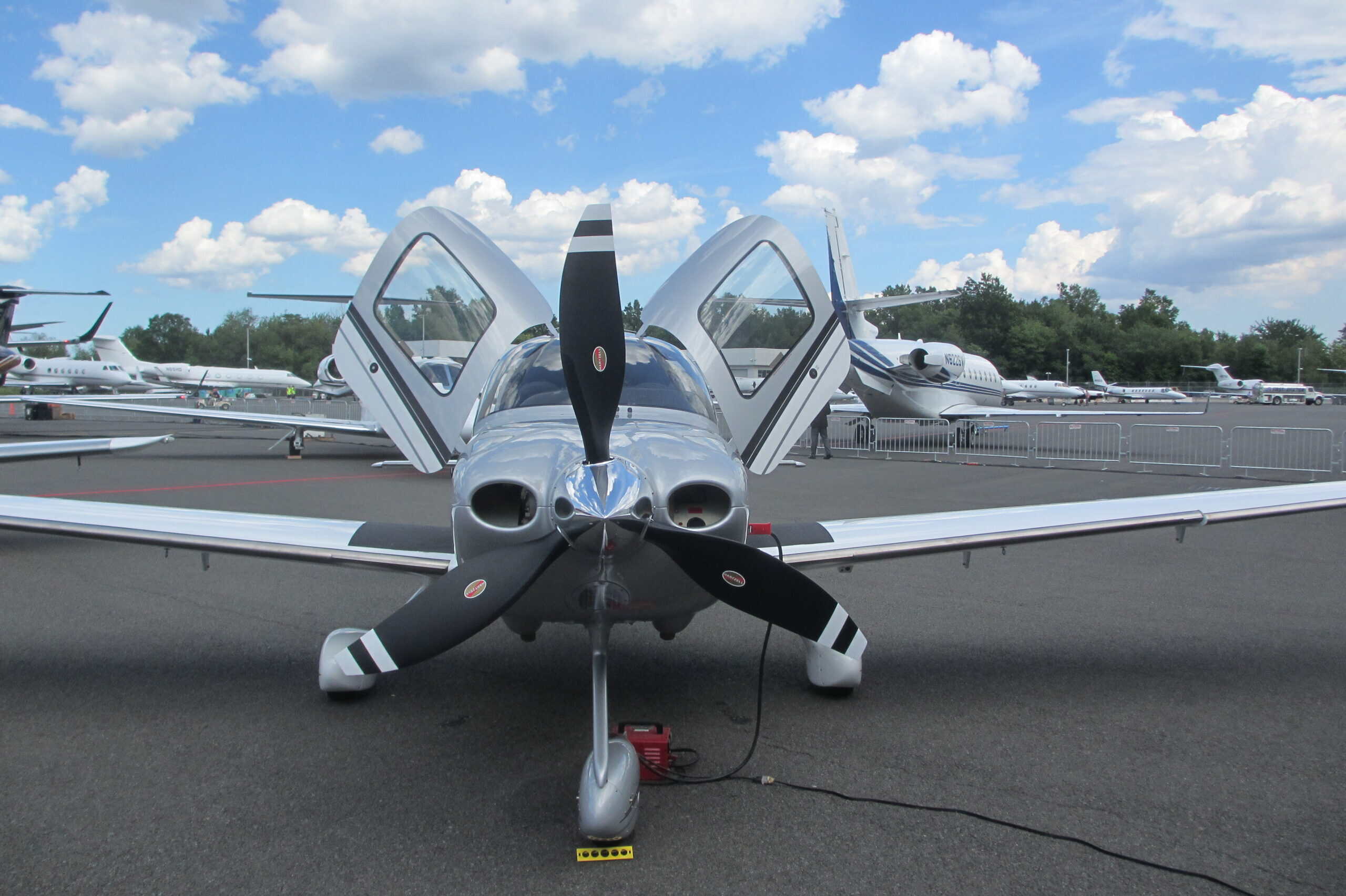
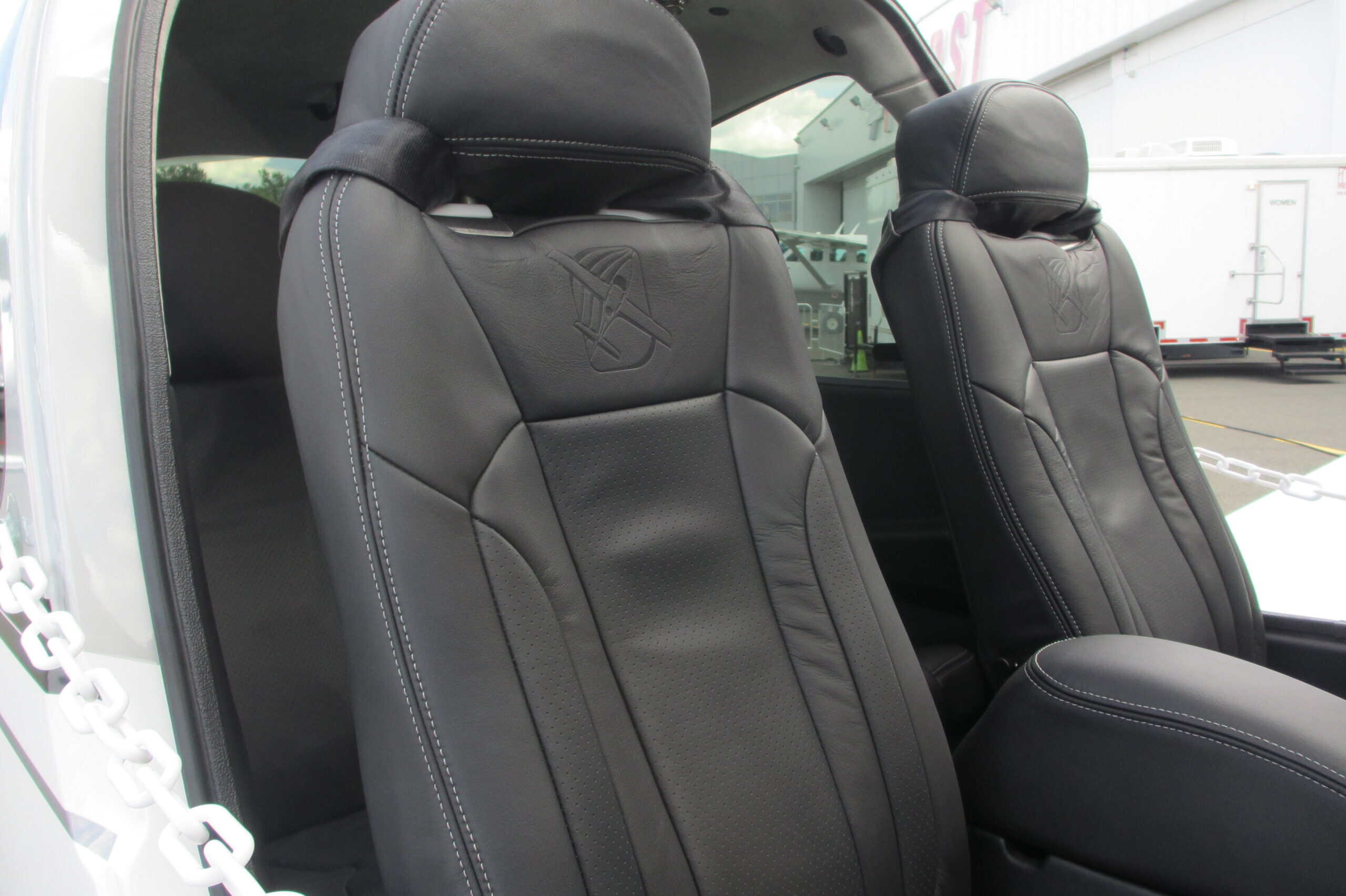
Beyond CAPS, the SR22’s design reflects real pilot feedback. The cabin is genuinely wide — not just “wider than a 172” wide. The door opens naturally. The seating position is reclined, cutting fatigue on long cross-countries. Visibility from the left seat is solid. Entry and exit feel natural even in crowded hangars.
None of these are accidents. They’re deliberate choices. And they’re why pilots who fly the SR22 tend to stick with it.
Cirrus SR22 Specs and Performance Numbers That Matter
The Cirrus SR22 uses a Continental IO-550-N engine producing 310 horsepower. Cruise speed reaches approximately 183 knots true airspeed at altitude. Useful load runs roughly 1,100–1,150 pounds depending on the year and options package.
IFR cross-country range sits at 950–1,050 nautical miles with reserves. Total fuel capacity is 92 gallons — 81 gallons usable on standard tanks. The long-range option brings usable fuel to 94.1 gallons.
The turbocharged SR22T steps up the performance. It runs a Continental TSIO-550-K rated at 315 horsepower. Cruise speed climbs to about 213 KTAS at FL250. Range extends past 1,200 nautical miles. That altitude capability opens weather routing the naturally aspirated model can’t reach.
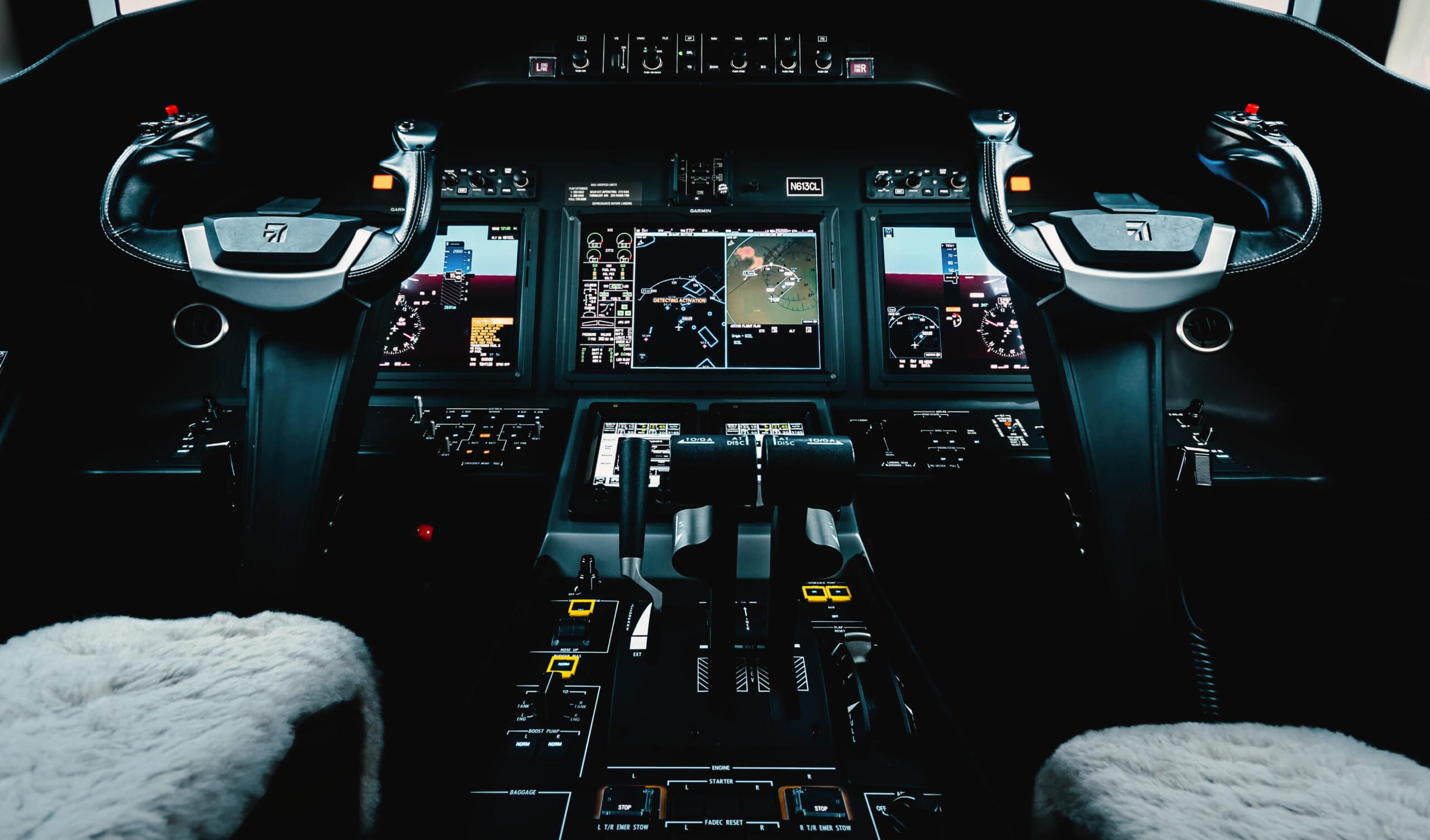
Modern SR22s ship with Garmin Perspective+ avionics standard. That means dual G1000 NXi displays, integrated autopilot, and synthetic vision. Factory ADS-B in and out is also standard. Pilots stepping from steam gauges need time with the panel — but the capability is there from the first flight.
Engine and Fuel: What You’re Actually Burning
The IO-550-N is a fuel-injected, six-cylinder engine. It runs on 100LL avgas. TBO is 2,000 hours. Oil capacity is 8 quarts.
Fuel burn at 75% power runs around 16–17 GPH. At 65%, plan for 14–15 GPH. Pilots using lean-of-peak techniques report 12–13 GPH with modest speed reductions. For trip planning, 16 GPH is the safe conservative number.
The SR22T burns more — closer to 18–20 GPH at high cruise. The altitude and speed gains offset the fuel cost on longer legs.
How Far Can the SR22 Really Take You?
Published range figures are a starting point. Your actual range depends on altitude, winds, power setting, and reserve requirements.
With 81 gallons usable and 16 GPH at 75% power, you get roughly 950 nautical miles of practical IFR range. That’s Atlanta to Dallas. Seattle to Phoenix. Chicago to Nashville. It covers most of the cross-country routes pilots actually fly.
The long-range tanks add 50–80 NM depending on conditions. That’s meaningful when you’re trying to stretch a leg past a convenient fuel stop.
One more number worth tracking: the SR22’s service ceiling is 17,500 feet MSL. That’s not stratosphere territory, but it’s enough to top most weather and get favorable winds on a lot of routes across the continental US.
CAPS — The Safety System That Changed General Aviation Forever
CAPS stands for Cirrus Airframe Parachute System. It’s a rocket-deployed parachute that lowers the entire aircraft to the ground at survivable descent rates. The handle is red. It mounts in the headliner above the pilot’s seat. Pulling it is one of the most consequential decisions a GA pilot can make.
FAA certification for CAPS on the SR22 came in October 2000 — before the first production aircraft left the factory. Cirrus didn’t retrofit a parachute onto an existing design. They built the airplane around it from day one.
As of December 2024, CAPS had been deployed 132 times. Those deployments saved 269 lives. The NTSB has documented survivable outcomes in accidents that would have been fatal in comparable aircraft without the system.
CAPS has worked in engine failures, fuel exhaustion, icing encounters, and spatial disorientation. It’s not a single-scenario tool. It’s a last-resort option for situations where continued flight isn’t survivable.
The parachute itself is a 61-foot diameter ballistic chute. Deployment takes about 8 seconds from handle pull to full inflation. Descent rate is approximately 1,700 feet per minute — fast, but survivable with proper crash position.
Why Most Pilots Underestimate What CAPS Actually Does
Here’s where we’d push back on traditional GA thinking.
Most pilots trained before the Cirrus era learned to troubleshoot first. Keep flying. Manage the emergency. Pull the handle last, if ever. Cirrus teaches the opposite: pull early, pull with altitude, and don’t second-guess it.
The data backs this up. Most successful CAPS deployments happen when pilots pull with 500 to 1,000 feet of altitude or more. Deployments at 300 feet AGL or below are less likely to succeed.
That changes the decision framework entirely. If you’re IMC over terrain with no good options, pull now. Don’t wait through two more troubleshooting steps. For pilots trained in traditional GA, that mindset shift is harder than it sounds.
But 269 saved lives make the argument better than any instructor can.
The G-Series Evolution: How the SR22 Improved Every Generation
The Cirrus SR22 has gone through six major production generations since its 2001 certification. Each one refined the platform without abandoning what made it work.
G1 (2001–2003): The original. 310 horsepower, Avidyne or Garmin avionics depending on trim. The airframe was proven; the avionics were still evolving.
G2 (2004–2006): Improved CAPS deployment system. Updated interior. Cleaner avionics integration throughout the panel.
G3 (2007–2010): Cirrus Perspective avionics became standard across the lineup. Full glass panel and integrated autopilot. This is where the modern SR22 experience began. G3s are still strong cross-country machines today.
G5 (2011–2012): Updated interior trim, cooling improvements, and new wheel fairings. The platform matured here.
G6 (2013–present): Perspective+ avionics. Four-blade composite propeller. USB charging in the cabin. Higher gross weight options on select configurations. The G6 is the most capable naturally aspirated version Cirrus has built.
Used SR22s hold their value because of this generational consistency. A G3 or G5 still gives you a capable cross-country platform with solid avionics. The airframe geometry stays similar across all generations. Differences show up in systems and refinements — not in fundamental structure. That’s why buyers at every budget level can find a version of this airplane that fits.
Safe Return and What the Latest SR22 Offers
In 2025, Cirrus standardized the Safe Return autoland system across all production aircraft. This is a certified, production-ready system — not a beta feature or optional add-on.
Safe Return integrates with the Garmin Autonomi platform. When activated, it selects a suitable airport and contacts ATC on 121.5. It then descends, configures the aircraft, and lands — all without pilot input. A passenger with zero flight training can trigger it with a single button press.
We’ll be straight with you: Safe Return is the most significant safety advance in piston GA since CAPS itself. Most flights, you’ll never need it. But for a passenger with an incapacitated pilot, it converts a fatal outcome into a survivable one.
Other recent SR22 updates include a revised Garmin Pilot Touch interface, improved cabin materials, and enhanced engine monitoring through EIS integration. AVweb’s piston single coverage tracks these changes as they roll out.
Is the Cirrus SR22 the Right Airplane for You?
That depends on your mission and your budget. Here’s an honest breakdown.
Who the SR22 is built for: Pilots flying 300–800 NM legs on a regular basis. People who need reliable IFR performance, speed, and modern avionics. Owners who want the best safety architecture in production piston GA. This airplane is purpose-built for serious cross-country flying.
Who it’s not ideal for: Primary training. Low-hour pilots without time in complex, high-performance aircraft. Pilots who need a simple, low-cost machine to operate. The SR22 is sophisticated and expensive to own.
Insurance reality: Expect high premiums without time in type. Most underwriters require a Cirrus-specific transition course before they’ll quote reasonable rates. The Cirrus Pilot Proficiency Program is the common choice. Plan for that cost before you commit to a purchase.
Purchase price: G3 SR22s in good condition run $250,000–$320,000. G5s start around $350,000. A new G6 SR22 exceeds $700,000. A new SR22T fully optioned can top $900,000. This isn’t an entry-level purchase.
Annual costs: Budget $20,000–$40,000 per year for insurance, maintenance, fuel, and hangar on a used SR22 depending on how much you fly. Annual inspections on complex composite aircraft cost more than a typical Cessna or Piper. Factor that in.
The bottom line: if your mission fits and your budget allows, the Cirrus SR22 is one of the best-executed production aircraft ever built. No piston competitor matches its combination of speed, range, safety, and avionics. If you’re ready for it, it’s an extraordinary machine.
Cirrus SR22 Training, Insurance, and What to Expect in Year One
Buying the airplane is step one. Getting current in it is step two. And step two matters more than most sellers will tell you.
The Cirrus SR22 is not a high-workload airplane once you know it. But the learning curve is real. The Perspective+ avionics are capable and complex. CAPS changes your decision-making framework entirely. The landing characteristics differ from what most pilots are used to — faster approach speeds, a composite airframe that feels different in crosswinds.
Cirrus offers the Cirrus Pilot Proficiency Program — CPPP — which runs multi-day clinics with factory-trained instructors. Most insurance underwriters require it or an equivalent Cirrus-specific checkout before they’ll bind coverage at a reasonable rate. Plan on completing one within 90 days of taking delivery.
Expect to pay $1,500–$3,000 for the initial checkout depending on location and provider. It’s not optional in practice. And it’s worth every dollar — pilots who complete structured SR22 training have significantly better safety outcomes than those who treat it like a faster Cessna.
What Year-One Ownership Actually Looks Like
First-year SR22 owners consistently report three surprises.
First, the insurance premium. Plan on $8,000–$18,000 for the first year depending on your total time, instrument currency, and whether you completed transition training. That number drops significantly in years two and three as you build SR22 time.
Second, the fuel and maintenance costs. The IO-550-N is not a cheap engine to maintain. Budget for regular oil analysis, proper fuel management, and a borescope inspection at each annual. Find a shop that knows Cirrus — not every A&P has experience with composite airframes and Cirrus systems.
Third, the capability. Most new SR22 owners dramatically underuse the airplane in year one because they’re still learning it. By year two, they’re flying routes they never would have attempted in their previous aircraft. The safety architecture, the avionics, and the range open up a different kind of flying.
That progression is normal. Give it two years before you decide whether the SR22 was the right choice. Nearly every owner who makes it to year two says yes.
Cirrus SR22 Maintenance Realities Owners Should Plan For
Generally, the Cirrus SR22 is a more sophisticated airplane than a Cessna 172, and its maintenance profile reflects that. Specifically, the composite airframe, glass cockpit, and CAPS parachute system all add maintenance considerations beyond traditional GA aircraft. Therefore, smart Cirrus SR22 owners budget for these realities up front.
The CAPS Repack Schedule
First, the CAPS parachute and rocket motor require periodic repacking — typically every 10 years. Notably, the cost of a CAPS repack runs $15,000–$20,000 depending on the SR22 generation. Furthermore, the rocket motor itself has a service life and must be replaced at specified intervals. As a result, smart Cirrus SR22 owners build a CAPS reserve into their annual maintenance budget — roughly $1,500–$2,000 per year set aside for the next repack.
Composite Airframe Considerations
Subsequently, the SR22’s composite airframe requires inspection and repair techniques different from aluminum aircraft. Specifically, hangar storage matters more for composite aircraft because UV exposure and temperature cycling can damage the resin matrix over time. Therefore, indoor hangar space — even at premium rates — typically pays back through reduced cosmetic and structural maintenance costs over the airplane’s life.
Buying a Used Cirrus SR22: What to Look For
Specifically, the used Cirrus SR22 market is more nuanced than most piston single markets. Generally, prices range from around $200,000 for early G1 models to over $700,000 for low-time recent G6 examples. Therefore, knowing what generation you’re looking at and what equipment matters most helps you negotiate effectively.
Generation Differences That Matter at Resale
First, the SR22 generations (G1 through G7) have meaningful differences in performance, equipment, and resale value. Notably, the move to Garmin Perspective avionics in G3 was a significant upgrade. Furthermore, the G5 and later generations brought turbocharged options, advanced autopilots, and Safe Return automated emergency landing systems. As a result, expect $50,000–$100,000 price differences between adjacent generations even for similar age and hours.
Pre-Purchase Inspection Specifics for Cirrus SR22
Subsequently, the pre-purchase inspection on a used Cirrus SR22 should be performed by a Cirrus-experienced shop. Specifically, the airframe inspection requires familiarity with composite damage assessment techniques. Furthermore, verify CAPS service history is current and documented. Notably, request engine oil analysis history and CHT/EGT trend data from the engine monitor — Cirrus SR22 engines often run hotter than other singles, and trend data reveals whether the airplane has been operated within design parameters.
Frequently Asked Questions About the Cirrus SR22
What engine does the Cirrus SR22 use?
The standard Cirrus SR22 uses a Continental IO-550-N producing 310 horsepower. The turbocharged SR22T runs a Continental TSIO-550-K rated at 315 horsepower. Both engines run on 100LL avgas with a 2,000-hour TBO.
How many lives has the CAPS parachute system saved?
As of December 2024, CAPS had been deployed 132 times and saved 269 lives. Cirrus maintains a public deployment log on their website. The NTSB has documented multiple survival outcomes that would have been fatal in comparable aircraft without the parachute system.
Do I need a special rating to fly the Cirrus SR22?
No type rating is required to fly the Cirrus SR22. It’s certified as a normal category aircraft — a private pilot certificate and high-performance endorsement are sufficient for legal operation. In practice, most insurers require a Cirrus-specific transition course before they’ll issue affordable coverage. Budget for it before you buy the airplane.
Sources
- FAA Type Certificate Data Sheet A00009AC — Cirrus SR22
- Flying Magazine — Aircraft Reviews
- AVweb — Aviation News and Pilot Reports
About the Author: This article was written by the E3 Aviation Editorial Team.