Aircraft Tire Care: Ensuring Safety and Performance in Aviation | Aircraft Tire Care
As passionate aviators, we know the thrill of soaring through the sky, the rush of takeoff, and the serenity of landing safely. However, we often overlook a critical component that keeps us grounded and safe—our aircraft tires. Aircraft tire care is essential for maintaining safety, enhancing performance, and extending the lifespan of your aircraft. Consequently, this article explores the importance of proper tire maintenance, best practices for ensuring optimal tire pressure, and tips to avoid common pitfalls.
The Importance of Aircraft Tire Care
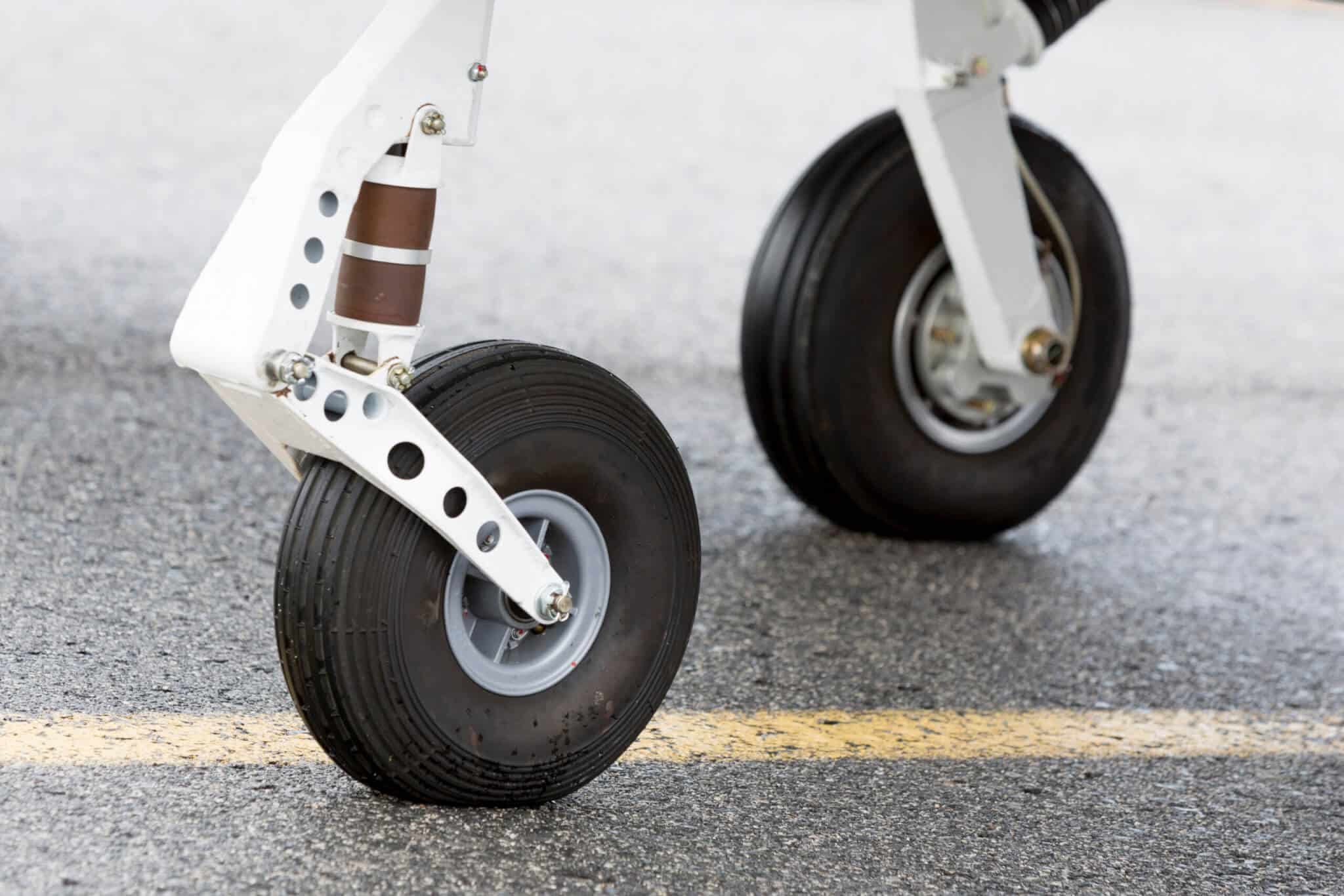
Aircraft tires are the unsung heroes of aviation. Specifically, they support the aircraft’s weight during taxiing, takeoff, and landing. According to the Federal Aviation Administration (FAA), tire failures can lead to serious incidents. As aircraft grow larger and faster, tire demands increase significantly. Therefore, maintaining tires in top condition becomes non-negotiable.
Moreover, proper tire care reduces safety risks. For instance, the E3 Aviation safety resources emphasize regular maintenance. Neglecting tires can cause blowouts or reduced traction. Thus, prioritizing aircraft tire care ensures every flight remains safe and smooth.
Understanding Tire Pressure in Aviation
Tire pressure is critical for aircraft safety. Specifically, the FAA advises checking pressure before each flight. Underinflated tires lose shape, causing excessive deflection. Meanwhile, overinflated tires reduce traction and wear faster. Both scenarios increase risks during takeoff and landing.
Additionally, temperature affects tire pressure. For example, a cold morning can lower pressure significantly. To address this, experts suggest using dry nitrogen. Unlike regular air, nitrogen minimizes corrosion and pressure fluctuations. Consequently, aviation industry organizations recommends this practice for consistent performance.
Furthermore, always check pressure when tires are cold. Use a reliable gauge and follow manufacturer guidelines. This ensures tires perform optimally, enhancing aircraft tire care routines.
Tire Balance and Alignment Basics
Proper tire balance improves flight safety. Notably, tires feature color-coded dots for alignment. For instance, align the red dot with the valve stem. Similarly, a yellow stripe marks the lightest point. This simple step reduces vibrations effectively.
Moreover, unbalanced tires stress the landing gear. According to the the homebuilt aircraft community, vibrations can affect handling. Therefore, aligning tires correctly is a key aspect of aviation tire maintenance. Check out E3 Aviation’s training tips for more insights.
Beyond Safety: Performance and Longevity
Proper tire care boosts aircraft performance. Specifically, well-maintained tires improve ground handling. They also reduce airframe stress and fuel consumption. As a result, pilots enjoy smoother operations consistently.
Additionally, tire care saves money. For example, the National Business Aviation Association (NBAA) notes reduced rolling resistance cuts costs. Thus, investing in aircraft tire care pays off long-term.
Common Tire Care Mistakes to Avoid
Despite its importance, tire care mistakes happen. For instance, using brake fluid near tires damages rubber. Similarly, silicone-based products can degrade tire integrity. Instead, use approved maintenance products only.
Moreover, neglecting inspections is risky. Regularly check for cuts, bulges, or worn tread. According to Aviation Safety Magazine, early detection prevents failures. Visit E3 Aviation’s pre-flight guide for inspection tips.
Tube Care and Maintenance Tips
For aircraft with inner tubes, quality matters. Specifically, avoid cheap tubes that fail in extreme conditions. Reusing stretched tubes also risks safety. Instead, install new, high-quality tubes always.
Furthermore, use proper lubrication during installation. However, avoid petroleum-based products. These degrade rubber over time. Proper tube care complements overall aircraft tire care efforts.
Elevate Your Tire Care Game
In conclusion, aircraft tire care is vital for safety and performance. By maintaining tire pressure, ensuring balance, and avoiding mistakes, aviators enhance their flying experience. Therefore, take responsibility for your tires today. Learn more about aviation safety today! Join E3 Aviation to access exclusive resources.
For more E3 Aviation resources, be sure to visit: https://e3aviationassociation.com
The Fundamentals of Aircraft Tire Care
Aircraft tires need specific care that automotive tire knowledge doesn’t fully cover. Pressure ranges differ from automotive. Wear patterns reveal different operational issues. Inspection requirements are more frequent. The pilots who treat aircraft tires as automotive tires miss problems that develop into failures.
Daily Pre-Flight Tire Inspection
Pre-flight tire inspection should happen every flight, not just first flight of the day. Check pressure visually for sidewall bulging that indicates underinflation. Look for cuts, embedded objects, and tread wear patterns. Check for any indication of contact with brake fluid or other contaminants.
Pressure Management Through the Year
Aircraft tire pressure varies with temperature. The pressure that’s correct at 70 degrees may be 4-5 psi different at 20 degrees or 100 degrees. Pilots who don’t adjust for seasonal changes operate with incorrect pressure half the year.
Tire Replacement Timing
Tire replacement isn’t determined solely by visible wear. Tread depth, sidewall condition, and age all matter. Aircraft tires age even when not used heavily — rubber compounds degrade over time. Tires more than 7 years old may need replacement regardless of visible condition.
The Annual Inspection Tire Review
Annual inspections should include thorough tire review. Pilots can request specific items: tread depth measurement, sidewall inspection, valve stem replacement, and wheel bearing service. The marginal cost is low compared to the safety benefit.
Common Tire Care Mistakes
Three mistakes recur across owner-pilots. Overinflation due to misreading pressure gauges. Underinflation that’s not corrected because tires “look fine.” Deferred replacement when wear becomes obvious. Each is avoidable with disciplined attention.
Building Tire Care Into Routine
The pilots whose tires last longest and perform best build tire care into routine ownership. Monthly pressure checks. Quarterly visual inspection beyond pre-flight. Annual deep inspection during the annual. Replacement before failure, not after.
The E3 Aviation Editorial Team writes for owner-pilots, student pilots, and the small aircraft community. We focus on practical, real-world content that respects your time and your training. Learn more about E3 Aviation.
Last Updated: 2026-05-14
Related Articles
Practical Application of These Concepts
The aviation discipline rewards pilots who apply concepts deliberately rather than reading passively. The pilots who progress fastest in any aviation specialty are those who treat each piece of new knowledge as raw material for actual practice. Build the habit of converting reading into action.
Most pilots underestimate how much their skill development depends on deliberate practice versus accumulated hours. Hours alone produce competence in routine operations. Deliberate practice produces excellence and the resilience that handles non-routine situations safely.
Building Long-Term Aviation Competence
Long-term competence develops through patterns sustained over years and decades. The pilots who maintain currency through varied practice rather than monotonous repetition develop more transferable skills. The pilots who engage with multiple aviation disciplines develop broader competence than specialists. The pilots who maintain mentor relationships through their careers benefit from external perspective.
Each of these patterns requires conscious choice. None happens accidentally. The pilots who flourish over long careers made the choices early and sustained them through the inevitable periods when other priorities competed for attention.
The Cumulative Effect of Daily Disciplines
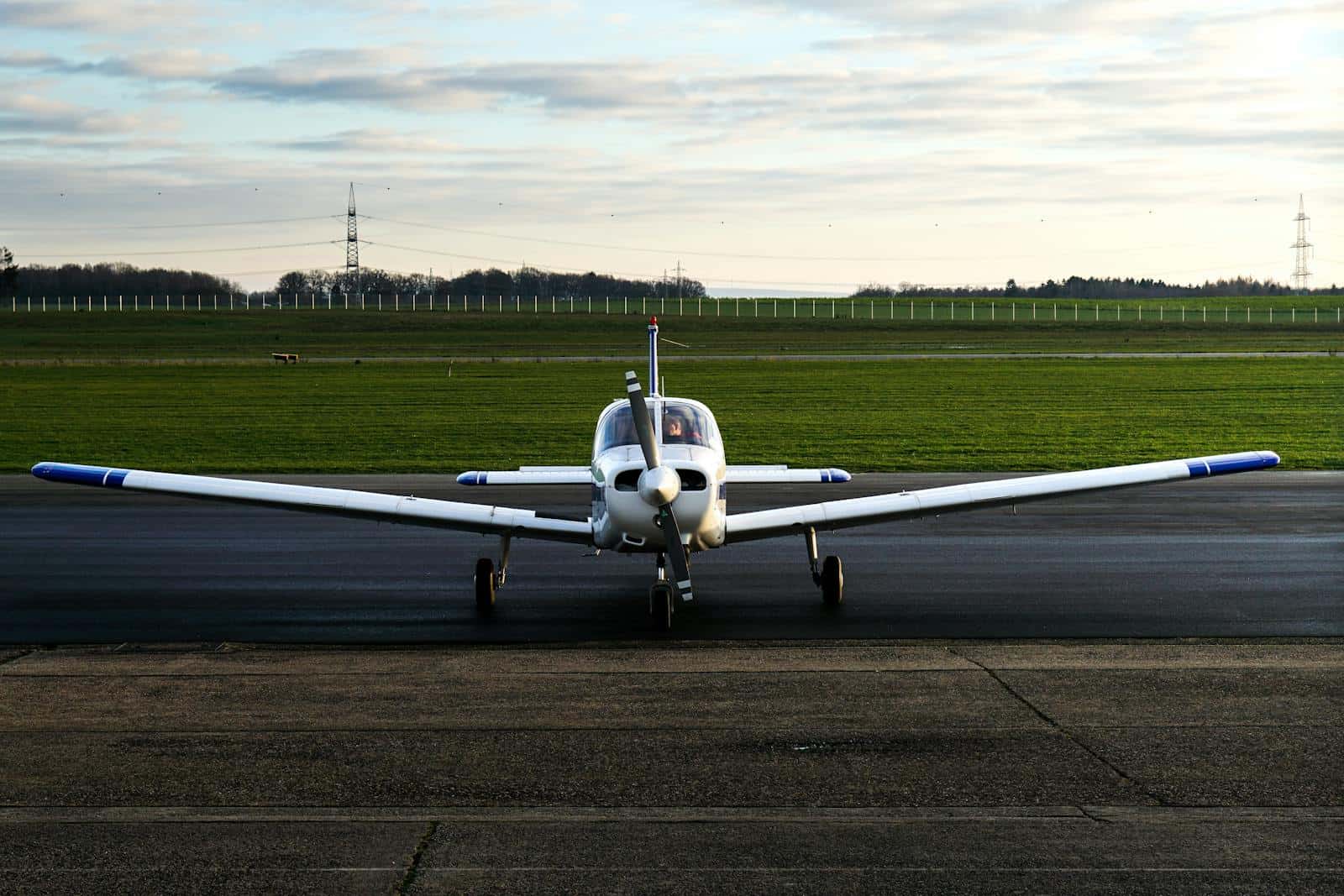
The aviation safety record reflects the cumulative effect of millions of daily disciplines by individual pilots. Each pre-flight inspection. Each weather briefing. Each procedural execution. Each post-flight reflection. The individual acts seem small but their cumulative effect determines whether aviation works as a safe transportation system.
Pilots who recognize their daily choices as contributions to that broader system tend to behave differently than pilots who treat aviation as personal entertainment. The recognition matters for outcomes both at the individual and system level.
Resources for Continued Development
Several resource categories support continued pilot development. FAA online learning materials provide structured education at no cost. Aviation publications maintain ongoing coverage of industry developments. Type clubs and pilot communities share specialized knowledge. Professional training programs offer structured advancement.
The pilots who engage with multiple resource categories tend to develop more comprehensive understanding than pilots who rely on a single source. The variety helps fill gaps and provides multiple perspectives on common topics.
Final Thoughts on Long-Term Pilot Development
Every pilot reading this article exists somewhere on a learning trajectory that continues throughout their flying life. The choices made consistently over years determine where the trajectory leads. The pilots who choose engagement, learning, and humility tend to find aviation continuously rewarding. The pilots who choose minimum compliance, surface engagement, and complacency tend to find aviation eventually frustrating.
The choice belongs to each pilot. Make it consciously. The cumulative effect over decades is what shapes whether your aviation career delivers what you hoped it would when you started.
Practical Application for Your Flying
Taking the principles in this article and applying them in your own flying requires deliberate effort. Reading produces understanding. Applying produces capability. The pilots who develop the most over years are those who systematically convert reading into specific practice and reflection.
Set a specific application goal this week. Schedule a CFI session that addresses one topic from this article. Practice a specific maneuver. Have a specific conversation with another pilot. The deliberate action transforms passive reading into active development.
Building Skills That Compound Over Years
Aviation skills compound in ways that mirror financial compound interest. Each skill built on a foundation of previous skills develops faster than starting from scratch. The pilots who invest in skill development consistently build capability that accelerates rather than just accumulates. The early hours and the early disciplines matter most because they establish the foundation everything else builds on.
For pilots reading this who feel behind, the comforting reality is that aviation rewards consistent effort more than peak intensity. The pilot who flies 50 hours per year for 30 years develops more skill than the pilot who flies 300 hours for 5 years and then stops. Sustained engagement beats sprint engagement.
The Community Element of Aviation Development
Aviation is more community than solitary discipline. The pilots who develop best engage with the broader pilot community in meaningful ways. Type clubs. Local flying groups. Online communities. Mentor relationships. Each provides perspective and learning that solo flying cannot replicate.
The community connections also support emotional aspects of flying. Aviation can isolate pilots from non-pilot friends and family who don’t share the interest. Aviation community provides peers who understand. The connections matter for satisfaction over a long career.
Resources That Support Continued Learning
Several resource categories support ongoing pilot development. The FAA Pilot Education materials provide structured learning at no cost. Aviation publications like Flying Magazine, industry publications, and General Aviation News maintain continuous coverage of relevant developments. Type-specific communities for whatever aircraft you fly share specialized knowledge that general resources cannot match.
The pilots who tap multiple resource categories develop more comprehensive understanding than those relying on single sources. Variety helps cover gaps and provides multiple perspectives on common topics.
Final Reflections on the Aviation Discipline
Aviation rewards pilots who take it seriously over decades. The discipline serves those who serve it. The pilots who give aviation their best attention, learning, and judgment generally receive in return the satisfaction, skill, and adventures that make flying worthwhile.
For every pilot reading this, regardless of experience level, the most important next action is converting reading into specific application this week. The cumulative effect of small specific actions across thousands of pilots determines what aviation looks like as a community and what it delivers for individual pilots over their flying lives. Make your contribution count.
The Long-Term View on Aviation Excellence
Aviation rewards pilots who take the long view. Skills developed deliberately over years compound. Relationships built thoughtfully sustain through career changes and life transitions. Equipment maintained well delivers decades of service. Each dimension of aviation life benefits from the patient sustained engagement that distinguishes pilots who flourish from those who eventually drift away from the discipline.
For pilots ready to take their flying to higher levels, the path forward is straightforward but requires commitment. Identify the specific dimension that matters most to you. Build a deliberate development program around it. Sustain the program through the inevitable periods when motivation flags. Track progress and adjust as needed. The cumulative effect over years produces capabilities that no single training event can deliver.
Pilot Communities That Support Long-Term Development
The aviation community offers extensive support for pilots committed to development. Type clubs provide aircraft-specific knowledge. Regional flying groups share local information. National organizations advocate for the broader interests. Online communities connect pilots across geographies. Each community type contributes something different to a well-rounded pilot life.
The pilots who engage with multiple community types develop more comprehensive support networks than those engaging with single communities. The relationships built through community engagement sustain pilots through challenges that solo pilots face alone.
Final Thoughts on This Topic
Every aviation topic worth writing about ultimately connects back to the same core principles. Preparation, learning, judgment, community. The pilots who internalize these principles regardless of specific topic build the discipline foundation that supports flying across decades. Treat each new piece of knowledge as another opportunity to deepen the foundation.
Building the Habits That Define a Pilot’s Career
Aviation careers are built through habits sustained across decades. The pilots who fly safely into their seventies and eighties share consistent practices that began early in their flying lives. Currency. Continuing education. Mentor engagement. Honest self-assessment. Physical health maintenance. Equipment care. Each habit reinforces the others.
For pilots reading this who recognize gaps in their habit set, the most useful response is starting one new habit this week. Not all at once. The cumulative effect of one new habit sustained for a year compounds beyond any short-term intensity.
The Aviation Discipline Across Pilot Career Stages
Different career stages emphasize different aspects of the aviation discipline. Student pilots focus on skill acquisition. Newer pilots focus on judgment building. Mid-career pilots focus on capability expansion. Senior pilots focus on knowledge transfer and mentorship. Each stage has its own characteristic challenges and rewards.
The pilots who flourish across stages adapt their engagement as their careers evolve. The pilots who get stuck in patterns appropriate to an earlier stage tend to plateau. Career-long growth requires periodic reflection about what the current stage requires.
Closing Notes on This Topic
Every aviation article connects back to the same foundations of preparation, learning, and continuous engagement with the discipline. The pilots who treat the material seriously and apply it deliberately build the kind of flying careers worth having. The pilots who treat aviation as casual recreation rarely reach the depth of skill and satisfaction that serious commitment delivers.
For pilots reading this article, the most useful action is identifying one specific change you can make based on what you read. Specific, measurable commitments produce real change. Vague good intentions rarely do.
The Long-Term View on Aviation Excellence
Aviation rewards pilots who take the long view. Skills developed deliberately over years compound. Relationships built thoughtfully sustain through career changes and life transitions. Equipment maintained well delivers decades of service. Each dimension of aviation life benefits from the patient sustained engagement that distinguishes pilots who flourish from those who eventually drift away from the discipline.
For pilots ready to take their flying to higher levels, the path forward is straightforward but requires commitment. Identify the specific dimension that matters most to you. Build a deliberate development program around it. Sustain the program through the inevitable periods when motivation flags. Track progress and adjust as needed. The cumulative effect over years produces capabilities that no single training event can deliver.
Pilot Communities That Support Long-Term Development
The aviation community offers extensive support for pilots committed to development. Type clubs provide aircraft-specific knowledge. Regional flying groups share local information. National organizations advocate for the broader interests. Online communities connect pilots across geographies. Each community type contributes something different to a well-rounded pilot life.
The pilots who engage with multiple community types develop more comprehensive support networks than those engaging with single communities. The relationships built through community engagement sustain pilots through challenges that solo pilots face alone.
Final Thoughts on This Topic
Every aviation topic worth writing about ultimately connects back to the same core principles. Preparation, learning, judgment, community. The pilots who internalize these principles regardless of specific topic build the discipline foundation that supports flying across decades. Treat each new piece of knowledge as another opportunity to deepen the foundation.