Runway incursion prevention is one of the most critical — and most underestimated — ground safety skills in general aviation. The FAA recorded 97 runway incursions in January 2026 alone. Additionally, general aviation pilots cause the majority of these events every year. The consequences range from close calls to fatal collisions. However, most of these incidents are entirely preventable. This guide covers exactly what causes runway incursions, what the FAA flagged in its landmark March 2026 hot spot update, and the proven pilot habits that keep you off an NTSB report.

What Is a Runway Incursion?
A runway incursion occurs any time an aircraft, vehicle, or person enters or crosses a protected runway area without authorization. Specifically, it includes any situation that creates a collision hazard or results in a loss of required separation between two aircraft — or between an aircraft and a vehicle or person on a runway. The FAA tracks all runway incursions regardless of severity. Understanding the four severity categories helps every pilot grasp exactly how much risk each event represents.
The Four Categories of Runway Incursion Severity
The FAA classifies runway incursions on a scale from A through D. Category A events involve an imminent collision — separation breaks down critically and evasive action becomes necessary immediately. Category B events carry significant collision potential and require extreme evasive maneuvers. Category C events allow ample time to avoid a collision, but a definite risk still exists. Category D events carry no immediate safety consequence but still count as incursions. Most GA runway incursions fall into Categories C and D. However, even a Category D event can escalate in poor visibility, at complex airport layouts, or with a distracted controller.
Runway Incursion Prevention: Why General Aviation Pilots Are the Problem
General aviation pilots of all experience levels account for the majority of runway incursions every year. That is not speculation — FAA data consistently confirms it. Runway incursion prevention therefore starts with self-awareness. No certificate level, no hours in the logbook, and no familiarity with an airport makes any pilot immune to this risk. Pilots flying into unfamiliar airports, flying at night, or rushing to get airborne represent the highest-risk scenarios. Understanding exactly why helps every GA pilot build better habits before they ever start the engine.
Communication Failures Lead the Way
Approximately 62% of runway incursions result from communication errors. These include mishearing a clearance, reading back the wrong runway, or failing to fully process what ATC said. Additionally, non-towered airports carry unique risks — without ATC, positional awareness relies entirely on self-announce procedures and pilot vigilance. The most dangerous scenario involves a pilot who believes they hold a clearance they never received.
For example, a common error occurs when a pilot hears another aircraft receive a takeoff clearance and assumes it applies to them. This “clearance borrowing” remains a leading cause of runway incursions at towered airports. Furthermore, blocked transmissions — where two pilots key the mic at the same moment — mean a clearance gets heard by the controller but not by the pilot intended to receive it. Read back every ATC instruction explicitly. If anything sounds unclear, ask immediately. An ATC correction takes five seconds. A runway incursion investigation takes months.
Distraction and Task Saturation on the Ground
Over 80% of pilot-caused runway incursions happen during taxi to the departure runway. Furthermore, 27% of incidents involve distraction, inattention, or confusion as the primary cause. The ground phase of flight often feels like the least demanding phase. Consequently, pilots program the GPS, review departure frequencies, or talk to passengers while the aircraft moves across the airport surface. This is precisely when most incursions happen.
The solution is sterile cockpit discipline extended to all ground operations. Specifically, all non-essential activities must stop the moment the aircraft begins to taxi. Program the GPS before you call ground. Brief the departure and review taxi routing before releasing the brakes. Then taxi with your eyes outside the cockpit at all times. Additionally, at unfamiliar airports, slow down. A pilot moving at normal taxi speed through complex geometry at an unfamiliar airport has almost no margin for error.
The FAA’s 2026 Warning: 453 Hot Spots at 150+ Airports
In March 2026, the FAA released a major update to its national runway hot spot database. The update flagged more than 150 U.S. airports containing 453 individual hot spots — locations with a documented history or elevated potential risk of runway incursions or collisions. This list spans major hubs like LaGuardia, O’Hare, and San Francisco International. However, it also includes dozens of smaller regional airports where complex geometry creates dangerous ambiguity even at low traffic volumes. California alone contains 34 airports with more than 80 individual hot spots on the updated list.
How to Find and Use Hot Spot Data Before You Fly
Hot spots appear on FAA airport diagrams — the same diagrams found in ForeFlight, Garmin Pilot, FlyQ, and the printed Airport/Facility Directory. Each hot spot carries a number and a brief description of the specific hazard. Before flying into any unfamiliar airport, review the diagram specifically for hot spot markers. Pay close attention to hot spots near runways with parallel taxiways or complex intersecting geometry.
Additionally, the FAA publishes “From the Flight Deck” videos for dozens of airports. These videos provide actual pilot-perspective footage of taxi routes and hot spot areas. They are free on the FAA website and deliver a level of situational awareness that a diagram alone cannot replicate. Reviewing one before a new airport visit takes five minutes. That five minutes could prevent a life-altering event.
What Happens at a Hot Spot Location
Hot spots vary widely in their specific hazard. Some involve confusing signage or poorly marked hold short lines. Others involve unusual runway intersections where geometry can mislead a pilot into believing they hold clearance when they do not. At several airports, the issue involves a taxiway paralleling the runway so closely that a distracted pilot can easily drift onto the active surface.
At Charlotte Douglas Airport, for example, the March 2026 update added construction-related hot spots created by ongoing facility work. Notably, even veteran pilots with hundreds of landings at a familiar airport trigger incursions at spots they have crossed dozens of times. Familiarity breeds complacency — and complacency is the direct ancestor of runway incursions.
Technology on the Frontlines of Runway Safety
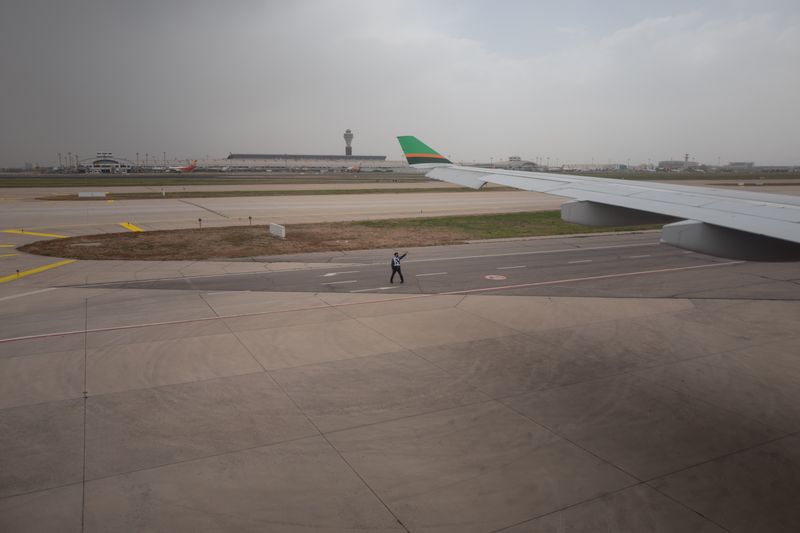
Technology alone does not solve runway incursions. However, several FAA-deployed and cockpit-based tools have shown measurable results in reducing their frequency. Understanding what these tools do — and what they cannot do — helps pilots use them correctly and stay safe even at airports where technology has not yet arrived.
Runway Status Lights: The Automated Red-Light System
Runway Status Lights (RWSL) represent the FAA’s most visible commitment to reducing runway incursions at high-traffic airports. This fully automated system uses real-time surveillance data to illuminate in-pavement red lights at runway entrances and along the runway itself. The lights activate independently of ATC — they respond directly to detected aircraft movement and velocity. Currently, RWSL operates at 20 major U.S. airports. Furthermore, airports with RWSL have seen a 52% reduction in average runway incursion rates. Early data attributes more than 15,000 potential saves to the system since deployment began.
For GA pilots flying into RWSL-equipped airports like LAX, JFK, or SFO, those red lights carry exactly the same authority as a direct ATC instruction. Stop immediately when you see them illuminated — even if you believe you hold a clearance. The system is automated and does not make mistakes. A lit runway entrance light means a conflict exists. Trust it.
Electronic Flight Bags and Airport Moving Maps
Electronic flight bags — specifically apps like ForeFlight, Garmin Pilot, and FlyQ — now offer real-time aircraft position overlaid on airport diagrams. This technology, combined with ADS-B GPS precision, gives pilots a live moving map of the airport surface. Consequently, a pilot can see exactly which taxiway they occupy, which runway lies ahead, and precisely where the hold short line falls.
Studies consistently show that pilots using moving map displays make significantly fewer ground navigation errors. However, effective use requires positioning the EFB for easy glance-and-return access. Using the EFB as a heads-down reference pulls your eyes entirely off the taxiway environment. Glance at the map, then return your eyes outside. Never navigate by the EFB alone.
Proven Runway Incursion Prevention Strategies for Every GA Pilot
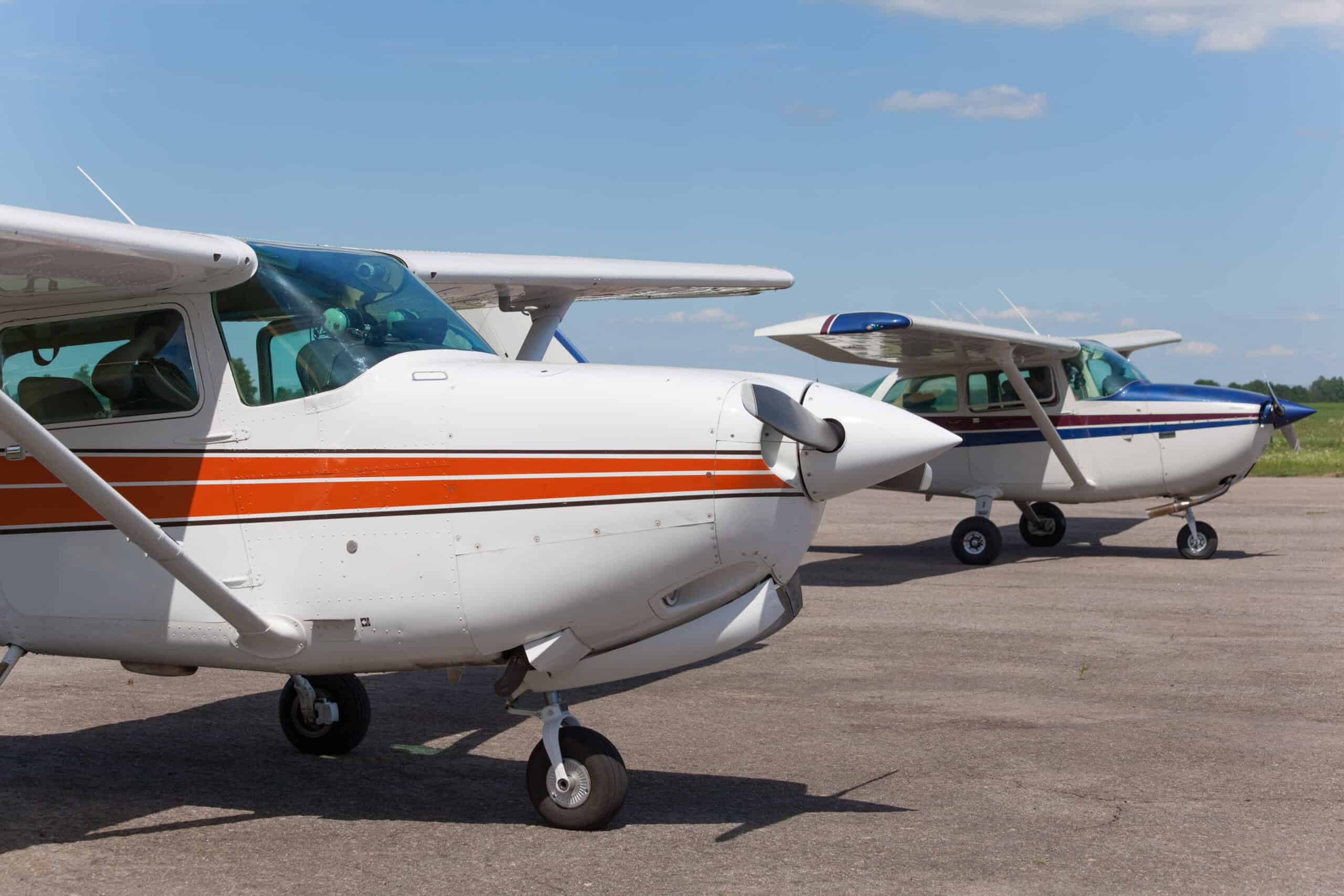
Runway incursion prevention does not require expensive equipment or advanced ratings. It requires disciplined habits applied consistently, every flight, regardless of how familiar the airport feels. The following strategies reflect what professional safety organizations and FAA data consistently identify as the highest-impact behaviors for GA pilots.
Study the Airport Diagram Before Every Taxi
Before calling ground, open the airport diagram and trace your expected taxi route. Specifically, identify every runway you will cross, every hold short line you will encounter, and any hot spots along your route. This pre-taxi briefing takes under two minutes at most airports. At complex airports, it may take five. The investment is worth it every time.
Additionally, write down your taxi clearance as ATC delivers it. Many experienced pilots develop a shorthand system — taxiway letters and runway crossings jotted on a kneeboard or sticky note. At busy airports with complex clearances, writing it down prevents the mental gaps that lead to wrong turns and runway entries. If you miss any part of the clearance, ask ATC to repeat it immediately. There is no shame in requesting clarification. There is enormous cost in proceeding blind.
Radio Discipline and the Critical Readback Habit
Every taxi and runway clearance requires an explicit readback. This is not optional under FAA rules. Moreover, the readback must include the runway number explicitly. Simply saying “wilco” or “roger” is not sufficient. If ATC clears you to “hold short of runway two-seven,” your readback must state “hold short of runway two-seven” word for word.
This confirms that ATC heard your correct call sign and that you processed the instruction accurately. Furthermore, if you receive a hold short instruction and ATC does not confirm your readback, query them before proceeding. Miscommunications between pilots and controllers account for the single largest category of runway incursion causes. A two-second readback prevents a catastrophic outcome.
Best Practices for Runway Incursion Prevention When You’re Unsure
Every pilot eventually feels disoriented on an unfamiliar airport surface. The correct response is always the same: stop the aircraft and ask ATC for clarification. FAA rules specifically support this behavior. Stopping on a taxiway and requesting a progressive taxi — where ATC guides you step by step — is exactly the right call when confusion strikes. Best practices for runway incursion prevention also include never crossing a runway hold short line without an explicit clearance, even if the runway appears completely inactive.
“Appears inactive” is not authorization. Several fatal accidents involved pilots who crossed runways that seemed clear — and were not. The hold short markings represent a hard legal and physical stop until ATC explicitly clears you to cross or enter the runway. Additionally, if you hold a line-up-and-wait instruction for more than 90 seconds without receiving a takeoff clearance, contact ATC directly to confirm your status before entering. Never assume a clearance has arrived if you have not heard it explicitly.
When Arriving: Runway Awareness After Landing
Runway incursions do not only happen during departure. Indeed, arriving aircraft cause a significant share of surface incidents. After landing, a fatigued pilot with the aircraft slowing down and multiple tasks demanding attention — flaps, transponder, brakes, radio — faces the same distraction risk as during departure taxi. Specifically, runway exits and taxiway intersections immediately after touchdown can be confusing at unfamiliar airports. Review exit options before arrival. Know which taxiway you plan to exit onto. After clearing the runway, stop the aircraft completely before beginning any post-landing checklist or cockpit tasks. Then report clear of the runway to ATC before doing anything else.
Training and Resources: WINGS, FAASTeam, and Runway Safety Courses
The FAA supports several training programs that directly address ground safety and runway incursion prevention. Taking advantage of them costs nothing beyond time. More importantly, many of them qualify for WINGS Pilot Proficiency Program credit — which can substitute for your flight review under FAR 61.56.
FAASTeam Seminars and Online Courses
FAASafety.gov hosts a growing library of online courses and safety seminars on runway safety topics. The FAA Safety Team regularly offers live and virtual seminars at FSDOs and aviation events across the country. Additionally, the FAA developed specific remedial training materials for pilots who experienced a runway incursion or surface incident. These are available free of charge at FAASafety.gov.
For pilots flying into complex airports, the FAA’s “Runway Safety: It Starts With You” course provides a structured framework for developing consistent surface safety habits. Furthermore, the “From the Flight Deck” video series now covers dozens of U.S. airports, walking pilots through the most common ground safety challenges at each facility. These resources are free and available on demand. Use them before every trip to an unfamiliar airport.
The WINGS Program and Runway Safety Activities
The WINGS Pilot Proficiency Program is the FAA’s preferred alternative to the traditional biennial flight review. Currently, nearly 70,000 pilots have earned at least one WINGS phase. Each phase requires three knowledge activities and three flight activities. Several of the approved knowledge activities on FAASafety.gov focus specifically on surface situational awareness, ATC communication procedures, and avoiding runway incursions during ground operations.
Completing one full WINGS phase resets your flight review clock for 24 calendar months under FAR 61.56(e). Essentially, you make your proficiency work double duty — sharpen your ground safety knowledge while simultaneously satisfying your flight review requirement. For pilots whose review deadline approaches in mid-to-late 2026, now is an ideal time to work through a WINGS phase focused on runway and surface safety.
What to Do If You Cause a Runway Incursion
Despite every precaution, runway incursions happen to careful, experienced pilots. If you realize you entered a runway without clearance, the immediate priority is communication. Transmit on the active frequency, identify your position clearly, and follow any ATC instructions immediately. Do not attempt a quick runway exit to make the incident disappear — ATC surveillance captures surface movement in real time at most towered airports, and a rapid uncoordinated movement may create additional hazards.
After landing, file a NASA Aviation Safety Reporting System (ASRS) report at asrs.arc.nasa.gov. The ASRS report provides protection from FAA enforcement action under specific conditions. Specifically, filing within 10 days of the incident is one of the key eligibility criteria for the program’s immunity provisions. Additionally, the FAA treats proactive safety reporting as a sign of a responsible pilot. Every ASRS report contributes to the safety data the FAA uses to identify systemic airport hazards — and helps prevent the next incident.
Frequently Asked Questions About Runway Incursion Prevention
What exactly is a runway incursion?
A runway incursion occurs any time an aircraft, vehicle, or person enters or occupies a protected runway area without authorization. The FAA defines it as any occurrence at an aerodrome involving the incorrect presence of an aircraft, vehicle, or person on the surface area designated for aircraft landings and takeoffs. The FAA classifies runway incursions in four categories — A through D — based on severity. Category A involves a near-collision requiring immediate evasive action. Category D carries no immediate safety consequence. However, all four categories count as incursions and the FAA tracks every one of them.
Who causes most runway incursions at U.S. airports?
General aviation pilots cause the majority. FAA data consistently shows that GA pilots of all experience levels account for the largest share of runway incursions every year. Approximately 65% of all incursions involve pilot deviations. Of those pilot-caused events, GA pilots account for roughly 75%. The most common causes are communication errors, failure to comply with signs and markings, and disorientation on unfamiliar airport surfaces. Commercial airline pilots cause fewer incursions due to standardized crew briefings, two-person cockpits, and mandatory recurrent training programs.
How can pilots practice runway incursion prevention in their everyday flying?
Runway incursion prevention starts with consistent pre-taxi habits built into every single flight. Study the airport diagram before every taxi. Write down the clearance as ATC delivers it. Read back every instruction with the specific runway number included. Apply sterile cockpit discipline during all ground operations. Review hot spot data for any airport you have not visited recently. Additionally, complete at least one online runway safety course per year through FAASafety.gov. These habits cost nothing and take minimal time. Over a flying career, they represent the difference between a close call and a fatal accident.
What should I do if I accidentally enter a runway without a clearance?
Stop immediately and transmit your position on the active ATC frequency. Identify yourself, state your position on the runway, and await ATC instructions. Do not attempt to quickly exit to avoid detection — ATC surveillance systems capture surface movement in real time at most towered airports. After the flight, file a NASA ASRS report within 10 days. The ASRS provides immunity protection from FAA certificate action under specific conditions, and filing promptly and voluntarily is a key eligibility criterion. The FAA does not view a single ASRS-reported incursion as evidence of chronic negligence — it views it as responsible safety behavior.
How do I find hot spot information for my home airport or destination?
Hot spots appear directly on FAA airport diagram charts — in the A/FD, in ForeFlight, Garmin Pilot, FlyQ, and similar EFB apps. Each hot spot carries a number and a brief description of the hazard. Additionally, the FAA publishes the complete national hot spot list at aeronav.faa.gov. The most recent update, from March 2026, covers 453 individual hot spots at more than 150 U.S. airports. If your home airport appears on the list, review the specific hot spot descriptions carefully. Share that information with other local pilots. Ultimately, effective runway incursion prevention depends on every pilot in the community treating ground safety as seriously as they treat weather decision-making or fuel planning.
Ground operations are where pilots’ guard comes down most. The cockpit feels familiar, the taxi feels routine, and the hold short line becomes just another marking to cross. However, runway incursion prevention requires the same active attention every single flight. The FAA’s 2026 hot spot update makes clear that this is not a solved problem — it is a recurring one with consequences that range from paperwork to fatalities. For more pilot education, safety resources, and GA coverage, visit the E3 Aviation Association YouTube channel or browse the full article library at E3 Aviation Association.