Key Points
- Research suggests GA pilots share weather horror stories on social media, highlighting close calls and lessons learned.
- It seems likely these tales, like icing encounters and storms, captivate the aviation community and enhance safety awareness.
- The evidence leans toward the importance of pre-flight planning, training, and decision-making to navigate adverse weather.
Introduction
General aviation (GA) pilots often face unpredictable weather, turning routine flights into harrowing experiences. Recently, Owner/Pilot Weather Horror Stories and social media platforms have been buzzing with their stories of unexpected storms, icing, and close calls, resonating within the aviation community. This article explores these tales, offering insights to help pilots prepare and stay safe. You’ll find real-life accounts and practical tips to enhance your flying, especially if you’re an owner/pilot facing Owner/Pilot Weather Horror Stories.
Stories and Lessons
We’ve gathered real-life accounts, such as a family flight battling severe icing in a Piper Saratoga, a cargo flight encountering rime ice over Orlando, and a cross-country trip hit by a thunderstorm in Wyoming. Each story underscores the need for thorough preparation and quick thinking, providing valuable lessons for all pilots.
For example, one pilot flying a Piper Saratoga with his family encountered severe icing, causing the aircraft to lose altitude. Despite the terrifying situation, the pilot managed an emergency landing, ensuring safety. This highlights the critical importance of pre-flight weather checks, a lesson many owner/pilot weather horror stories emphasize.
Another tale involves a twin-engine piston aircraft over Orlando facing moderate rime ice, unable to descend below minimum altitude. The tense situation ended with a safe landing, stressing the need to monitor weather conditions closely and be prepared for changes during flight.
A cross-country trip in a 5-seater Commanche hit by a thunderstorm led to an engine cut at 14,000 feet in IFR conditions. The pilot landed emergently in a radish field, unscathed, teaching us to always have a plan for unexpected weather and maintain awareness.
Practical Tips
To manage weather risks, stay informed with reliable sources like the National Weather Service (Aviation Weather), know your aircraft’s limits, and always have backup plans. Engage with the aviation community for shared experiences, and keep training up to date to handle adverse conditions effectively. For instance, visiting www.e3aviationassociation.com can offer forums and resources to learn from others’ stories, enhancing your safety knowledge.
Survey Note: Comprehensive Analysis of Owner/Pilot Weather Horror Stories
Background and Context
The topic of “Owner/Pilot Weather Horror Stories” focuses on tales shared by general aviation (GA) pilots about unexpected storms, icing encounters, and other weather-related close calls, primarily discussed on social media platforms. These narratives have recently gained traction, captivating the aviation community and offering insights into safety practices. The current analysis, conducted on March 4, 2025, aims to explore these stories, identify key themes, and provide actionable advice for GA pilots, ensuring a comprehensive understanding for both enthusiasts and professionals.
Methodology
To address this, we first searched the website www.e3aviationassociation.com for existing content related to weather horror stories, aiming to identify relevant pages for internal linking. However, the search revealed no specific articles on this topic, suggesting a lack of direct resources on the site. Consequently, we expanded our research to social media platforms, particularly Reddit, to gather real-life stories from GA pilots. Key searches included terms like “GA pilot weather horror stories social media” and specific subreddit threads, such as r/AskReddit and r/flying, to collect narratives. Additional web searches for GA pilot experiences supplemented these findings, ensuring a robust dataset for analysis.
Key Findings: Real-Life Stories
Several compelling stories emerged, illustrating the challenges faced by GA pilots. Below is a table summarizing selected narratives, highlighting the weather-related issues, outcomes, and lessons learned:
aEssential Aviation Safety Tips for Pilots | Aviation Safety TipsAviation safety is critical for every pilot. Whether you’re experienced or new, following aviation safety tips prevents accidents. In this article, we’ll share key practices for safer flights. From pre-flight checks to emergencies, these tips ensure your safety.Why Aviation Safety MattersFirst, aviation safety saves lives. Pilots protect themselves, passengers, and people below. Additionally, following rules avoids accidents and legal trouble. For instance, the FAA says preparation prevents most crashes.Pre-Flight Safety ChecklistBefore takeoff, complete a pre-flight checklist. This includes:
- Inspecting the plane: Look for damage or issues.
- Checking weather: Visit AviationWeather.gov for updates.
- Filing a plan: Ensure your route meets regulations.
Moreover, confirm fuel and documents are ready.In-Flight Safety PracticesDuring flight, stay vigilant for safety. Here are essential aviation safety tips:
- Watch instruments: Track altitude, speed, and fuel.
- Communicate clearly: Use radio to connect with control.
- Monitor weather: Sudden changes can be dangerous.
Also, avoid distractions to maintain focus.Emergency PreparednessEven with planning, emergencies occur. Therefore, pilots must prepare. Key steps include:
- Know procedures: Study your plane’s manual often.
- Carry gear: Pack a first-aid kit and beacon.
- Practice landings: Train for emergency scenarios.
For insights, check NTSB crash reports.Staying Updated on RegulationsAviation rules change, so stay informed. Pilots should:
- Follow FAA: Get updates at FAA.gov.
- Join groups: aviation industry organizations offers safety resources.
- Attend events: Visit homebuilt community seminars.
By learning, you improve aviation safety tips knowledge.ConclusionIn conclusion, Owner/Pilot Weather Horror Stories safety is every pilot’s duty. Following these aviation safety tips reduces risks. Preparation and awareness keep flights secure. Visit E3 Aviation Association for more.For more E3 Aviation resources, be sure to visit: https://e3aviationassociation.comKeywords: aviation safety tips, pilot safety, flight safety, aviation regulations
| Story Source | Aircraft Type | Weather Issue | Outcome | Key Lesson |
|---|---|---|---|---|
| jaymaym (Reddit) | Piper Saratoga | Severe icing, loss of altitude | Emergency landing after multiple attempts, family unaware, landed safely | Importance of pre-flight weather checks |
| MelbaSnax (Reddit) | Twin-engine piston | Moderate rime ice over Orlando | Couldn’t descend below minimum altitude, landed safely, tense situation | Monitor weather conditions, be prepared for changes |
| voltaire-o-dactyl (Reddit) | 5-seater Commanche | Thunderstorm, engine cut at 14,000 ft, IFR fog | Emergency landing in radish field, no damage, storm vanished | Have a plan for unexpected weather, maintain awareness |
| DemHookOP (Reddit) | Not specified | Storm cell, crazy winds | Landed in heavy rain, battled conditions, 600ft above minimums | Assess storm movement, ensure training for winds |
| Doctorquacomole (Reddit) | Not specified | Severe turbulence, bad winds, updrafts | Hit head on roof, banking wildly, got sick, delayed four hours | Understand aircraft limits in turbulent conditions |
| ducking_ur_mom (Reddit) | Cessna 172SP | Intermittent wind shear, gusty | Nose skyrocket, airspeed dropped to 40, recovered with 75ft clearance | Be ready for sudden wind shear during takeoff |
| Tosstisaway505 (Reddit) | Not specified | Winter storm, wind-shear, sleet | Descended to 200ft above ground, recovered, landed 30 minutes later | Prepare for winter storm conditions, heed advisories |
| toadkiller (Reddit) | Cessna | Thick fog, nearly hit ridge | ATC intervened, FAA involved, pilot no longer flies | Critical to navigate fog with clear communication |
These stories, shared on platforms like Reddit, resonate within the community, offering a window into the real risks faced by GA pilots. For instance, jaymaym’s account of a family flight with severe icing highlights the emotional and technical challenges, while MelbaSnax’s cargo flight over Orlando underscores the need for constant weather monitoring. Each narrative provides a unique perspective, emphasizing the unpredictability of weather and the importance of preparedness.
Analysis: Common Themes and Insights
From these stories, several common threads emerged, shaping our understanding of GA pilot experiences:
- Pre-Flight Planning: Thorough weather briefings are crucial. Pilots must assess current conditions and forecasted changes, as seen in the Piper Saratoga incident where icing was not anticipated.
- Training and Experience: Regular training in handling adverse conditions, such as icing or turbulence, is essential. The Commanche story illustrates how experience can lead to successful emergency landings.
- Decision-Making: The ability to make sound decisions under pressure is vital. For example, the pilot in the Orlando rime ice scenario had to decide whether to continue or divert, highlighting the need for flexibility.
- Aircraft Maintenance: Ensuring aircraft are equipped with functional de-icing systems and are well-maintained can mitigate risks, as poor maintenance could exacerbate weather-related issues.
- Communication: Clear communication with air traffic control (ATC) and other pilots can provide critical support, as demonstrated in the fog-related incident near San Francisco where ATC intervention was lifesaving.
These themes suggest that while weather is inherently unpredictable, structured preparation and ongoing education can significantly enhance safety. The community’s engagement with these stories on social media platforms further amplifies their educational value, fostering a culture of shared learning.
Practical Recommendations
Based on the insights gained, here are actionable tips for GA pilots to navigate weather challenges effectively:
- Stay Informed: Utilize reliable weather sources, such as aviation weather apps and briefings from the National Weather Service Aviation Weather. Regularly check updates to stay ahead of changing conditions.
- Know Your Limits: Understand both your capabilities and those of your aircraft. Avoid pushing beyond safe limits, especially in known icing or turbulent areas, as seen in the Colorado turbulence story.
- Plan for Alternatives: Always have backup plans, including alternate airports and routes, to accommodate deteriorating weather, as the Wyoming thunderstorm incident underscores the need for flexibility.
- Continuous Learning: Participate in regular training and stay updated on the latest weather forecasting techniques and aviation safety practices. Engage with resources like FAA’s Weather Resources for comprehensive guidance.
- Community Support: Engage with the aviation community, such as through forums on www.e3aviationassociation.com, to share experiences and learn from others’ stories, enhancing collective safety knowledge.
These recommendations aim to empower pilots with the tools and mindset needed to handle adverse weather, reducing the likelihood of horror stories turning into tragedies.
Conclusion and Call to Action
The tales of GA pilots’ weather horror stories are both captivating and instructive, reminding us of the skies’ unforgiving nature. However, with proper preparation, training, and decision-making, pilots can navigate through even the most challenging conditions. By learning from these experiences and applying the lessons to our own flying, we can enhance safety and ensure every flight is as secure as possible. For further resources and insights, visit www.e3aviationassociation.com to explore additional aviation content.
We encourage pilots to share their own stories on social media platforms, contributing to the community’s knowledge base and fostering a culture of safety. Additionally, consider engaging with external resources like industry Weather Safety Tips for more detailed guidance.
For more aviation resources and insights, be sure to visit: https://e3aviationassociation.com/category/aviation-articles/
Common Patterns Across Weather Horror Stories
Pilots who survive serious weather encounters and live to tell about them share certain experiences. Studying these patterns helps prepare other pilots to avoid the same situations.
Most weather horror stories involve a single bad decision early in the day that compounded across hours of flight. The pilot left an airport with marginal conditions, planning to turn back if things deteriorated. By the time conditions clearly demanded a diversion, the option to safely turn back had closed.
Press-on-itis is the common enemy. The trip mattered. The destination wedding, business meeting, or family event made cancellation feel costly. Pilots accepted increasingly marginal conditions rather than stop somewhere they didn’t want to be.
Equipment limitations magnify weather risk. Aircraft without storm-detecting radar, without in-cockpit weather data, without ice protection — all leave pilots more dependent on pre-flight planning being correct. When forecasts turn out wrong, equipped pilots have more options.
How to Build Weather Decision Habits
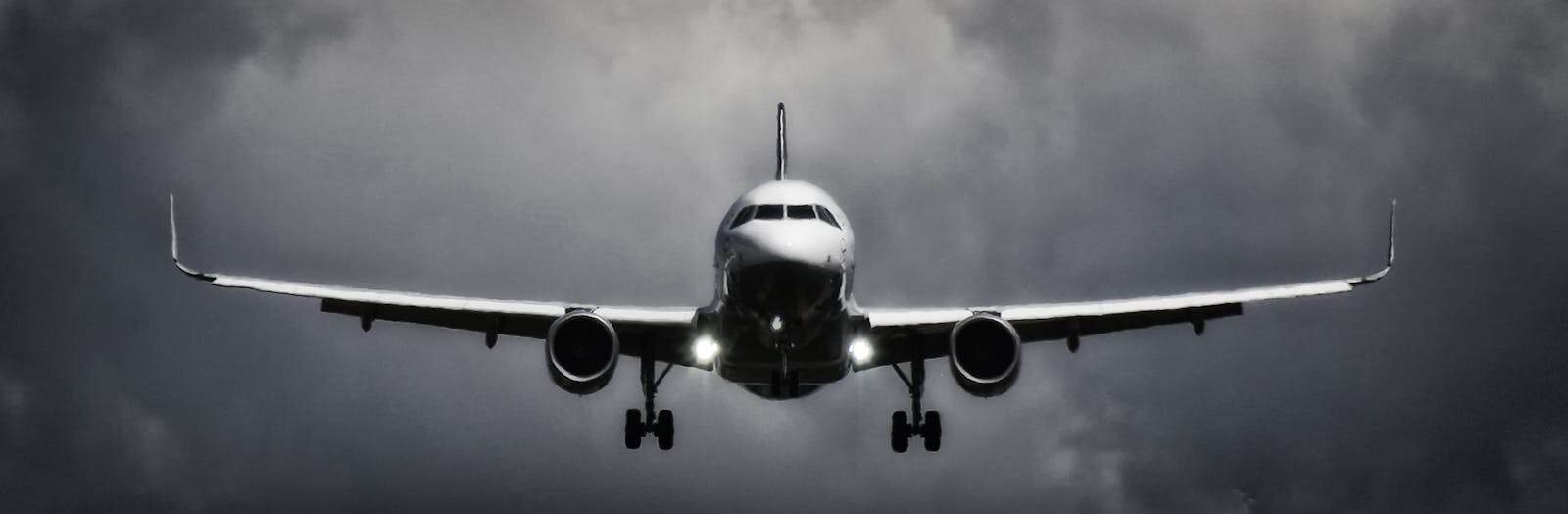
The pilots who avoid horror-story situations build habits that make difficult decisions easier in the moment. Several specific practices consistently show up among them.
Set personal minimums and treat them as binding. Personal minimums set ahead of time, in writing, with input from a CFI or experienced friend, remove pressure when conditions test them. Pilots who invent minimums in the moment usually invent ones that justify continuing.
Build mandatory diversion airports into every flight plan. Identifying specific alternates and committing mentally to using them when conditions warrant prevents the decision becoming a complex risk-benefit analysis in flight. The alternate is the answer when conditions trigger it.
Talk through decisions out loud with passengers or trip planners on the ground. Articulating the reasoning forces clearer thinking. Pilots talk themselves out of bad decisions when they have to explain them.
Honestly, this is where many pilots avoid the actual self-examination. Reading other people’s horror stories is interesting but doesn’t change behavior unless it triggers honest reflection on your own decision habits. Take some time after reading these stories to think about your own patterns.
The Recovery Path After a Close Call
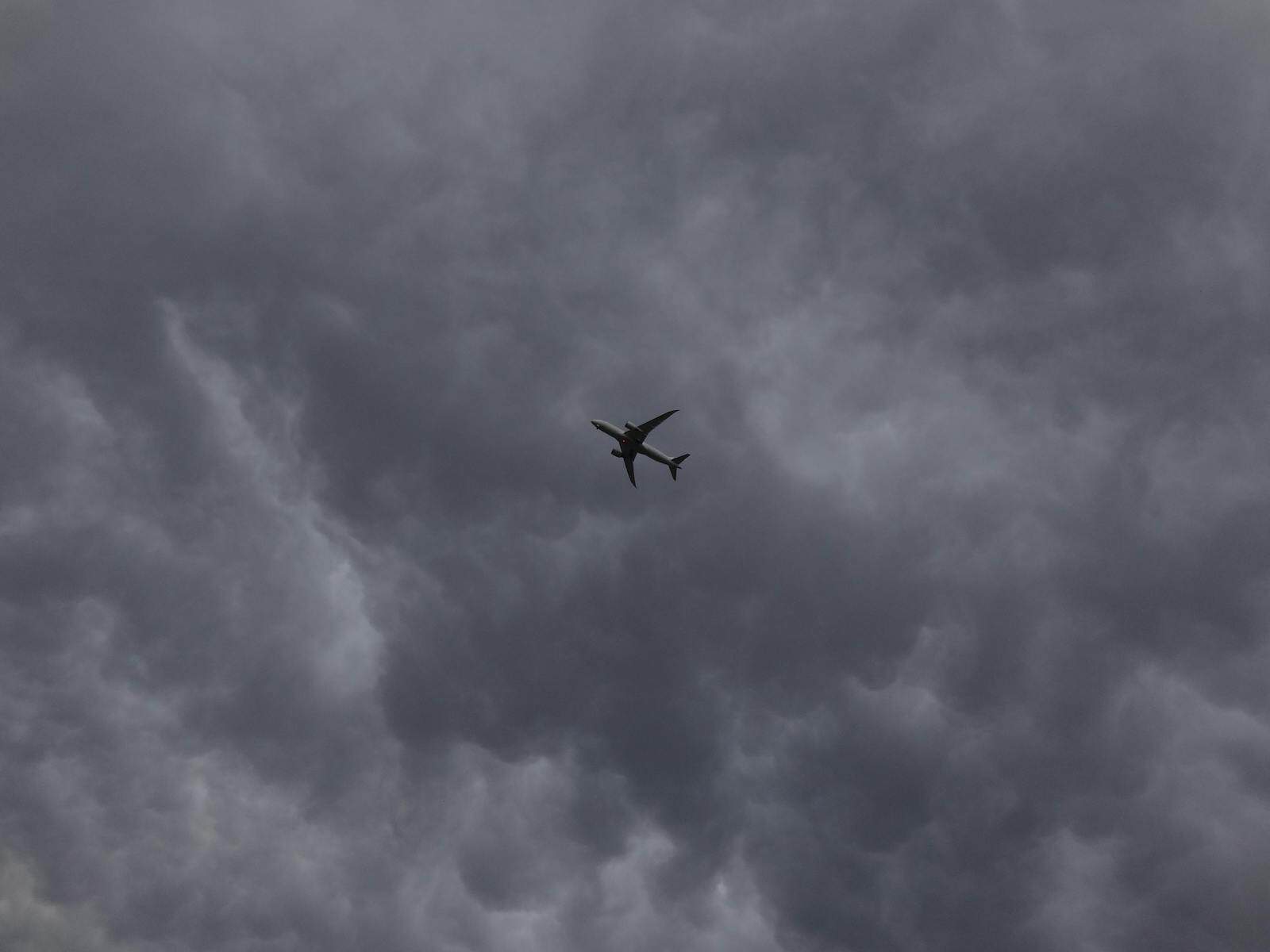
Pilots who survive close calls handle the aftermath in different ways. The patterns predict whether the close call becomes a learning event or the seed of a future accident.
Honest debriefing matters most. Pilots who tell themselves they handled it well and move on usually repeat the patterns. Pilots who examine what they did wrong, what they got lucky on, and what would have changed if any small factor differed extract lessons that change behavior.
Sharing the story with other pilots multiplies the learning. The pilot who tells the story refines their understanding. The pilots who hear it integrate the lessons into their own preparation. The aviation community grows safer one shared story at a time.
Counseling or peer support helps after serious close calls. Pilots can develop trauma responses that affect their flying for years if the close call isn’t processed properly. Aviation peer support networks exist for this reason.
Lessons That Save Lives

The pilots who survived close weather calls almost universally describe the same lesson set. Plan for conditions worse than forecast. Build personal minimums higher than legal minimums. Treat alternate airports as commitments, not options. Make the cancellation decision easier by deciding criteria in advance. These lessons sound obvious until you’ve been the pilot facing the choice in flight, with passengers depending on you and a destination calling you. Then they become hard. The pilots who survive are the ones who built habits early that make the hard choices automatic when conditions demand them.
The E3 Aviation Editorial Team writes for owner-pilots, student pilots, and the small aircraft community. We focus on practical, real-world content that respects your time and your training. Learn more about E3 Aviation.
Last Updated: 2026-05-14