Liability in Aircraft Ferry and Delivery Flights
When buying a used plane, understanding liability in aircraft ferry and delivery flights is key. Many owner-pilots face surprises here. This process involves moving the aircraft from seller to buyer. Risks can arise during this time. Clear rules help avoid problems.
Understanding the Basics
Ferry flights move aircraft to new owners. Delivery flights are similar but often include checks. Both carry legal risks. However, many pilots overlook details. Contracts set who pays if something goes wrong.
Key Players Involved
The seller, buyer, and pilot all play roles. The pilot might be hired or the buyer themselves. Insurance covers some risks but not all. Additionally, maintenance history matters a lot. A hidden issue can lead to blame games.
One little-known fact is that standard policies may skip ferry coverage. Pilots should check this early. For example, non-owned aircraft insurance can fill gaps. Learn more about insurance for aircraft you don’t own to stay safe.
Legal Aspects of Contracts
Purchase agreements outline liability in aircraft ferry and delivery flights. They state who handles the move. Waivers can shift responsibility. But, courts look at negligence too. If the pilot errs, they might face claims.
Common Pitfalls in Agreements
Many contracts lack clear terms on delivery. This leads to disputes after crashes. Moreover, verbal deals are risky. Always get it in writing. Trends show more pilots using lawyers for reviews.
A secret tip is to include hold-harmless clauses. These protect parties from certain claims. Yet, they must be fair. Insurance trends in 2025 highlight rising costs for such coverage. Check this comprehensive analysis of aviation insurance for insights.
Insurance Gaps and Solutions
Standard hull insurance might not cover ferry flights. Liability in aircraft ferry and delivery flights often needs extras. Tailored policies address this. However, premiums have surged lately. Owner-pilots feel the pinch.
Types of Coverage Needed
Liability insurance protects against third-party claims. Hull covers the plane itself. Additionally, trip-specific riders help. Negligence by maintenance crews adds layers. Always verify recent inspections.
Few know that some insurers offer ferry endorsements cheaply. This can save money long-term. Rising costs make shopping around vital. Explore navigating the surge in aviation insurance costs for tips.
Risks from Pilot Negligence
Pilots must follow rules during ferry. Weather checks are crucial. But, fatigue often causes issues. Courts hold negligent pilots accountable. Moreover, buyers can sue if delivery fails.
Preventing Negligence Claims
Training refreshes help avoid errors. Logs prove due care. Additionally, dual pilots reduce risks on long hauls. Trends show more claims from poor planning. Safety initiatives push better habits.
A hidden gem is using flight apps for real-time alerts. These cut negligence odds. In hard markets, coverage is tougher. Read about understanding the hard market in aviation insurance.
Maintenance Errors and Liability
Pre-delivery checks miss issues sometimes. This shifts blame to mechanics. However, contracts can protect buyers. Liability in aircraft ferry and delivery flights ties to upkeep. Errors lead to big payouts.
Spotting Maintenance Red Flags
Review logs carefully before flight. Test runs reveal problems. Additionally, hire independent inspectors. Viral stories warn of skipped steps. Post-maintenance risks are real.
Most don’t know that warranty transfers vary by state. This affects claims. Safety after maintenance is key. See understanding general aviation post-maintenance safety risks for more.
The Big Idea and Takeaways
The core message is simple. Secure clear agreements and tailored insurance. This cuts financial and legal risks in ownership changes. Takeaways include reviewing contracts deeply. Also, add specific coverage for ferries. Finally, consult pros early.
Next Steps for Owner-Pilots
Start by talking to a lawyer. Review your insurance policy next. Then, plan the delivery with care. Join forums for tips. These steps build safety.
For more aviation resources and insights, be sure to visit: https://e3aviationassociation.com/category/aviation-articles/
Relevant External Links
- aviation industry organizations on Ferry Flight Protection
- FAA Pilot’s Handbook on Risk Management
- Aviation Insurance Resources
- NTSB Safety Study on GA Accidents
- homebuilt community Legal Resources for Pilots
Discover the ins and outs of liability in aircraft ferry and delivery flights in this in-depth article. Learn how to protect yourself with smart contracts and insurance tips. Perfect for GA pilots buying used planes. #AviationSafety #GeneralAviation #AircraftDelivery #PilotTips #AviationInsurance
SEO keyphrase: liability in aircraft ferry and delivery flights
What Aircraft Ferry and Delivery Flights Actually Involve
Aircraft ferry flights move aircraft between locations on behalf of owners, dealers, or buyers. Delivery flights specifically transfer aircraft from sellers to buyers. Both involve legal and insurance complications that catch many participants by surprise.
The pilot positions themselves between aircraft owner and destination, often without owning either the aircraft or any business interest in the transaction. That intermediate position creates liability exposure most pilots underestimate.
Compensation matters enormously to liability. Paid ferry flights trigger commercial pilot requirements, Part 91 vs Part 135 distinctions, and different insurance considerations than unpaid flights for friends.
The aircraft’s insurance coverage may or may not extend to ferry pilots. The owner’s policy typically requires named pilots or pilots meeting specific qualifications. A ferry pilot outside that scope flies essentially uninsured if anything goes wrong.
Common Liability Pitfalls in Ferry Flights
Three liability pitfalls catch ferry pilots most often. Each is avoidable with proper planning.
Pre-flight inspection responsibilities create ambiguity. If the ferry pilot accepts an aircraft and doesn’t catch a maintenance issue, who’s responsible if that issue causes problems? Without explicit contracts, the answer is often “the pilot who flew it,” even when the seller should have disclosed the issue.
Weight and balance authority depends on documentation. Ferry pilots who fly aircraft outside known operating limits face personal liability for outcomes. Many ferry flights involve overweight or out-of-CG loads when owners want everything moved at once.
Mechanical failures during ferry create complex claims. Was the failure pre-existing? Was the pilot’s operation responsible? Did the maintenance shop miss something? Multiple parties dispute responsibility, and litigation often follows. Pilots who flew the aircraft become defendants almost automatically.
How to Structure Ferry Arrangements Properly
Several practices significantly reduce liability exposure for ferry pilots. Each adds friction to arrangements that pilots and owners often want to keep informal.
Written agreements matter even for friend-favor flights. A simple ferry agreement specifies pilot qualifications, aircraft acceptance procedures, route, weather minimums, and compensation. The friction of producing the agreement is far less than the liability of operating without one.
Pre-flight inspection should be documented in writing. The pilot’s findings during pre-flight, items deferred for later attention, and aircraft acceptance conditions should all be captured. Photos help.
Insurance verification must happen before flight, not after problems develop. Confirm coverage, confirm the ferry pilot is named or meets named-pilot equivalents, and confirm coverage limits are adequate.
Honestly, this is where many ferry arrangements fail. The friction of doing it right feels like overkill until something goes wrong. Then the lack of documentation becomes the central problem.
Insurance Considerations for Ferry Pilots
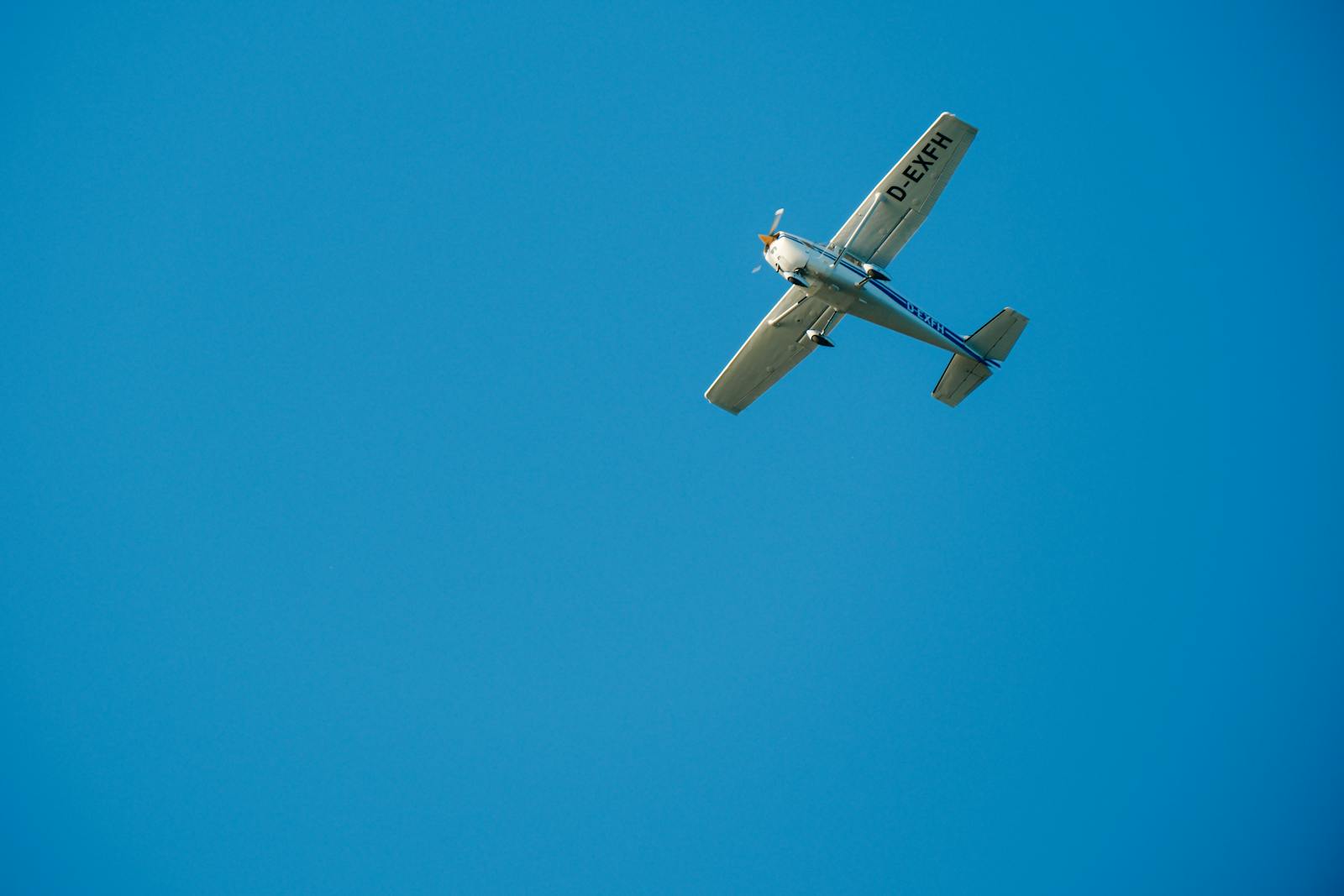
Insurance for ferry pilots requires careful planning. Several specific arrangements work; others leave dangerous gaps.
The aircraft owner’s hull and liability coverage usually extends to ferry pilots only if specific conditions are met. Named pilots, equivalent pilot endorsements, and prior carrier notification all matter. Ferry pilots not meeting these conditions fly essentially uninsured.
Personal pilot non-ownership policies fill gaps that aircraft owner policies leave. These policies cover the pilot’s liability when flying aircraft not owned by them. Premiums run $400-$1,500 annually depending on coverage limits and pilot experience.
For-hire pilots add another layer. Pilots being paid for ferry services trigger commercial pilot requirements and different insurance needs. The distinction between “reimbursement for expenses” and “compensation” matters legally and the FAA has historically scrutinized aggressive interpretations.
Ferry pilot insurance policies specifically designed for the role exist but are expensive ($2,000+ annually) and have specific qualification requirements. Pilots doing regular ferry work usually need them.
When to Walk Away From Ferry Requests
Some ferry requests should be declined regardless of how friendly the relationship or attractive the compensation. Several red flags warrant immediate refusal.
Aircraft with unknown or undocumented maintenance history pose unacceptable risk. The ferry pilot inherits the unknowns. Without solid records, the pilot can’t even understand what they’re flying.
Owners who balk at written agreements signal trouble. Honest owners welcome documentation. Owners who push back are usually trying to preserve flexibility in claims they may eventually make against the pilot.
Time-pressured ferry requests usually contain hidden problems. Owners who suddenly need an aircraft moved within days are often responding to financial or maintenance pressure that makes the ferry riskier than disclosed.
Aircraft requiring special equipment or training the ferry pilot doesn’t have should be declined. The pilot’s qualifications matter for both safety and insurance. Flying outside one’s qualifications is the fastest path to personal liability.
What Ferry Pilots Should Charge for Their Service
Compensation for ferry flights varies widely. Several patterns help establish reasonable rates.
Hourly rates for piston ferry work typically run $50-$100 per flight hour. The variation reflects pilot experience, aircraft type, and route complexity.
Per-mile rates work for longer trips. $1-$2 per nautical mile is typical for piston work, scaled up for complex or turbine aircraft.
Expense reimbursement always applies: fuel, lodging, return travel, meals during travel. These add up and should be documented and reimbursed separately from labor charges.
Insurance and liability premiums should be factored. Pilots who carry comprehensive non-ownership insurance can charge appropriately to recover those costs across multiple ferry flights.
The Long-Term Reputation Factor
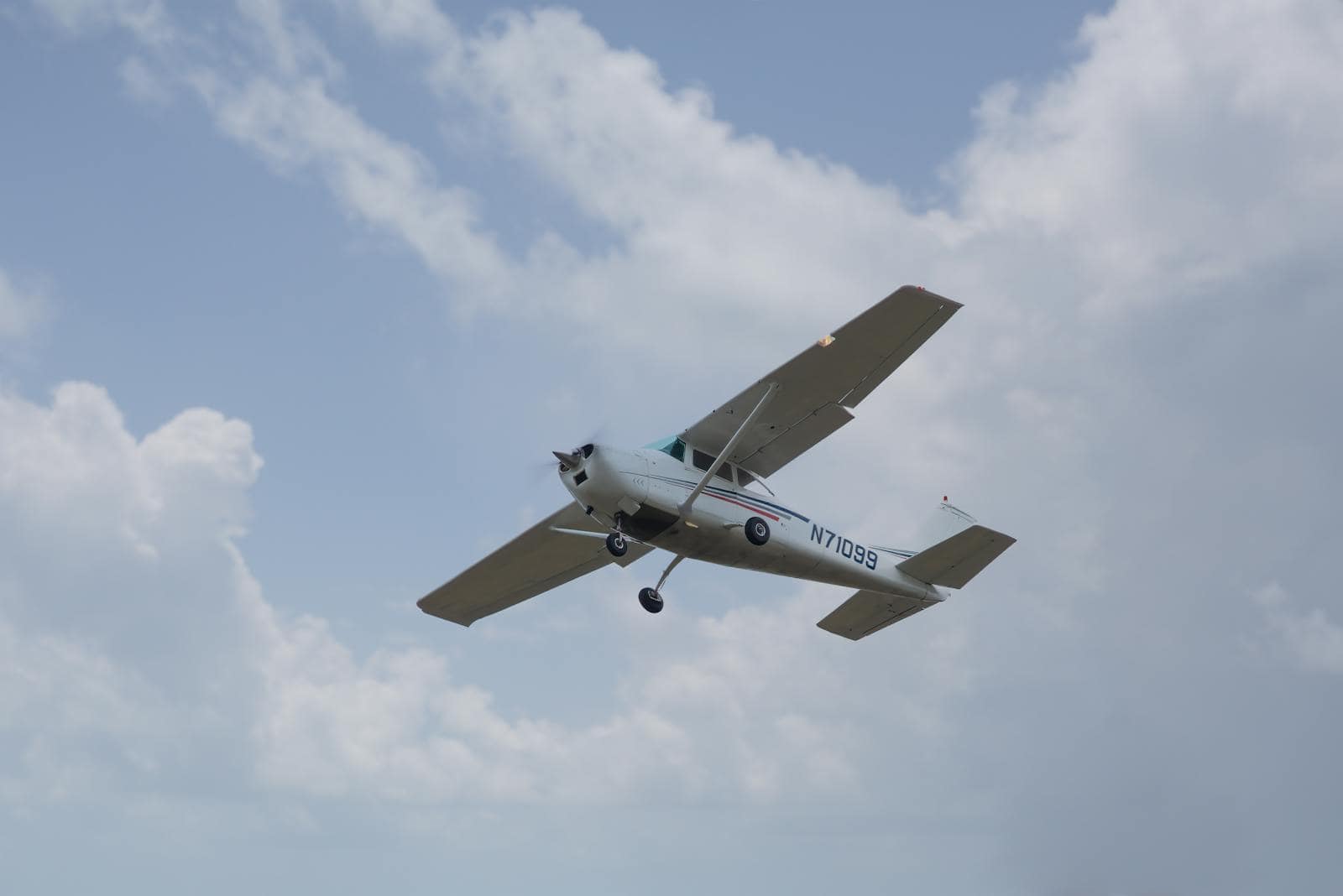
Ferry work is a reputation business. Pilots who handle aircraft carefully, communicate proactively, and document thoroughly build reputations that generate ongoing work. Pilots who skip steps eventually have an incident that ends their ferry careers.
The aviation community is small. Word travels about ferry pilots who damage aircraft, miscommunicate with owners, or fail to fulfill agreed terms. A single bad incident can effectively end a ferry career.
Building positive reputation takes years of consistent performance. Maintaining it requires never relaxing the disciplines that built it. Many pilots who damaged their reputations did so after years of good performance, when complacency set in and they stopped following their own procedures.
The Pilot Community Resources for Ferry Work
Ferry pilots have developed formal and informal resources over decades. Professional ferry pilot associations provide insurance options, contract templates, and peer networks. Aviation forums share regional intelligence about owners and aircraft. Maintenance shops sometimes recommend ferry pilots they trust, providing a stream of opportunities. Pilots considering serious ferry work should engage with these resources before taking commercial flights. The relationships and information they provide significantly reduce the learning curve.
Pilots Considering Ferry Work as a Career Stage
Some pilots use ferry work as a career-building stage between certificates. Ferry hours build cross-country time, experience with unfamiliar aircraft types, and the judgment that comes from operating outside one’s home base. Pilots considering this path should plan deliberately rather than drifting into it. Build relationships with insurance brokers, attorneys familiar with aviation, and experienced ferry pilots before taking commercial work.
The Business Side of Ferry Operations

Professional ferry pilots eventually face business structure decisions. Sole proprietor work has tax and liability implications. LLC formation separates personal assets from business liability. Consulting with both an accountant and an aviation attorney before scaling ferry work prevents structural problems that become hard to fix later.
Common Ferry Pilot Insurance Mistakes
Three insurance mistakes catch ferry pilots regularly. Assuming the aircraft owner’s policy covers them without verification. Missing the named-pilot endorsement requirement. Underestimating the liability gap when commercial activity triggers different coverage requirements.
Each mistake stems from informal arrangements that worked in past eras but fail under current insurance environment. The carriers have tightened terms and pilots who haven’t kept up face avoidable gaps.
Documenting Ferry Trips Properly
Documentation matters more than ferry pilots usually realize. Pre-flight inspection findings, aircraft acceptance conditions, weather decisions, maintenance issues encountered en route — all should be captured in writing. The documentation protects pilots and provides ongoing reference for similar future flights.
Building a Ferry Pilot Reputation
Ferry work generates ongoing relationships when handled well. Owners who had good experiences refer other owners. Maintenance shops recommend reliable ferry pilots. Brokers maintain lists of ferry pilots they trust. Reputation development takes years of consistent professional behavior.
The Long-Term Outlook for Ferry Work
Ferry work as an activity continues to evolve. Insurance terms tighten. Regulatory scrutiny on commercial pilot designations increases. Aircraft technology demands more pilot familiarity than older simpler aircraft. The ferry pilots who succeed long-term keep up with these changes through continued education and professional development.
Final Considerations for Ferry Work
Ferry work represents both opportunity and risk for general aviation pilots. Done properly with appropriate documentation, insurance, and discipline, it builds valuable experience and earns reasonable compensation. Done improperly, it creates liability exposure that can affect pilots for years after the flights themselves are complete.
The pilots who succeed in ferry work treat each flight as a professional engagement, not a casual favor for friends. The professionalism shows in every detail — communication, documentation, decision-making, and follow-through.
For pilots considering ferry work as a serious activity rather than occasional favor, invest in the infrastructure first. Insurance, contracts, accounting structure, and professional relationships all matter. The investment pays back over many flights; without it, a single bad outcome can end the activity prematurely.
The E3 Aviation Editorial Team writes for owner-pilots, student pilots, and the small aircraft community. We focus on practical, real-world content that respects your time and your training. Learn more about E3 Aviation.
Last Updated: 2026-05-14
Related Articles
For pilots considering ferry work as a meaningful career stage, the investment in proper preparation pays back through both the activity itself and the experience that supports later flying careers. Approach it professionally and the results follow.
The aviation community in this country has earned its safety record through the disciplined work of millions of pilots making good choices in thousands of moments across decades. Each pilot’s small contribution to that record matters more than any single exception ever could.
For pilots ready to engage seriously with this topic, the path forward involves both reading widely and applying lessons in your own flying. Knowledge alone doesn’t change outcomes — applied knowledge does. Make a specific commitment this week.
The aviation industry rewards pilots who take their craft seriously over years and decades. The small daily disciplines compound into the kind of flying careers that endure. The choice belongs to each pilot reading these words.
Aviation continues to evolve in ways that reward continuous engagement and learning. The pilots who keep up benefit. The ones who don’t gradually fall behind in capability, knowledge, and relevance to the modern aviation environment. Choose engagement deliberately.