Airspeed management is the heartbeat of aviation safety, a skill every pilot must master to ensure safe flights. Understanding critical airspeeds like best glide, maximum range, and maneuvering speed can mean the difference between a smooth journey and a dangerous situation. For aviation enthusiasts and professionals, diving into these concepts offers a chance to elevate airmanship. Sites like E3 Aviation Association provide valuable resources for pilots eager to deepen their knowledge. This article explores the essential airspeeds, their practical applications, and the principles behind them, drawing from expert insights to empower safer skies.
Why Airspeeds Matter in Aviation
Airspeeds are more than numbers on a gauge; they’re the foundation of safe flight operations. Each speed serves a specific purpose, guiding pilots through routine flights and emergencies alike. For instance, knowing the best glide speed during an engine failure can extend glide distance, offering precious time to find a landing spot. Similarly, maneuvering speed protects aircraft from structural damage in turbulent skies. Yet, many pilots overlook the nuances of these speeds, unaware of how factors like weight or altitude can shift them. By mastering airspeeds, pilots gain confidence and control, ensuring safer outcomes in any scenario.
Interestingly, airspeed management ties closely to aerodynamics, a topic often explored by experts like Catherine Cavagnaro, a renowned aerobatics instructor and professor. Her work, frequently featured in aviation circles, emphasizes precision in speed control. For example, she notes that turn radius depends more on airspeed than bank angle, a little-known fact that can prevent dangerous miscalculations during maneuvers. Such insights highlight why airspeeds are critical, especially in high-stakes situations where split-second decisions matter.
Best Glide Speed: Your Emergency Lifeline
Best glide speed is a pilot’s lifeline when an engine fails. It’s the airspeed that maximizes horizontal distance for a given altitude loss, allowing the aircraft to glide farther. Typically, this speed aligns with the highest lift-to-drag ratio, often around 60 knots for a Cessna 152. However, weight and configuration, like flaps or gear, can shift this number. A heavier aircraft, for instance, requires a slightly higher glide speed to maintain efficiency.
In an emergency, pilots must act swiftly to establish best glide speed, minimizing drag and maximizing range. For example, retracting flaps and trimming the aircraft can make a significant difference. Yet, a lesser-known secret is that wind direction can drastically affect glide performance. A tailwind can extend your glide, while a headwind shortens it, requiring quick adjustments. Resources like Enhancing Aviation Safety Through Hot Spot Awareness on E3 Aviation Association emphasize situational awareness in such scenarios, helping pilots stay prepared for unexpected challenges.
Maximum Range Speed: Stretching Fuel in a Pinch
When fuel runs low, maximum range speed becomes a pilot’s best friend. This airspeed allows an aircraft to cover the greatest distance per unit of fuel, crucial for reaching a safe landing site during a fuel emergency. For propeller-driven aircraft, it’s often close to best glide speed, while jets require faster speeds due to thrust characteristics. Altitude also plays a role—higher altitudes reduce drag, boosting range.
Pilots facing fuel shortages should adjust to maximum range speed promptly, balancing efficiency with safety. A surprising fact is that small adjustments, like leaning the fuel mixture, can further optimize range, a technique often underused by newer pilots. Moreover, flying at this speed requires patience, as it’s typically slower than cruising speed, testing a pilot’s discipline. Exploring articles like Aircraft Ownership vs. Chartering: Cost Implications on E3 Aviation Association can offer insights into fuel planning, helping pilots avoid such emergencies altogether.
Maneuvering Speed: Your Shield Against Turbulence
Maneuvering speed, or Va, is the maximum speed at which pilots can make full control inputs without risking structural damage. At or below Va, the aircraft stalls before exceeding its structural limits, protecting the airframe. For a Cessna 172, Va might hover around 105 knots, but it decreases with lighter aircraft weight. This makes Va a dynamic number, not a fixed one, a detail many pilots overlook.
In turbulent conditions or during sudden maneuvers, staying at or below Va is critical. However, a common mistake is applying multiple control inputs simultaneously, which can reduce Va’s protective effect. A pro tip is to focus on single-axis inputs—say, rudder or aileron alone—to maintain safety margins. For more on safe flying techniques, check out Mastering Aircraft Land lings: Techniques and Tips for Precision on E3 Aviation Association, which delves into control precision during challenging conditions.
Other V-Speeds: The Unsung Heroes of Safety
Beyond best glide, maximum range, and Va, a host of other V-speeds ensure safety across flight phases. These standardized speeds, defined by aviation authorities, cover everything from takeoff to landing. For instance, V1 determines the maximum speed for aborting a takeoff, while VR signals the moment to rotate. V2 ensures climb capability in multi-engine aircraft after an engine failure. Vx and Vy maximize climb angle and rate, respectively, aiding obstacle clearance or altitude gain.
The table below summarizes key V-speeds and their roles in aviation safety:
| V-Speed | Definition | Importance for Safety |
|---|---|---|
| V1 | Maximum speed for aborting takeoff | Ensures safe stopping within runway length |
| VR | Rotation speed for takeoff | Initiates climb at appropriate speed |
| V2 | Minimum climb speed post-takeoff (multi-engine) | Maintains climb capability with engine failure |
| Vx | Best angle of climb speed | Maximizes altitude gain over short distance |
| Vy | Best rate of climb speed | Maximizes altitude gain over time |
| Vs | Stall speed | Minimum speed for level flight, prevents stalling |
| Vfe | Maximum flap extension speed | Prevents damage to flaps at high speeds |
| Vlo | Maximum landing gear operating speed | Ensures safe gear extension/retraction |
| Vle | Maximum landing gear extended speed | Allows safe flight with gear down |
| Vno | Normal operating speed | Maximum speed for normal operations |
| Vne | Never-exceed speed | Absolute maximum speed to avoid structural failure |
Stall speed (Vs) prevents flight below the minimum safe speed, while Vfe and Vle protect flaps and landing gear. Vno and Vne set limits for normal operations and the absolute maximum speed, respectively. A lesser-known quirk is that V-speeds are often marked on the airspeed indicator, but pilots must still memorize them, as markings can vary by aircraft. Articles like Understanding CTAF in Aviation: A Guide to Effective Communication on E3 Aviation Association highlight how clear communication complements speed management for safer operations.
Practical Principles for Airspeed Mastery
Knowing airspeed numbers is only half the battle; understanding their principles is what saves lives. For instance, best glide speed buys time to troubleshoot or communicate during an engine failure. Maximum range speed demands discipline to resist speeding up, preserving fuel for critical moments. Va requires restraint, ensuring pilots avoid aggressive inputs that could compromise safety.
A fascinating insight from aerobatics experts like Catherine Cavagnaro is that airspeed affects turn radius more than bank angle. This means precise speed control during turns can prevent overshooting or stalling, especially in tight traffic patterns. Additionally, regular practice with V-speeds in a simulator can build muscle memory, making responses instinctive in emergencies. For more on refining flying skills, FAA Updates Flight Training Rules to Simplify and Clarify Regulations on E3 Aviation Association offers updates on training enhancements.
Takeaways and Next Steps
The big idea is simple: mastering airspeeds is the cornerstone of safe airmanship, empowering pilots to handle any situation with confidence. By understanding best glide, maximum range, maneuvering speed, and other V-speeds, pilots can enhance safety margins and protect their aircraft and passengers. To take your skills further, practice these speeds in a simulator or during training flights. Engage with resources on platforms like E3 Aviation Association to stay updated on safety trends. Joining aviation communities or attending webinars can also deepen your knowledge, connecting you with experts like Catherine Cavagnaro. Start today by reviewing your aircraft’s V-speeds and planning a training session to refine your airspeed management.
For more aviation resources and insights, be sure to visit: https://e3aviationassociation.com/category/aviation-articles/
External Resources
- FAA: Best Glide Speed and Distance – Detailed guide on best glide principles.
- aviation industry organizations: Flying Smart by Catherine Cavagnaro – Insights on safety and aerodynamics.
- Boldmethod: Maneuvering Speed Explained – Clear explanation of Va’s role.
- Pilot Institute: V-Speeds Explained – Comprehensive V-speed overview.
- FAA Safety Briefing: Best Glide Speed – Practical emergency tips.
The Critical V-Speeds Every Pilot Should Know
V-speeds form the language pilots use to describe aircraft performance limits. Each speed defines a specific performance condition that affects safety. Memorizing them for your specific aircraft is foundational; understanding what they mean is what separates competent pilots from beginners.
Vne (Never Exceed Speed) is the absolute upper limit. Exceeding Vne risks structural failure. The red line on the airspeed indicator marks this speed. Treating it as a hard limit, not a target, prevents the events that destroy aircraft.
Vno (Maximum Structural Cruising Speed) marks the top of the green arc. Operations above this speed should occur only in smooth air. Turbulence above Vno can exceed design loads.
Vfe (Maximum Flap Extension Speed) limits flap operation. Extending flaps above Vfe can damage the flap mechanism. The white arc on the airspeed indicator marks this range.
Va (Maneuvering Speed) is the maximum speed at which full control deflection is safe. In turbulent conditions, slowing to Va protects the aircraft from structural damage.
Performance V-Speeds for Different Phases of Flight
Beyond the limit speeds, several performance V-speeds matter for takeoff, climb, and landing operations.
Vx (Best Angle of Climb) produces maximum altitude gain per horizontal distance. Useful for clearing obstacles after takeoff. The trade-off is slow forward progress.
Vy (Best Rate of Climb) produces maximum altitude gain per unit time. Standard climb after obstacle clearance. The trade-off is longer time to reach altitude when obstacles are absent.
Vmc (Minimum Controllable Speed) applies to multi-engine aircraft. Below Vmc with one engine inoperative, directional control becomes impossible. Multi-engine pilots commit Vmc to muscle memory.
Vref (Reference Speed for Approach) is typically 1.3 × stall speed in landing configuration. Standard final approach speed across most operations.
How V-Speeds Vary by Conditions
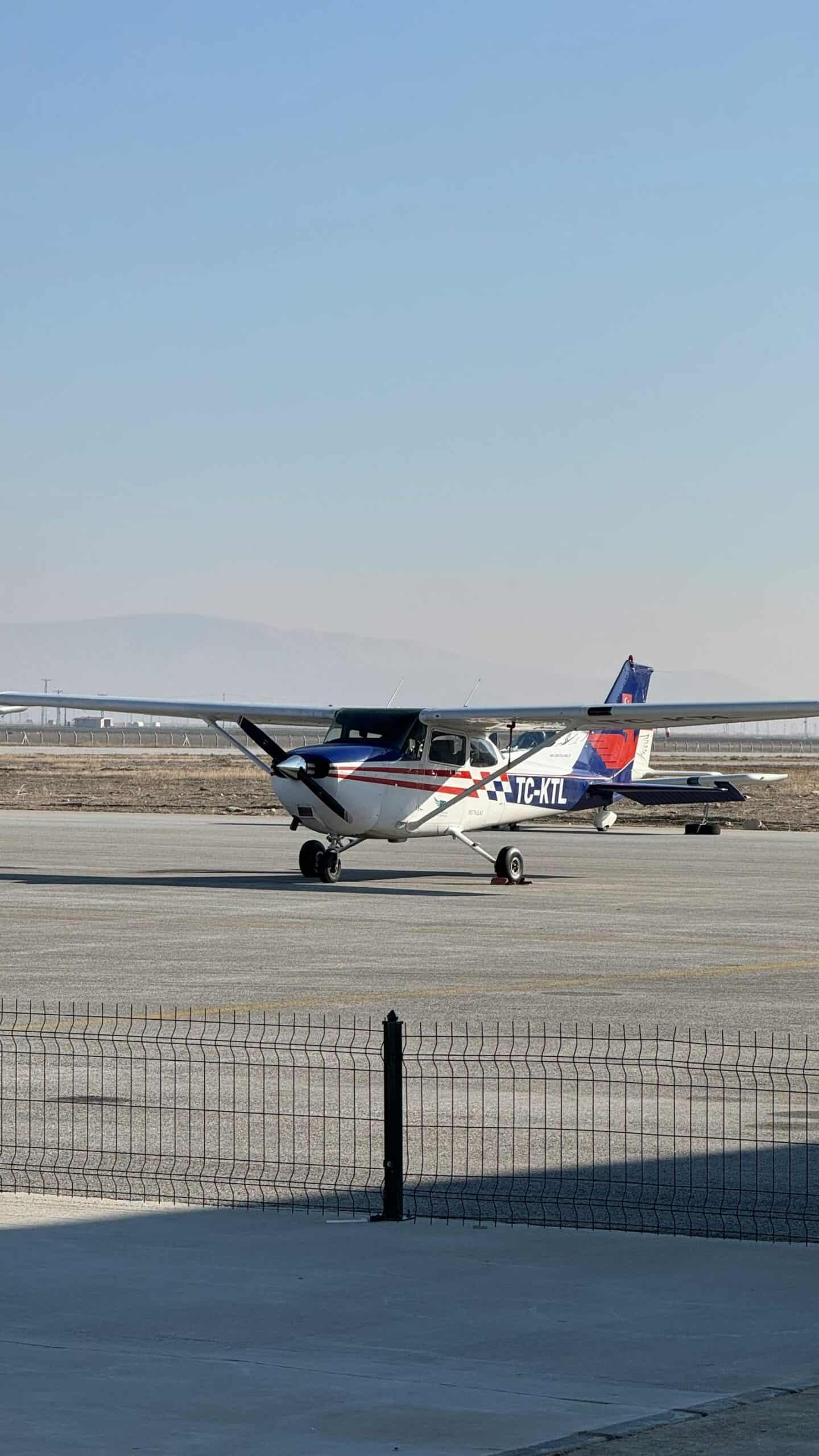
The published V-speeds are baseline numbers that vary with actual conditions. Pilots who use the wrong numbers for actual conditions get suboptimal performance and sometimes degraded safety.
Weight affects most V-speeds. Lighter aircraft have lower stall speeds and shorter takeoff distances. The same aircraft loaded to gross will have higher V-speeds across most categories.
Density altitude affects performance dramatically. Hot, high, and humid days reduce engine power and aerodynamic efficiency. V-speeds remain the same, but performance margins shrink.
Configuration matters. Vref changes with flap setting. Vmc depends on multiple factors including bank angle and propeller condition. Pilots committing to memorized numbers without understanding the conditions get into trouble.
How V-Speed Knowledge Affects Flight Operations
Pilots who genuinely understand V-speeds beyond memorization handle abnormal situations better. Engine failure on takeoff requires immediate Vbg (best glide) for some aircraft. Turbulence encounter requires slowing to Va. Loss of control near stall requires recognition of Vs0 versus Vs1. The decisions happen in seconds. Pilots who understand the speeds make them faster than pilots who simply memorized the numbers.
V-Speed Training Methodology
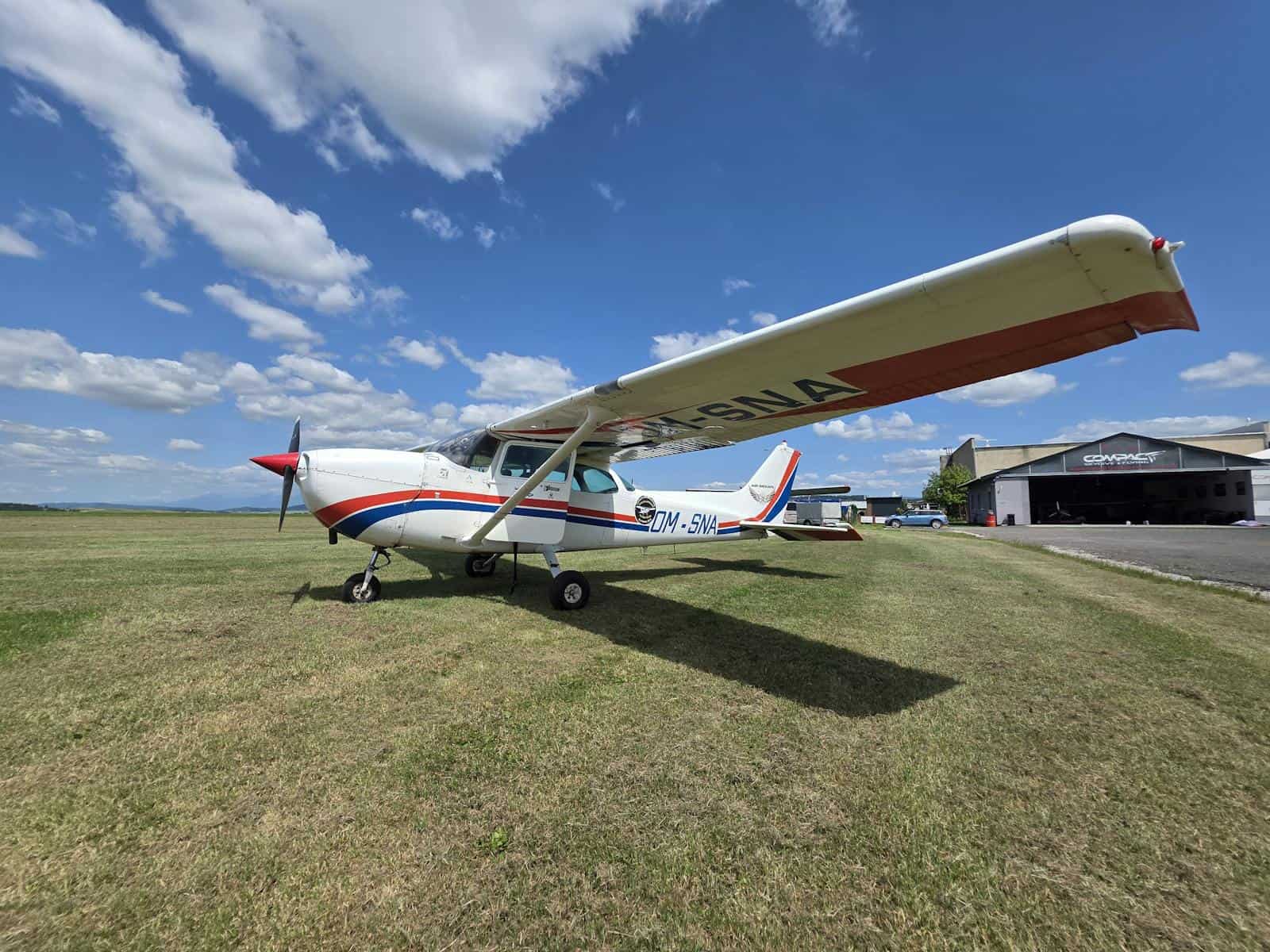
The best V-speed training combines memorization with understanding and practical application. Memorize the numbers for your aircraft. Understand what each represents and why. Practice the maneuvers that depend on them until execution is automatic. Refresh the knowledge periodically through training events that test it.
The Practical Application of V-Speeds in Daily Flight
Daily flight operations use V-speeds constantly even when pilots don’t think about them. Takeoff acceleration past Vr. Climb at Vy. Cruise within green arc. Approach at Vref. Landing flare at appropriate touchdown speed. The numbers shape every flight. Pilots who internalize them through repeated practice fly safer and smoother than pilots who memorized them for the test.
V-Speeds and Currency
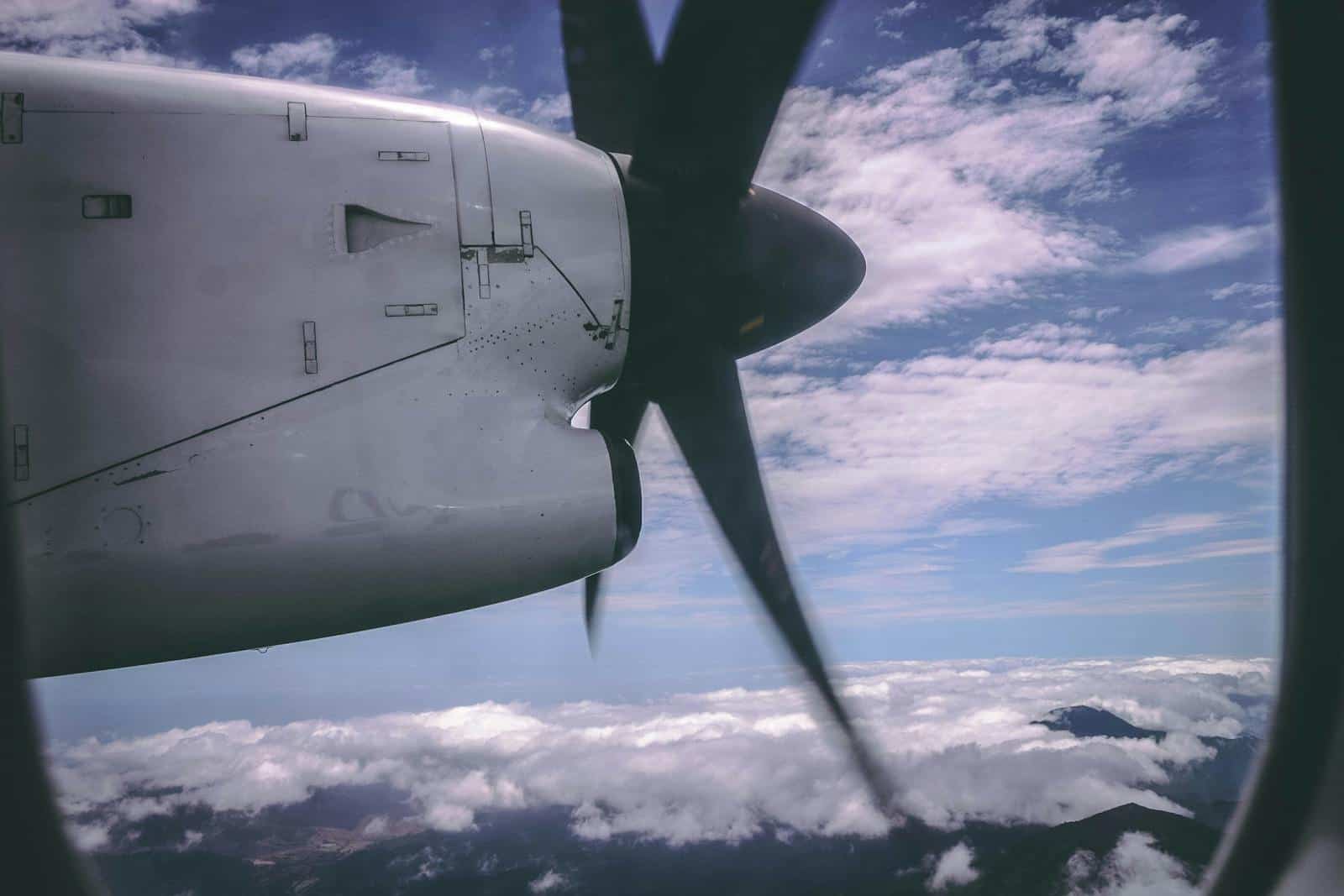
Currency degradation affects V-speed application before it affects raw aircraft handling. Pilots out of practice slow their V-speed processing speed even when they remember the numbers. Recurrent training rebuilds the processing speed alongside the muscle memory.
Resources for Continued V-Speed Mastery
Pilots looking to deepen V-speed knowledge have several resources available. The FAA Pilot’s Handbook of Aeronautical Knowledge provides foundational coverage. Aircraft-specific POH sections explain the specific numbers for your airplane. Online aviation training platforms offer focused V-speed modules. Type-specific communities discuss application nuances in detail.
The investment pays back across thousands of subsequent flights. Pilots who genuinely master V-speeds gain a foundational skill that affects every flight they make for the rest of their careers.
Common V-Speed Mistakes to Avoid
Three V-speed mistakes recur often enough to deserve specific attention. Treating Vne as a target rather than a limit. Using sea-level V-speeds at high density altitudes without adjustment. Forgetting that V-speeds change with weight, configuration, and conditions.
Each mistake stems from incomplete understanding of what V-speeds represent. The pilots who avoid these mistakes are the ones who took the time to understand the speeds beyond memorization.
The Foundation V-Speeds Build
V-speed mastery is one of those flying disciplines that compounds over a career. The pilots who learn them thoroughly during initial training carry that knowledge through every subsequent flight. The pilots who memorize them for the checkride and forget them later find themselves at disadvantage when situations test the knowledge. Invest the time during initial training. Refresh periodically through deliberate practice. The investment pays back across thousands of subsequent flights.
Mastering V-speeds is foundational pilot work that every other piece of aviation knowledge builds on. The pilots who skip this step never quite reach competence in subsequent disciplines. The pilots who master it develop into the kind of skilled aviators that other pilots respect.
For pilots reading this who realize their V-speed knowledge has drifted, the path forward is straightforward. Open the POH for your aircraft. Write down each V-speed and what it represents. Practice the maneuvers that depend on each one. Refresh periodically. The work isn’t complicated — it just takes consistent attention over time.
The flying you do with solid V-speed mastery is qualitatively different from flying without it. The decisions feel automatic instead of effortful. The aircraft responses match expectations. The skill foundation supports everything else you build on top of it.
The E3 Aviation Editorial Team writes for owner-pilots, student pilots, and the small aircraft community. We focus on practical, real-world content that respects your time and your training. Learn more about E3 Aviation.
Last Updated: 2026-05-14
Related Articles
Master your aircraft V-speeds completely. The investment pays back across decades of flying.
The aviation community in this country has earned its safety record through the disciplined work of millions of pilots making good choices in thousands of moments across decades. Each pilot’s small contribution to that record matters more than any single exception ever could.