The DCA Tower Fistfight: Lessons for Pilots from a Viral Controversy | DCA Tower Fistfight
Pilots, buckle up—there’s turbulence on the ground worth talking about: the DCA Tower Fistfight. On January 15, 2025, a brawl broke out in the air traffic control tower at Reagan National Airport. This viral incident, caught on video, has pilots buzzing about safety and professionalism. Let’s unpack what happened, what it means for you in the cockpit, and the lessons you can take away. DCA Tower Fistfight: Lessons for Pilots from a Viral Controversy
What Went Down at DCA?
It was a typical busy evening at Reagan National Airport—until it wasn’t. Two air traffic controllers got into a fistfight right in the tower. A pilot circling overhead caught it on camera, and the clip exploded online. The fight stemmed from a personal spat, fueled by stress and short staffing.
The FAA acted fast, suspending both controllers that night. By March, they were out of a job, and new rules were in place. For a deeper look at how regulations shape aviation, check out FAA Regulations and Their Impact on General Aviation at www.e3aviationassociation.com. This wasn’t just a scuffle—it rattled the aviation world.
The Scene: Stress in the Tower
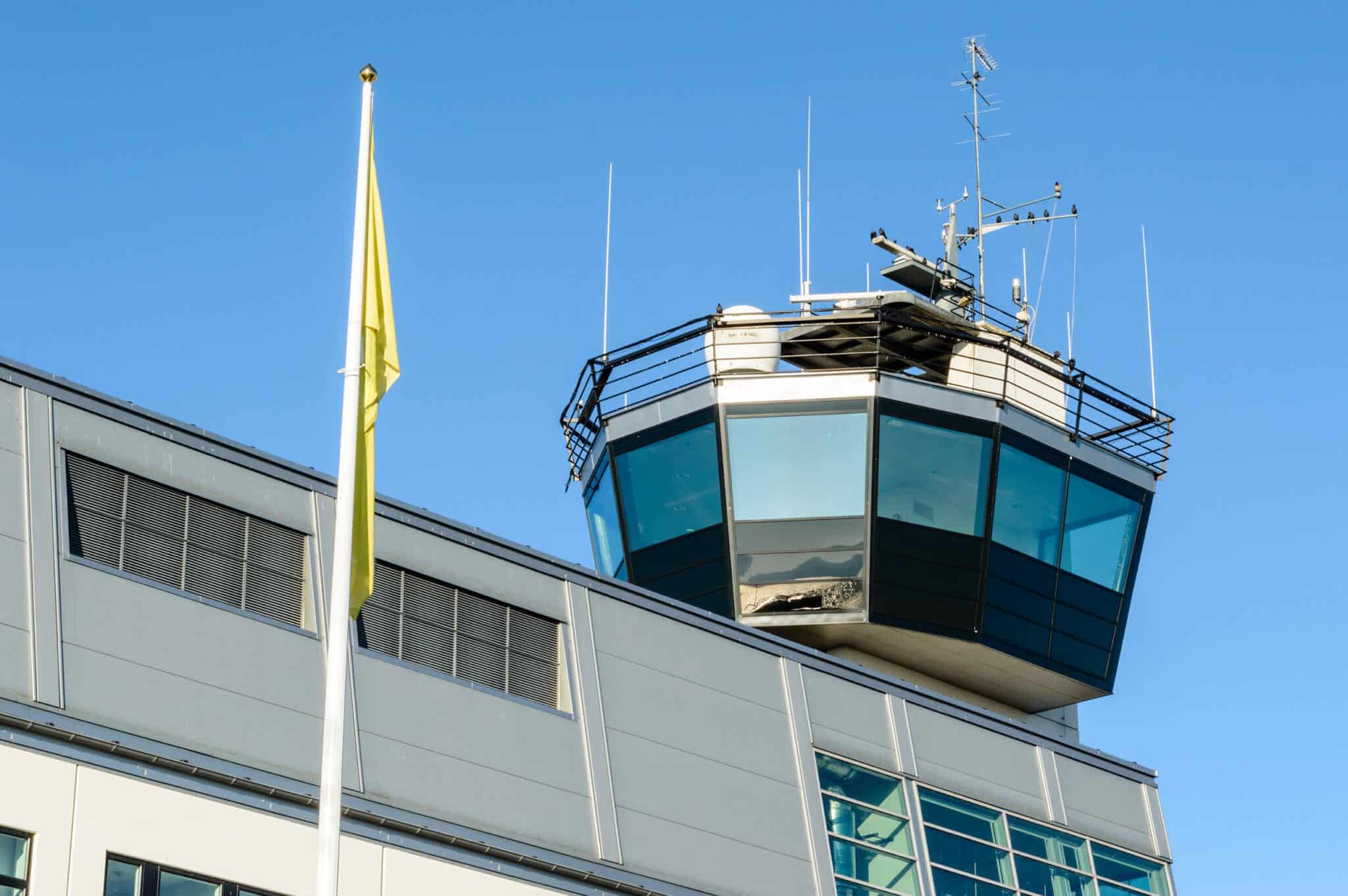
DCA’s tower is a pressure cooker—over 800 daily operations on the nation’s busiest runway. On January 15, the tower was stretched thin, with fewer controllers than needed. Tensions boiled over, and fists flew near the radar screens. It’s a rare glimpse into the human side of ATC.
Here’s a tidbit: controllers were already shaken from a deadly midair collision earlier that month. That crash killed 67 people, piling on the stress. The fight wasn’t just a one-off—it exposed cracks in the system.
Safety Risks: What Pilots Should Know
Distraction in the Hot Seat
Picture this: you’re on final approach, and the tower’s distracted by a brawl. That’s the DCA Tower Fistfight reality. A lapse in focus could mean missed calls or delayed clearances. At DCA, with its tight airspace, that’s a recipe for trouble—like runway incursions or worse.
However, the FAA reported no immediate incidents that night. Still, pilots felt the ripple—delays stacked up as backups took over. Lesson one: expect the unexpected, even from the tower.
Trust Takes a Hit
The fistfight shook pilot trust in ATC. You rely on controllers to keep you safe—when they’re fighting, doubt creeps in. On forums, pilots asked, “Who’s watching the scopes?” It’s a fair question. Communication is your lifeline.
A little-known secret: some pilots now double-check ATC calls at DCA, quietly verifying with onboard systems. The incident highlighted how much you lean on that voice on the radio. Trust can waver, but your vigilance can’t.
Professionalism: A Wake-Up Call
The ATC Image Crack
Controllers are pros—until they’re not. The DCA Tower Fistfight trashed that image. Punching it out mid-shift isn’t just unprofessional—it’s a safety breach. Pilots expect calm under pressure, not chaos.
Interestingly, the FAA’s quick firings sent a message: no tolerance for this. Yet, it left pilots wondering about the bigger picture—stress and staffing gaps. Professionalism starts with support, and this showed where it’s lacking.
Your Role in the Chain
As a pilot, you’re part of the professionalism chain too. The fistfight reminds you to stay sharp, even when ground support falters. Your cockpit discipline—think checklists and calm comms—keeps the system steady.
A hidden perk: some pilots use these moments to practice self-reliance, leaning on tools like TCAS. It’s a chance to shine when others slip. Your professionalism can bridge the gap.
Lessons Pilots Can Learn
Stay Vigilant Always
The DCA Tower Fistfight screams one thing: never assume the tower’s got it all handled. Cross-check ATC with your instruments—especially at busy spots like DCA. Vigilance is your shield.
Moreover, pilots who flew that night said they sensed delays before hearing about the fight. Trust your gut—if something feels off, dig deeper. It’s a skill that saves lives.
Communicate Clearly
When ATC’s distracted, your radio calls matter more. Keep them crisp and clear—repeat if needed. The fistfight showed how fast things can unravel. Clarity cuts through chaos.
A quiet trick: some pilots now ask for confirmation on busy frequencies post-DCA. It’s subtle but builds a safety net. Your voice can steady the storm. DCA Tower Fistfight: Lessons for Pilots from a Viral Controversy
Manage Your Stress
Controllers cracked under pressure—pilots aren’t immune either. The fistfight’s a mirror: stress can push anyone over the edge. Learn your limits.
Surprisingly, some pilots unwind by flying at night—less traffic, more calm. It’s a lesson in finding balance. Keep your cool, and you’ll fly better.
The Bigger Picture: System Fixes
ATC Support Gaps
The fistfight exposed ATC’s weak spots—understaffing and burnout. DCA had just 19 certified controllers in 2023 against a goal of 30. The FAA’s adding staff now, but it’s late.
Here’s a twist: the viral video pushed a national staffing review. Pilots might see better ATC support soon—your safety could improve because of this mess.
Your Voice Matters
Pilots can shape change. The DCA Tower Fistfight sparked debates—join them. Share concerns with your union or on forums like www.e3aviationassociation.com’s Aviation Safety Discussions. Your input could push for more controllers.
A secret weapon: some pilots file reports on odd ATC behavior—quietly nudging fixes. Speak up, and the system might listen.
Next Steps for Pilots
So, what now? First, brush up on DCA’s quirks. Second, practice worst-case scenarios in a sim.
Finally, stay informed. The DCA Tower Fistfight is your cue to level up—be the pilot who’s ready for anything.
Takeaway: Resilience is Key
The DCA Tower Fistfight was a wake-up call—safety and professionalism can falter, but you don’t have to. It teaches vigilance, clear comms, and stress management. Resilience keeps you flying strong.
The big idea? You’re the last line of defense. Embrace these lessons, and soar above the chaos. For more aviation resources and insights, be sure to visit: https://e3aviationassociation.com/category/aviation-articles/.
External Resources
- FAA Newsroom – Official FAA updates on incidents.
- AVweb Aviation News – Coverage of the fistfight.
- The Washington Post – Local reporting on DCA events.
- homebuilt community News – Pilot community insights.
- aviation industry organizations News – Aviation safety perspectives.
What the DCA Tower Incident Reveals About ATC Pressure
The DCA tower fistfight that went viral wasn’t just about two controllers losing their composure on a difficult night. It surfaced systemic pressures on air traffic controllers that pilots benefit from understanding. ATC works under conditions most pilots never see — sustained high traffic loads, equipment failures, weather-driven complexity, and chronic understaffing.
Pilots who understand this context become better partners in the system. The controller managing your approach may be working a position that should have two people on it. The radio delay you’re frustrated by may reflect three other aircraft simultaneously requesting clearance changes. Patience with ATC during busy periods is more than courtesy — it’s situational awareness.
The viral video became a flashpoint for broader discussions about controller staffing, training pipelines, and retention. The FAA has acknowledged staffing shortfalls and committed to hiring increases, but the pipeline takes years to populate. In the meantime, the system runs on overtime and tightened schedules.
Lessons Pilots Can Apply From the Incident
Several practical lessons emerged for pilots watching the incident play out. Each one improves how individual pilots interact with ATC and contribute to overall system safety.
Plan to reduce radio congestion. Have clearances written down before reading them back. Use phraseology that completes transmissions quickly. Avoid asking for repeats of information you should have heard the first time. Every saved second of radio time helps controllers manage their workload.
Anticipate routine clearances. Knowing what to expect at major airports lets you respond quickly when the clearance arrives. Pilots who hesitate to read back simple instructions add controller workload they don’t realize they’re creating.
Use proper phraseology. Standard ICAO phraseology exists for a reason — it minimizes ambiguity and communication time. Pilots who freelance their radio calls force controllers to clarify what should have been clear.
Honestly, this is where many private pilots fall short. The phraseology drills you did before your checkride were not a one-time exercise. Refresh them periodically. The CFI you trained with may not have prioritized this; you should.
The Professional Standards Conversation
The viral incident sparked a broader conversation about professionalism standards in aviation — not just for controllers but for pilots, flight crew, and ground personnel. The aviation industry’s safety record depends on consistent professional behavior across thousands of interactions daily.
Professionalism in aviation looks like calm voice on the radio under stress, willingness to admit mistakes, respect for the other professionals in the system, and disciplined execution of procedures. The pilots who demonstrate these traits move through aviation careers more successfully than equally talented pilots who don’t.
Public incidents like the DCA tower fistfight remind everyone how visible aviation has become. Smartphone cameras, ATC live streams, and aviation Twitter mean any unprofessional moment can become permanent record. The professionals who survived this era are the ones who internalized that camera-on awareness years ago.
Younger pilots entering aviation now have grown up in this transparency-default environment. They’re often better at consistent professionalism than older pilots who came up when fewer eyes were watching. The lesson: assume every transmission and every interaction may be reviewed publicly. Behave accordingly.
Working Effectively With Stressed Controllers
When you know ATC is stressed — bad weather day, peak traffic, equipment issues — adjust your operations accordingly. Several specific practices help reduce controller workload during high-stress periods.
Listen before transmitting. Make sure the frequency is clear before keying the mic. Stepping on other transmissions doubles the work the controller has to do.
Use the entire callout. “November One Two Three Alpha Bravo” beats “Three Alpha Bravo” because the full callsign reduces controller confusion when multiple aircraft are similar. The few extra seconds of radio time save the controller from confirming who they’re talking to.
Accept routine direct routings without comment. When controllers offer a direct route, the offering controller spent mental cycles to make that offer. Saying “unable” without good reason wastes that effort. Take what you’re given unless you have a specific reason to decline.
Express appreciation occasionally. A simple “thanks for the help” on a hard handoff costs nothing and reinforces good ATC behavior. Controllers remember pilots who acknowledge their work.
How the Aviation Community Discusses These Incidents

The aviation community has developed productive ways to discuss high-profile incidents like the DCA tower fistfight. The pattern that emerged in this case showed both the best and worst of aviation public discourse.
The best discussions focused on systemic factors — staffing, training pipeline, workplace stress — rather than personal attacks on the controllers involved. These conversations advance policy and improve outcomes for everyone in the system.
The worst discussions devolved into amateur judgments of the controllers’ fitness for duty. These rarely improve anything and they discourage controllers from being honest about workplace stresses that affect safety.
For pilots watching these discussions unfold, the takeaway is to engage substantively or not at all. Drive-by criticism of any aviation professional does damage to the broader community. If you have nothing constructive to add, scrolling past is the better choice.
The Broader Aviation Professionalism Picture
Aviation has earned its reputation for safety through decades of disciplined professionalism by everyone in the system. Pilots, controllers, mechanics, dispatchers, and ground crew all participate in maintaining that standard. The DCA tower incident was an aberration that drew attention precisely because it violated the norm — the system mostly works.
For pilots, the takeaway is to be one of the people who upholds the standard. Calm radio calls. Disciplined procedure execution. Respect for everyone in the system. These small acts compound over a career and across thousands of interactions to keep aviation as safe as it has become.
For aviation as a whole, the question is how to support the professionals across the system through demanding times. Better controller staffing, better mental health support for aviation workers, and continuous training for everyone all contribute. The viral incident was a wake-up call worth taking seriously.
What This Means for Your Next Flight
The next time you key the mic, remember that the person on the other end may be working through their hardest day this week. Your professionalism makes their job easier. Their professionalism makes your flight safer. That mutual respect is what aviation runs on.
Plan your radio calls. Listen actively. Read back clearances precisely. Acknowledge help. Disagree professionally when needed. These small practices, multiplied across thousands of pilots, create the conditions under which controllers can do their best work and the system continues to function as safely as it does.
Conclusion — Professionalism Compounds Over Careers
Every interaction with ATC, every radio call, every approach briefing builds the professional reputation pilots carry with them. The DCA tower incident reminded the industry how visible that professionalism has become. The pilots who treat every transmission as if it might be reviewed publicly build the strongest careers and the safest operations. Aviation has earned its safety record one professional interaction at a time. Each pilot adds to or detracts from that record with the choices they make in the cockpit and on the radio.
The aviation community will continue to face moments where professionalism is tested. Each pilot who responds well to those moments contributes to the industry’s reputation. Each pilot who responds poorly hands ammunition to critics. Choose your role consciously. The pilots who do so build long, satisfying careers. The pilots who don’t tend to find aviation a frustrating experience that doesn’t reward them the way it could have.
Make every radio call a small act of professionalism. The cumulative effect over a career shapes both your reputation and your contribution to making aviation work well for everyone.
Aviation safety statistics show steady improvement over decades despite increasing system complexity. That improvement reflects the disciplined work of millions of professionals making good choices in thousands of moments. The DCA tower incident was the rare exception, not the rule. Each pilot’s small contribution to the rule matters more than any single exception.
The E3 Aviation Editorial Team writes for owner-pilots, student pilots, and the small aircraft community. We focus on practical, real-world content that respects your time and your training. Learn more about E3 Aviation.
Last Updated: 2026-05-10
Related Articles
Aviation is unforgiving of complacency in the cockpit and on the radio. The professional habits built early in flying compound into the careers that distinguish themselves over decades.