Airline pilot salary is one of the most searched topics in aviation — and for good reason. The pay landscape has changed dramatically in recent years. Pilots entering the profession today are earning more than any previous generation. At E3 Aviation Association, we track career and industry developments closely. In this guide, we break down the latest airline pilot salary data for 2025 — from regional first officers all the way to major airline captains and cargo operators. We cover the career path, the factors that drive pay, and why the pilot shortage makes this one of the best times in history to pursue an airline career.

Average Airline Pilot Salary in 2025
First, it helps to understand the two-tier structure of the airline industry. Most pilots begin at a regional carrier before moving to a major airline. Cargo carriers like FedEx and UPS offer some of the highest pilot pay available anywhere. The range of airline pilot salaries spans a wide spectrum — from entry-level regional pay to major airline captain earnings above $400,000 per year.
Overall, the Bureau of Labor Statistics reports a median annual wage for airline pilots of approximately $211,790 as of its most recent data. However, that number understates reality at the top of the pay scale. Senior captains at Delta, United, American, and Southwest regularly earn $350,000 to $450,000 or more in total compensation. Pilot shortage pressures have accelerated wage growth across the entire industry since 2021. As a result, even entry-level regional pay has roughly doubled over the past five years.
Airline pilot compensation goes well beyond base salary. Pilots also earn per-diem pay for time away from base, profit-sharing distributions, and generous retirement contributions. Above all, the total compensation package at major carriers significantly exceeds the published base pay figures. When all elements are included, senior airline captains are among the highest-paid professionals in the workforce.
Regional Airline Pilot Salaries
Regional carriers are where most airline pilots start their careers. Understanding regional pay is essential for anyone considering this path. That said, regional salaries have risen sharply due to the ongoing pilot shortage. For example, a first officer at a major regional carrier like SkyWest, Envoy, or Republic now starts at $80,000 to $100,000 annually. Previously, regional first officer starting pay was often below $50,000 — a number that drove many qualified pilots away from the profession entirely.
Regional captains earn considerably more. A regional captain in 2025 typically earns between $120,000 and $160,000 per year. Many regionals now offer significant signing bonuses — ranging from $20,000 to $100,000 — to attract qualified ATP certificate holders. Total first-year compensation at some regional carriers now approaches $180,000 to $200,000 when bonuses are included.
Flow-through agreements have become a major recruiting tool. Several regional carriers offer guaranteed interview or hire pathways to major airline partners. For instance, Envoy Air offers a flow-through to American Airlines. Similarly, SkyWest has partnerships with Delta and United. Pilots who choose the right regional for their career goals can accelerate their timeline to a major airline significantly. In other words, the regional airline is no longer just a waiting room — it is a strategic first step in a well-planned aviation career.
We’ll be straight with you: total compensation at major airlines is dramatically higher than base salary alone. When you add per diem, profit sharing, 401(k) matching, and travel benefits, a senior United or Delta captain is a genuinely high-income earner — not just a comfortable one.
Major Airline Pilot Salaries
Major airlines offer significantly higher pay than regional carriers. First officers at Delta, United, American, Southwest, and Alaska Airlines typically earn between $130,000 and $220,000 annually. Major airline captains earn far more. For example, a senior captain at Delta Air Lines can earn $350,000 to $450,000 per year in total compensation. Similarly, United and American captains at the top of the pay scale earn comparable amounts.
However, reaching major airline captain status requires years of seniority. Most pilots spend 5 to 15 years as a first officer at a major carrier before upgrading to captain — depending on the airline hiring rate and growth. Nevertheless, even as a first officer, the pay at a major airline is substantial. In fact, a senior first officer at Delta or United can earn $180,000 to $220,000 annually before total compensation extras are added.

What Major Airline Captains Actually Take Home in 2025
First, Delta Air Lines captain pay tops out near $450,000 annually for wide-body captains at the top of the seniority list. Second, United Airlines captain pay is similarly structured. United wide-body captains earn $400,000 or more per year. Third, Southwest Airlines captains operate under a unique productivity-based structure. Top Southwest captains earn $380,000 to $420,000. Fourth, American Airlines captain pay follows a comparable path, with wide-body captains earning $350,000 to $430,000. Alaska Airlines and JetBlue offer competitive packages in the $250,000 to $350,000 range for senior captains. Overall, every major carrier has raised pay significantly since 2021, and contracts are being renegotiated upward across the board.
Cargo Pilot Salaries
Cargo carriers consistently offer some of the highest airline pilot salary figures in all of aviation. FedEx and UPS pilots are among the best-compensated in the world. For example, FedEx captain pay ranges from $300,000 to over $500,000 annually for wide-body international operations. Similarly, UPS captain pay follows a comparable structure, with top captains earning $400,000 or more.
Cargo operations appeal to many pilots because they often avoid the overnight passenger service model. Cargo pilot schedules can offer more predictable patterns compared to passenger airline operations. Cargo carriers do not deal with passenger-related service pressures. It is pure flying — and the pay reflects the specialized nature of the work.
Fractional ownership operators like NetJets and Flexjet have also raised pay significantly. NetJets captains earn $200,000 to $350,000 annually depending on aircraft type. Similarly, Flexjet and VistaJet captains earn competitive compensation packages. Business aviation careers attract pilots who value consistency, flexibility, and close working relationships with high-net-worth clients. Ultimately, the career path you choose — passenger, cargo, or fractional — shapes your earning trajectory differently at each stage.
Factors That Affect Airline Pilot Salary
Several key factors determine where a pilot falls on the airline pilot salary spectrum. Understanding these factors helps aspiring aviators plan their careers effectively and make strategic decisions at each stage.
Why Seniority Is the Single Biggest Factor in Pilot Pay
First and most importantly, seniority drives everything in airline pay. Pilot contracts at every airline are structured around seniority lists. A pilot hired earlier always outranks a later hire — regardless of total flight experience. Getting hired at the right airline at the right time is one of the most important career decisions a pilot makes. Seniority determines not just pay but also scheduling, route assignments, base options, and upgrade timelines to captain. In other words, seniority is the single most powerful variable in your long-term earning potential.
Aircraft Type
Second, the aircraft a pilot flies directly affects their pay. Wide-body international aircraft — like the Boeing 777, 787, or Airbus A350 — pay more than narrow-body domestic equipment. For example, a Delta captain on the A350 earns significantly more than a Delta captain on the A220. This pay structure incentivizes pilots to pursue wide-body equipment as their careers and seniority advance. Equipment choice and seniority work together to determine top-of-scale earnings at any major carrier.
Airline Size and Union Strength
Third, airline size and union representation matter greatly. Major legacy carriers with strong pilot unions — Delta, United, American, Southwest — pay the most. Pilot unions at these carriers have successfully negotiated industry-leading contracts in recent years. For example, Delta’s 2023 contract included a 34% pay increase over four years — one of the largest in airline history. Similarly, American and United pilots reached improved contracts with major wage gains. Union-represented pilots at major carriers earn significantly more than non-union counterparts at comparable career stages.
How Your Logbook and Type Ratings Affect Your Paycheck
Fourth, total flight hours and type ratings affect early-career earnings and hirability. The ATP minimum of 1,500 hours is required to fly as a first officer at an airline under Part 121 rules. However, the Restricted ATP allows graduates of approved aviation programs to qualify at 1,000 hours. Additional type ratings on advanced aircraft can open higher-paying positions earlier in a career. Building flight hours efficiently — through instructing, charter, banner towing, or cargo — shortens the path to regional and eventually major airline pay. Quality of hours matters. Multi-engine turbine time is valued more highly than single-engine piston time when airlines evaluate candidates.
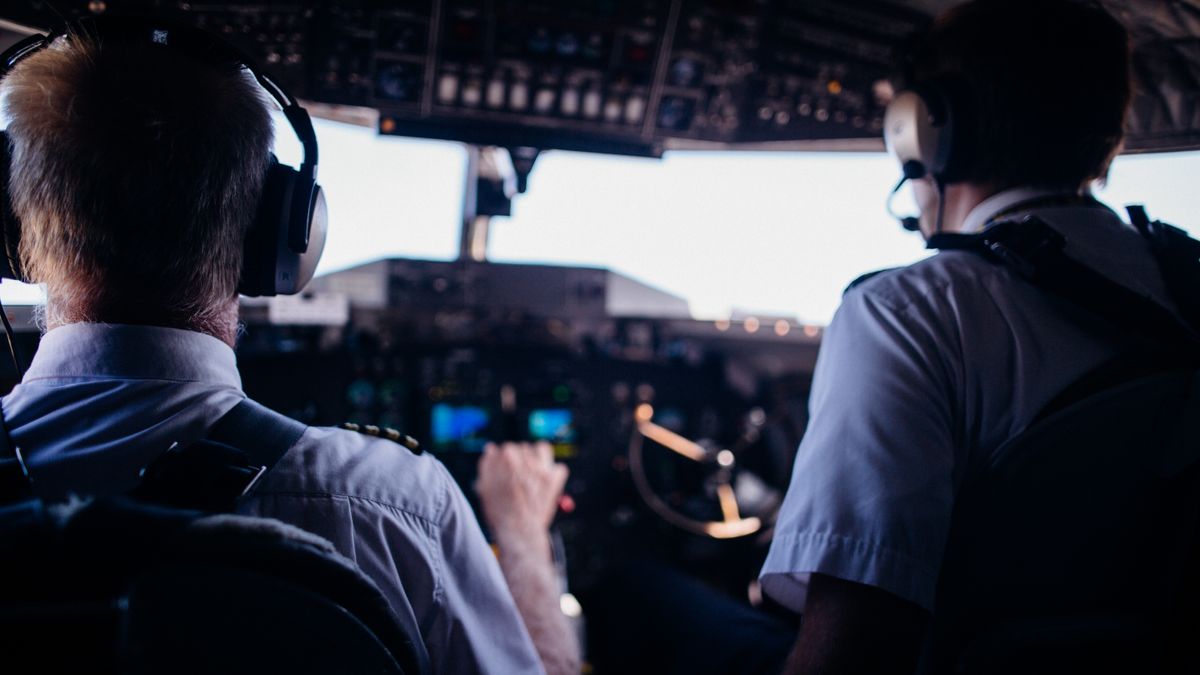
The Pilot Shortage and Its Impact on Salaries
The airline industry is experiencing a historic pilot shortage. Boeing’s 2024 Pilot and Technician Outlook projects a need for 649,000 new pilots worldwide through 2042. Airlines have responded by raising pay aggressively at every tier. Regional carriers that once struggled to attract pilots now offer signing bonuses and flow-through agreements to attract academy graduates and military veterans.
The FAA’s EAGLE initiative supports efforts to grow the pilot pipeline through expanded training pathways and outreach programs. Many airlines now sponsor cadet programs, university partnerships, and ab initio training pipelines to develop future pilots earlier. Nevertheless, the shortage is expected to persist for decades. Pilots entering the profession today are entering one of the most favorable job markets in aviation history.
In fact, the average airline pilot salary has risen faster since 2020 than in any comparable period. Regional first officer starting pay has roughly doubled in five years. Major airline captain contracts are being renegotiated upward across the board. As a result, now is an exceptional time to pursue an airline career. The retirement wave of senior pilots — who must retire at age 65 under FAA rules — continues to create vacancies that accelerate hiring. For more on the training path, read our complete guide on how to become a pilot.
How to Build Your Career Toward an Airline Pilot Salary
Becoming an airline pilot requires a clear path and a significant investment of time and money. The minimum requirement to serve as a first officer at a Part 121 air carrier is the Airline Transport Pilot (ATP) certificate. You need a minimum of 1,500 flight hours, a First Class medical certificate, and the ability to pass airline-specific interviews and simulator evaluations.
First, most aspiring airline pilots begin with a Private Pilot License. Second, they build toward the Instrument Rating, Commercial certificate, and then a Certified Flight Instructor certificate to build hours economically. Third, after reaching ATP minimums, most pilots are hired at a regional airline as a first officer. The typical path from zero flight time to regional airline takes 3 to 5 years and costs $80,000 to $150,000 in training. Total time from regional to major airline typically adds another 5 to 10 years — though the current hiring environment has shortened that in many cases.
Military pilots represent a major and well-regarded pipeline into the airlines. Military training produces ATP-qualified pilots who transition to airlines after service. Airlines actively recruit military veterans for their discipline, crew resource management skills, and extensive flight hours. For help finding the right flight training start, read our guide on how to choose a flight instructor. For a look at the training requirements, visit the FAA’s ATP certificate page.
Our take: The pilot shortage changed the salary conversation permanently. Regional captains are making more today than major airline first officers made a decade ago. If you’re a student pilot wondering whether the investment is worth it — the answer, purely from a financial standpoint, looks a lot better than it did in 2015.
Frequently Asked Questions About Airline Pilot Salary
What is the starting airline pilot salary at a regional carrier?
Regional first officer starting pay in 2025 typically ranges from $80,000 to $100,000 annually. Many regional carriers add signing bonuses of $20,000 to $100,000 for ATP-qualified pilots. First-year total compensation at competitive regionals can approach $150,000 to $200,000 when all elements are included.
Do cargo pilots earn more than passenger airline pilots?
Yes — FedEx and UPS captains consistently rank among the highest-paid pilots in the world. Top FedEx captains earn $300,000 to over $500,000 annually depending on aircraft type and seniority. Many pilots pursue cargo careers specifically for the earning potential and more predictable scheduling compared to passenger operations.
Is the pilot shortage real, and will it keep salaries high?
Yes — the pilot shortage is well-documented and projected to continue through the 2040s. Boeing projects a global need for 649,000 new pilots by 2042. Salaries across all airline tiers have risen sharply and are expected to remain elevated. In fact, industry analysts widely consider this one of the best times in history to enter the airline pilot profession.
Sources:
Bureau of Labor Statistics — Airline and Commercial Pilots | Boeing 2024 Pilot & Technician Outlook | FAA — ATP Certificate Requirements
Written by the E3 Aviation Editorial Team | E3 Aviation Association — Empowering pilots with knowledge, community, and resources.