Air Force One isn’t a single aircraft — it’s a radio call sign for any U.S. Air Force aircraft carrying the President. In practice, “Air Force One” almost always refers to the two specialized Boeing VC-25A aircraft (modified 747-200s) that have served the role since 1990. This guide covers what makes the VC-25A different from any other 747, the aircraft’s specifications and capabilities, the operational realities of presidential transport, the upcoming VC-25B replacement program, and the secret-but-not-actually-secret details that make Air Force One the most extensively modified passenger aircraft in service.
Last Updated: June 1, 2026 | By: The E3 Aviation Editorial Team
The Aircraft Behind the Call Sign
First, the two current Air Force One aircraft — tail numbers 28000 and 29000, designated VC-25A — are modified Boeing 747-200B airframes built in the late 1980s and delivered to the Air Force in 1990. Specifically, each aircraft contains approximately 4,000 square feet of interior floor space across three decks, accommodating up to 102 people including crew, with separate workspaces for the President, senior staff, press, and Secret Service.
Critically, the “presidential aircraft” designation isn’t visual. Any U.S. Air Force aircraft carrying the President is called Air Force One during that flight. When the President flies on a smaller VIP aircraft or a Marine helicopter (which becomes Marine One), Air Force One stays on the ground. The two VC-25As are the iconic Air Force One because they’re the aircraft typically used for presidential travel.
VC-25A Specifications Most Sources Don’t Detail
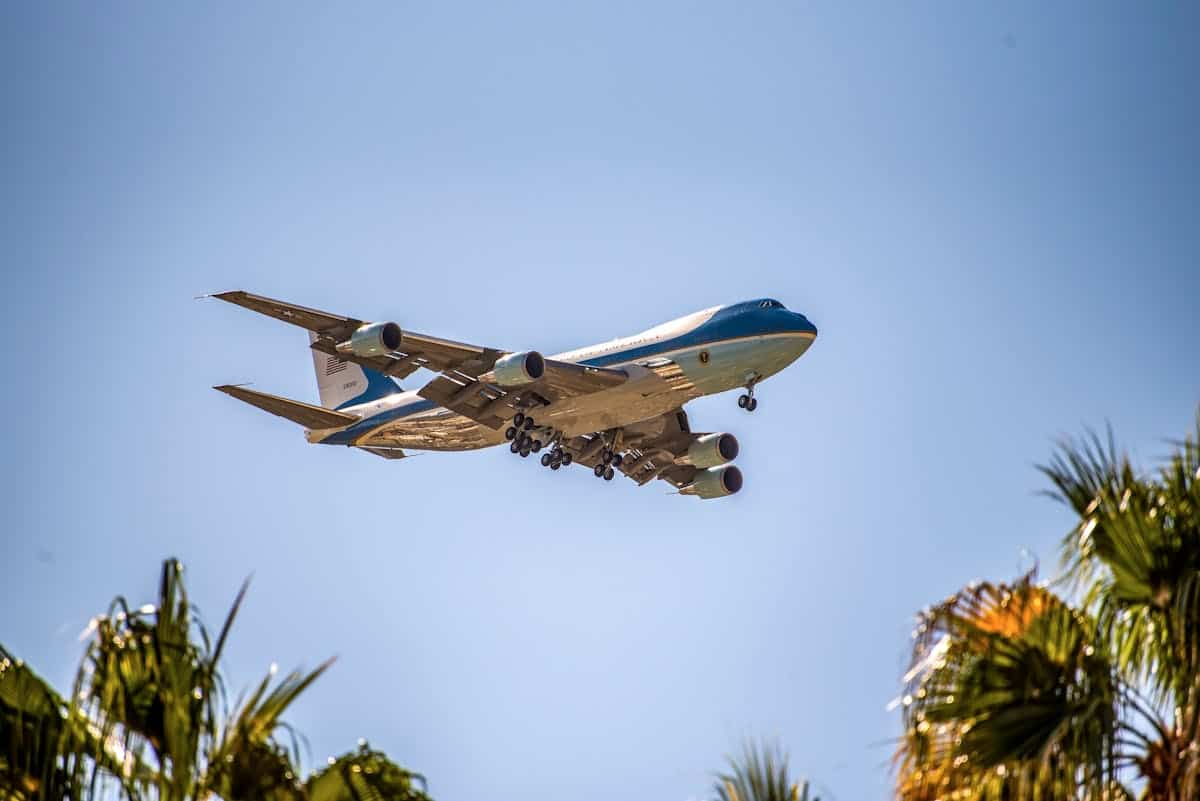
Furthermore, the publicly available specifications for the VC-25A include:
- Length: 231 ft 10 in (70.7 m)
- Wingspan: 195 ft 8 in (59.6 m)
- Height: 63 ft 5 in (19.3 m)
- Maximum takeoff weight: 833,000 lb (378 metric tons)
- Maximum range without refueling: 7,800 statute miles
- Maximum speed: Mach 0.92 (701 mph at cruise altitude)
- Service ceiling: 45,100 ft
- Engines: Four General Electric CF6-80C2B1 turbofans, 56,700 lb thrust each
- Crew: 26 (cockpit, communications, security, attendants)
- Floor space: Approximately 4,000 sq ft across three decks
Practically, the airframe dimensions are 747-200 standard. The differences from a commercial 747 are everywhere else: interior configuration, communications systems, electronic countermeasures, hardened electronics, in-flight refueling capability, and secure command-and-control infrastructure.
What Makes It Different From a Normal 747
For instance, the VC-25A modifications that distinguish it from a commercial 747 cluster into several categories:
Communications and Command-and-Control
Specifically, the aircraft carries 85 telephones (some encrypted), comprehensive HF and SATCOM radio systems, two galleys capable of feeding 100 people simultaneously, and a presidential office that doubles as a flying command center. The President can conduct a full national security council meeting in flight.
Defensive Systems
Critically, the aircraft is equipped with electronic countermeasures against threats including infrared-guided missiles. Specific countermeasure details remain classified, but the system is significant enough that the airframe carries unique protrusions and antenna arrays not found on commercial 747s.
In-Flight Refueling Capability
Notably, the VC-25A is one of the few wide-body civilian-derived aircraft equipped for in-flight refueling. This extends practical range from “7,800 miles” to “wherever a tanker can meet it.” The capability has been used in operational scenarios where landing wasn’t an option.
Hardened Electronics
Generally, the aircraft’s electronics are hardened against electromagnetic pulse and similar threats. The specifics aren’t public, but the engineering investment is substantial enough that the modification cost dwarfs the base airframe cost.
Medical Facilities
For comparison, the aircraft includes a fully equipped medical suite with surgical capability. A military physician travels on every flight. The medical infrastructure is engineered for treating injuries up to and including emergency surgery during flight.
SAM 29000 and Its Predecessor
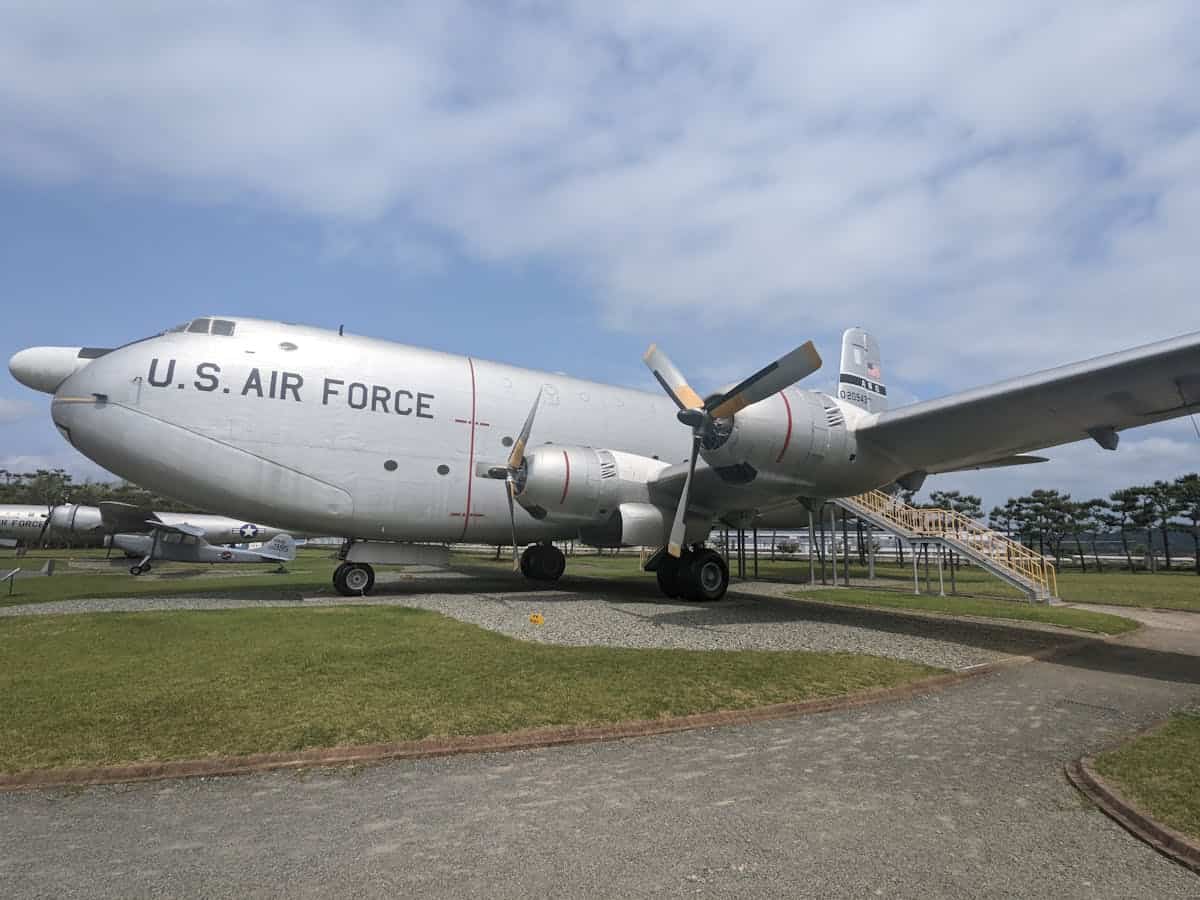
Above all, two specific aircraft serve in the Air Force One role: SAM 28000 and SAM 29000, where SAM stands for “Special Air Mission.” Specifically, both aircraft have been in service since 1990, replacing the earlier VC-137C (Boeing 707-based) that had served from 1962. The 707-based predecessor — tail number 26000 — flew Presidents from Kennedy through George H.W. Bush and is now on display at the National Museum of the U.S. Air Force.
Notably, both VC-25As remain operational in 2026 despite their original 30-year planned service life. Maintenance complexity and parts availability have become increasingly challenging as the 747-200 commercial fleet retired completely a decade ago.
The VC-25B Replacement Program
Conversely, the next-generation presidential aircraft program — designated VC-25B — has been in development since 2018 under a Boeing contract that has experienced significant delays and cost overruns. Specifically, the VC-25B will be based on the Boeing 747-8 airframe, the final 747 variant.
Practically, the VC-25B program timeline has slipped multiple times. Original delivery was targeted for 2024; recent estimates push first operational deployment to late 2027 or 2028. Boeing has absorbed billions in fixed-price contract losses. The two VC-25B aircraft are expected to replace the current VC-25A fleet on a phased schedule.
The Air Force One Decoy Question
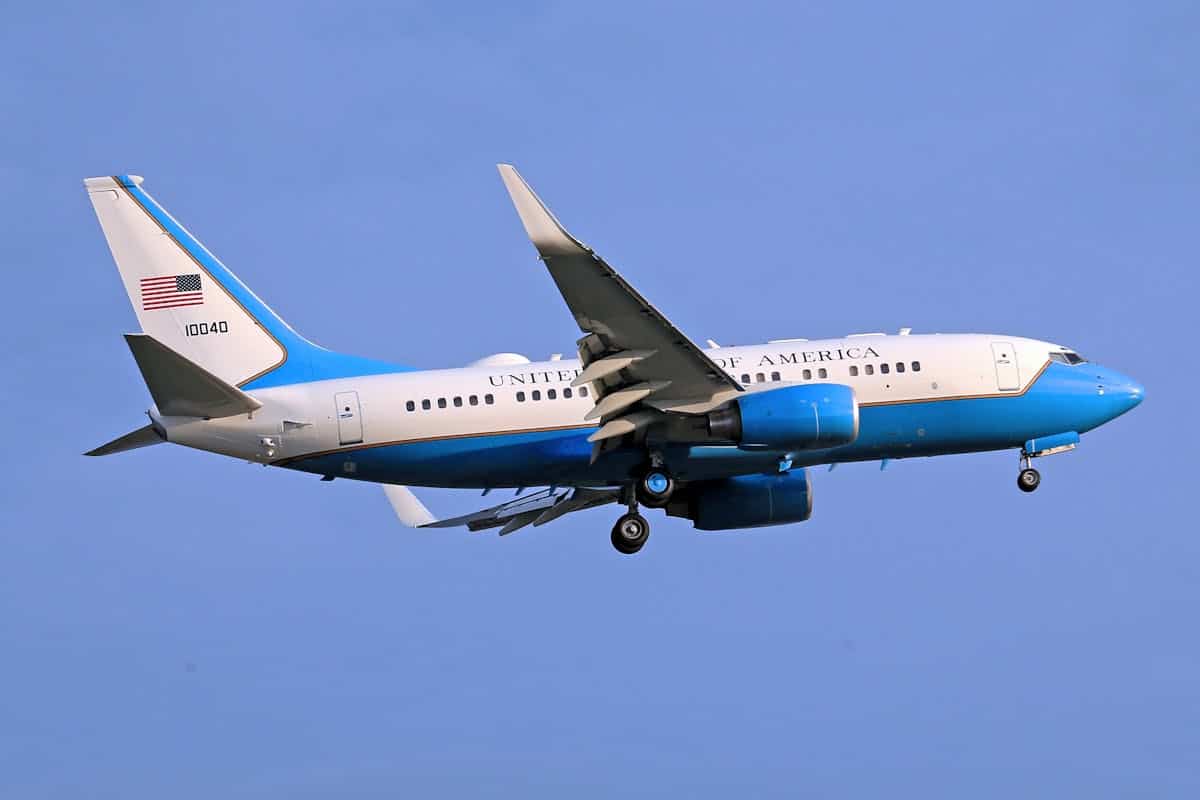
For instance, one of the most persistent Air Force One questions concerns the “decoy” aircraft — whether multiple aircraft fly simultaneously to confuse threat actors about which carries the President. Specifically, the Air Force does not publicly confirm operational decoy procedures, but multiple presidential aircraft do sometimes appear in the same airspace during high-profile movements.
Honestly, the operational security around presidential transport is significant enough that the public discussion is necessarily incomplete. The relevant detail for aviation enthusiasts is that “Air Force One” is a call sign assigned in real time, and which physical aircraft carries it can change based on operational considerations.
What This Means for Aviation Enthusiasts
For broader context, see our coverage of the F-15 Eagle and F-15EX and our deep-dive on the MiG-29 Fulcrum.
Our take: Air Force One holds enduring fascination because it sits at the intersection of aviation engineering, national security, and political theater. The aircraft’s technical specifications are publicly available but only partially explain what makes it special. The classified modifications, the operational procedures, and the symbolic weight of the call sign together create an aircraft category of one. For aviation enthusiasts, the upcoming VC-25B transition will be the most significant change in presidential air transport in 35 years.
Frequently Asked Questions About Air Force One
How many square feet is Air Force One?
The VC-25A has approximately 4,000 square feet of interior floor space distributed across three decks. This includes the presidential office and bedroom, conference rooms, communications and security workspaces, dining areas, medical facilities, press cabin, and crew areas. The space is comparable to a small two-story house.
What are the tail numbers SAM 28000 and 29000?
SAM 28000 and SAM 29000 are the U.S. Air Force tail numbers for the two VC-25A aircraft that serve in the Air Force One role. “SAM” stands for Special Air Mission. Both aircraft have served since 1990 and are scheduled for replacement by the VC-25B aircraft currently under development.
Is there really an Air Force One decoy?
The U.S. Air Force does not publicly confirm operational decoy procedures, but multiple presidential transport aircraft do sometimes operate simultaneously during high-profile movements. The “Air Force One” designation is a call sign assigned to whichever Air Force aircraft is carrying the President at the time, which means the call sign can move between physical aircraft if operational needs require it.
About the E3 Aviation Editorial Team
The E3 Aviation Editorial Team writes for owner-pilots, student pilots, and the small aircraft community. We focus on practical, real-world content that respects your time and your training. Learn more about E3 Aviation.