Introduction: Embracing the RV and Aircraft Lifestyle
For pilots, combining flying with RVing opens a world of adventure. The RV and aircraft lifestyle blends aviation’s freedom with RVing’s comfort. Social media buzzes with pilots sharing this viral trend. Imagine flying to a remote airstrip and camping under the stars. This unique way of travel is gaining traction among aviation enthusiasts. Communities like those at www.e3aviationassociation.com offer insights into this growing movement.
What is the RV and Aircraft Lifestyle?
This lifestyle means flying to a destination and using an RV to explore. Pilots land at small airports and set up camp nearby. Some tow lightweight RVs behind their planes, a clever trick few know. Others drive their RV to meet their aircraft after landing. It’s about merging two passions into one seamless experience. The flexibility appeals to those who crave both air and ground adventures.
A Day in the Life
Picture this: you take off at dawn from a local airstrip. After a smooth flight, you land at a rural airport with RV hookups. You unhitch your camper and settle in for the night. By evening, you’re grilling dinner with a runway view. Many pilots share such stories on platforms like E3 Aviation’s pilot stories. It’s a rhythm that feels natural to aviators.
Benefits and Challenges of Combining Flying and RVing
The perks of this lifestyle are hard to ignore. Flying cuts travel time, while RVing offers home-like comfort. You can reach hidden gems inaccessible by road alone. However, coordinating logistics can test your planning skills. Fuel costs for both plane and RV add up quickly. Still, the rewards often outweigh the hurdles for dedicated enthusiasts.
Little-Known Perks
Some airports, like those listed on E3 Aviation’s airport guides, cater specifically to this combo. They offer RV parking and even shuttle services to campsites. A secret among pilots: certain strips in the Southwest have free tie-downs for campers. These perks make the lifestyle surprisingly affordable. Plus, you’ll bond with fellow travelers who share your dual passion.
Tips for Getting Started
First, choose a plane suited for short-field landings. A Cessna 182 or Piper Cherokee works well for most. Next, pick an RV that’s light enough to tow or easy to drive separately. Practice your pre-flight and campsite setup routines together. For inspiration, check out E3 Aviation’s tips. Start small with weekend trips before tackling longer journeys.
Planning Your Route
Map out airports with RV-friendly amenities ahead of time. Websites like E3’s travel planning section can guide you. Look for destinations like Oshkosh, famous for aviation and camping events. Always check weather for both flying and camping conditions. A little preparation ensures a smooth trip every time.
Community and Resources
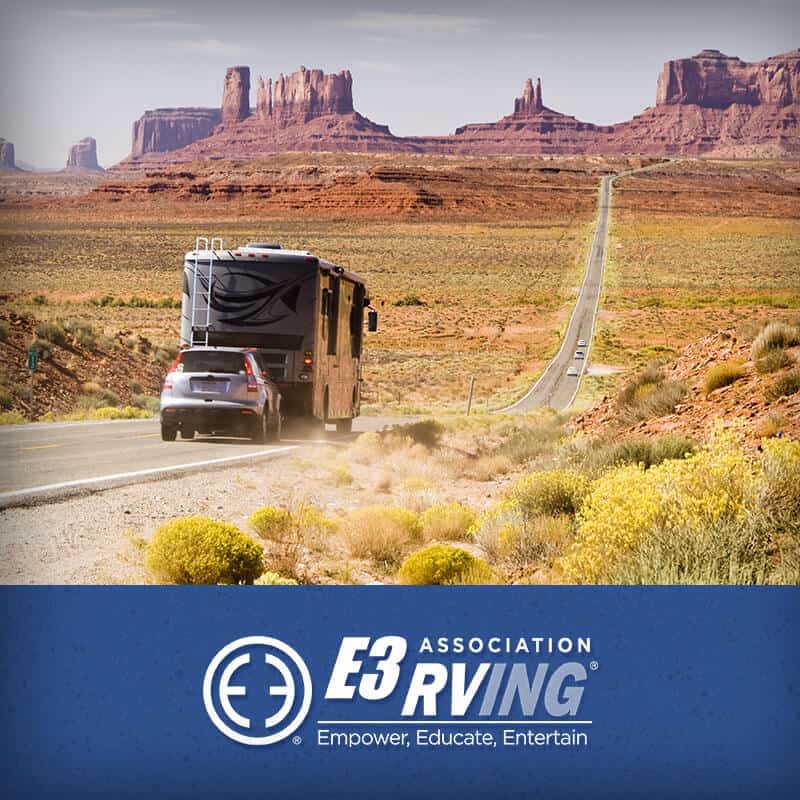
The RV and aircraft lifestyle thrives on community. Online groups buzz with pilots swapping tales and advice. Platforms like E3 Aviation’s community page connect you with like-minded adventurers. Many share hacks, like using solar panels to power both RV and plane gadgets. This trend’s viral spread on social media proves its appeal.
Joining the Movement
Dive into forums or attend fly-ins to meet others living this way. Events covered at E3 Aviation’s events often feature RVing pilots. You’ll pick up tips and maybe even a travel buddy. The sense of camaraderie is a big draw. Soon, you’ll be sharing your own stories too.
Takeaways and Next Steps
Combining flying and RVing offers unmatched freedom and flexibility. It’s a lifestyle that’s practical yet adventurous, perfect for pilots. To get started, explore resources at E3 Aviation’s articles. Plan a short trip and test your wings—literally. The RV and aircraft lifestyle awaits you.
For more aviation resources and insights, be sure to visit: https://e3aviationassociation.com/category/aviation-articles/.
External Resources
- aviation industry organizations – Aircraft Owners and Pilots Association
- FAA – Federal Aviation Administration
- homebuilt community – Experimental Aircraft Association
- Campendium – RV Camping Resources
- Fly2Camp – Aviation Camping Community
What the RV and Aircraft Lifestyle Actually Looks Like
The combination of recreational vehicle and personal aircraft ownership creates a uniquely mobile lifestyle. Pilots who embrace both modalities can fly to destinations, then ground-tour from there with familiar accommodations and gear. Some couples spend three to six months per year on the road this way, mixing aviation cross-country trips with RV ground travel.
The financial commitment is substantial. A reasonable RV adds $80,000 to $250,000 to ownership costs. Combined with aircraft ownership, the lifestyle requires meaningful financial resources. Most practitioners are retired professionals, business owners with flexible schedules, or remote workers who have arranged their careers around mobility.
Time freedom is the real currency. The pilots who thrive in this lifestyle have unstructured calendars. Sticking to a tight schedule defeats much of the value — the joy comes from following weather, opportunities, and personal interest rather than rigid timelines.
How Aircraft and RV Travel Complement Each Other
The two travel modes solve different problems. Aircraft cover long distances efficiently and reach remote locations road travel can’t easily access. RVs provide flexible ground transportation, accommodations, and a base of operations once you arrive at a region.
A typical combined trip pattern: fly the aircraft to a regional airport near a destination region, position the RV nearby (either pre-staged or shipped to the area), then use the RV for local exploration over weeks or months. Return the same way when the season or interest changes.
This approach particularly suits visits to the American Southwest, Pacific Northwest, and the Eastern Mountain regions. Aviation access to these regions is excellent. Ground travel within them rewards the slow-paced exploration RV travel enables.
Snowbird pilots use the combination to transition seasonally between northern home bases and southern winter locations. The aircraft handles the migration efficiently while the RV provides flexible accommodations during the winter months.
Logistical Considerations for the Combined Lifestyle
Several logistical patterns separate successful combined-lifestyle practitioners from those who try and abandon the approach.
Aircraft positioning takes planning. Most practitioners keep aircraft at home base when traveling by RV, then either fly home and return to the RV by air or arrange for someone to ferry the aircraft to the region they’re touring.
RV positioning has its own logistics. Towing a fifth-wheel or driving a motorhome to a destination takes days. Most practitioners either drive the RV to a region and stay there for months, or use shipping services that move RVs between regions for $2,000-$8,000 per trip.
Insurance considerations get more complex with both. Aircraft hull coverage, aircraft liability, RV insurance, towing endorsements — the policy stack grows. Working with one broker familiar with both worlds simplifies management.
Storage at intermediate destinations matters. Some destinations support RV storage at affordable rates; others charge premium rates that affect overall trip economics. Researching storage costs is part of trip planning.
The Communities Practitioners Find
The combined RV and aviation community is smaller than either community individually but tightly connected. Practitioners typically know each other regionally and share information about good destinations, services, and operators.
Pilots-and-RVers groups exist on social media and through informal regional meetups. These communities share intelligence about which fly-in destinations welcome ground vehicles, which RV parks are near airports, and which airports accommodate longer-term aircraft storage at reasonable rates.
Annual gatherings — both fly-in events with RV camping and RV rallies near airports — create opportunities for the combined community to assemble. Some couples meet many of their closest friends through these gatherings.
Honestly, this is where the lifestyle becomes more than just two hobbies stacked. The community connections, the shared experience of unstructured travel, and the relationships that form around campfires and hangar coffee distinguish this lifestyle from either component pursued alone.
Aircraft Selection for Combined-Lifestyle Pilots
Aircraft choice for combined-lifestyle pilots differs from typical personal travel decisions. Several factors that don’t matter much for routine flying matter substantially for combined travel.
Range matters more than for typical personal travel. Combined-lifestyle pilots may fly long distances to reach RV staging areas. Aircraft with 500+ nautical mile ranges (most piston singles and twins) handle these trips comfortably with one fuel stop. Shorter-range aircraft become inconvenient.
Useful load matters for carrying RV-related gear. Bicycles, kayaks, photography equipment, and other ground-exploration gear all add up. Aircraft with 800+ pound useful loads (Cessna 182, Beechcraft Bonanza, Piper Saratoga, Cirrus SR22) work well.
Speed becomes secondary. The lifestyle isn’t typically time-constrained. Bonanzas and Mooneys are faster than Cessnas, but the time difference rarely matters for trips already measured in days or weeks.
Reliability matters absolutely. Combined-lifestyle travelers can’t easily stay in any one place waiting for unscheduled maintenance. Aircraft with strong maintenance reputations and well-equipped owners (engine monitors, modern avionics, regular inspections) avoid stranding scenarios.
RV Selection for Pilot Owners
RV choice follows a different set of priorities for pilot owners than for typical RV buyers. Some patterns recur among successful practitioners.
Smaller is usually better. Class B motorhomes (camper vans) and small Class C motorhomes handle 80% of typical use cases without the operating complexity of larger units. Class A motorhomes work for full-time travelers but represent overkill for many pilot lifestyles.
Trailer setups (fifth-wheels and travel trailers) work when pilots have a suitable tow vehicle. The flexibility of separating tow vehicle from living quarters appeals to some practitioners; the storage and parking challenges put others off.
Solar capability matters for off-grid stays. Pilots who use the RV at airport tie-down locations or remote camping spots benefit from solar power systems that reduce generator dependency.
Resale value matters for an asset that will probably change hands several times during a long lifestyle. Mainstream brands hold value better than niche manufacturers, even when the niche options have better features.
Best Regions for the Combined Lifestyle
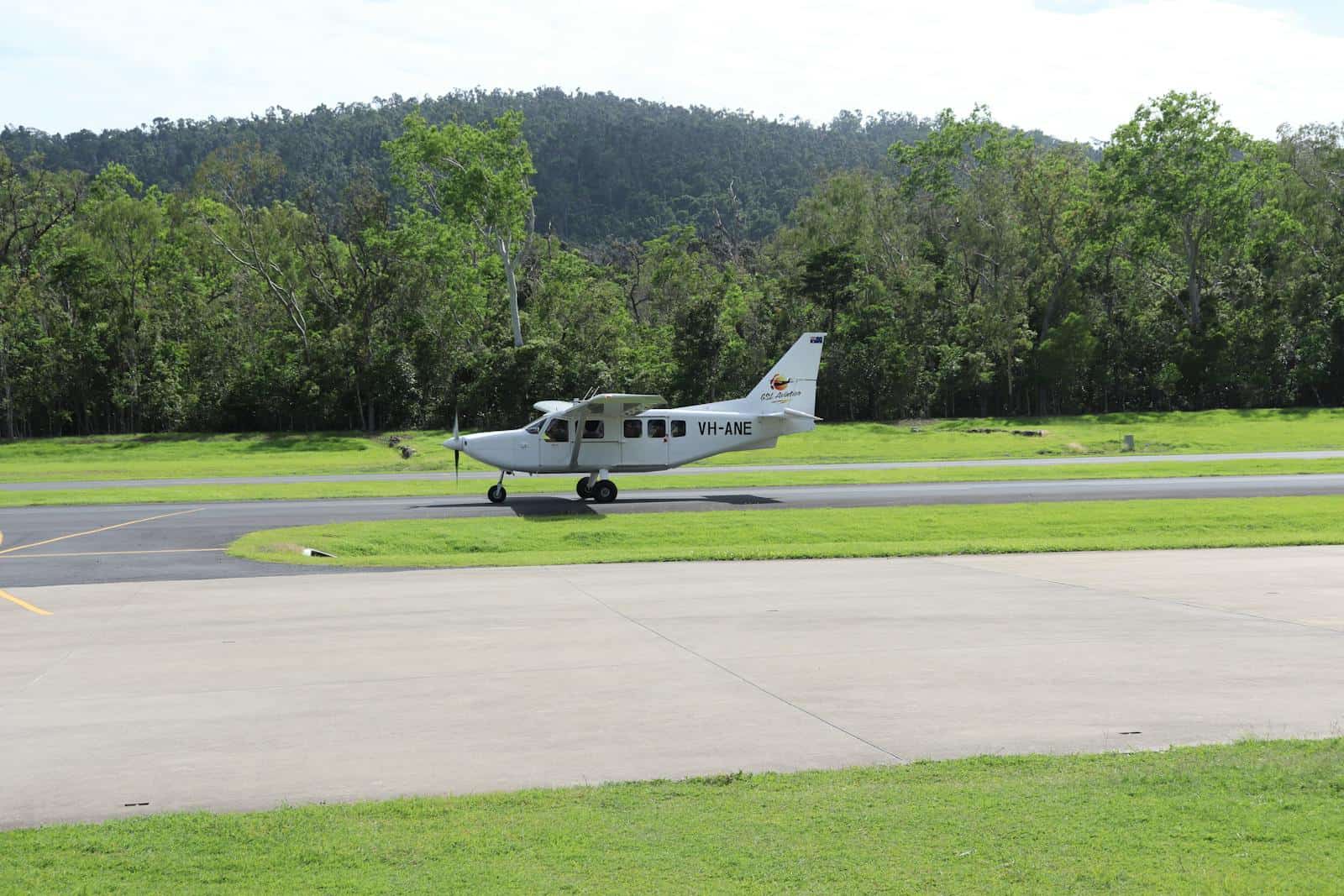
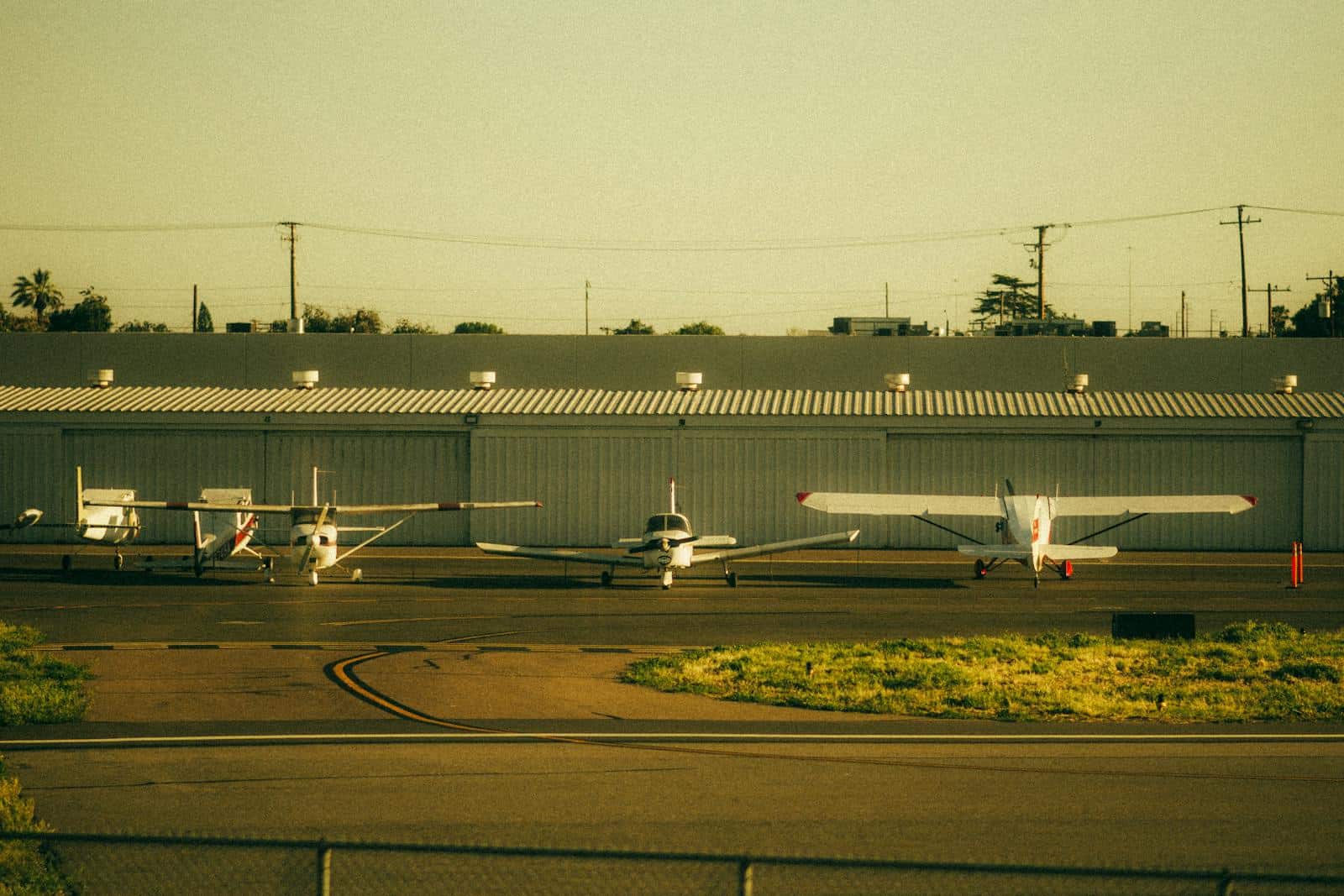
Several regions of North America particularly suit the combined RV-and-aviation lifestyle. Each has distinct seasonal patterns and characteristics.
The American Southwest (Arizona, New Mexico, Utah, Nevada, parts of Texas) draws pilots seasonally from October through April. Reliable VFR weather, abundant fly-in destinations, vast public lands for RV camping, and warm temperatures all combine into an ideal combined-lifestyle environment.
The Pacific Northwest (Washington, Oregon, parts of California and Idaho) works best May through September. Stunning aerial views, world-class national parks for ground exploration, and reasonable summer weather attract pilots who appreciate cooler climates.
The Eastern Mountains (Appalachians from Georgia to Maine, plus the Adirondacks) provide late spring through early fall opportunities. Smaller distances between fly-in destinations and good RV-friendly towns create a more compact version of the lifestyle.
Florida and Gulf Coast destinations support year-round operations but become uncomfortable in summer heat. Most practitioners focus Gulf Coast time in winter months.
Common Mistakes Combined-Lifestyle Newcomers Make
Three patterns repeat among practitioners who try the lifestyle and abandon it. Each is avoidable with planning.
Over-scheduling defeats the lifestyle’s value. New practitioners often build dense itineraries that mimic conventional vacation planning. The result is rushed travel that captures none of the freedom the combined approach makes possible. Successful practitioners build flexible plans with built-in days for spontaneous decisions.
Under-budgeting causes painful surprises. The combined lifestyle costs more than either component alone, and unexpected expenses (maintenance, weather-driven extended stays, unanticipated travel) hit hard if reserves are thin. Build 30% contingency into planned budgets.
Solo trips often disappoint. The lifestyle works best for couples or small groups who share interests in both aviation and RV travel. Solo practitioners can make it work but face longer solitary periods that some find isolating.
Long-Term Sustainability Considerations
The combined lifestyle works for many practitioners for years. The patterns that distinguish long-term practitioners from those who burn out are worth understanding.
Periodic returns to home base matter. Most successful long-term practitioners return home for several weeks every few months. The home base provides rest, medical care access, family connections, and routine maintenance that travel makes hard.
Both vehicles need ongoing investment. Aircraft maintenance, RV maintenance, tow vehicle service — the equipment stack requires attention. Practitioners who try to defer maintenance during travel periods accumulate problems that eventually force longer-than-planned stays.
Health planning matters for older practitioners. Medical access in remote areas is limited. Practitioners maintain primary care relationships at home base and plan travel routes that include reasonable medical access when needed.
Relationship management with non-traveling friends and family takes deliberate effort. The combined lifestyle creates social distance that conscious effort can bridge. Successful practitioners stay connected through deliberate communication, periodic visits home, and visitor hosting.
Why More Pilots Are Choosing the Combined Lifestyle
The combined RV-and-aircraft lifestyle has grown steadily over the past decade. Several factors drive that growth.
Remote work flexibility expanded the population that can travel for months at a time. Pilots who previously had to retire before adopting this lifestyle now have a window during peak earning years.
Aircraft and RV technology both matured. Modern aircraft offer better range, reliability, and cabin comfort. Modern RVs offer better fuel economy, smarter electrical systems, and more livable interiors than ten years ago.
Aviation communities embraced longer-term visitors. FBOs and small airports increasingly accommodate week-plus aircraft parking at reasonable rates. RV parks near small airports have become more common.
The lifestyle has cultural validation now that it didn’t have in previous decades. Social media, YouTube channels, and dedicated communities showcase combined-lifestyle living and inspire prospective practitioners to try it themselves.
Practical First Steps Into the Combined Lifestyle
Pilots curious about the combined RV-and-aviation lifestyle benefit from incremental experimentation rather than full commitment. Start with a single combined trip — fly to a destination region, rent an RV locally for two weeks, then return. The experience reveals whether the lifestyle actually fits before significant capital commitment to RV ownership. Many pilots discover through these trial runs that they prefer hotel-based travel from fly-in airports. Others discover the deep appeal of the combined approach and proceed to RV ownership confidently.
Where to Find Resources for This Lifestyle
The combined RV-and-aviation community has organized resources worth knowing about. Type-specific forums, Facebook groups dedicated to pilot-RVers, and annual gatherings provide both information and community. New practitioners benefit from joining these groups before making major commitments. The collective wisdom accelerates learning that solo trial-and-error would take years to accumulate.
For pilots considering the combined lifestyle as a future possibility, the key insight is that gradual experimentation works better than dramatic commitment. Try the lifestyle in smaller doses before scaling up. Many pilots discover what works for them and what doesn’t through a season of low-commitment travel.
The E3 Aviation Editorial Team writes for owner-pilots, student pilots, and the small aircraft community. We focus on practical, real-world content that respects your time and your training. Learn more about E3 Aviation.
Last Updated: 2026-05-14