Robert Rosenthal pilot — few names in World War II aviation carry more weight. He flew 52 combat missions over Nazi-occupied Europe as a B-17 Flying Fortress pilot. He survived being shot down, led some of the war’s most dangerous bombing raids, and later served as a prosecutor at the Nuremberg Trials. His story is one of the most extraordinary in the history of military aviation. At E3 Aviation Association, we believe understanding aviation history makes us better pilots. In this guide, we explore the life, missions, and enduring legacy of Robert “Rosy” Rosenthal.
Early Life — From Brooklyn to the Cockpit
First, Robert Rosenthal was born on May 11, 1918, in Brooklyn, New York. He attended Brooklyn College and later Brooklyn Law School. He was preparing for a legal career when the attack on Pearl Harbor in December 1941 changed everything. Like millions of Americans, he answered the call to serve.
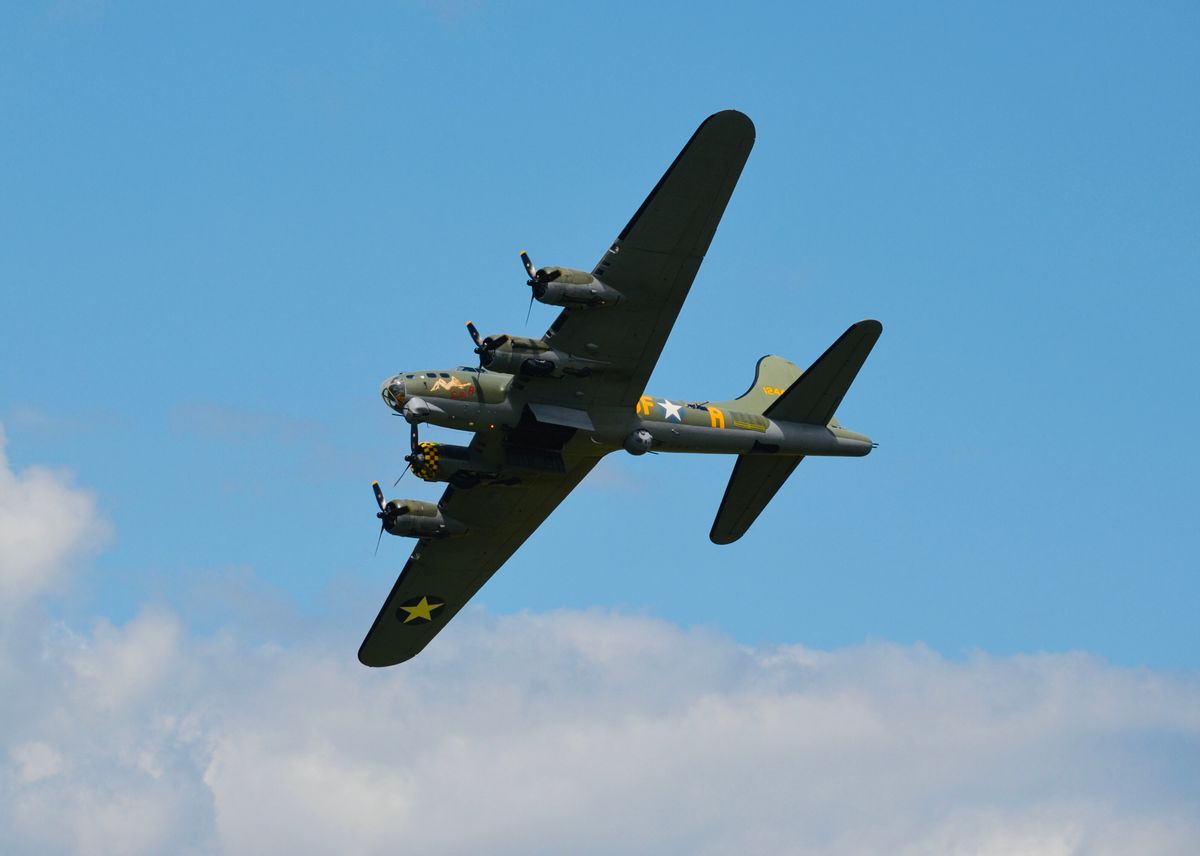
Rosenthal enlisted in the Army Air Corps and began training as a bomber pilot. He showed exceptional skill during training. He qualified on the B-17 Flying Fortress — one of the most demanding aircraft of the era. As a result, he was assigned to the 8th Air Force and shipped to England to join one of the most storied bomb groups in history.
What Made Rosenthal Different From Most Airmen Who Flew Over Germany
Second, Rosenthal’s assignment was to the 100th Bomb Group (Heavy), based at Thorpe Abbotts in Norfolk, England. The 100th BG flew daylight strategic bombing missions deep into enemy-held territory. Daylight bombing in 1943 and 1944 was extraordinarily dangerous — the Luftwaffe and German flak were devastating. The 100th Bomb Group suffered catastrophic losses that earned it a grim nickname: the “Bloody Hundredth.”
The 100th’s losses were staggering. For example, during the October 1943 Münster mission, the group sent 13 aircraft and only one returned. During the Regensburg raid earlier that year, losses across the 8th Air Force reached levels that threatened the viability of the entire strategic bombing campaign. The 100th Bomb Group earned the distinction of suffering the highest loss rate of any bomb group in the entire 8th Air Force. As a result, crews who flew with the Bloody Hundredth faced some of the worst odds of any combat assignment in the war.
Nevertheless, Rosenthal kept flying. He completed mission after mission despite the carnage around him. His courage under fire became legendary within the group. Above all, he flew not just as a pilot but as a leader — and that distinction would define his reputation for the rest of the war.
Robert Rosenthal’s Most Dangerous Missions
Münster, October 10, 1943: The Mission That Broke the 100th
First, the Münster mission stands as one of the most costly days in 100th Bomb Group history. The group launched 13 B-17s on October 10, 1943, targeting railway marshalling yards at Münster, Germany. The Luftwaffe attacked in force and German flak was intense. Consequently, 12 of the 13 aircraft were lost. Rosenthal’s crew was the sole survivor — landing back at Thorpe Abbotts as the only aircraft to return from the mission.
Rosenthal’s aircraft was badly damaged during the raid. His crew fought off repeated fighter attacks and nursed their B-17 home. As a result, he arrived back at base to find he was one of very few men left alive from the formation. In fact, the Münster mission became one of the defining tragedies of the 100th Bomb Group’s history.
Regensburg and Berlin: Deep Penetration Raids Without Fighter Cover
Second, Rosenthal flew on multiple missions deep into Germany. His missions included attacks on Regensburg’s Messerschmitt factories and Berlin itself. Berlin was among the most heavily defended targets in all of Europe. Bombing Berlin required nerve and skill that only the best combat pilots could sustain. Rosenthal was repeatedly called on to lead formations — a role that placed him at even greater risk as lead aircraft drew concentrated fire.
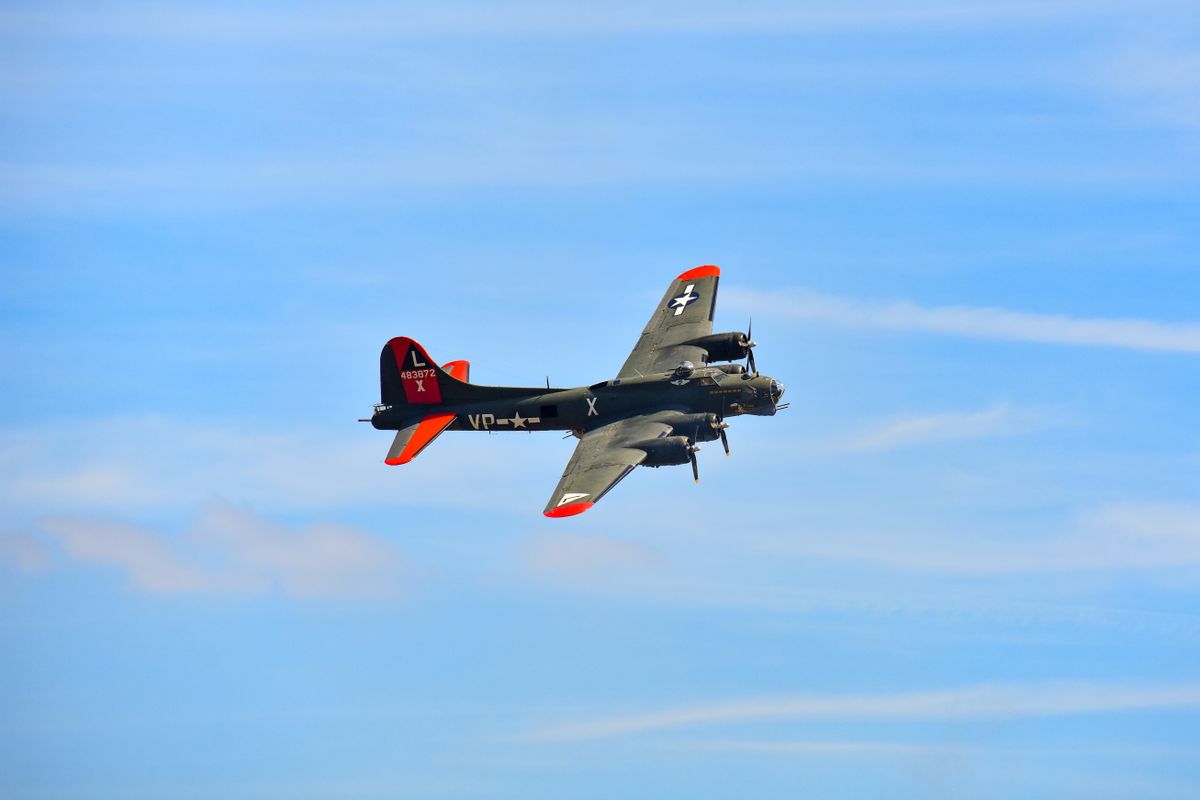
We’ll be straight with you: the casualty rates in the 8th Air Force were staggering. A crew flying 25 missions over occupied Europe had a statistically worse survival rate than a combat infantryman. Rosenthal flew 52. Understanding that context is what makes the history real — not just inspiring.
Shot Down — And Still He Flew
Third, Robert Rosenthal was shot down on more than one occasion — and returned to combat each time. He survived being forced out of action when his aircraft was too damaged to fly. Rather than accepting a ticket home, he requested reassignment and kept flying. His drive to continue when most men would have stopped set him apart from his peers. By the end of the war, he had completed 52 combat missions — a number that stands as a testament to sustained courage.
Each mission added to the psychological weight every combat pilot carried. Losing crewmates, watching aircraft go down in flames, and knowing each mission might be the last — these were the daily realities of the Bloody Hundredth. Nevertheless, Rosenthal maintained the composure and focus that effective leadership requires. As a result, his crews flew with confidence even in the most dangerous airspace in the world.
Leadership and Character Under Fire
Robert Rosenthal was known as much for his character as his skill. He was deeply principled — and that showed in how he led. For example, he is reported to have aborted missions when he believed the risk to civilian life was too high. His ethical standard in combat set him apart from many of his peers. The men who flew with him trusted not just his skill but his judgment.
Rosenthal’s leadership style earned deep respect from everyone who flew with him. He was calm under pressure and clear in his communication. He showed consistent concern for his crew’s wellbeing. As a result, flying with Rosenthal gave his men a measure of confidence they might not have had under a different leader. Above all, he proved that courage and integrity can coexist even in the most brutal circumstances of war.
After the War — The Nuremberg Trials
Robert Rosenthal’s contributions did not end when the war did. After completing his combat tour, he returned to his legal training. He was appointed as a U.S. prosecutor at the Nuremberg Military Tribunals — the proceedings that tried Nazi war criminals after Germany’s defeat. Rosenthal helped bring some of history’s most notorious perpetrators to justice using the same determination he showed in the air.
His role at Nuremberg was deeply personal. Rosenthal was Jewish — and the crimes being prosecuted were those committed against Jewish people and others during the Holocaust. His work as a prosecutor carried a weight that went far beyond the legal proceedings themselves. In fact, his participation in the Nuremberg Trials represents one of the most meaningful chapters of his extraordinary life.
Legacy — Masters of the Air and Beyond
Robert Rosenthal’s story received renewed public attention through the 2024 Apple TV+ miniseries “Masters of the Air.” Specifically, the series dramatizes the experiences of the 100th Bomb Group — and Rosenthal is one of its central figures. The show brought his story to a new generation of viewers who had never encountered his name before. Interest in the 100th Bomb Group and its pilots surged after the series aired.
The 100th Bomb Group Foundation preserves the legacy of those who flew with the Bloody Hundredth. The Foundation maintains archives, educational programs, and memorial events. The National WWII Museum in New Orleans holds extensive collections related to the 8th Air Force strategic bombing campaign. As a result, the story of the 100th Bomb Group and pilots like Rosenthal continues to educate and inspire.
Robert Rosenthal received numerous decorations for his service. He was awarded the Distinguished Flying Cross, the Air Medal with clusters, and other honors. His official record confirms what his colleagues always knew — he was one of the finest combat pilots of his generation. Robert Rosenthal died on April 20, 2000, at age 81. However, his legacy lives on in the history of the 100th Bomb Group. For more on the WWII era and its impact on aviation, read our article on the iconic V-J Day photo that marked the end of the war.
What Today’s Pilots Can Learn From Robert Rosenthal
First, the most obvious lesson is perseverance. Rosenthal flew 52 missions in conditions that broke most men. He did not stop after being shot down. His example shows that the difference between success and failure often comes down to refusing to quit when things get hard.
Second, leadership under pressure matters enormously. How a pilot handles stress affects every person around them. Rosenthal’s calm and principled command style kept his crew functional in extreme combat conditions. As a result, the pilots who develop calm leadership under pressure are the ones who bring their crews home.
Third, character defines a pilot as much as skill. Rosenthal’s ethical standards in the cockpit show that moral judgment is part of being an exceptional aviator. Situational awareness, risk management, and principled decision-making belong in every cockpit. For a deeper look at cockpit decision-making, read our guide on mastering situational awareness for pilots.
Our take: Rosenthal’s story is one of the most remarkable in American aviation history, and it’s still not as well known as it deserves to be. “Masters of the Air” brought renewed attention to the 100th Bomb Group — but the man himself was understated about his own record in a way that makes the facts land even harder when you learn them.
Frequently Asked Questions About Robert Rosenthal Pilot
Who was Robert Rosenthal?
Robert “Rosy” Rosenthal was a WWII B-17 bomber pilot who flew 52 combat missions with the 100th Bomb Group. He survived being shot down, led some of the war’s most dangerous raids, and later served as a U.S. prosecutor at the Nuremberg Trials. He died on April 20, 2000, at age 81.
What happened at the Münster mission?
On October 10, 1943, the 100th Bomb Group launched 13 B-17s to bomb railway yards at Münster, Germany. Specifically, 12 of the 13 aircraft were lost to Luftwaffe fighters and flak. Robert Rosenthal’s crew was the only one to return. The Münster mission became one of the defining tragedies of the 100th Bomb Group’s history.
What is “Masters of the Air”?
“Masters of the Air” is a 2024 Apple TV+ miniseries that dramatizes the experiences of the 100th Bomb Group during WWII. Robert Rosenthal is one of its central figures. The series brought his story to a new generation of viewers. Interest in the Bloody Hundredth and its pilots surged after the show aired.
Sources:
100th Bomb Group Foundation | The National WWII Museum | U.S. Air Force History
Written by the E3 Aviation Editorial Team | E3 Aviation Association — Empowering pilots with knowledge, community, and resources.